
The Benefits of Water-Based Coatings
Understanding Water-Based Coatings
Water-based coatings represent an environmental-friendly choice in the world of paints and finishes. These formulations consist primarily of water as the solvent, which is used to disperse the resin, thereby making these coatings less toxic and flammable. They come in various types, each with unique characteristics, including acrylic, polyurethane, and epoxy, all of which serve distinct purposes in different applications.
The key constituents of water-based coatings - water, resin, pigments, and additives uniquely contribute to their performance. Whilst the water acts as the solvent, providing reduced toxicity and ease of cleaning, the resin lends the coating its durability and finish. Pigments offer color and coverage, and additives help improve performance characteristics, such as resistance to UV rays, microbes, and fire. Today, with technological advancements, these coatings are designed to deliver high performance in a variety of environments, thus forging ahead in both residential and industrial sectors.
Composition and Types of Water-Based Coatings
Water-based coatings are primarily composed of water as a solvent, utilized to disperse a resin added to create the coating or paint film. The resin within these coatings can vary greatly, with the most common types being acrylic and polyurethane resins. Other elements such as binders, pigments, and additives may also be incorporated. The ingredients contribute to the coating’s key properties, including its durability, color, opacity, and drying speed.
There are numerous types of water-based coatings designed with specific purposes in mind. Acrylic coatings, noted for their excellent color retention and resistance to moisture, are widely used for various interior and exterior applications. Polyurethane water-based coating, on the other hand, provides high-performance protection against corrosion and abrasion. This makes it suitable for metal surfaces, flooring, and heavy-duty industrial applications. Other types include epoxy coatings for high traffic areas and alkyd coatings for metal and wood surfaces where gloss and durability are necessary.
Why Choose Water-Based Coatings Over Solvent-Based
Switching to water-based coatings has several compelling reasons. Water-based coatings are widely recognized for their low Volatile Organic Compounds (VOCs) content, which is significantly beneficial for health and environmental safety. These coatings typically have less than half the VOC levels of solvent-based coatings. Lower VOC means less harmful emissions into the air and a safer work environment for employees.
On another note, water-based coatings are generally easier to use and maintain as they have a longer pot life, which reduces material waste compared to solvent-based coatings. They dry at a faster rate, consuming less energy for curing and speeding up production timelines. Additionally, their easy clean-up process with water, instead of harsh thinners, renders them a more user-friendly choice.
Environmental Impact of Water-Based Coatings
Water-based coatings come with many environmental benefits. The first and most notable is their lower volatile organic compound (VOC) content. Volatile organic compounds are harmful substances that contribute to air pollution when released into the atmosphere. These compounds are abundant in solvent-based coatings which, when used, significantly impact air quality. When compared to solvent-based coatings, water-based coatings emit far fewer VOCs, greatly reducing their environmental impact and helping to maintain air quality.
Another profound advantage of water-based coatings is their water-based cleanup. Solvent-based coatings require chemical solvents for clean-up, which are harmful to the environment. On the contrary, water-based coatings can be cleaned with water, significantly reducing the amount of hazardous waste generated. This aspect contributes to safer disposal and a lesser burden on waste treatment facilities, further corroborating the environmental edge that water-based coatings offer.
Reduced Hazardous Waste with Water-Based Coatings
Water-based coatings play a significant role in reducing the generation of hazardous waste. A prime contributor to this benefit is their low volatile organic compound (VOC) content, which ultimately lowers their level of toxicity. Contrarily, traditional solvent-based coatings tend to contain high levels of VOCs, contributing significantly to hazardous waste and posing serious environmental dangers. As we transition towards a more sustainable society, the need for these eco-friendlier alternatives becomes increasingly crucial.
Water-based coatings do not only offer environmental advantages but also practical benefits for waste management. The clean-up process after their application generally requires only water, negating the need for chemical solvents. This subsequently leads to a lesser amount of contaminating waste to dispose of, thereby decreasing the overall waste management effort. Furthermore, their non-hazardous residue simplifies storage and handling procedures, making them an optimal choice for both large and small-scale projects.
Water-Based Coatings and Air Quality Improvement
A significant advantage of water-based coatings over their solvent-based counterparts lies in their positive contribution to air quality improvement. These coatings have a considerably lower content of volatile organic compounds (VOCs). The VOCs are harmful substances that evaporate into the air during the application and curing process, causing air pollution and greenhouse gas emissions. By exhibiting less of these detrimental constituents, the use of water-based coatings notably ameliorates the air quality, making them an environmentally-responsible choice.
Besides reducing air pollution, such coatings also substantially minimize the hazards associated with exposure to toxic fumes. The application of solvent-based coatings often results in the release of a significant amount of toxic fumes which contribute to health issues like eye irritation, breathing problems, and headaches. By contrast, water-based coatings, with their lower VOC content, release fewer toxic fumes, thereby boosting indoor air quality and fostering a healthier working environment.
Health Advantages of Using Water-Based Coatings
In the realm of coatings, a significant shift towards more health-friendly options has been observed, of which water-based coatings are at the forefront. These coatings function without the use of harsh volatile organic compounds (VOCs) found in solvent-based versions. Due to this simple yet crucial difference, water-based coatings offer numerous health benefits to those in their vicinity. Their application does not emit harmful fumes that can lead to issues related to respiration and allergies.
Further, the risk of skin irritation or more serious skin ailments upon contact is also substantially reduced. This can be particularly advantageous in environments where direct human interaction with the coatings is commonplace. Notably, water-based coatings are also completely free from the risks of flammability, thereby adding a further layer of safety. In an industry where health concerns have often been overlooked, the rise of water-based coatings represents an important step towards securing healthier workspaces and residences.
Cost-Effectiveness of Water-Based Coatings Application
When considering the financing aspects of any project, cost-effectiveness is a critical factor. For many industries, the switch to water-based coatings can provide substantial financial advantages. A primary factor is the low volatile organic compound (VOC) content, leading to fewer regulatory fees and fines associated with emissions. Thus, organizations benefit from reduced expenses related to regulatory compliance.
The ease of application also plays a substantial role in the cost-effectiveness of water-based coatings. These coatings typically have a lower viscosity than solvent-based counterparts, thereby requiring less energy and time for application. Businesses often find that the lower labor costs and efficiency gains more than offset the slightly higher material costs, contributing to the overall cost-effectiveness of water-based coatings in industrial and residential settings.
Versatility and Performance of Water-Based Coatings
Water-based coatings offer an impressive level of versatility, making them suitable for a range of applications. The spectrum of surfaces they can adhere to extends from metal, wood and plastic to more unique surfaces like stucco or concrete. This versatility stems from the properties of the water in the coatings which aids in adhesion and uniform dispersion. This attribute makes water-based coatings ideal for large-scale industrial applications, as well as small-scale residential projects.
The performance level of water-based coatings also makes them a popular choice. These coatings have shown excellent resistance to heat, chemicals and ultraviolet light, maintaining their finish and durability in challenging conditions. They also dry at a comparatively faster rate, reducing downtime in operations. Enhancements in the formulation of water-based coatings have also improved their hardness and scratch resistance, making them comparable, if not superior, to solvent-based coatings in terms of overall performance.
Application Techniques for Water-Based Coatings
Water-based coatings offer a wide range of application techniques to suit different project needs. These can be applied using traditional methods such as spraying, rolling, and brushing. Spraying, which includes airless, HVLP or conventional methods, is often preferred for large-scale applications. For smaller surface areas or detailed work, brushing and rolling can yield excellent results. Every application method requires proper technique to ensure a smooth, consistent finish.
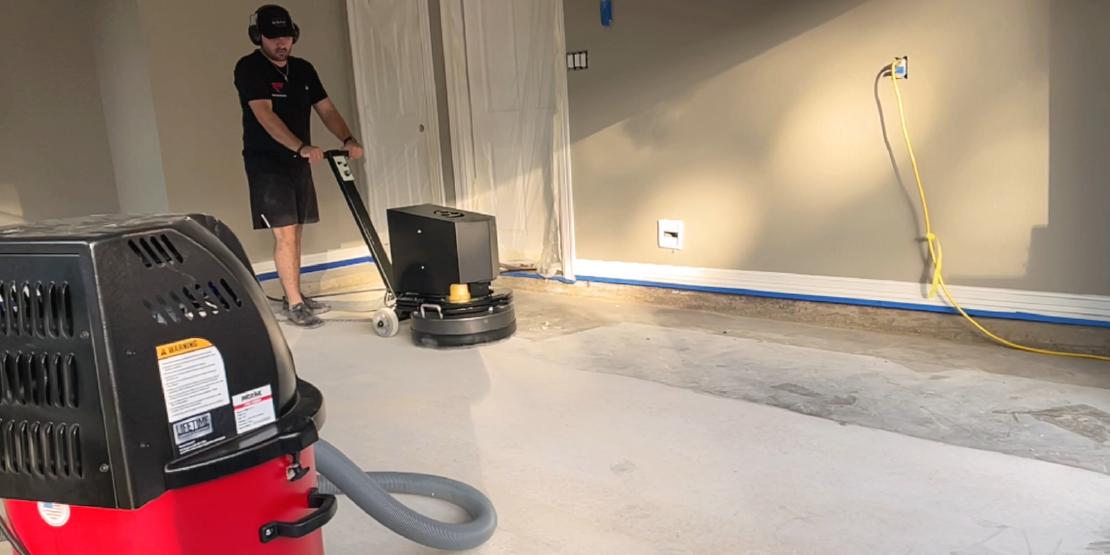
To maximize the efficacy of water-based coatings, preparation of the surface is vital. This could include cleaning, degreasing, or sanding to ensure an optimal bond between the coating and substrate. Subsequently, a primer is usually applied to further improve adhesion and to seal the substrate. It is crucial that the coating is applied evenly and dries within appropriate time frames to prevent defects. Ultimately, the application technique chosen depends on the specific job requirements and desired finish quality.
Maintaining and Caring for Water-Based Coatings
Water-based coatings have diverse advantages when it comes to maintenance and care. Their user-friendly attributes mean easy clean-up, less hassle during application, and longer-lasting finishes. Clean-up for tools and spots of accidental spillage requires only warm water and soap, as opposed to solvent-based coatings which require toxic cleaning agents. Long term maintenance, usually a significant feature in the lifecycle cost of a coating, is also reduced as water-based coatings demonstrate excellent resistance to weathering and the effects of UV radiation. Their enduring finish adds years to the life of painted or coated surfaces, reducing the frequency of reapplication.
Yet, while these coatings possess a robust nature, they are also vulnerable to certain conditions that could compromise their performance. For instance, despite their water-born composition, excess moisture or exceptionally high humidity during the application process could affect the integrity of the finish. Care should also be taken to avoid extreme temperatures. Water-based coatings need an environment between 10 to 32 °C for appropriate curing. Unnecessary contact with chemicals or abrasives should be minimized as well.
In sum, meticulous maintenance and mindful usage allow the water-based coatings to provide impressive durability, cost-effectiveness and long service life. To ensure the longevity and effectiveness of water-based coatings, here are some essential tips to follow:
• Always clean up tools and accidental spillages promptly. Use warm water and soap for this purpose. This not only prevents potential damage but also eliminates the need for harmful cleaning agents.
• Regularly inspect coated surfaces for signs of wear or damage. Early detection can prevent minor issues from escalating into major problems that require costly repairs or reapplication.
• Be mindful of environmental conditions during application. Avoid applying these coatings in areas with high humidity levels or extreme temperatures as it could affect the integrity of the finish.
• Ensure an optimal environment between 10 to 32 °C is maintained during curing process to achieve a robust finish.
• Minimize unnecessary contact with chemicals or abrasives as they might compromise the quality and durability of your coating.
By adhering to these guidelines, you can make sure your water-based coatings last longer while providing excellent resistance against weathering effects and UV radiation.
Innovations and Future Trends in Water-Based Coatings
In the realm of research and development, significant strides are being made to enhance the functionality and performance of water-based coatings. Novel technologies are being employed to increase their resistance to corrosion and abrasion, while reducing their susceptibility to cracking and chalking under different environmental conditions. Beyond their enhanced capabilities, scientists are also working on developing self-healing water-based coatings that will be able to autonomously repair microscopic damages, contributing to the coating’s extended longevity and overall performance.
Looking towards the future, it’s anticipated that the use of nano-technology will revolutionize water-based coatings industry. The use of nanomaterials, such as nano-titanium dioxide and silicon dioxide, have shown potential in providing UV resistance and self-cleaning properties to water-based coatings. Moreover, the inclusion of renewable resources like vegetable oils and bio-resins is seen as a probable avenue for future sustainability. Developments like these will provide more efficient, eco-friendly, and high-performance coatings, fulfilling the industrial, environmental, and end-user demands concurrently.
Case Studies: Success with Water-Based Coatings
Several industries have successfully transitioned to water-based coatings, boasting significant environmental and health benefits. In the automotive industry, for example, one leading company reported a 50% reduction in VOC emissions after switching from solvent-based to water-based paint systems. Equally compelling is their reported 40% drop in hazardous waste generation, demonstrating a definitive success for water-based coatings.
We also look at home improvement and construction sectors, where DIY enthusiasts and professional painters have equally embraced water-based products. Manufacturers have made a point to highlight the low odor and fast drying features of these products, greatly enhancing user experience. Furthermore, enhanced long-term durability of water-based coatings has also been reported, further justifying their overall success. There have also been cases of water-based coatings outperforming traditional solvent-based products in terms of gloss retention and color stability.
What are water-based coatings?
Water-based coatings are a type of paint or finish that employs water as a medium or solvent. It’s a safer, more environmentally friendly alternative to solvent-based coatings.
What is the composition of water-based coatings?
Water-based coatings are primarily composed of water, but they also contain other components like pigments, binders, and additives. The precise composition can vary depending on the specific type of coating and its intended use.
Why should I choose water-based coatings over solvent-based ones?
Water-based coatings are generally better for the environment and human health as they emit less harmful volatile organic compounds (VOCs). They also typically require less hazardous waste disposal and have better air quality effects than solvent-based coatings.
What is the environmental impact of water-based coatings?
Water-based coatings are less harmful to the environment than their solvent-based counterparts. They emit fewer VOCs and require less hazardous waste disposal, contributing to better air quality.
How do water-based coatings improve air quality?
Water-based coatings emit fewer VOCs than solvent-based coatings. VOCs can cause air pollution and poor indoor air quality. Therefore, by reducing VOC emissions, water-based coatings can help to improve air quality.
Are there health advantages of using water-based coatings?
Yes, since water-based coatings emit fewer VOCs, they pose less risk to human health. Exposure to high levels of VOCs can lead to a range of health effects, from eye, nose, and throat irritation to central nervous system damage and cancer.
Are water-based coatings cost-effective?
Yes, water-based coatings can be cost-effective. Though they may have a higher upfront cost, they typically require less hazardous waste disposal and can lead to health cost savings.
How versatile are water-based coatings?
Water-based coatings are highly versatile. They can be used in a variety of applications, from residential and commercial painting to industrial finishes.
What are some techniques for applying water-based coatings?
Water-based coatings can be applied using a variety of techniques, including brushing, rolling, spraying and dipping.
How should I care for water-based coatings?
Maintaining water-based coatings typically involves regular cleaning and occasional re-coating. It’s also important to protect the coated surface from damage and harsh environmental conditions.
What are some innovations in water-based coatings?
Innovations in water-based coatings are continuously being developed, such as improved durability, faster drying times, and lower VOC emissions. There are also advancements in the formulation of water-based coatings to enhance their performance in specific applications.
Can you provide some examples of successful uses of water-based coatings?
The article features several case studies demonstrating the success of water-based coatings in various sectors, including residential, commercial, and industrial applications. These cases illustrate the benefits of water-based coatings in terms of environmental impact, health, cost-effectiveness, and performance.