
The Best Times of Year to Apply Garage Floor Coatings
Understanding Garage Floor Coatings
Garage floor coatings serve a dual purpose of enhancing the visual appeal and increasing the durability of your garage floors. A variety of options are available, such as epoxy, polyurea, polyaspartic, and acrylic sealers, each offering distinct benefits. These coatings not only protect your garage floor from oil spills, chemicals, and hot tire pick up, but they also reduce dust and are easy to maintain.
The overall longevity and effectiveness of these coatings can largely depend on correct application and ideal environmental conditions. Timing of application, temperature, and humidity can greatly influence the final result. If applied properly under the right circumstances, a well-selected and properly maintained garage floor coating can add immense value to your property and extend the life of your garage floor for many years.
Importance of Timing in Garage Floor Coating Application
Proper timing in the application of garage floor coatings is paramount to its success and longevity. It plays a significant role in ensuring that the coating adheres well to the surface, minimizes defects or peeling, and achieves optimal durability. Failed flooring jobs are frequently attributed to bad timing, with professionals noting that this aspect determines the perfect mixture, cure rate, and finish of the coating.
Various factors contribute to this critical timing sequence. The primary parameters include the temperature and humidity levels during application and curing time. Applying the coating during the recommended temperature and humidity range ensures that the curing process occurs at the desired pace, which in turn promotes its solidification and contributes to the coating’s resistance against chipping, peeling, and other forms of damage. Thus, acknowledging the importance of timing in the application of garage floor coatings can lead to a high-quality, durable finish.
Weather Conditions and Garage Floor Coating
While applying a garage floor coating, the role of weather is often underestimated. It is, however, a crucial determinant in the overall success and the longevity of the application. The timing of the application, ambient temperature, humidity levels, and various other atmospheric conditions can significantly impact the curing process and the final result.
Ambient temperature affects the drying time and the ease of application of most garage floor coatings. Coatings applied in colder temperatures may not cure properly, leading to peeling and chipping. On the other hand, higher temperatures may cause the coating to dry too quickly, resulting in uneven application or appearance. Humidity also plays a part in how garage floor coatings cure. High humidity can slow down the curing process and can even prevent the coating from adhering properly to the garage floor, causing durability issues in the future.
Ideal Temperature Range for Garage Floor Coating
When it comes to applying a garage floor coating, managing temperature is pivotal for a successful outcome. The coating substance—whether epoxy, polyurethane, or any other material—reacts distinctively to various temperature levels. Typically, the ambient temperature should be within the range of 60°F to 85°F for the substance to adhere optimally to the floor. High-end products may expand this range slightly, but this is the general realm in which most domestic garage floor coatings behave predictably.
On the other hand, the floor’s temperature is equally important to consider. More than often, the floor maintains a different level of warmth or coldness relative to the air above it. Concrete, in specific, retains coolness for a more extended period. Thus, an ideal floor temperature should also sit squarely in the 60°F to 85°F category. Ignoring this aspect may lead to difficulties in the application process and the coating’s longevity after application. This is why monitoring both air and floor temperatures is utterly crucial before embarking on a garage floor coating endeavor.
How Humidity Affects Garage Floor Coating Application
Humidity has a significant impact on the process of garage floor coating application. When high levels of moisture are present in the air, the curing and drying times for garage floor coatings can be drastically elongated. This often results in the need for extended ventilation periods, and could potentially delay project completion. It is vital that humidity levels are checked prior to executing any coating application, to ensure that it falls within the recommended window.
Moisture in the air can also lead to other complications that jeopardize the integrity of the garage floor coating. High humidity can contribute to the development of bubbles and other surface imperfections in the coating. In extreme cases, it could even prevent proper adhesion of the coating to the garage floor. Hence, understanding and controlling humidity levels is crucial for a successful garage floor coating application.
Analyzing Seasonal Factors for Garage Floor Coating
Garage floor coating application requires careful planning and favourable weather conditions. Seasonal factors play a significant role in determining the success of the task. In ideal conditions, the coating process can result in a durable, stain-resistant surface that not only enhances the aesthetics of your space but also extends the life of the concrete beneath. On the other hand, the wrong conditions can lead to peeling, flaking, or a patchy appearance that may require expensive repairs.
Among the different seasons, winter is the most challenging time for garage floor coating due to low temperatures and high humidity. Both these factors can negatively affect the curing process, causing the coating to remain tacky or not set properly. Similarly, summer presents its own set of problems with high temperatures leading to rapid drying and potential for bubbles or blisters. Spring and fall typically offer the best conditions, with moderate temperatures and humidity levels that can support a smooth and successful coating process. However, each season comes with its own unique considerations that must be taken into account to ensure optimal results.
Why Spring is a Good Time for Garage Floor Coating
There are several compelling reasons to consider the spring season as a preferable time for garage floor coating application. Firstly, the weather during the spring seasons typically provides a favorable balance between temperature and humidity. These stable conditions translate into better control over the curing process, ensuring the coating dries evenly and adheres more effectively to the surface.
In addition, the post-winter period means potential damage from the cold and damp season can be addressed in a timely manner. This opportunity for refreshing your garage floor also coincides with the wider trend for spring cleaning, bundling home improvement activities together at a time when many feel energized and eager to renew their surroundings. Statement like these exemplify how the timing of your garage floor coating application can be an essential factor in determining the overall success of your project.
Applying Garage Floor Coating in Summer: Pros and Cons
One of the most significant advantages of applying garage floor coating in summer is the consistently warm weather. This warmth helps in quicker and more efficient curing of the coating, resulting in a much tougher and durable finish. In addition, summer’s longer daylight hours afford homeowners more flexibility in scheduling the application. The drying process also benefits from this naturally lighted environment, promoting a smoother and more uniform finish.
On the other hand, the high temperatures and humidity in summer can pose challenges. Intense heat can cause the coating substances to become overly viscous, making it difficult to achieve an even spread. Similarly, high humidity levels may interfere with the curing process, potentially leading to flaws in the coating, such as blistering or discoloration. Lastly, the summer season often comes with unexpected rainfall, which, if not properly planned for, can disrupt the application process and compromise the quality of the garage floor coating.
Garage Floor Coating in Fall: What to Consider
As the leaves start their dramatic color change during the fall season, this might seem like an ideal time to apply garage floor coating. Moderate temperatures and generally dry weather may seem ideal for the process. Yet, it’s essential to keep in mind the potential pitfalls of this decision and plan accordingly. Condensation, a common occurrence during crisp fall mornings, could impede the correct application process, potentially leading to a compromised floor coating. Moreover, the shorter daylight hours could affect the time needed for the garage floor coating to cure adequately.
From the standpoint of temperature consistency, fall can be quite unpredictable. While daytime temperatures may appear suitable for garage floor coating, nighttime temperatures often drop significantly potentially leading to developing problems with the curing process. Thus, coating your garage floor under fluctuating temperatures requires a deep understanding of the products you are using and their respective temperature ratings. It also necessitates pinpoint planning to ensure the coating is applied and provided ample time to dry before temperatures plunge down. The uncertainty of weather conditions during fall underscores the importance of thorough preparation and planning for garage floor coating projects.
Challenges of Garage Floor Coating in Winter
Applying a garage floor coating during the winter season presents numerous challenges. First and foremost, the low temperatures can significantly affect the curing process of the floor coating. Most epoxy and polyurethane floor coatings require an ideal temperature range between 60 and 85 degrees Fahrenheit to cure properly. When applied in cold conditions, they become more viscous, which not only makes them harder to work with but can also result in a less attractive and less effective coating.
Another key issue in winter is high humidity, which often coincides with the colder months in many regions. Even if the temperature in the garage is kept within the ideal range with heating, the high humidity can cause the coating to blush, a condition where a whitish, waxy layer forms on the surface of the coating, marring its appearance and potentially affecting its durability. Furthermore, cold weather can lengthen the curing time of the coating, delaying the duration before you can use your garage again after the application, which can be particularly inconvenient during the busy holiday season.
How to Prepare for Garage Floor Coating Any Time of the Year
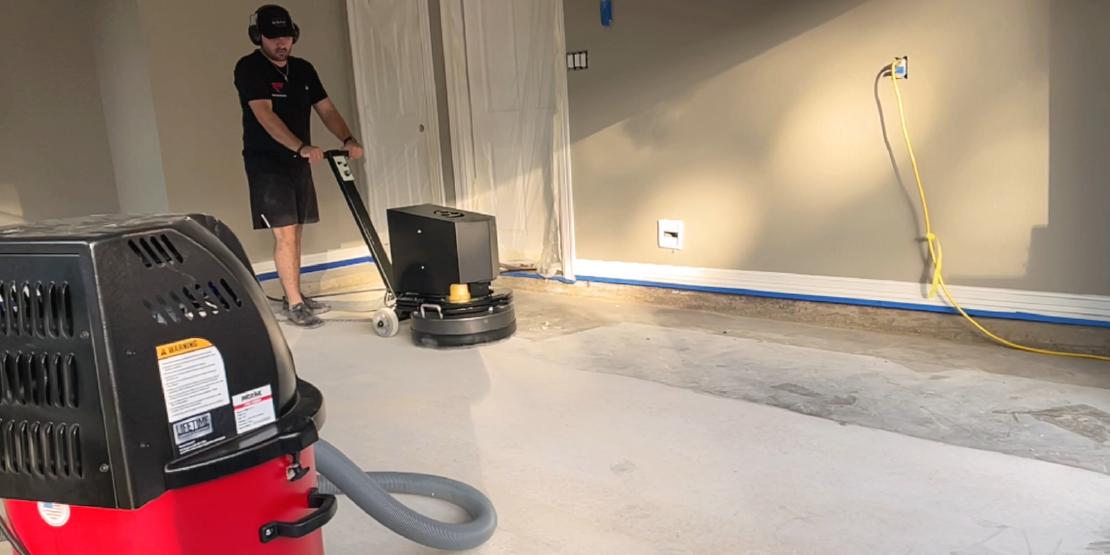
One of the crucial steps in preparing your garage floor for coating is ensuring the surface is clean and free of irregularities. It’s advisable to conduct a thorough sweep of the entire space, targeting debris and dust buildup. Grit and grime can be removed using a power washer or stiff-bristled broom, working in small, manageable sections. An industrial strength de-greaser is also essential for eliminating oil spots to promote optimal adhesion of the coating.
Performing a moisture test on the concrete floor is another important aspect of preparation. This process involves taping a small plastic sheet to the floor and waiting for approximately 24 hours. If condensation forms beneath the plastic, it indicates that moisture levels might be too high for effective coating. Addressing dampness issues before you apply the garage floor coating can prevent a host of potential problems down the road, including blistering and peeling.
Tips for Successful Garage Floor Coating Application
Timing is your best friend when it comes to applying a garage floor coating. It’s crucial to avoid rushing the process, from pre-application preparation to the actual coating application and the drying stage. The concrete floor should be thoroughly cleaned and free of existing sealants or coatings. Any cracks or crevices must also be filled in and smoothed out to ensure a smooth, flat surface upon which the coating can correctly adhere. This stage is critical because the coating’s adhesion and longevity depend heavily on the condition of the floor beforehand.
Once the preparation phase is complete, carefully select the type of coating suitable for your floor and your specific needs. There are different types, including epoxy and polyurea. They have different qualities, for instance, epoxy is known for its longevity, while polyurea is famed for its superior resistance to abrasions, extreme temperatures, and UV rays. The coating should be applied in suitable weather conditions, ideally when temperatures are between 50 to 80 degrees Fahrenheit and humidity is low. These factors can significantly impact the curing time and the end result of your garage floor coating.
Remember, a successful garage floor coated surface isn’t achieved merely by applying the coating but by considering various factors including proper preparation, ideal atmospheric conditions, and choosing the right type of coating. In conclusion, here are some essential tips for a successful garage floor coating application:
• Timing is crucial: Avoid rushing the process from preparation to drying stage. The better prepared and timed your application process is, the more durable and long-lasting your coating will be.
• Prepare the concrete floor: This involves thorough cleaning and removal of existing sealants or coatings. Fill in any cracks or crevices to ensure a smooth surface for proper adhesion of the new coating.
• Choose wisely: Select the type of coating that best suits your needs. Consider factors such as longevity (epoxy) versus resistance to abrasions, extreme temperatures, and UV rays (polyurea).
• Ideal weather conditions: Apply the coating when temperatures are between 50-80 degrees Fahrenheit and humidity levels are low. Weather conditions can significantly impact curing time and final results.
Remember, achieving a successfully coated garage floor isn’t just about applying the product; it’s also about careful planning, suitable atmospheric conditions, diligent preparation work on your concrete floor before you start with its application, choosing an appropriate type of flooring material based on specific requirements/preferences etc.
Maintaining Your Garage Floor Coating After Application
Maintaining the luster and appearance of your garage floor coating demands regular cleaning and proper care. Spills should be cleaned immediately using a soft cloth or sponge, while more persistent stains may necessitate the use of a mild detergent. It is crucial to avoid abrasive cleaning products, as they can damage or dull the finish. Dust and debris can be conveniently removed using a soft indoor broom or a vacuum cleaner designed for hard surfaces.
In addition to regular cleaning, garage floor coatings benefit from periodic ‘resealing’ to further enhance their durability. This involves applying a new layer of sealant or coating to provide an additional line of defense against potential damage. High-traffic areas may require resealing more frequently than those less often tread upon. Beyond these measures, it’s advisable to avoid dropping sharp or heavy objects on the coated floor as it may induce chips or cracks.
What are garage floor coatings?
Garage floor coatings are protective layers applied to garage floors to ensure their durability, resistance to damage, and aesthetic appeal. They often come in various materials and finishes, including epoxy, polyurea, and others.
Why is timing crucial in garage floor coating application?
Timing is essential because conditions like temperature and humidity can significantly impact the application process, drying time, and overall durability of the garage floor coating.
How does weather affect the application and maintenance of garage floor coatings?
Weather conditions can affect the drying time, adhesion, and durability of the coating. Extreme temperatures and high humidity can lead to cracks, bubbles, and other defects in the coating.
What is the ideal temperature range for garage floor coating application?
The ideal temperature range for most garage floor coatings is between 60 and 85 degrees Fahrenheit. However, always check the manufacturer’s recommendations as it might differ from product to product.
How does humidity impact the garage floor coating application?
High levels of humidity can slow down the drying process and cause issues like cloudiness or blushing. It can also lead to condensation on the floor, which could prevent the coating from adhering properly.
Why is spring considered a good time for garage floor coating?
Spring typically offers moderate temperatures and lower humidity levels, making it an excellent time for garage floor coating. The mild conditions facilitate proper application and curing of the coating.
Are there any disadvantages to applying garage floor coating in summer?
Yes, high heat and humidity in summer can cause the coating to dry too quickly, preventing it from properly bonding to the concrete. It can also lead to issues like cloudiness, blushing, or bubbling.
How can I prepare my garage floor for coating application?
Preparation involves cleaning the floor to remove dirt, grease, and existing coatings, followed by repairing any cracks or damages. It’s also important to test the moisture levels and ensure the temperature and humidity conditions are appropriate.
What are some tips for a successful garage floor coating application?
Tips include proper preparation of the floor, choosing the right coating product, applying it correctly, and allowing it to cure properly before use. Also, remember to follow the manufacturer’s instructions and consider the weather conditions during application.
How can I maintain my garage floor coating after application?
Maintenance involves regular cleaning to remove dirt and spills, periodic re-coating if necessary, and avoiding activities that can damage the coating, such as dragging heavy machinery or equipment across the floor. Regular inspections for wear and tear can also help maintain the coating’s longevity.