
The Best Types of Coatings for Durability and Longevity
Understanding Coating Durability and Longevity
Defining coating durability and longevity essentially deals with how well a particular type of coating stands up to harsh environments, heavy use, and the passage of time. Key performance indicators for durability include abrasion and impact resistance, adhesion strength, corrosive resistance and flexibility. High durability ensures that the coating remains effective even in demanding circumstances, continuing to offer protection for the underlying surface.
Longevity, on the other hand, speaks of the lifespan of a coating and focuses on its ability to perform its intended function over a prolonged period of time. Factors affecting the longevity include not only the intrinsic quality and properties of the coating material, but also external elements such as the environment, usage patterns, and maintenance practices. Choosing a long-lasting coating reduces the frequency of re-application, thereby saving on cost and effort, while offering uninterrupted protection to the surface it is intended to cover. In understanding coating durability and longevity, there are several key points to consider:
• Durability refers to the ability of a coating to withstand harsh environments, heavy use, and time. It is determined by factors such as: ◦ Abrasion resistance: This indicates how well the coating can resist wear and tear. ◦ Impact resistance: This measures how much force or shock the coating can absorb before cracking or peeling. ◦ Adhesion strength: This is about how strongly the coating bonds with the surface it’s applied on. ◦ Corrosive resistance: This shows whether a material can withstand corrosion from environmental elements like water, air, acid etc. ◦ Flexibility: A flexible coating can bend without breaking or cracking.
• Longevity is concerned with how long a particular type of coating will last. Key factors influencing longevity include: ◦ The inherent quality of the material used in making the coat ◦ External elements such as environment conditions (temperature fluctuations, humidity levels), usage patterns (frequency/intensity of use) ◦ Maintenance practices – regular cleaning and upkeep enhance longevity
Choosing durable coatings that also offer long-lasting protection has multiple benefits:
• These types minimize re-application needs - this saves both cost and effort • They provide continuous protection for surfaces against damage from external influences • High-quality coatings improve aesthetics while maintaining their functionality over time
Key Factors Determining Coating Durability
Several factors play a critical role in determining the durability of a coating. The first significant aspect is the type of material used. Polyurethane, epoxy, ceramic, acrylic, metal coatings, powder coatings, and glass flake coatings offer varying degrees of durability. Each of these materials possess unique characteristics with a specific resistance to corrosive substances, heat, cold, and mechanical impacts. Polyurethane and epoxy coatings, known for their hard-wearing properties, are frequently used in environments with high levels of mechanical stress.
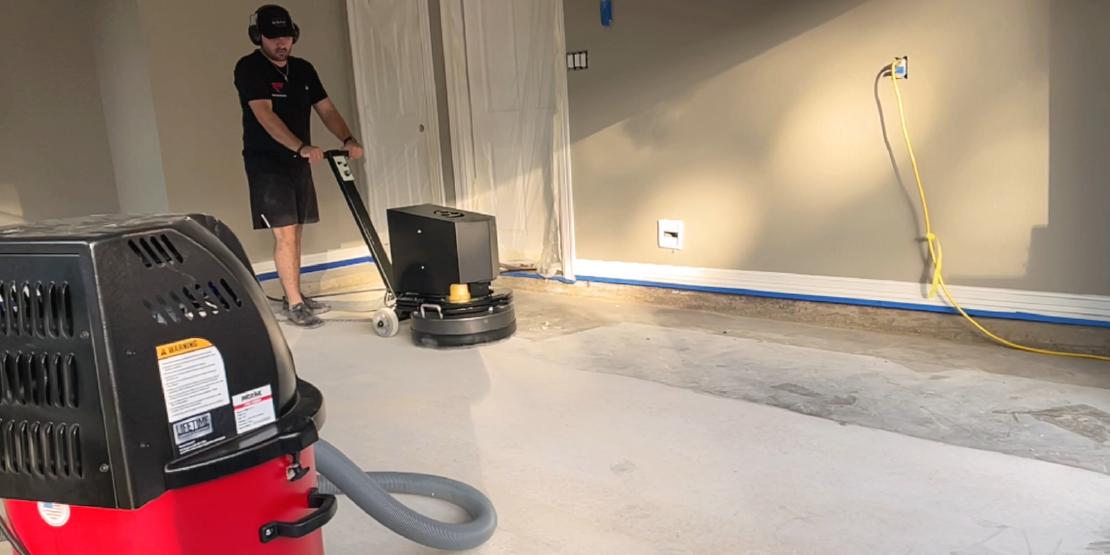
Another crucial factor is coating preparation and application. The surface to be coated must be thoroughly cleaned before application and free from dust, grease, and rust. Inadequate preparation can lead to adhesion problems or a shorter life span for the finish. The application process needs to be precise too, with the right number of layers applied at the correct thickness. Incorrect application can lead to an array of issues such as blistering, chalking, peeling, or early wear and tear. Thus, to obtain a durable and long-lasting coating, the type of coating material, preparation, and application method are paramount.
Importance of Long-lasting Coatings
Long-lasting coatings play a crucial role across various sectors ranging from building construction and motor vehicles to domestic appliances and aerospace. They provide a protective layer to materials preventing them from corrosion, weathering, and other external damaging factors. These additives enhance the material’s resistance to scratches, chemicals, heat, and ultraviolet radiation. This, in turn, heightens safety standards, reduces maintenance costs, and prolongs the overall lifespan of the product or structure.
Choose wisely when selecting a coating. Beyond protection, these materials infuse aesthetic appeal in the applied objects, contributing towards retaining their vibrancy and shine for an extended period. Consider factors like the environment in which the product operates, the type of material it needs to coat, and the degree of exposure it has to stress. With the right long-lasting coating, significant cost savings can accrue over time, leading to sustainable and efficient operations.
Polyurethane Coatings: An Overview
Polyurethane coatings are becoming increasingly popular in a wide range of industries due to their exceptional durability and aesthetic flexibility. Developed in the mid-20th century, these coatings comprise numerous forms of polymeric materials that enhance the durability and appearance of surfaces. While commonly applied to floors, furniture, and automotive parts, these coatings also serve to protect substrates against wear, tear, and weather conditions.
A significant feature of polyurethane coatings is their versatility in both application and finish. They can be applied to almost any type of surface, including metal, wood, plastic, and even textiles. Furthermore, they can be tailored to offer a variety of finishes, from glossy to satin, and even matte. Consequently, polyurethane coatings are not just limited to providing protection; they are also instrumental in augmenting the aesthetic appeal of the coated surfaces. Moreover, high-performance polyurethane coatings possess chemical and UV resistance, ensuring that the underlying surfaces retain their condition and color over extended periods.
Epoxy Coating: A Reliable Choice
Epoxy coatings are renowned for their ability to create a robust, resilient surface, delivering exceptional resistance to wear and tear. This type of coating boasts superior chemical resistance and retains its integrity even when exposed to corrosive substances. Frequently applied to floors in industrial settings or heavy traffic areas, epoxy coatings stand up to harsh, demanding environments, making them a reliable choice for preserving the condition of the coated surface.
The beneficial properties of epoxy coatings are not limited to durability and resistance. These coatings exhibit excellent adhesion capabilities, leading to a strong bond with substrate materials. Apart from that, epoxy coatings display boundless versatility; they can be modified to enhance certain properties or introduce additional ones. This quality allows for the tailoring of epoxy coatings to meet specific performance requirements, augmenting their reliability in diverse applications.
Ceramic Coatings and Their Benefits
The versatile nature of ceramic coatings has catapulted them to the forefront of various industries, from automotive and construction to electrical and aerospace. Renowned for their outstanding resistance to heat, corrosion, and electrical conductivity, these coatings provide a formidable shield for equipment frequently exposed to extreme conditions. Their thermal stability, high hardness, and excellent wear-resistance characteristics make them a preferred choice among coating options.
One salient advantage of integrating ceramic coatings is the potential for a significant improvement in equipment life. This is paramount from a financial perspective as it can reduce maintenance costs and limit equipment downtime. Furthermore, the unique aesthetic qualities of ceramic coatings, featuring a broad array of colors and glossy finishes, give them a competitive edge. Their ease of cleaning contributes to improved equipment hygiene, drastically reducing potential contamination risks in sensitive industries such as food processing and pharmaceuticals.
Acrylic Coatings: A cost-effective option
Acrylic coatings are renowned for their cost-effectiveness in the vast world of protective coatings. These high-performing sealants are an economical choice for numerous industries due to their impressive durability and resilience, despite being priced lower than other industrial-grade coatings. They provide protection against weather elements, rust, and mildew, while offering strength and color retention for extended periods. The affordability of acrylic coatings does not diminish their quality, making them a popular choice amongst buyers seeking a balance between budget restrictions and quality demands.
Acrylic coatings stand out not only for their affordability, but also their exceptional versatility in application. They work well on various surfaces including metal, concrete, and wood, ensuring a robust shield without the necessity for extensive surface preparation. The lightweight feel coupled with their quick-drying feature, adds to their overall appeal, fitting well within fast-paced industrial processes. Despite being on the lower end of the cost spectrum, acrylic coatings truly exemplify efficient protection without compromising on function or aesthetics.
Long-Lasting Metal Coatings: A Discussion
Metal coatings play a pivotal role in industries ranging from construction to electronics due to their ability to provide superior protection from factors like corrosion, wear and tear, and UV radiation. These coatings, particularly those that are long-lasting, have specific formulations designed to enhance performance and durability. It’s important to note that long-lasting doesn’t necessarily mean ’lifetime’; rather, these coatings offer an extended lifespan compared to conventional coatings while still requiring occasional upkeep.
Long-lasting metal coatings are available in various types, each with its unique distinguishing qualities. Epoxy coatings, for instance, offer excellent adhesion and corrosion resistance; polyurethane coatings are celebrated for their excellent gloss and color retention; and ceramic coatings are renowned for their thermal resistance and hardness. The selection of a coating type depends significantly on the intended application and the environment in which the coated metal will be used. Successful application often results in reduced maintenance cost and improved material longevity.
Exploring the Durability of Powder Coatings
Powder coating’s durability is greatly influenced by its unique formulation, process, and application method. This type of coating combines polymer resins, curatives, leveling agents, pigments, and other additives, baked into a high-quality finish under stringent temperature conditions. The resultant coating is highly resistant to scratches, chipping, abrasions, and corrosion, making it an exceedingly resilient choice for a multitude of applications. Additionally, it provides an added advantage of retaining its sheen for longer durations, compared to traditional liquid coatings.
UV stability and thickness also play a substantial role in determining the longevity of powder coatings. Thicker layers of coating invariably confer higher resistance to environmental factors, wear and tear, thereby extending the lifespan of the coated surface. Furthermore, powder coatings with superior UV stability stand up better to sun exposure, helping retain color and gloss over time. Thus, understanding these factors can prove instrumental in selecting the right powder coating and optimizing its durability for specific use-cases.
Glass Flake Coatings: An Excellent Choice for Corrosion Resistance
Glass flake coatings are specifically engineered to offer superior protection against corrosion. These unique, high-performance coatings contain microscopic flakes of glass, which function as a barrier against environmental elements. The minute glass flakes lie flat and overlap each other on the surface of the material, forming a tightly interlocked network of protection. The tight configuration of the glass flakes results in a coating with minimal porosity, making it almost impervious to water and other corrosive substances.
Over the years, industries such as oil and gas, marine, and construction have widely adopted the use of glass flake coatings. This is due to their exceptional durability, longevity, and resistance to chemical attacks. In particular, these coatings are known to drastically reduce the rate of corrosion on metal structures, even in highly acidic or alkali environments. Beyond their anti-corrosion properties, glass flake coatings are also applauded for their excellent adhesion and abrasion resistance, which further enhances their durability.
Choosing the Right Coating for Different Surfaces
The success of any coating application rest heavily on the inherent compatibility between the coating type and the surface in question. Each surface variety, be it metal, wood, or concrete, possess unique characteristics that can affect the adhesion, finish, and lifespan of a coating. For example, wood surfaces often require coatings that cater to their porous nature, while metal surfaces need coatings that can effectively resist rust and corrosion. Therefore, understanding the properties of the surface is key when determining the right coating.
The market today offers a plethora of coating types, each specially tailored to cater to the demands of different surface types. Epoxy coatings, known for their high durability and resistance to water and chemicals, are particularly suitable for surfaces needing excellent strength and resistance, such as industrial floors and walls. On the other hand, acrylic coatings, due to their affordability and resistance to UV rays and weather, prove to be a popular choice for exterior wall surfaces. Similarly, polyurethane coatings can provide excellent versatility, making them suitable for a wide array of surface types. It’s crucial to remember that the choice of coating should always serve the requirements of the surface, balancing both functional needs and aesthetic appeal.
Maintaining Coating Durability and Longevity
Surface coatings provide an essential barrier against the harmful effects of environmental factors, extending the lifespan and improving the appearance of various materials. Yet for all their resilience, maintaining this durability and longevity requires consistent and appropriate care. Regular and correct upkeep can enhance coating performance, not just in terms of longevity, but also in aesthetics and function. This includes cleanliness, avoiding abrasion, monitoring temperature and humidity levels, and inspecting for any defects or damage.
The type of maintenance required often depends on the type of coating applied and the environmental conditions to which it is exposed. Polyurethane coatings, known for their resistance to extreme weather conditions, generally need less care. On the other hand, acrylic coatings, while cost-effective, require more frequent attention due to their susceptibility to cracking and chalking. Therefore, understanding the specific requirement of each coating and employing the right maintenance measures can greatly contribute to their durability and longevity.
Advanced Coating Technologies for Improved Durability and Longevity
Advancements in coating technologies have triggered a significant improvement in coating durability and longevity. Incorporating various attributes like resistance to corrosion, extreme temperature handling, along with ultraviolet and chemical resistance, these innovations have revolutionized traditional coating methods. Nanotechnology plays a vital role in these advancements, allowing for the creation of coatings with enhanced mechanical strength and increased lifespan. Enhancements like self-healing feature and smart coatings also add significantly to the endurance and lifespan preservation of the coated surfaces.
High-performance polymeric coatings are another revolutionary advancement. These coatings, formulated with epoxy, polyurethane, or silicone, exhibit excellent adhesion, chemical resistance, and durability. Another promising technology is the development of glass flake coatings with extraordinary corrosion resistance and superior mechanical properties. Lastly, the introduction of waterborne coatings and powder coatings has eradicated the use of harmful solvents, making the coating process eco-friendly, while ensuring a robust and long-lasting finish. Notwithstanding these advancements, continuous research is necessary to further optimize coating processes and formulate effective solutions for durability and longevity.
What factors contribute to the durability of a coating?
The durability of a coating can be affected by numerous factors which include the type of coating used, the quality of the surface preparation, the environment where the coated item is stored, and the maintenance procedures followed.
Why are long-lasting coatings important?
Long-lasting coatings are crucial as they provide extended protection to the underlying materials against environmental degradation, corrosion, wear, and tear. They also enhance the aesthetic appeal of materials, reduce maintenance costs, and improve the lifespan of goods.
What are the advantages of polyurethane coatings?
Polyurethane coatings are known for their exceptional durability, resistance to abrasion, flexibility, and superior finish. They can also withstand high levels of mechanical stress, making them ideal for various applications.
How reliable is epoxy coating?
Epoxy coatings are highly reliable and widely used due to their excellent adhesion, chemical and heat resistance, and remarkable durability. They also provide a high gloss finish and are easy to clean.
Can you explain the benefits of ceramic coatings?
Ceramic coatings offer numerous benefits such as excellent heat resistance, superior hardness, and high corrosion resistance. They also provide lasting durability and can enhance the aesthetic appeal of the coated surface.
Are acrylic coatings cost-effective?
Yes, acrylic coatings are generally cost-effective. They also provide good color retention, resist chalking, and offer exceptional transparency. Their fast-drying nature makes them a popular choice for many applications.
How durable are powder coatings?
Powder coatings are known for their high durability. They provide a thick, uniform finish that resists chipping and scratching, protects against UV damage, and can withstand harsh weather conditions.
What is the significance of glass flake coatings?
Glass flake coatings are particularly useful in providing excellent corrosion resistance. They create a dense, impermeable barrier that protects the underlying material from aggressive chemicals and environmental stresses.
How can I choose the right coating for different surfaces?
To choose the right coating, you need to consider the type of surface, its expected use, exposure conditions, and the specific requirements of the coating such as durability, resistance properties, and aesthetics.
How can the durability and longevity of coatings be maintained?
Regular inspection, cleaning, and maintenance, as well as exposure control, can help maintain the durability and longevity of coatings. It’s also essential to follow the coating manufacturer’s maintenance recommendations.
What are some advanced coating technologies that improve durability and longevity?
Several advanced coating technologies can enhance durability and longevity. These include nanotechnology-based coatings, smart coatings that respond to environmental changes, and high-performance coatings designed specifically for harsh conditions.