
The Cost of Repairing vs. Replacing Floor Coatings
Understanding Floor Coatings
Floor coatings are an integral part of interior design, enhancing both the aesthetic appeal and functionality of spaces. Think of them as a protective film, offering a layer of strength over the concrete substrate that guards against daily wear and tear. Typically, these coatings contribute to the longevity of floors, offering resistance against abrasion, chemicals, and heavy traffic. Furthermore, their role in maintaining an uncompromised surface level is crucial to the safety of an environment, preventing slip hazards and accumulation of harmful bacteria over time.
However, the benefits that these floor coatings offer depend largely on the type of coating being used. Epoxy, urethane, and acrylic are just a few examples of the wide variety available to choose from. Each type caters to different needs and environments, featuring unique attributes and performance traits. As such, understanding the major types and their specific uses can greatly assist decision-making, ensuring that the chosen coating fits perfectly with the floor requirements of any given location.
Different Types of Floor Coatings
Epoxy coatings reign supreme when it comes to the most popular types of floor coatings. Renowned for its superior resistance to damage and longevity, this type of coating creates a glossy, attractive finish that is easy to clean and maintain. Its high resistance to chemicals, heat, and wear make it an excellent choice for areas that experience heavy traffic or exposure to adverse conditions. Furthermore, epoxy coatings can be combined with materials such as quartz to create anti-slip surfaces.
On the other hand, polyurethane coatings offer competitive features which make them a market favorite as well. Designed to give floors a seamless, sleek appearance, polyurethane provides excellent resistance to chemical spills, makes it an ideal choice for industrial settings. In contrast to epoxy, polyurethane floor coatings withstand UV radiation better, which prevents them from yellowing over time. Additionally, polyurethane coatings have a quicker curing time than epoxy, allowing areas to be put back into use faster after coating application.
Common Issues with Floor Coatings
Floor coatings play a crucial role in maintaining the aesthetic appeal and durability of floors. Despite their importance, they often encounter several issues that compromise their effectiveness. These problems could arise from various factors, such as incorrect application methods, poor quality materials, or even unavoidable wear and tear over time. The type of issue can profoundly impact the functionality and lifespan of the coating, hence, proving to be a significant concern for homeowners and businesses.
Delamination is one such issue that adversely affects floor coatings. This occurs when the coating peels, flakes, or separates from the substrate, often due to inadequate surface preparation or environmental factors like moisture and temperature changes. Another common problem is blistering, characterized by the appearance of bumps, bubbles, or swollen spots on the surface, typically caused by trapped air, moisture, or contaminants under the coating. Discoloration, uneven texture, and cracking are other frequently observed issues which can be attributed to factors such as excessive sunlight exposure, improper application, and use of low-quality materials. Understanding these problems is the first step towards effective and timely resolution, ensuring the longevity and appearance of your floor coatings.
Signs That Your Floor Coating Needs Attention
Early detection is crucial when it comes to maintaining the quality and durability of floor coatings. Various signs can alert you to the fact that your floor coating needs attention. The most unmistakable is usually the appearance of discoloration and fading. These are often signs of wear and tear or the impact of UV rays if the coating is frequently exposed to direct sunlight. Cracking, peeling and flaking of the floor coating also indicate that something is amiss. These signs point towards a loss of adhesion between the floor and the coating, most often triggered by poor application or external factors like high levels of humidity.
In places where the floor endures high levels of foot traffic, you may notice signs of wear sooner. Unusual patterns of wear or depressions in the floor surface commonly point towards an issue with the floor coating. Other signs of damage include chipping at the corners or edges of the floor surface, gross stains that are challenging to remove, and scratches that expose the underlying floor material. Lastly, a dull sheen, rather than a glossy finish, often signifies that your floor coating needs attention and subsequent treatment to regain its initial glory.
Assessing Damage to Floor Coatings
To adequately assess damage to your floor coatings, there are several key indicators to look out for. The primary sign is the visible degradation of the floor’s surface, which may include peeling, chipping, or cracking. Additionally, discoloration or fading of the coating might indicate underlying issues. Sometimes, excessive wear in high traffic areas or unexplained dust accumulation may also warrant a closer examination.
Investigating the extent of damage involves more than just a visual inspection. A professional will often proceed with a thorough check, utilizing specialized tools, to determine the precise nature and scope of the issue. They will take into close account areas subjected to heavy use or those that may have been exposed to chemical spills. Through this exhaustive process, an accurate assessment of your floor coatings’ condition can be ascertained, laying a foundation for the subsequent repair or replacement decisions.
Detailed Process of Repairing Floor Coatings
Before embarking on any repair journey, a thorough-as-possible inspection of the damaged area is integral. It identifies the extent of the damage and provides insight into what type of repair method is suitable. Once clear on the damage, the first step in the repair process generally includes a rigorous cleaning of the floor. The goal is to remove any existing debris or contaminants that may interfere with the repair.
Following cleaning, the next step often involves breaking up or grinding out the damaged coating. This step, although labor-intensive, ensures a fresh and clean base for the new coating to adhere properly. The repair work is completed by the application of the new coating. Depending upon the type and extent of the damage, more than one layer may be required for optimal effect. The coating should be given sufficient time to cure before the floor can be returned to use. This ensures a seal that is durable, strong, and ready for use.
Expense Involved in Repairing Floor Coatings
The financial aspect of repairing a damaged floor coating is something that should be evaluated seriously. Costs can be different based on the severity of the issue at hand, the type of coating that needs to be fixed, and the overall area of the floor to be repaired. For instance, epoxy floor coatings, regarded for their durability and visual appeal, might have a higher repair cost due to the specific materials and specialized labor required.
There are also the hidden costs of repair work that one should take into consideration such as disruption of regular activities, potential downtime in commercial spaces, and the painstaking task of moving furniture or machines to facilitate the repair process. It’s also worthwhile to remember that certain floor coatings may require a maintenance schedule which can add to the overall expenses in the longer run. From payed inspections to scheduled refurbishments, these recurring costs are part and parcel of the overall expense of repairing floor coatings.
Understanding the Process of Replacing Floor Coatings
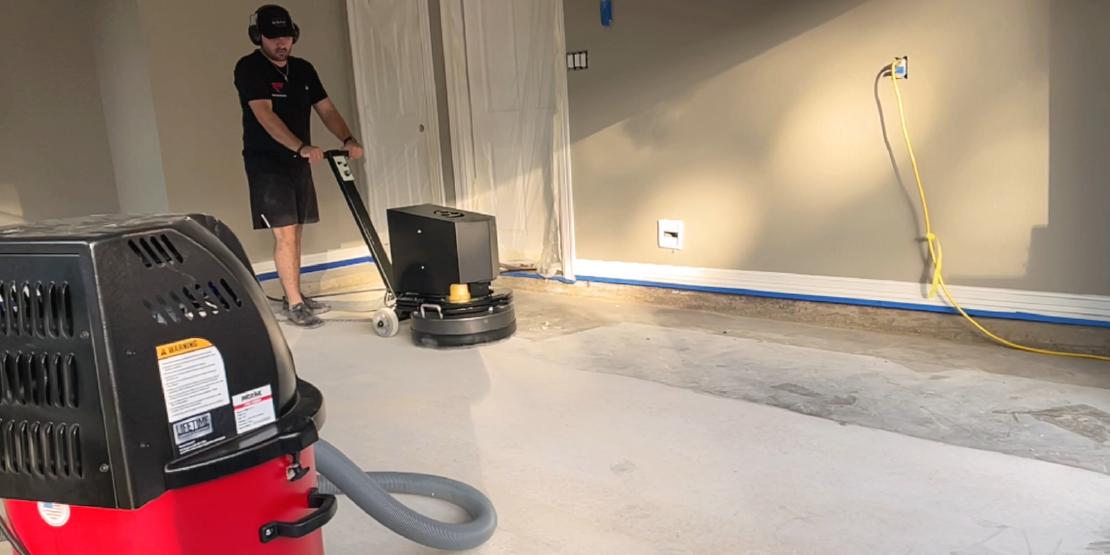
Replacing floor coatings requires a methodical approach, beginning with the removal of the existing floor coating. This step is generally executed through a grinded process, using an industrial floor grinder to effectively sand down the existing coating, exposing the bare concrete substrate underneath. Further surface preparation includes patching any cracks or divots seen in the substrate. Chemicals which neutralize the pH of the floor and promote better adhesion are then applied.
Once the surface is prepared, it is time to apply the new coating. Epoxy-based coatings are a popular choice due to their durability and resilience. Depending on the desired finish, multiple layers may be necessary for a seamless and uniform appearance. Each layer needs to dry fully before a new one is applied. Applying the final topcoat adds an extra layer of protection and gives the finished floor a glossy or matte look. The entire process can take days to complete, considering the time required for curing each layer.
Financial Implication of Replacing Floor Coatings
When it comes to replacing floor coatings, cost considerations play a vital part in the decision-making process. The actual expense hinges on multiple factors like the type of coating, the condition of your existing floor, and the size of the area to be treated. Other variables such as labor charges, application equipment, and unexpected expenses for any needed floor repairs also join the cost equation. Generally, floor coating replacement carries a higher upfront expense compared to repair or restoration due to the sheer extent of work involved.
In addition to the direct costs, there’s the question of longevity and future savings to take into account. A newly replaced floor coating is likely to last longer and require less maintenance, possibly offsetting the initial investment over time. Peel-and-stick tiles or epoxy coatings have varied durability and costs. Where high-end coatings might call for a hefty initial outlay, they promise superior durability and a longer lifespan, justifying the significant expense associated with their replacement.
Analyzing the Longevity of Repaired vs Replaced Floor Coatings
Determining the durability of repaired versus replaced floor coatings is a critical aspect in deciding the most cost-effective choice in floor maintenance. When looking at existing repairs, the longevity depends mainly on the quality of the repair and the type of damage it combated. Cases of minor scuffs or scratches may just require a buff or a polish. When repaired properly, these types of damages can extend the life of the coating considerably.
On the other hand, entirely replaced floor coatings, given they are installed correctly and with optimal materials, could potentially last much longer than their repaired counterparts. Replacement provides the opportunity to use more advanced or robust materials which can handle even high-traffic areas. However, it’s vital to note that replacement involves a higher upfront cost, therefore, forecasting the life span should consider both short-term and long-term financial implications.
Making the Choice: Repair or Replace?
Despite the extensive capabilities of modern floor coatings, damage is often inevitable. Difficulties such as chips, cracks, bubbles, and discolouration can happen over time, and they’re not just aesthetic complications - they can directly affect the integrity of the floor beneath. To keep the floors noteworthy and safe, property owners must face a crucial decision: Should they repair the current floor coating, or replace it entirely?
Weighing the need for floor coating repairs against replacement depends on a variety of factors. The extent of the damage, the underlying flooring material, the age of the existing coating, and its projected longevity are just a handful of considerations. Additionally, budget constraints and the purpose of the floor space also play pivotal roles in this decision-making process. Whether it’s repairing a few minor chips or replacing coating due to extensive wear and tear, it’s essential to understand these factors before making a final decision.
Pros and Cons of Repairing Floor Coatings
Repairing floor coatings has several benefits that should not be overlooked. Firstly, it’s a cost-effective approach since this process involves fewer materials and labor compared to replacement, constituted as a significant advantage to property owners with budget constraints. Repairing also allows for a quicker turnaround time, as rectifying specific areas is notably less time-consuming than a complete overhaul. Thus, causing minimal disruption to one’s routine or business operations.
However, repairing floor coatings also presents some drawbacks. The prime downside lies in the inability to fix fundamental or more extensive damages, much of which are hidden beneath the surface, and may require a complete replacement in the end. Moreover, repairs typically have a short lifespan as compared to replacement and may lead to recurrent expenses if the issue is not permanently resolved. Another limitation of repairing is the likely color difference between the repaired area and the existing surface, which might adversely affect the aesthetics of the space. • Pros of Repairing Floor Coatings: ◦ Cost-Effective: Unlike replacing the entire floor, repairing only requires a fraction of the material and labor costs. This makes it an ideal choice for property owners who are on a tight budget. ◦ Quick Turnaround Time: Since you’re only dealing with specific areas rather than overhauling the whole surface, repairs can be done in less time. This means minimal disruption to your daily routine or business operations.
• Cons of Repairing Floor Coatings: ◦ Limited Scope: Repairs might not be able to address fundamental or extensive damages that lie beneath the surface. In such cases, complete replacement may become inevitable. ◦ Short Lifespan: Compared to replacements, repairs typically don’t last as long. If the underlying issue isn’t permanently resolved, this could lead to recurrent expenses down the line. ◦ Aesthetic Differences: There’s also a chance that there will be noticeable color differences between the repaired area and existing surface after repair work is done. This can negatively impact overall aesthetics if not properly managed.
In conclusion, while repairing floor coatings does have its advantages in terms of cost and time efficiency; these benefits must be weighed against potential downsides such as limited scope of repair, shorter lifespan and possible aesthetic inconsistencies. As always, careful consideration should go into making any decision about property maintenance or renovation projects based on individual circumstances and needs.
Pros and Cons of Replacing Floor Coatings
Replacing tired or aged floor coatings can easily inject new life into your floors by offering a fresh and appealing look. Replacement provides an effective solution, particularly when the existing coatings are in a state of utter disrepair that cannot be redeemed by repair efforts. A primary advantage is the opportunity it affords to explore new technologies and materials which may be more durable or environmentally friendly. Another is that it eliminates hidden problems that may be lurking beneath the old coating, ensuring the new layer adheres properly and lasts longer.
However, replacing floor coatings isn’t always the best course of action, especially when considering various cons attached to it. Among the top considerations is cost, as it tends to be significantly higher than simple repairs because it often requires professional help to remove old coatings and apply new ones with expertise. Also, the process can be time-consuming and disruptive, particularly for businesses, as it often involves shutting down the space for a certain period. Furthermore, certain types of floor coatings may take longer to cure completely, thus extending the inconvenience.
What are the different types of floor coatings?
The article covers the different types of floor coatings including epoxy, polyurethane, acrylic, and polyaspartic coatings. Each type has its own unique characteristics and applications.
Can you tell me about some of the common issues with floor coatings?
Common issues with floor coatings include wear and tear, chipping, discoloration, and cracking. Other issues may arise due to poor installation or the use of subpar materials.
How can I tell if my floor coating needs attention?
Signs that your floor coating needs attention may include visible damage such as cracks or chips, noticeable discoloration, or the coating starting to peel off.
What is involved in the process of repairing floor coatings?
The process of repairing floor coatings involves assessing the damage, preparing the area, filling in cracks or chips, applying a new layer of coating, and allowing it to cure.
How much does it usually cost to repair floor coatings?
The cost of repairing floor coatings can vary greatly depending on the extent of the damage and the type of coating used. However, in general, it tends to be more cost-effective than completely replacing the floor coating.
What is involved in the process of replacing floor coatings?
The process of replacing floor coatings involves removing the old coating, cleaning and preparing the floor, applying a new coating, and allowing it to cure.
What are the financial implications of replacing floor coatings?
Replacing floor coatings can be a significant expense. The cost can include removal of the old coating, purchase of the new coating, and labor costs for installation.
How does the longevity of repaired floor coatings compare to replaced ones?
The longevity of repaired floor coatings can vary depending on the quality of the repair job and the durability of the coating used. However, replaced floor coatings often offer a longer lifespan.
What are the pros and cons of repairing floor coatings?
Repairing floor coatings is generally less expensive and time-consuming than replacing them. However, it may not be as durable or effective in the long run.
What are the pros and cons of replacing floor coatings?
Replacing floor coatings offers a fresh start and usually a longer lifespan, but it can be costly and disruptive. It is a good option for heavily damaged coatings or when a different type of coating is desired.