
The Environmental Impact of Garage Floor Coatings
Understanding Garage Floor Coatings
Garage floor coatings come in various types and compositions, each designed to provide a certain level of functionality and aesthetic appeal. The primary purpose of these coatings is to safeguard the floor against wear and tear, stains from automotive fluids, and damage from heavy impacts. Notably, epoxy and polyurea are among the most popular materials used for this purpose. Epoxy, in particular, is favored for its high resistance to chemicals and superior durability, while polyurea is cherished for its flexibility and fast-curing properties.
However, choosing the ideal garage floor coating extends beyond just durability and aesthetic considerations. Hazardous chemicals present in certain coatings can pose health risks and contribute to environmental pollution. Therefore, awareness of the material composition and the potential impacts of these coatings are crucial. In recent years, eco-friendly options have emerged as a viable alternative, offering the desired performance attributes while minimizing related environmental and health risks. Understanding these different coating options and their impacts can help consumers make informed decisions on the most suitable coatings for their garages.
Materials Used in Garage Floor Coatings
Garage floor coatings often entail the usage of several diverse materials. Epoxy-based compounds, polyaspartics, and urethane are amongst the primary resins used in such coatings. Epoxy is favored for its resilient nature, and it offers a glossy, stain-resistant surface, while polyaspartics are known for their quick-curing and temperature-resistant properties. In contrast, urethane coatings offer superior scratch and chemical resistance and are generally used as a top layer over epoxy or polyaspartics.
Additionally, hybrid polymer technologies, which comprise polyester or polyurethane-based resins, are utilized for creating high-performance commercial coatings. These materials are tailored to provide a myriad of benefits such as short cure times, excellent adhesion, UV stability, or high tolerance for humid conditions. Furthermore, acrylic, latex-based, and silicone-based coatings are employed for specific applications. These materials, whether they are hybrid polymer technologies or acrylic and latex-based substances, essentially determine the longevity, appearance, and environmental consequences of garage floor coatings.
Hazardous Chemicals in Garage Floor Coatings
When applied with care and precision, garage floor coatings greatly enhance the appearance and durability of the space. However, several key ingredients utilized in these coatings possess hazardous chemical properties. Both epoxy and polyurethane, common choices for coatings, contain volatile organic compounds (VOCs) such as formaldehyde and toluene. Volatile Organic Compounds have been linked to a host of health issues including headaches, asthma, and in severe cases, damage to the liver, kidneys, and central nervous system.
Another common ingredient is isocyanates, particularly potent in polyurethane-based coatings. Isocyanates are known to be potent irritants of the respiratory tract. Prolonged or high-level exposure might cause sensitization, leading to asthma-like symptoms and potentially severe lung damage. Further, when the application process of the coating is not managed correctly, these chemicals can be released into the environment, causing substantial harm. Thus, it’s highly recommended that individuals apply these coatings in well-ventilated spaces and use personal protective equipment.
How Garage Floor Coatings Affect Indoor Air Quality
Garage floor coatings can significantly influence the quality of indoor air, raising essential concerns for residential and commercial spaces. These coatings, commonly based on epoxy, polyurethane, or acrylic, frequently emit Volatile Organic Compounds (VOCs) during and after their application. VOCs are notorious for adversely affecting the air quality, as these compounds are easily released into the atmosphere under standard environmental conditions. This property makes them a primary contributor to air pollution inside garages, indirectly affecting the general indoor air quality.
Possible health implications of exposure to VOCs range from throat irritation and headaches to long-term issues such as damage to the central nervous system, liver, and kidneys. Certain VOCs, including benzene and formaldehyde, have also been identified as potential carcinogens. Although modern garage floor coatings have substantially reduced VOC emission levels, the presence of these harmful compounds can’t be completely negated. Therefore, adequate ventilation is crucial during the application and drying process of these products to minimize the ingestion of VOCs and subsequent health risks.
Impact on Soil and Groundwater
The application and maintenance of garage floor coatings can pose significant risks to both soil and groundwater. Used coatings, stripped or chipped off during replacement or repair, often find their way into the soil. These materials, laden with harmful chemicals, can alter the soil composition, directly affecting the health of vegetation, earthworms, and other soil-dwelling organisms. Moreover, potent pollutants may leach deep into the ground, tainting subsoil layers and ultimately contaminating the groundwater sources.
Coating agents and solvents used during application or cleaning processes often contain volatile organic compounds (VOCs) and other harmful substances. Excessive rainfall or improper disposal methods can lead to the runoff of these chemicals into groundwater systems, creating health and environmental threats. Contaminated groundwater can result in hazardous drinking water and negatively impact many aquatic ecosystems. Hence, sustainable practices and careful management of waste products are crucial to limit such harmful impacts on our soil and groundwater.
Waste Generation from Garage Floor Coating Processes
Garage floor coatings, while offering protection and aesthetic appeal, often produce substantial waste during their application process. This generation of waste is a complex byproduct of various activities including surface preparation, coating application, and cleaning procedures. The types of waste produced might range from liquid residues, to discarded material offcuts, scattered droplets of coating material, and even used equipment like brushes or rollers.
This waste material is not only troublesome due to disposal issues, but also due to its potential environmental impact. Many traditional floor coatings contain hazardous substances, such as volatile organic compounds (VOCs), which can leach into soil or water. The waste may also contribute to air pollution if not disposed of properly. Additionally, the energy consumed in treatment and disposal of such waste also adds to its environmental footprint. Hence, it is critical to understand and regulate waste generation during the garage floor coating process.
The Lifecycle Analysis of Garage Floor Coatings
When analyzing the lifecycle of garage floor coatings, consideration must be taken from the raw material extraction to the end-of-life phase. Material extraction involves sourcing essential components, such as epoxy resins, which are derived from petroleum products. The manufacturing process generally comprises reacting these components to produce the final coating product. These stages host the potential for detrimental environmental impacts such as fossil fuel consumption, carbon emissions, and chemical waste generation.
Further stages in the lifecycle include the application phase and the use phase. The application involves applying the coating onto the garage floor, during which volatile organic compounds (VOCs) may be released into the atmosphere, impacting indoor air quality. During the use phase, the garage floor coating serves its purpose in protecting the garage floor from damage and stains. Eventually, the coating reaches its end-of-life phase, where it may be removed and disposed of, possibly entering landfills or incinerators, presenting additional environmental challenges. Throughout this lifecycle analysis, the need for sustainable practices in each stage becomes undoubtedly clear.
Energy Consumption during Garage Floor Coating Application
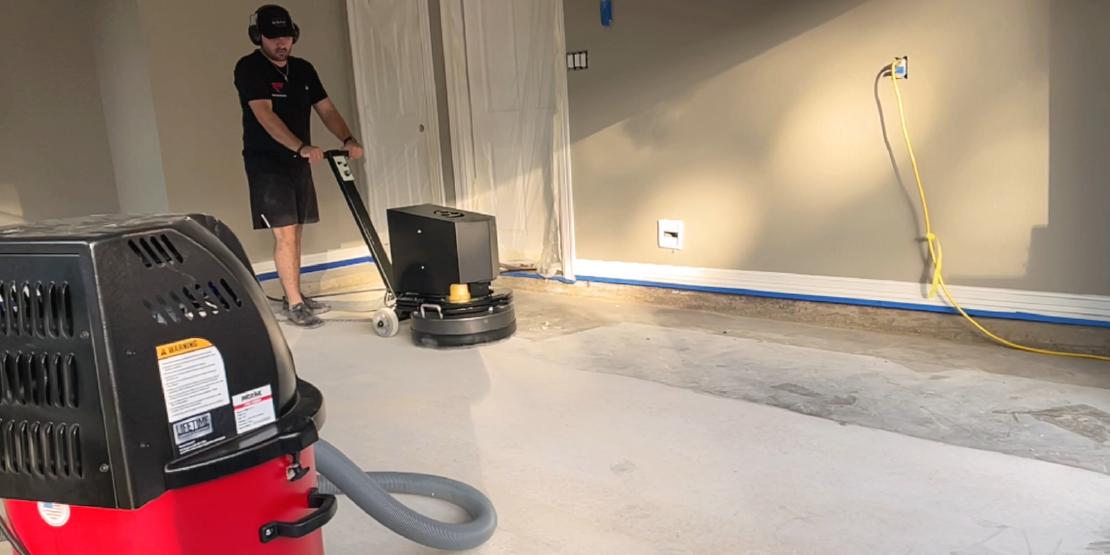
The process of applying garage floor coatings involves several steps, each consuming a distinct amount of energy. Initial steps such as floor preparation, which includes cleaning, grinding, and patching, use significant energy mostly in the operation of the machinery involved. Following the preparation stage, the actual application of the coating often involves the use of pumps or other power tools, adding to the total energy use.
There’s also the energy factor of the coating production itself. The manufacture of epoxy resins and other common garage coating materials typically involve energy-intensive industrial chemical processes. Similarly, the transport of these materials from the factory to market will consume fuel energy, not to mention packaging and disposal of leftover materials. All of these elements contribute to the total energy footprint of garage floor coating application.
Alternatives to Traditional Garage Floor Coatings
As homeowners grow more environmentally conscious, the demand for eco-friendly alternatives to traditional garage floor coatings is on the rise. One option that has become increasingly popular is epoxy coatings. Epoxy coatings are made of resins that, when mixed with other chemicals, create a heavy-duty, durable, and seamless coating. Once applied, these coatings can add a layer of shine and resistance to the garage floor, reducing the need for regular maintenance and replacement.
Another promising alternative to traditional garage floor coatings is the use of polyurethane coatings. These coatings are synthesized from organic units joined by carbamate links, making them more flexible and resistant to abrasions than their counterparts. In addition, the absence of volatile organic compounds (VOCs) in their composition makes them safer for both the environment and the installer’s health. The implementation of these alternatives has been significantly contributing to the reduction of the harmful environmental footprint associated with traditional garage floor coatings.
Advancements in Eco-Friendly Garage Floor Coatings
The realm of eco-friendly garage floor coatings has seen significant advancements in recent years. New technologies and innovations have emerged, making it possible to have a durable and aesthetically pleasing garage floor that’s also friendly to the environment. For instance, water-based epoxies have gained popularity due to their low VOC content and comparable strength to traditional materials. They are a breakthrough in accommodating environmental sustainability concerns without compromising on quality and longevity.
Further innovations lie in the development of bio-based epoxy resins. These are derived from renewable resources, often plant-based, which significantly reduces the carbon footprint associated with their production. Unlike traditional petroleum-based resins, these new alternatives release considerably less amount of harmful emissions during their manufacture and application. These exciting advancements promise a new era for garage floor coatings that are both high-performing and eco-friendly.
Sustainable Practices in Garage Floor Coating Application
To uphold sustainability during garage floor coating application, the use of water-based and solvent-free products is promoted. They are environmentally-friendly, not only reducing harmful gas emissions, but also improving the quality of indoor air for the homeowners. Particularly, epoxy-based coatings, which are low in volatile organic compounds (VOCs), offer a robust yet eco-friendly solution. These variants emit fewer pollutants, therefore minimizing their impact on the indoor air quality.
The waste management practices involved in the application process also affect its sustainability profile. Professionals in the field follow stringent measures to limit waste production, the most common method being accurate measurement of quantities to eliminate left overs. On top of this, leftover products and materials are often reused or recycled rather than being sent to landfills. This approach aids in reducing the environmental footprint of garage floor coatings.
Regulations and Guidelines for Garage Floor Coatings
The application and use of garage floor coatings, like many other processes involving chemicals and other substances, are governed by specific guidelines and regulatory frameworks. These set of standards aim to ensure proper waste management, limit harmful emissions, and enforce the correct application procedures. They also focus on the safety of both the applicator and the immediate environment. The most pertinent regulations, in the United States, are provided by the Occupational Safety and Health Administration (OSHA) and the Environmental Protection Agency (EPA).
OSHA rules primarily focus on the safety of workers who apply these floor coatings. There are precise regulations on air quality, the use of protective equipment, handling hazardous materials, and disposing of waste. On the other hand, the EPA’s guidelines deal mainly with the environmental impact of these coatings. Detailed instructions regarding storage, usage, and disposal of hazardous materials are provided. The objective of these regulations is to minimize the harm to the ecosystem and maintain a balance between convenience and sustainability. They strive to mitigate the negative impacts garage floor coatings may have on the environment, workers’ health, and the public.
Ways to Minimize the Environmental Footprint of Garage Floor Coatings
Garage flooring coatings offer undeniable functionality, but concern surrounding the environmental impacts has pushed industry professionals and consumers alike to seek out greener alternatives. Traditional methods can be harmful to the environment in various ways, including toxic waste generation, energy consumption, indoor air pollution, and potential groundwater contamination. Seeking ways to lessen this impact is an important part of environmentally-conscious decision making.
Opting for eco-friendly products is an advisable strategy to begin this process. Many companies have introduced low Volatile Organic Compound (VOC) options or water-based epoxy and polyurethane. In contrast to their solvent-based counterparts, these produce less airborne pollutants and require less energy to manufacture. Application techniques also play a part. Using tools such as rollers, rather than spray guns, minimizes waste and contamination. Additionally, adhering to regulations and guidelines regarding product usage and waste disposal offers further reductions in environmental impact. Through these steps, it is a much more achievable task to maintain garage durability and utility without heavy environmental costs. Recycling and Repurposing Materials: Instead of throwing away old garage flooring, consider recycling or repurposing it. Many companies offer services to recycle concrete and other materials, turning them into new products rather than letting them end up in a landfill. Alternatively, you could find creative ways to reuse your old flooring in other areas of your home or garden.
• Using Natural Light: Installing windows or skylights can reduce the need for artificial lighting during the day, decreasing energy consumption. This not only reduces your carbon footprint but also lowers electricity costs.
• Proper Insulation: A well-insulated garage requires less heating and cooling which saves energy. Using eco-friendly insulation materials such as cellulose or sheep’s wool is an excellent way to achieve this without harming the environment.
• Regular Maintenance: Regularly maintaining your garage floor coating can prolong its lifespan, reducing the frequency at which it needs replacing. This results in fewer resources used over time and less waste produced.
• Choosing Locally Produced Products: Opting for locally manufactured coatings reduces transportation emissions significantly. It’s important to check whether these local options are environmentally friendly too though!
By incorporating these practices along with using eco-friendly products and application techniques mentioned earlier, we can contribute towards minimizing our environmental impact while enjoying durable and functional garages.
What are garage floor coatings?
Garage floor coatings are protective layers applied to garage floors to improve their durability, appearance and longevity. They can be made from various materials like epoxy, polyurethane, and others.
What materials are commonly used in garage floor coatings?
Common materials used in garage floor coatings include epoxy, polyurethane, and latex or acrylic. These materials are chosen for their durability and resistance to chemicals and general wear and tear.
How do garage floor coatings affect indoor air quality?
Certain chemicals used in garage floor coatings like volatile organic compounds (VOCs) can evaporate into the air and reduce indoor air quality. These compounds can cause health issues like headaches, respiratory problems, and allergic reactions.
What is the impact of garage floor coatings on soil and groundwater?
Improper disposal of garage floor coatings can lead to contamination of soil and groundwater. Certain chemicals in the coatings can seep into the soil and eventually reach the groundwater, causing environmental harm.
How much waste is generated from garage floor coating processes?
The amount of waste generated from garage floor coating processes depends on the type of coating applied and the application process. However, improper disposal of unused coatings and cleaning materials can lead to significant waste production.
What is the lifecycle analysis of garage floor coatings?
A lifecycle analysis of garage floor coatings involves assessing the environmental impact of the coatings from production to disposal. This includes considering the energy consumption during production, potential indoor air quality impacts, waste generation, and end-of-life disposal.
Are there any eco-friendly alternatives to traditional garage floor coatings?
Yes, there are eco-friendly alternatives to traditional garage floor coatings. These include water-based epoxies and coatings made from renewable resources, which emit fewer harmful chemicals and minimize environmental harm.
What are some sustainable practices in garage floor coating application?
Sustainable practices can include using eco-friendly coating options, properly disposing of waste, using energy-efficient application methods, and maintaining coatings to extend their lifespan and reduce the need for frequent reapplication.
What regulations and guidelines exist for garage floor coatings?
Regulations and guidelines for garage floor coatings vary by location. They can include restrictions on certain harmful chemicals, requirements for proper waste disposal, and guidelines for safe application practices to protect both the environment and applicators.
How can I minimize the environmental footprint of my garage floor coating?
You can minimize the environmental footprint of your garage floor coating by choosing eco-friendly coating options, properly disposing of waste, using energy-efficient application techniques, and maintaining the coating effectively to prolong its lifespan.