
The Importance of Re-Coating and Floor Upkeep
Understanding Floor Coating Basics
Floor coating basics revolve around identifying the right coating solution according to the type of the floor and the purpose it serves. This could range from epoxy coatings used for high traffic areas to polyurethane coatings, famous for their superior resistance to scratches and scuffs. When it comes to indoor environments like hospitals and schools, coatings with antimicrobial properties are often preferred. On the other hand, industrial environments may require highly durable coatings that can withstand heavy machinery and chemicals.
Deciding on the appropriate floor coating also heavily relies on the aesthetics and the desired finish. Alongside functionality, the visual appeal plays a significant role in commercial and residential settings. Glossy finishes often bring out a sleek, high-end look, while matte finishes cater to a more understated elegance. Moreover, colored and decorative coatings offer limitless possibilities to match any interior design theme. Overall, understanding different types of floor coatings and their properties can greatly benefit decision making regarding floor maintenance and longevity.
Maintenance Procedures for Different Flooring Types
Maintaining the vibrancy and longevity of flooring hinges largely on regular and appropriate upkeep. Each flooring type, whether hardwood, laminate, tile, or carpet, possesses unique characteristics and thus demands specific maintenance procedures. Hardwood floors, for instance, should always be kept dry and cleaned with mild wood-floor cleaners to retain their elegant, natural look. On the other hand, laminate floors, known for their durability and wear resistance, require occasional sweeping or vacuuming to prevent dust and dirt buildup which may cause scratches.
Tile floors, due to their water and stain resistance, are typically easy to clean, often only needing a mild detergent and a mop. Deep grout cleaning, however, should be done at least once a year. Carpet flooring, despite its warm and soft appeal, can be tricky to maintain due to its propensity to trap dust and allergens. Regular vacuuming is fundamental while professional deep cleaning should be scheduled annually to ensure its longevity. Remember, each flooring type necessitates a distinctive maintenance regimen for preservation and improved lifespan.
Longevity and Durability: Key Benefits of Regular Floor Re-Coating
Regular floor re-coating plays a pivotal role in enhancing the longevity of flooring systems. Whether it is a residential floor or a commercial one, the extended life span is a direct result of the protective barrier that floor coating provides against wear and tear. Such protection delays the impact of high foot traffic, spillages, and general environmental factors on the integrity of the floor, thus prolonging its functional life. The initial outlay for regular re-coating might seem significant, but the return on investment over time, in terms of longer floor life, is undoubtedly worthwhile.
In addition to increasing longevity, regular floor re-coating significantly improves the durability of the floor. A robust coating acts as a shield, protecting the surface from scratches, chips, and other physical damages. This layer of defense not only maintains the aesthetics of the floor but also reinforces its overall strength, helping it withstand the rigors of daily use. It is noteworthy that the enhancement in durability is often a clear reflection of the quality of the floor coating product used and the re-coating procedure closely adhered to.
Cost Implications of Neglecting Floor Maintenance
Neglecting floor maintenance may seem like a cost-saving measure in the short term, but the long-term financial implications can be substantial. Over time, floors without proper care and regular re-coating can exhibit signs of significant wear and tear, such as peeling, fading, cracking, or staining. These forms of damage can drastically reduce the lifespan of the flooring, leading to the need for full replacement sooner than expected. The replacement costs, including both materials and labor, can be substantial depending on the type and size of the flooring.
Additionally, damaged floors can present operational hazards within the facility leading to accidents and injuries, which carry their own set of financial repercussions. Lawsuits, lost productivity, and workers’ compensation claims can overwhelm an organization, far outweighing the initial cost of proper maintenance. Furthermore, severely damaged or unsightly floors can dissuade potential clients or customers, impacting business profitability. Therefore, regular floor maintenance is a wise investment that fosters safety, preserves aesthetic appeal, and ultimately, saves money in the long run.
Preventing Damage: Routine Floor Maintenance Tips
Routine maintenance is essential for preventing damage and extending the lifespan of your floors. It should be a regular part of your cleaning schedule, particularly in high-traffic areas. Proper care depends on the type of floor you have, but certain practices apply across the board. For instance, frequent sweeping or vacuuming helps prevent scratches from dust and dirt, while immediate clean-up of spills prevents water damage and staining.
Aside from daily upkeep, implementing a schedule for deep-cleaning and professional maintenance is a proactive approach in floor preservation. Regular polishing and re-coating re-establish the protective surface layer extending the floor’s longevity. Moreover, the use of quality cleaning products and techniques commensurate to your floor type is crucial. Nevertheless, maintenance should be balanced, since both insufficient and excessive treatment can lead to floor degradation. Regular inspection for signs of wear or damage can guide you in determining appropriate interventions.
Case Study: Comparing Maintained and Unmaintained Floors
In a local shopping mall, two distinct sections of the same type of flooring presented an interesting comparison in a recently conducted case study. The first section, regularly maintained and re-coated at scheduled intervals, exhibited a clean and glossy finish and showed minimal signs of wear and tear. Despite heavy foot traffic, the flooring retained its original colors, texture, and luster thanks to the protective layer provided by the coating. It became clear that regular maintenance and re-coating were significantly impacting the floor’s aesthetic appeal and structural integrity.
On the other hand, another section of the shopping mall, subjected to a similar degree of foot traffic but neglected in terms of maintenance, told a completely different story. Discernible were the wear patterns, faded colors, and a less appealing overall appearance. The floor’s occasional re-coatings simply were not sufficient to prevent visible and structural damage. Durability was greatly compromised as evidenced by scratches, dents, and grooves formed over time. The contrast between the two flooring sections provided a tangible illustration of the importance of proper and regular floor maintenance.
How to Choose the Right Floor Coating Product
Choosing the right floor coating product is not a one-size-fits-all solution. It heavily relies on the specific needs of your flooring type, its location, and the type of traffic it often encounters. High traffic areas such as public spaces, hallways, or commercial areas might benefit from a high-durability floor coating. Epoxy-based coatings are particularly popular for such instances due to their long-lasting heavy-duty features. On the other hand, residential areas may opt for water-based coatings, offering decent performance, effortless application, and low odor - a considerable consideration in closed, indoor settings.
Understanding the technical aspects of a floor coating product is equally crucial. Solid content, for instance, can indicate the coating’s durability and its ability to withstand wear and tear. Higher solid content often translates to a thicker, more durable layer of protection. Another key consideration is the VOC level (Volatile Organic Compounds) in the product. While lower VOC emissions make a product eco-friendlier and safer for indoor use, they might compromise the coating’s performance. Therefore, striking a balance between environmental considerations and performance needs remains a crucial step in choosing the right floor coating product.
Step-by-Step Guide to Effective Floor Re-Coating
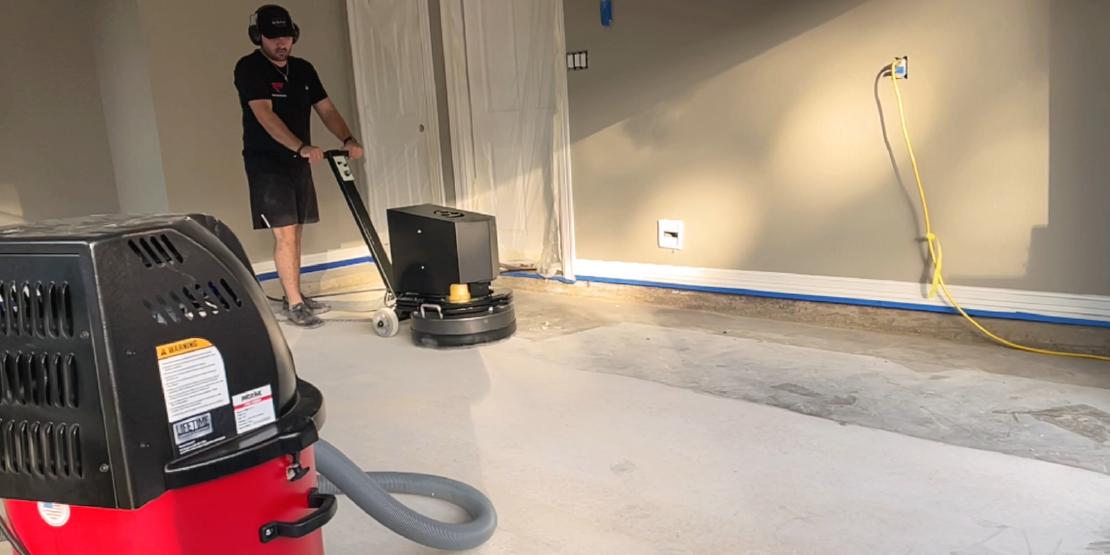
Effectively re-coating your floor involves key steps that ensure a pleasing and lasting result. It begins with a thorough cleaning of the surface. Any dirt, stains, or old coating should be stripped away before applying a new layer. Proper prep sets the foundation for your new floor coating and gives it the best chance to adhere to the surface optimally.
Once the surface is clean and primed, it is time to apply the new coating. This step is critical and should not be rushed. Following the manufacturer’s instructions for application is important for achieving the desired finish. Evenly apply the coating and give ample time for it to dry before reusing the area. Inconsistencies in application can affect the longevity and final look of the coating.
Professional Services vs DIY: What’s Best for Floor Maintenance?
When it comes to floor maintenance, it’s often said the choice between professional services and DIY hinges on two primary factors - time and money. Engaging professional services tends to entail higher upfront costs, but the efficiency and core technical competence delivered by trained experts can save homeowners considerable time and energy. Additionally, specialists in the field wield the latest tools and knowledge of advanced techniques. This ensures not only a cosmetically appealing finish, but also a thorough job that may prolong the life of your flooring.
On the other hand, DIY floor maintenance tends to be more economical, and it provides a unique opportunity to personally oversee the care taken in maintaining one’s own home or business. Also, with increasingly user-friendly floor maintenance products and equipment available on the market today, DIY isn’t as daunting as it used to be. However, note that as a DIY-er, one can inadvertently use the wrong cleaning products or techniques, which could potentially harm the flooring or void the warranty.
Safety Considerations in Floor Maintenance and Re-Coating
One of the vital aspects of any floor maintenance and re-coating operation is paying keen attention to safety measures. An unsuspecting slip or fall can result in injuries or, in severe cases, permanent disability. Uneven surfaces, wet or slippery coatings, and improperly cured floors are common hazards that occur during these procedures.
To minimize these risks, it is essential to employ suitable protective measures. Safety goggles, gloves, and non-slip boots are standard personal protective equipment (PPE) that shield workers from potential injury. On the other hand, clear warning signs and barriers help reduce the risk for pedestrians and other unauthorized personnel. Proper ventilation is yet another crucial element, especially when dealing with volatile organic compounds (VOCs) in certain floor coating products. Moreover, it’s important to ensure that the floor maintenance and re-coating process is carried out by trained professionals who understand the risks involved and how to mitigate them. They should be well-versed in using all necessary equipment safely and effectively.
Here are some additional safety considerations during floor maintenance and re-coating:
• Always use appropriate Personal Protective Equipment (PPE): This includes safety goggles to protect against chemical splashes, gloves to prevent skin contact with harmful substances, and non-slip boots for better grip on slippery surfaces.
• Implement clear warning signs: These should be placed around the work area to alert pedestrians or other unauthorized personnel of ongoing operations. Barriers can also help restrict access.
• Ensure proper ventilation: When dealing with products containing volatile organic compounds (VOCs), maintaining good ventilation is crucial. It helps disperse toxic fumes, reducing their concentration in the air.
• Regularly inspect tools and equipment: All tools used in the process must be regularly checked for any defects or malfunctions that may pose a risk during operation.
• Follow manufacturer instructions: Always adhere strictly to product guidelines when applying coatings. Incorrect application could lead not only to poor results but also potential hazards.
• Provide adequate training: Workers must receive thorough instruction on safe handling procedures, emergency response measures, usage of PPE, etc., before commencing work.
In conclusion, while floor maintenance and re-coating are essential tasks for preserving aesthetics and functionality of floors over time; ensuring these tasks are performed safely is equally vital. By implementing effective protective measures as part of standard operating procedure - businesses can minimize accidents while maximizing productivity.
Eco-Friendly Options in Floor Coating and Maintenance
The demand for sustainable and eco-friendly options has extended its influence into the realm of floor coating and maintenance. In response to the growing concern over the environmental impact of traditional varnishes and finishes, the industry has begun to provide alternatives that are kinder to the planet. Sustainable coatings, consisting of materials like water-based epoxies, polyurethanes, and natural oil finishes, are gradually gaining prevalence. They are designed to provide optimum performance – durability, longevity and aesthetic appeal, while reducing harmful emissions and waste.
Regular maintenance of floor coatings using green products contributes to the preservation of not only the floor’s quality but also the environment. These eco-friendly maintenance procedures typically involve the use of chemical-free products or cleaning solutions certified to have low VOCs (Volatile Organic Compounds). They aim to achieve a balance between efficient floor care and minimal environmental impact. Thus, evolving perceptions and consumer demand have compelled a shift towards smart, sustainable choices in the world of floor coatings and maintenance.
Future Trends in Floor Coating and Maintenance Techniques
The flooring market is continually evolving, with technology and innovation fostering the emergence of new trends in floor coating and maintenance procedures. One thriving trend is the use of nano-coatings, imparting unusual properties like super hydrophobicity and resistance to wear, corrosion, and UV radiation onto the floor surface. Manufacturers are also investing in R&D to discover more eco-friendly solutions that cause the least harm to the environment. The transition towards bio-based floor coatings derived from renewable resources is a significant stride in this direction.
Another trend gaining traction is the incorporation of smart technology into floor maintenance. The industry is increasingly leveraging IoT (Internet of Things) and AI (Artificial Intelligence) for effective and efficient cleaning and upkeep. For instance, robots integrating AI technology can perform regular cleaning and minor repairs, significantly reducing the need for manual labor. Furthermore, companies are exploring self-healing materials as the future of floor coatings. These materials autonomously recover their function when they are damaged, contributing to extending floor life without additional maintenance.
Key Takeaways and Next Steps Towards Better Floor Care
Understanding the nuances of floor coating and its maintenance is crucial to prolonging the lifespan of any floor. Not only does a well-maintained floor enhance the overall aesthetics, but it also prevents unforeseen damages that could pose safety hazards. It bridges the gap between practicality and design value, playing a pivotal role in both residential and commercial properties.
The process of floor maintenance goes beyond occasional cleaning; it involves a comprehensive approach such as choosing the right floor coating product, proper application techniques and, importantly, the determination of an appropriate maintenance schedule. By leveraging professional services when needed, we ensure that these complex tasks are performed correctly to fully reap their benefits. Moreover, adhering to safety considerations during maintenance and re-coating procedures should become a matter of norm to prevent accidents.
What are the basics of floor coating?
Floor coating basics involve understanding the various types of coatings available, their uses and the specific procedures involved in their application. This includes prepping the floor, applying the coating, and allowing it to dry.
How do maintenance procedures vary for different types of flooring?
Maintenance procedures vary based on the type of flooring. For instance, hardwood floors generally require regular sweeping and occasional deep cleaning with a wood-safe product, while tile floors may require grout cleaning in addition to sweeping and mopping.
What are the benefits of regular floor re-coating?
Regular floor re-coating can significantly enhance the longevity and durability of your floors by providing an extra layer of protection against wear and tear, scratches, and stains.
What are the cost implications of neglecting floor maintenance?
Neglecting floor maintenance can lead to damage that may be costly to repair. Regular maintenance helps to maintain the floor’s appearance and prolong its lifespan, saving you money in the long run.
Can you give some tips for routine floor maintenance to prevent damage?
Routine maintenance may include sweeping and mopping regularly, promptly cleaning up spills, avoiding harsh chemicals or abrasive cleaning tools, and periodically applying a suitable floor finish or protector.
How do maintained and unmaintained floors compare?
Maintained floors tend to have a longer lifespan, retain their appearance and are less likely to have damages like scratches and stains. In contrast, unmaintained floors can show signs of wear and tear more quickly and may require costly repairs or replacements.
How to choose the right floor coating product?
Choosing the right floor coating product depends on your specific type of flooring, the amount of traffic the floor receives, and the look you want to achieve. It’s best to consult with a professional or do some research to understand the best options for your situation.
What’s the best approach for floor maintenance: professional services or DIY?
The choice between professional services and DIY depends on your comfort level, time availability, and budget. While professional services can ensure a high-quality result, DIY can be a cost-effective option if you’re willing to put in the time and effort.
Are there any safety considerations in floor maintenance and re-coating?
Yes, safety considerations include ensuring the room is well-ventilated when applying coatings, using protective gear such as gloves and safety glasses, and keeping children and pets away from the area until the coating has fully dried.
Are there eco-friendly options in floor coating and maintenance?
Yes, there are eco-friendly floor coatings available that are made from natural materials and do not emit harmful chemicals. In terms of maintenance, using green cleaning products can also reduce your environmental impact.
What are some future trends in floor coating and maintenance techniques?
Future trends may include the use of more sustainable materials, improved durability and longevity of coatings, and advancements in ease and speed of application.
What are the key takeaways for better floor care?
Key takeaways include understanding the importance of regular maintenance, choosing the right coating products, following safety precautions, considering eco-friendly options, and staying informed about new trends and techniques.