
The Importance of Slip Resistance in Home Floor Coatings
Understanding Slip Resistance
Slip resistance refers to the level of friction a surface offers, which aids in the prevention of slips or falls, offering enhanced safety. This property is especially crucial in wet or oily conditions that typically increase the likelihood of such accidents. High slip-resistance is desirable for flooring in all buildings, be it a residential property or commercial setting to ensure safety for all occupants or visitors.
Flooring materials, their texture, and coatings applied to them can significantly influence slip resistance. For instance, a floor coating laced with aggregates can increase the friction provided by the floor surface, enhancing its slip-resistant properties. Measuring the degree of slip resistance is essential for choosing the right floor materials and coatings, specifically for high-risk areas like kitchens, bathrooms, and entranceways.
What Constitutes a Slip-Resistant Floor
Slip-resistant floors are typically constructed using specific materials or coatings designed to reduce the likelihood of slipping or falling. The surface texture and profile, combined with the inherent properties of these materials, provide increased traction underfoot even in damp or sleek conditions. Commonly used materials include rubber, vinyl, and specific types of tile, all well-known for their excellent grip and friction properties. It’s important to note that the effectiveness of these materials is greatly influenced by other factors such as contaminants, wear, and cleaning methods.
An essential part of a slip-resistant floor is the profile or pattern that enhances traction. For example, various types of grooves, ridges, and dimples are often incorporated into the design to provide additional grip and reduce the chance of slipping. Meanwhile, the implementation of slip-resistant coatings promises added protection by providing a rough, traversal surface that can significantly improve the floor’s friction coefficient. Both the material and the profile work together in harmony to ensure that a slip-resistant floor performs optimally under different circumstances.
Factors Influencing Slip Resistance in Floor Coatings
Several factors contribute significantly to the slip resistance of floor coatings. The texture and finish of the material used play a pivotal role in determining slip resistance. Rough textures or matte finishes tend to provide higher traction and, therefore, higher slip resistance. Conversely, smoother textures or glossy finishes can lead to lower slip resistance due to their reduced friction. Hence, for an area with a high risk of wet or oily conditions, it’s crucial to select a material with a rough texture and matte finish to maximize slip resistance.
Moreover, the underlying surface also impacts the slip resistance of floor coatings. Harder surfaces like concrete or stone can increase the traction provided by the coating, leading to higher slip resistance. On the other hand, softer surfaces like wood or vinyl may reduce the effectiveness of the coating, leading to lower slip resistance. Another influencing factor is the installation process. Proper preparation and application of the coating are essential to ensure optimal slip resistance. Residues, ice, grease or any sort of contaminants left on the surface can seriously compromise the slip resistance of floor coatings.
Exploring Different Types of Home Floor Coatings
Investigating the marketplace today, you’ll discover a broad spectrum of home floor coatings designed to appeal to various aesthetic and practical preferences. Epoxy floor coatings stand as a popular choice due to their high durability and low maintenance. Epoxy can come in a range of colors and finishes, providing homeowners with a vast selection of design options. As a waterproof material, it also mitigates slips when dry but becomes slick when wet, which emphasizes the need for slip-resistant additives for particular areas such as bathrooms and kitchens.
Polyurethane floor coatings also hold a considerable rank. They are well recognized for their resistance to chemicals, heat, and UV damage, thus extending their lifespan. They also better tolerate physical impacts compared to epoxy, offering value in high-traffic areas. However, like epoxy coatings, polyurethane can become slick when wet, accentuating the necessity for slip-resistant properties. Moreover, decorative overlays, from stamped concrete to stained, offer visually appealing options yet should be used alongside slip-resistant measures in circumstances with frequent wetness.
How Slip Resistance is Measured
In evaluating the slip resistance of flooring, several methods are utilized. The most common include the Pendulum Test, the Tortus Test, and the Ramp Test. These testing methods are designed to gauge the coefficient of friction (COF) - a crucial indicator of slipperiness. The Pendulum Test, for instance, leverages a swinging, dummy heel to simulate the action of a person slipping on a surface. This test measures the dynamic COF, which indicates how much friction is available when a heel is moving across a surface.
The Tortus Test, on the other hand, uses a digital device that mimics a slow walking pace to measure COF. This testing mechanism is ideal for perturbed or uneven surfaces, and measures the dynamic COF with great precision. The Ramp Test, another common testing approach, is performed by slowly inclining a test surface until the operator slips. This method identifies the Slip Resistance Value (SRV), which points to the maximum angle before slip onset. To achieve reliable and accurate results, these tests are typically performed under both dry and wet conditions. These testing methods provide critical information for homeowners and builders to make informed decisions about floor coatings.
Advantages of Slip-Resistant Floor Coatings
One of the significant advantages of slip-resistant floor coatings is the enhanced safety they provide in both residential and commercial settings. They significantly reduce the risk of accidents caused by slip and fall incidents mainly in areas prone to moisture, such as bathrooms, kitchens, or spaces around swimming pools. These coatings have been specifically engineered to provide a higher level of traction, thus minimizing the likelihood of injuries.
Another key advantage is the durability and longevity that slip-resistant floor coatings offer. This type of floor coating stands up well to heavy traffic and everyday wear and tear, making it a cost-efficient choice over time. Further, the resistance to chemicals, heat and other various harmful substances increases the lifespan of the floor, resulting in a reduction of maintenance costs. This means homeowners can enjoy a safer, longer-lasting floor without continuous investments in replacements or repairs.
Choosing the Right Slip-Resistant Floor Coating for Your Home
A multitude of factors should be considered while selecting suitable slip-resistant flooring for your home. These factors include the type of room the coating is to be installed in, the inhabitants of that room, and overall lifestyle. Wet areas such as bathrooms and kitchens or spaces whose users might be prone to slips and falls, like children’s rooms or spaces frequented by the elderly, particularly favor flooring with high slip resistance. Additionally, the resilience of the coating and its level of maintenance should be aligned with the lifestyle of the inhabitants, with high traffic areas typically requiring more robust and easy-to-clean surfaces.
For each scenario, different types of coatings might be more appropriate. For instance, epoxy-based solutions offer unparalleled durability and can be combined with aggregates for added slip-resistance. Alternatively, polyurethane coatings allow for a more decorative approach to flooring, with color and texture options that can provide increased slip resistance. Researching and sampling different coatings will help reveal the optimal solution for the specific needs of your home. Aligning the right slip-resistant flooring choice with your needs ensures both safety and aesthetic appeal.
Installing Slip-Resistant Floor Coatings
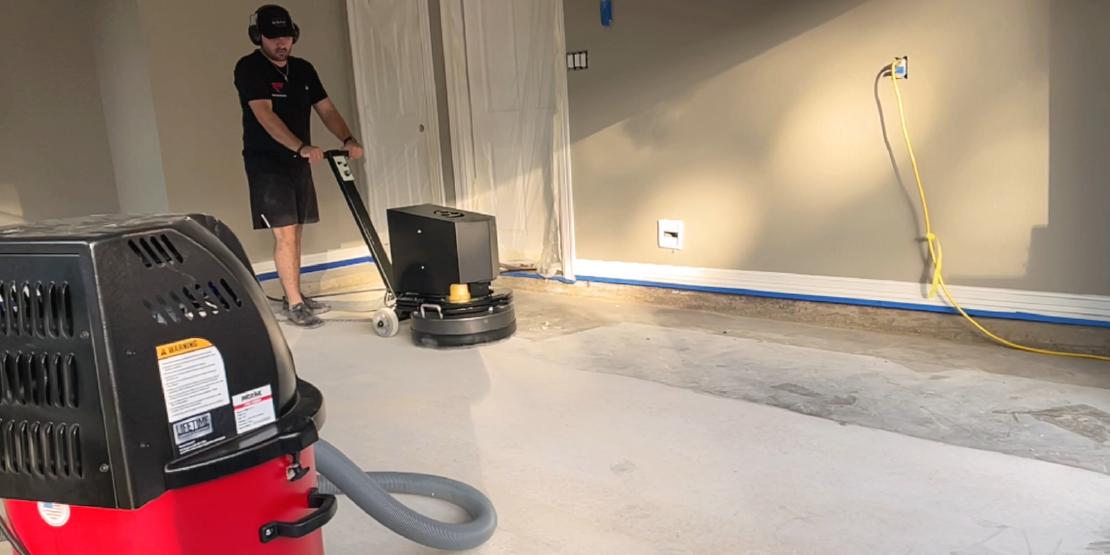
Professional installation of slip-resistant floor coatings is crucial to its effectiveness and longevity. Process starts with the careful preparation of the floor surface, ensuring it is clean, dry and free of any accumulated dirt or oils which could prevent the coating from adhering properly. Then the slip-resistant compound is applied with meticulous care, typically using a roller or sprayer for even distribution. The application process is a delicate balance, applying enough product to ensure slip resistance without creating a surface so rough that it is uncomfortable to walk on.
The second phase involves a curing process, a predetermined period during which the coating hardens and sets into the surface of the floor. It’s important not to rush this step - the full curing period should be allowed for the best results. Interruption to the process could compromise the floor’s safety attributes and shorten its lifespan. Following the curing process, any necessary finishing touches are applied to finalize the look and texture of the floor. These steps, when executed carefully can create a reliable slip-resistant coating that ensures safety without compromising aesthetics.
Maintaining Your Slip-Resistant Floor Coating
To ensure the longevity and functionality of your slip-resistant floor coating, proper maintenance is crucial. Routine cleaning, which includes sweeping, mopping and occasionally scrubbing, will help maintain the floor’s anti-slip properties. The type of cleaner used should be specific to the flooring, as some commercial cleaners can result in a slippery surface by leaving a residue. Regular inspections will make certain of the maintenance of the coating’s abrasion resistance and continuity.
Maintenance and safety go hand in hand when it comes to keeping the slip-resistant floor coating effective. Implementing additional measures like sticking floor signs indicating the slippery area during cleaning can help prevent accidents. Areas of high foot traffic may require frequent maintenance compared to those of low foot traffic. Moreover, in the case of any visible wear and tear on the coating, it’s essential to repair or replace the coating to preserve the slip resistance. Efficient maintenance can significantly extend the lifespan of the slip-resistant floor coating. To ensure the best care and longevity of your slip-resistant floor coating, here are some key maintenance steps:
• Regular Cleaning: This includes sweeping and mopping to remove dust particles that could reduce the anti-slip properties. Scrubbing should also be done occasionally to deep clean the surface.
• Use Appropriate Cleaners: It’s crucial to use a cleaner specific for your type of flooring. Some commercial cleaners can leave a residue, resulting in a slippery surface.
• Regular Inspections: Carry out routine checks on the coating’s abrasion resistance and continuity. This will help maintain its effectiveness over time.
Safety is equally important when maintaining your slip-resistant floor coating. Here are some safety measures you can take:
• Use Floor Signs: During cleaning or if an area becomes temporarily more slippery, use caution signs indicating it as such to prevent accidents.
• Prioritize High Traffic Areas: These areas may require more frequent maintenance than low foot traffic areas due to increased wear and tear.
Lastly, always address any visible damage promptly:
• Repair or Replace Coating as Needed: If there’s visible wear and tear on the coating, repair or replace it immediately. This will preserve its slip resistance functionality and extend its lifespan overall.
By following these guidelines, you can efficiently maintain your slip-resistant floor coating while ensuring safety at all times.
Potential Drawbacks of Slip-Resistant Floor Coatings
While slip-resistant floor coatings offer numerous merits in terms of safety and durability, there are certain drawbacks that might discourage homeowners. First, the initial setup cost for installing such flooring can be higher compared to traditional floor coverings. The specific materials needed for slip resistance, the specialized labor required for the job, and the application process itself can add up, making it a considerable investment.
Additionally, maintenance of these floors can prove to be a challenge. Although they hold up well against wear and tear, these coatings can lose their effectiveness over time due to regular use or improper cleaning. Abrasive cleaners, for example, can wear down the textured surface gradually, reducing its slip resistance. Therefore, homeowners need to follow specific cleaning instructions and must factor in the possibility of requiring professional maintenance services, adding further to the expenses.
Case Study: Real-Life Applications of Slip-Resistant Coatings
A noteworthy case comes from a local healthcare facility that was struggling with frequent falls among their elderly patients. The facility’s original flooring was slick, especially when wet, leading to a multitude of dangerous incidents. This issue sparked an immediate need for a solution, and they opted for the implementation of slip-resistant floor coatings. Post-installation, the floor’s grip improved significantly even in damp conditions, considerably reducing the incidents of slips and falls. The safety of the patients was greatly enhanced, leading to an overall improved environment within the healthcare facility.
In a separate instance, a suburban family residing in a house with polished wooden floors found themselves facing a similar dilemma. With young, active children running around constantly, the potential for slips and injuries was high. Upon researching, the family decided to apply slip-resistant floor coating on their polished wooden floors, specifically in high traffic areas such as the entrance and the kitchen. The transformation was impressive, where the practicality of slip-resistant coatings became immediately evident. Not only did the wooden floors maintain their aesthetic appeal, but the enhanced safety provided the family great peace of mind. On both accounts, these real-life applications strongly emphasize the effectiveness and usefulness of slip-resistant floor coatings in diverse scenarios.
Future Developments in Slip-Resistant Flooring
Looking ahead, several emerging technologies are set to further advance the safety and efficacy of slip-resistant flooring. For instance, nanotechnology is anticipated to play a significant role, with its potential to create microscopic surface variations and improve grip. Scientists are exploring the development of ‘smart’ coatings that can adapt their level of friction based on environmental conditions or specific requirements. This concerted technological push seeks to exploit the vast potential of these groundbreaking technologies in making flooring even safer and more durable.
Another noteworthy trend is the incorporation of eco-friendly materials into flooring systems, reflecting a marked shift towards sustainability in building and architecture. This includes utilising bio-based materials and reclaimed waste to create sustainable, slip-resistant coatings, putting an eco-friendly spin on safety and displaying a commitment to minimizing environmental footprints. These developments, while relatively nascent, suggest exciting possibilities that will redefine the concept of slip-resistant flooring and drive innovations, ensuring safer surfaces for users.
Key Takeaways and Recommendations for Homeowners
In terms of key takeaways, slip-resistant flooring has proven to be an essential factor in maintaining safety in high-traffic areas within the home, such as kitchens and bathrooms. Specifically, it prevents accidental slips and falls, providing increased traction even in slippery conditions. This flooring solution is especially useful in homes with seniors, young children, or individuals with mobility issues. In addition, these coatings possess an inherent aesthetic versatility, with numerous styles and patterns available in the market today.
In making a recommendation for homeowners, it is crucial to first identify the specific requirements of your home and family. Consider elements like the location of the floor, the individuals using the space, and the kind of foot traffic it typically experiences. It is advisable to engage a professional floor coating company to correctly install these coatings. Also, ensure to stick to a regular maintenance plan to preserve the durability and efficiency of your slip-resistant floor coating. Furthermore, look out for innovations in slip-resistant flooring technology for further home safety enhancements.
What does the term “slip resistance” mean in the context of home flooring?
Slip resistance refers to the measure of a floor’s ability to prevent slips and falls. It is an important factor in choosing flooring materials, especially in areas prone to wet conditions like bathrooms and kitchens.
What attributes make a floor slip-resistant?
A slip-resistant floor typically has a rough surface that can improve traction even when wet. This could be due to the material itself, like certain types of tile, or a special coating applied to the surface.
How does the type of floor coating influence slip resistance?
The type of floor coating can greatly influence slip resistance. Some coatings have additives to enhance slip resistance, while others may be inherently slip-resistant due to their texture or composition.
What are the advantages of using slip-resistant floor coatings?
Slip-resistant floor coatings enhance safety by reducing the risk of slips and falls. They can be particularly beneficial in homes with elderly residents or children.
How is slip resistance measured?
Slip resistance is usually measured using a device called a tribometer, which measures the level of friction between a shoe (or a test foot) and the flooring surface.
What should homeowners consider when choosing a slip-resistant floor coating?
Homeowners should consider factors such as the area of application, the level of foot traffic, the presence of children or elderly residents, and the aesthetic appeal.
Are there any drawbacks to using slip-resistant floor coatings?
While slip-resistant floor coatings offer enhanced safety, they might require more effort in maintenance due to their rough texture. They may also be more expensive than standard coatings.
Are there any recent developments in slip-resistant flooring?
Technology and materials science continue to advance, resulting in the development of new types of slip-resistant coatings. Some of these new products offer improved performance, easier installation, and better aesthetics.
How should homeowners maintain their slip-resistant floor coatings?
Slip-resistant floor coatings can be maintained with regular sweeping and mopping. In some cases, specialty cleaning products may be needed to prevent buildup of grime in the textured surface.
Can you give examples of real-life applications of slip-resistant coatings?
Slip-resistant coatings are commonly used in home areas such as bathrooms, kitchens, and outdoor patios. They are also used in commercial settings like restaurants and retail stores, where the risk of slips and falls is high.