
The Integration of Floor Coatings in Smart Homes
Understanding Smart Homes and their Essentials
Smart homes refer to a technology-driven living space that provides homeowners with intuitive control over various household functions and settings. This concept encompasses numerous different facets, varying from home automation mechanics such as lighting and heating control to more comprehensive features such as home security systems, surveillance cameras, and other interconnected devices. The remarkable factor is that all these elements can be controlled remotely, providing a new dimension to home management and convenience.
Essentials of smart homes strike a balance between comfort, economy, and security. Therefore, an optimal smart home setup would integrate compatible devices working together to automate tasks and simplify daily routines. Key elements include smart thermostats, automated lighting systems, voice-activated home assistants, and security devices like smart locks and surveillance systems. Advanced technological innovations are constantly revolutionizing these essentials, pushing the boundaries of intuitive living to unprecedented heights.
Exploring the Concept of Floor Coatings
Floor coatings are essentially a layer or layers of material that can be applied to the surface of a floor to provide protection and durability. Typically made from polymers such as polyurethane, epoxy, or acrylics, this innovative solution goes beyond giving a smooth, polished aesthetic appeal. Intriguingly, they play a vital role in industrial and commercial environments where floors are exposed to high levels of duress, like wear and tear from foot and vehicular traffic, damage from chemical spills, and exposure to heat.
As technology advances, floor coatings have found their way into residential homes, particularly smart homes. In the realm of smart homes, floor coatings are not just about protection and aesthetics, but can also perform a host of functions. Smart floor coatings, for instance, can integrate sensors and actuators to detect changes in pressure, temperature, and moisture. More advanced varieties can even interact with a home’s central smart system, triggering alarms or activating functions like heating, augmenting overall home functionality, and convenience.
Types of Floor Coatings Suitable for Smart Homes
As we venture into the realm of smart homes, emphasis on aesthetic and functional aspects has brought prominence to innovative elements like smart floor coatings. These aren’t just mere embellishments, but utilities that contribute to the overall intelligence of the home. Among the variety available, epoxy coatings have gained significant recognition. Resistant to damage and easy maintenance make them an excellent choice for smart homes. These coatings can be embedded with temperature sensing and anti-slip technologies for enhanced functionality.
Another noteworthy type is the polyurethane coating. This type combines durability and a natural aesthetic appeal, making it an ideal option for smart homes prioritizing style alongside functionality. Polyurethane coatings offer resistance to both water damage and UV rays while maintaining their glossy appearance. They also stand out for their capability to be integrated with technologies like energy-efficiency enhancement and automation compatibility. Hence, choice of floor coatings relies heavily on the specific requirements of the smart home in question.
Benefits of Using Floor Coatings in Smart Homes
Floor coatings in smart homes have several advantageous features that contribute to the overall benefits of living in such technologically advanced surroundings. Chiefly, these coatings come equipped with advanced technological sensors that aid in monitoring movements throughout the house. This aspect is particularly beneficial for parents with young children or houses with elderly members, as it can monitor their movements and help avoid potential accidents. Additionally, these floor coatings are aesthetically pleasing, adding a layer of sophistication and contemporary elegance to the dwelling, thereby enhancing its overall appearance.
Integrative with smart climate control systems, these floor coatings can also contribute to significant energy savings. Through embedded sensors, they can detect the presence in a particular room and work in sync with heating, ventilation, and air conditioning (HVAC) systems to optimize temperature control. As a result, no energy is wasted in empty areas and heating or cooling can be primarily focused on occupied spaces, leading to a marked reduction in energy bills. Hence, smart floor coatings add a unique layer of comfort, convenience, and cost-effectivity to smart homes.
Technology behind Smart Floor Coatings
The concept of smart floor coatings is founded on the infusion of technological advancements with traditional floor coatings. These smart coatings are designed with advanced functionalities that enable them to interact and respond to their environment. These features may include thermal conductivity, self-cleaning properties, and the ability to change color or brightness in response to varying levels of illumination. Such properties are a result of the integration of micro-sensors, and molecular technology into the coating material.
Next, let’s delve into the details of this innovative technology. The application of nanotechnology in smart floor coatings yields an enhanced product with superior properties. Nanoparticles are incorporated into the floor coating material to enhance its performance and durability. Additionally, the inclusion of IoT technology enables the floor coating to be part of a larger network, communicating essential data to homeowners and responding to commands. With smart floor coatings, we don’t just get a protective layer for the floors, we get an interactive floor system that revolutionizes the home living experience. This is technology and home living harmoniously intertwined.
The Role of Floor Coatings in Energy Efficiency
Floor coatings play an influential part in enhancing energy efficiency in smart homes. Technologically advanced floor coatings decrease heat absorption, resulting in a cooler environment that doesn’t necessitate excessive use of air conditioning. Reflective coatings are a prominent example, bouncing back sunlight and lowering the overall temperature of the home during hot seasons. This reduces the energy consumption of cooling systems significantly, affecting the overall energy footprint of the building positively.
Furthermore, radiant heat flooring is now being integrated with floor coatings to enhance heat efficiency. This kind of intelligent flooring uses electric or hydronic systems, harnessing their heat transfer abilities to warm up rooms. Coupling these with specialized floor coatings further maximizes the system’s performance. Thus, smart floor coatings not only contribute to the thermal comfort but also considerably decrease overall energy demand, making homes more eco-friendly.
Smart Floor Coatings and Enhanced Home Safety
In smart homes, one cannot overemphasize the indispensable role of floor coatings in enhancing home safety. A typical example is the innovative non-slip coatings that are effectively implemented to reduce accidents caused by slipping. With this advancement, homeowners can rest assured of a safer domestic environment, especially for children, older adults, and people with mobility issues.
Leveraging on technology, smart floor coatings have been integrated with sensors for detecting unusual movements or falls. It will alert homeowners or relevant authorities as the case may be, when there is a potential accident. These kind of systems are particularly useful for those living alone or with chronic ailments, playing a key role in ensuring their safety.
Maintenance and Durability of Smart Floor Coatings
One of the key factors that underscores the significance of smart floor coatings in contemporary homes is their maintenance characteristics. When compared to conventional flooring options, they are easier to clean and require less rigorous care. Spills, dust, and dirt can usually be cleansed with a simple mop or cloth, reducing the effort required to keep the flooring pristine. Given the built-in resistance to moisture, grime, and stubborn stains, this ultimately prolongs the life of the coating and the floor underneath.
In terms of durability, smart floor coatings are boasted for their longevity and robustness. These coatings are designed to withstand heavy foot traffic and resist wear and tear, a noticeable attribute that stands testament to their resounding quality. While they withstand environmental stressors effectively, they also practically maintain their aesthetic appeal over the years, thanks to the superior materials used in their manufacture. Affording such durability, they confer homeowners with a long-lasting solution, minimizing the necessity for frequent floor replacements.
How to Choose the Right Floor Coating for Your Smart Home
When selecting the ideal floor coating for your smart home, the first aspect to consider is functionality. Different areas of the house serve various functions; for example, the kitchen and bathroom are often subjected to moisture. Hence, you may prefer a water-resistant floor coating in these sections. In contrast, living rooms and bedrooms, which are high traffic areas, might require a more durable floor coating to withstand wear and tear.
The aesthetic aspect cannot be overlooked. The floor coating should flawlessly merge with the overall interior design of your smart home. Since smart homes primarily focus on providing a seamless living experience, consider floor coatings that further enhance this effect. Anti-slip floor coatings can contribute towards enhanced safety, while insulative floor coatings can help in maintaining the optimal temperature. An eye for gloss, color, and pattern of the floor coating can notably influence the living ambiance as well. Make sure your choice complements the aesthetics and color palette of your furniture, wall paint, and décor.
Installing Smart Floor Coatings: A Step-by-Step Guide
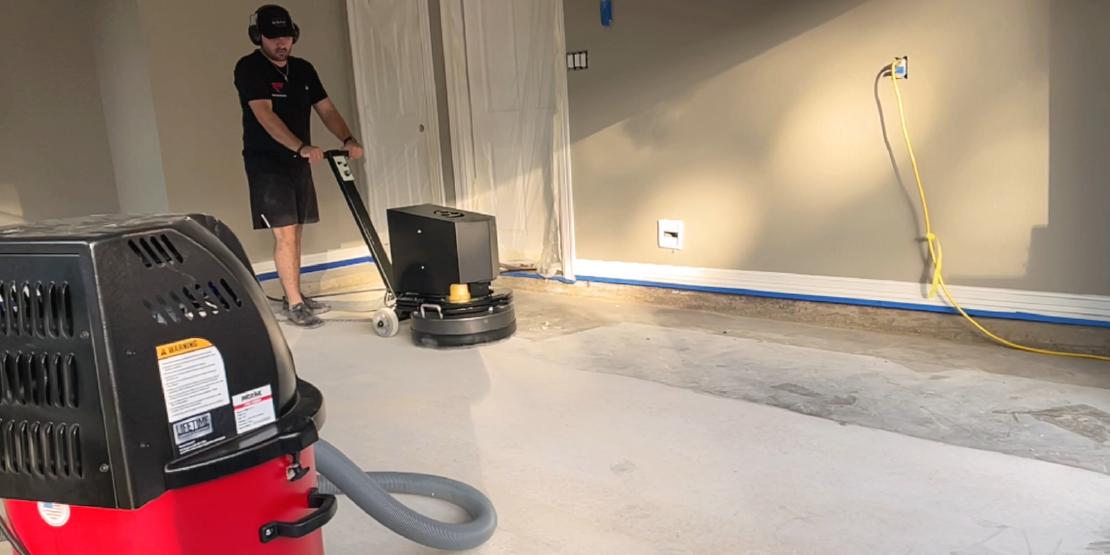
The first step in installing smart floor coatings involves an evaluation of the existing flooring. This will determine the type of preparatory work needed before the actual application process. If there’s any old coating, it must be removed completely using sanding or grinding. In case the floor is newly built, a moisture test is mandatory, as excessive moisture can wreak havoc with the adhesion of the smart floor coatings. It is also crucial to ensure that the floor is clean, properly leveled with all cracks and holes filled and smoothed out.
Following the floor prepping, the second stage entails applying the smart floor coating. Consistency in mixing is key to achieving an even, smooth finish. It’s preferable to use a mechanical mixer for consistency and to prevent air bubbles. Once the mix is ready, it is applied using either a squeegee and roller, or a spray gun, depending on the type of coating. Several coats may be necessary, and they must be allowed to cure fully between applications. The final stage of the installation process is applying a topcoat to seal in and protect the smart coating. The topcoat further enhances the durability and the aesthetic appeal of the floor.
Case Studies: Successful Implementations of Floor Coatings in Smart Homes
A prime example of successful implementation of smart floor coatings can be seen with the Hawthorne Residence in Silicon Valley. In this modern home, the homeowner opted for a heat-reflective floor coating to reduce indoor temperatures by up to 20%. The technology used embedded micro particles that reflect heat back to its source, significantly decreasing HVAC usage and securing considerable energy savings. The homeowner also employed intelligent floor coatings with slip-resistant features in wet areas of the house like the bathroom and kitchen, increasing safety for inhabitants.
Furthermore, another successful case study presents itself through the sophisticated Durham Manor in North Carolina. Here, the domestic engineers selected a smart floor coating integrated with an energy-efficient underfloor heating system. The unique coating not only beautifully complements the architecture style, but also maintains optimal floor temperature, providing comfort during colder months. Also noted in this smart home, floor coatings in the garage area were fortified with extra-durability features, resistant to oil stains, abrasions, and temperature imbalances, demonstrating another advantageous application of smart floor coatings.
Potential Challenges and Solutions in Implementing Smart Floor Coatings
One principal challenge encountered during the implementation of smart floor coatings is dealing with the initial high cost. This investment may seem steep to homeowners despite the long-term benefits such as durability and reduced maintenance expenses. Other hurdles include the lack of proper knowledge on the application procedures and the difficulty in selecting the right type of coating that is suitable for different environments or specific home needs.
To offset these issues, various solutions are available. Manufacturers are offering affordable options without compromising the quality of the floor coatings. Additionally, many experts provide detailed guides that walk homeowners through the process of choosing and installing the right smart floor coating. As knowledge spreads about the advantages of this technology, it is expected that more individuals will invest in smart floor coatings for their homes, eventually reducing the perceived challenges.
Future Trends in Smart Floor Coatings Technology
The realm of floor coatings is experiencing transformation at a rapid rate as technology and innovation fuse into the construction industry. An emerging trend is the development of floor coatings that are integrated with sensors and offer interactive functionality, essentially turning your floor into a large touchscreen. This technology can range from simple tasks like controlling lighting, to more complex tasks like health monitoring, by detecting falls and sending automatic alerts to emergency services.
An equally fascinating prospect is the creation of coatings infused with nanotechnology. These coatings are. predicted to offer superior strength, durability and resistance to wear, far beyond what is currently available on the market. With the potential to self-repair, these coatings could vastly extend the lifespan of your flooring, and make it extremely resistant to physical damage. The amalgamation of smart technology and floor coatings represents an exciting field of development, poised to revolutionize the way we think about and interact with our living spaces. • Smart Floor Coatings with Interactive Functionality: This technology turns your floor into a large touchscreen. It can be used for simple tasks like controlling the lighting in your home, or more complex tasks such as health monitoring. For example, it could detect falls and automatically send alerts to emergency services.
• Nanotechnology-Infused Coatings: These coatings are predicted to offer superior strength, durability, and resistance to wear compared to current options on the market. They have the potential to self-repair and vastly extend the lifespan of your flooring while making it extremely resistant to physical damage.
• Self-Cleaning Coatings: Another promising trend is the development of self-cleaning smart floor coatings. These floors will use advanced materials that repel dirt and stains, reducing cleaning time significantly.
• Energy Generating Floor Coatings: In addition to providing interactive functionality, future trends suggest we may see smart floor coatings that can generate energy from footsteps or other mechanical forces applied on them - a concept known as “energy harvesting.”
• Anti-Microbial Floor Coatings: With increasing awareness about hygiene and cleanliness due to recent global events like COVID-19 pandemic, anti-microbial floor coatings are likely going gain traction in near future. Such coatings inhibit growth of bacteria and viruses effectively contributing towards healthier living spaces.
The integration of smart technology with traditional flooring solutions presents immense possibilities for innovation in construction industry. As these technologies continue evolving at rapid pace, they hold promise not only for enhancing convenience but also improving safety standards within our homes and workplaces.
What are smart homes and their essential components?
Smart homes refer to a setup where internet-connected devices are used to monitor and control various home systems and activities, including lighting, climate, entertainment systems, and appliances. Essential components include smart devices (like smart thermostats, smart lights), a reliable internet connection, and sometimes, a central hub to control all devices.
What is the concept of floor coatings?
Floor coatings are protective layers applied to floor surfaces to enhance durability, appearance, and functionality. They can be made from various materials like epoxy, polyurethane, and acrylic, each offering different benefits.
What types of floor coatings are suitable for smart homes?
The choice of floor coating for smart homes may depend on factors like durability, maintenance, cost, and aesthetics. Some suitable options can include epoxy resins, polyurethane, and smart coatings with sensors for temperature, moisture, and pressure detection.
How do floor coatings enhance safety in smart homes?
Smart floor coatings can enhance home safety by including features such as slip-resistance, impact resistance, and even embedded sensors that can detect movement or falls, alerting homeowners or medical services as necessary.
How durable are smart floor coatings?
The durability of smart floor coatings can vary depending on the type of coating material used, installation process, and maintenance. However, most high-quality smart floor coatings are designed to last for several years with proper care.
How do I choose the right floor coating for my smart home?
Choosing the right floor coating for your smart home can depend on factors like your budget, the type of flooring you have, your aesthetic preferences, and the specific smart features you desire.
Are there any challenges in implementing smart floor coatings?
Some potential challenges can include high initial costs, the need for professional installation, and compatibility issues with existing smart home systems. However, many of these issues can be mitigated with careful planning and professional help.
What are future trends in smart floor coatings technology?
Future trends in smart floor coatings technology may include increased integration with home automation systems, improved sensor technology for enhanced safety and energy efficiency, and new materials that offer improved durability and aesthetics.