
The Lifespan of Epoxy and Polyurethane Coatings
Understanding Epoxy Coatings: Basics and Composition
Epoxy coatings are well known for their robust nature and extensive usage in various industrial and home applications. They are formed by mixing resin, the main ingredient, with a hardening substance. Mixed together, these substances undergo a chemical reaction to form a highly durable compound. This hardened, clear, shiny substance provides a long-lasting, resilient coating layer.
A standout feature of epoxy coatings is their exceptional resistance to chemical spillages, making them an ideal choice for industries that handle hazardous chemicals. They are also resistant to heat and electricity which makes them a suitable choice for diverse environments. The contents of epoxy coatings may vary as per their specific uses, but the core composition, being a combination of resins and hardeners, largely remains the same. It is this adaptability in composition that allows epoxy coatings to be tailored for a wide array of applications.
How Long Does Epoxy Last: An Overview
The lifespan of epoxy coatings is a subject of great interest to contractors, manufacturers, and homeowners due to its use as a protective and decorative material. Typically, epoxy coatings can last between 2 to 3 years on heavy-duty industrial applications and endure approximately 5 to 10 years for residential or commercial installations. The precise longevity significantly depends on a multitude of factors, including the quality of preparation, the applied thickness, and the operating conditions of the coated item.
However, it is important to note that these are only average estimates. There are instances where epoxy coatings have been known to last for over 20 years in ideal circumstances, while in harsh conditions, the lifespan might not exceed a few months. This considerable range reflects epoxy’s adaptability to different environments but also underscores the necessity to thoroughly understand and plan for the specific situation in which it will be used.
Factors Influencing the Durability of Epoxy Coatings
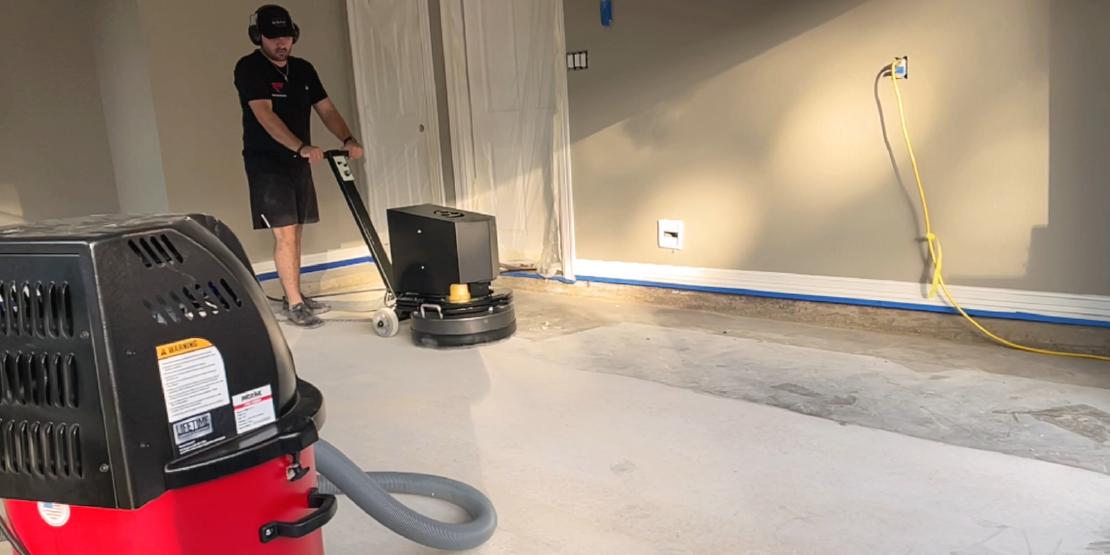
Various elements play a crucial role in determining the longevity and performance of epoxy coatings. Primarily, the surface preparation before the application of the epoxy can have a significant impact. A thoroughly cleaned, smooth, and dust-free surface ensures a strong bond between the epoxy and the surface. Further, the quality of the epoxy mix, including components like hardeners and resins, can considerably affect its resilience and durability.
Another influential factor stems from the curing conditions of the epoxy. The environmental temperature during the curing process is critical; too hot or too cold conditions can result in an improper cure, leading to compromised durability. Besides, the coating application process itself can also influence the durability. Uneven application, improper mixing, or applying without appropriate protective attire can lead to a less durable and potentially hazardous coating. Regular maintenance and inspection can mitigate these issues, enhancing the lifespan of the epoxy coating.
Effects of Environmental Conditions on Epoxy Coatings
Environmental factors play a significant role in determining the durability and longevity of epoxy coatings. Substantial temperature fluctuations, exposure to sunlight and UV rays, and humidity levels are major elements that could potentially affect the performance of the epoxy coating. Extreme temperature variations may cause the surface material to swell or contract, which can lead to premature cracking and peeling off. This is particularly true for epoxy coatings applied to outdoor surfaces that are continually exposed to the elements.
Another influencing factor is the levels of humidity. Humidity can interfere with the curing process of epoxy; high humidity can lead to defects or dullness in the finish. The exposure to UV light can cause the epoxy to yellow or discolor over time. Despite these environmental challenges, certain industrial-grade epoxies are designed with UV inhibitors or can be coated with a UV-resistant topcoat to prevent yellowing and maintain their aesthetic qualities. Therefore, understanding these environmental influences can aid in choosing the correct type and method of applying the epoxy coating.
Regular Maintenance: A Key to Prolong Epoxy Lifespan
Maintaining the longevity of an epoxy coating is largely dependent on regular maintenance. Debris, grime, and dust left unchecked on the surface of an epoxy coating can infiltrate the pores and affect the coating’s life span over time. Regular cleaning using non-abrasive solutions and tools helps prevent the accumulation of this debris, affirming the robustness and sheen of the epoxy. It’s crucial to remember the significance of cleaning frequency; consistent cleaning regimen will safeguard the coating’s quality, resiliency, and integrity, thereby extending its lifespan.
While physical cleaning is vital, it’s equally significant to keep an eye out for signs of damage. Minute cracks, chips, or peeling could be an indication that the epoxy coating has been compromised. Promptly filling these cracks and repairing the damaged coating can prevent further deterioration. Proper maintenance is, indeed, a crucial element protecting the remarkable long-term performance of epoxy coatings. Recognizing the importance of upkeep and diligent maintenance can considerably prolong the lifespan of an epoxy coating, making its initial investment worthwhile.
Decoding Polyurethane Coatings: Basics and Composition
Polyurethane coatings derive their superior strength and flexibility from a chemical reaction between two key ingredients. The first one being a polyol, which contributes to the substance’s flexibility and the second one is an isocyanate, which provides its characteristic toughness. The resulting polymer exhibits excellent adhesive properties, and its high resistance to solvents, abrasion, heat, and UV radiation has made it a popular choice in several industrial applications ranging from automotive finishes to protective glazes for wood and metal.
The manufacturing process introduces different types of polyols and isocyanates at various ratios to achieve a wide range of durability, elasticity, and gloss levels. This means that polyurethane coatings can exhibit different characteristics depending on the targets they are intended to meet. They can be either aliphatic or aromatic, with aliphatic polyurethane coatings being more resistant to discoloration under UV exposure, while aromatic polyurethane coatings are typically less expensive and easier to apply. Understanding these variations is crucial for selecting the right polyurethane coating based on the specific performance requirements of a project.
Estimated Duration of Polyurethane Coatings
Polyurethane coatings, renowned for their high-performance characteristics, exhibit varying lifespans depending on myriad factors. Their durability, not to be undermined, can extend up to a remarkable span of five years or more. The boasted elasticity, resistance to abrasion, and strong adhesion properties contribute to this impressive life expectancy.
Nevertheless, the longevity of polyurethane coatings is not sacrosanct. It could be reduced due to certain adverse conditions. Improper or poor preparation of the surface before applying the coating, inefficient application, and extreme environmental conditions can lead to a reduced lifespan. Variations in these factors can lead to diverse lifespans across different settings and circumstances.
Key Elements Impacting Polyurethane Coatings Durability
Numerous factors profoundly influence the durability of polyurethane coatings. Foremost, the composition and quality of the polyurethane utilized can significantly impact the overall lifespan. High-grade polyurethane tends to have more endurance against the daily wear and tear, providing a stronger shield against abrasion, stains, and impacts. Other elements, such as the thickness of the applied layer and the method of application also play pivotal roles. A uniformly applied, sufficiently thick layer guarantees optimal protection by thoroughly sealing the surface.
Environmental conditions are another significant variable to consider. Polyurethane coatings are susceptible to weather extremes like high temperatures, UV rays, humidity levels, and freeze-thaw cycles. Over time, unabated exposure to such harsh conditions could result in reduced gloss, color changes, and eventually, cracking or peeling off of the coating. Equally, the type of surface to which the polyurethane is applied can determine its durability. Properly prepared and primed surface can significantly boost the lifespan of polyurethane coatings.
Impact of Weather Conditions on Polyurethane Coatings
In the realm of protective coatings, polyurethane offers superior resistance against adverse weather elements due to its inherent properties. Whether the concern is ultraviolet radiation or dampness, this material holds up well. Sunlight, over time, can degrade many types of coatings, but polyurethane has a certain resilience to UV damage. The material maintains its color and finish, resisting the tendency to yellow or fade that many other coatings present under prolonged sunlight exposure. Another nod towards polyurethane’s weather resistance is its superior capability to endure moisture, making it a go-to choice in higher humidity or precipitation-reliant environments.
However, certain weather conditions can still pose challenges to polyurethane coatings’ durability and optimum performance. Extremely cold, freezing temperatures may affect the material’s hardness or elasticity, potentially leading to complications such as premature flaking or chipping. High temperature fluctuations or drastic weather changes can also result in similar issues. In extreme heat, polyurethane may soften and become more susceptible to abrasion or pressure damage. While polyurethane is remarkably resilient to most weather conditions, it’s essential to consider and accommodate these potential weather-related pitfalls for the best results. To sum up, here are the key points to consider regarding the impact of weather conditions on polyurethane coatings:
• Polyurethane provides excellent resistance against harmful weather elements due to its inherent properties. Its resilience towards ultraviolet radiation and moisture makes it a preferred choice for protective coatings.
• The material remains unaffected by prolonged sunlight exposure, maintaining its color and finish without showing signs of yellowing or fading that other coating materials often exhibit.
• It demonstrates superior endurance in high humidity or precipitation-dependent environments owing to its exceptional moisture resistance.
Despite these advantages, certain weather conditions can pose challenges:
• Extremely cold temperatures may affect polyurethane’s hardness or elasticity, leading potentially to premature flaking or chipping.
• High temperature fluctuations or drastic changes in weather could result in similar issues.
• In extreme heat situations, polyurethane might soften and become more prone to abrasion or pressure damage.
Therefore, while using polyurethane as a protective coating material is beneficial due to its remarkable resilience against most weather conditions; it’s crucial also to take into account potential adverse impacts from specific types of severe climate scenarios for optimal results.
Maintenance Tips for Extending Polyurethane Coatings Lifespan
Polyurethane coatings, while renowned for their durability and resistance to harsh conditions, require specific maintenance practices to ensure their longevity. A periodic inspection serves as a crucial strategy in spotting early signs of wear and tear. Spotting flaking or chipping areas, irregularities in color, or the visible substrate are warning signs requiring immediate rework. Therefore, routine visual checks are an essential component in the lifecycle management of polyurethane coatings, preventing minor damages from evolving into major repair requirements.
Another pivotal method of maintaining these coatings lies in cleaning. Dirt and dust overtime can embed themselves into the polyurethane layer, subsequently reducing its visual appeal and potentially compromising its protective attributes. Using a soft, damp cloth is generally acceptable for routine cleaning. For more stubborn stains, a mild detergent coupled with warm water can be used. Avoiding harsh chemicals and abrasive scrubbing tools preserves the coating’s integrity. Respecting these guidelines can significantly extend the lifespan of polyurethane coatings.
Comparing the Longevity: Epoxy vs Polyurethane Coatings
When it comes to longevity, both epoxy and polyurethane coatings put up a strong fight in terms of durability and lifespan. An important factor to note is that the lifespan of these coatings largely depends on the environment they are subjected to as well as the level of maintenance provided.
Epoxy coatings, popularly known for their exceptional adhesion properties, demonstrate a lifespan typically extending between 5-10 years. Moreover, regular cleaning and maintenance can stretch this duration further. On the other hand, polyurethane coatings, recognized for their superior resistance to UV radiation and chemical abrasion, can last for up to 10-15 years. However, their longevity might reduce if they encounter rough weather conditions frequently.
Best Practices for Maximising the Life of Coatings
Ensuring the longevity of both epoxy and polyurethane coatings essentially involves the application of efficient workmanship, appropriate environmental conditions, and regular upkeep. Initially, the correct preparation of the surface plays a pivotal role in the durability of the coating. A clean, dust-free surface devoid of humidity enables a solid bond to form, subsequently enhancing the lifespan of the coating. The utilization of premium quality brushes or rollers for application further ensures an even spread, preventing any premature peeling or flaking. Moreover, adhering to the manufacturer’s guidelines about the thickness of the application bolsters the coating’s lifespan.
The environmental conditions during the application and drying process also wield a significant influence on the durability of coatings. Room temperature conditions (approximately 70 degrees Fahrenheit) are ideal for epoxy coatings, whilst polyurethane thrives best in slightly higher temperatures. Humidity levels should ideally be kept low to prevent any adverse effects on the curing process. In terms of maintenance, regular cleaning using non-abrasive materials helps to preserve the gloss and texture of coatings. Protective measures against direct sunlight and heavy impact can further extend their lifespan. Ultimately, the lifespan of coatings can be maximized through meticulous preparatory tasks, mindful application, and dutiful preservation.
Real-World Examples: Lifespan of Epoxy and Polyurethane in Different Settings
In the construction industry, epoxy and polyurethane coatings have notable applications. Epoxy, often chosen for its robust and durable characteristics, has been widely utilized in industrial and commercial facilities like warehouses, retail stores and garages. Specifically, in a harsh working environment like a warehouse, an epoxy-coated floor can last from 5 to 10 years, under ideal conditions and with proper maintenance.
Shifting focus to polyurethane, this type of coating prolongs its lifespan through distinctive flexibility and UV resistance. For instance, outdoor decks and exterior wood furniture often benefit from this coating. In well-maintained outdoor conditions, polyurethane coatings are reported to have a lifespan ranging from 1 to 5 years before needing a recoat. Still, it’s critical to note that the longevity of both epoxy and polyurethane can be significantly impacted by factors such as surface preparation, application, and environmental conditions.
What are the basic components of epoxy coatings?
Epoxy coatings are made from a two-part thermosetting resin that provides a strong, durable finish. The two parts consist of an epoxy resin and a hardening or curing agent, which react chemically when mixed together.
How long does a typical epoxy coating last?
On average, epoxy coatings can last anywhere from 5 to 20 years depending on the quality of the application, the environment in which it’s placed, and how well it’s maintained.
Are there factors that can affect the durability of epoxy coatings?
Yes, several factors can influence the durability of epoxy coatings. This includes the quality of the application, the specific formulation of the epoxy, and the environmental conditions such as temperature, humidity, and exposure to harsh chemicals or UV light.
What is the role of regular maintenance in prolonging the lifespan of epoxy coatings?
Regular maintenance, such as cleaning and minor touch-ups, is crucial in preserving the appearance and durability of epoxy coatings. It helps to prevent build-up of dirt and grime, and detect any signs of damage early.
Can you explain the composition of polyurethane coatings?
Polyurethane coatings are made from a polymer composed of organic units linked by carbamate links. They can be either oil- or water-based, each with its own set of properties and advantages.
What affects the longevity of polyurethane coatings?
The longevity of a polyurethane coating is influenced by factors such as the quality of its application, the environment it’s exposed to, the formulation of the coating, and how well it’s maintained.
How does weather impact polyurethane coatings?
Weather conditions, particularly UV radiation, temperature fluctuations, and moisture, can affect the durability of polyurethane coatings. However, certain formulations are designed to be more resistant to these factors.
Should I use epoxy or polyurethane coatings for my project?
The choice between epoxy and polyurethane coatings depends on the specific needs of your project. While epoxy is known for its strength and durability, polyurethane is more flexible and resistant to UV rays. It’s advisable to consult with a professional to determine the best option.
What are some real-world examples of the lifespan of epoxy and polyurethane in different settings?
The lifespan of these coatings varies greatly depending on the setting. For instance, epoxy coatings in industrial settings may last up to 20 years, while polyurethane coatings on outdoor furniture could last 10 to 15 years with proper maintenance.
Are there best practices to maximize the life of these coatings?
Yes, proper preparation of the surface, correct application, and regular maintenance are key practices to maximize the life of both epoxy and polyurethane coatings. It’s also crucial to follow the manufacturer’s instructions regarding the curing process.