
The ROI of Investing in Quality Floor Coatings
Understanding the Concept of ROI in Flooring Investments
Return on Investment (ROI), is a key concept in a wide range of business deals and transactions. In the realm of property improvement, it takes on particular significance in flooring investments. This term is a measure of the profits or benefits accrued from an investment, relative to the cost involved. When applied to flooring, it effectively illustrates the monetary or in some cases even non-monetary advantages gained from investing in high-quality floor coatings.
In analyzing ROI for floor coatings, two elements come under scrutiny: the initial cost of coating and the projected benefits. The costs considered encompass not only the price of the coating materials but also labor fees for the installation process. On the other hand, benefits include factors such as increased durability, enhanced aesthetics, potential increase in property value, reduced maintenance costs, and improved safety. A comparison of these costs and benefits offers a clear picture of the ROI for various floor coatings, from standard to high-quality options. This understanding aids in making informed decisions for flooring investments. • The initial cost of floor coatings: This includes the price of coating materials as well as labor fees for the installation process. It is important to note that these costs can vary significantly depending on the type and quality of the coating chosen, along with factors such as size and complexity of the flooring area.
• Increased durability: High-quality floor coatings often provide greater resistance to wear and tear compared to standard options. This results in longer lifespan for your floors, thereby reducing replacement or repair costs over time.
• Enhanced aesthetics: Aesthetically pleasing floorings can enhance the overall look and feel of a property. Different types of coatings offer varied finishes—from glossy to matte—and can be tailored according to individual preferences.
• Potential increase in property value: Well-maintained, high-quality floors could potentially boost a property’s market value. Prospective buyers are likely to appreciate good flooring investments when considering properties for purchase.
• Reduced maintenance costs: With superior durability comes lesser need for regular upkeep. Quality coatings are typically easier to clean and maintain than their cheaper counterparts, which translates into savings in terms of both time and money spent on maintenance tasks.
• Improved safety: Certain types of floor coatings come with added features like slip-resistance which contribute towards improved safety within premises—especially crucial in commercial settings where accidents may lead to significant liabilities.
To sum up, understanding ROI in flooring investments involves careful consideration not just about upfront costs but also long-term benefits that accrue from making wise choices regarding material selection, installation processes, ongoing care requirements among others. By keeping these aspects at forefront while planning any flooring project one can ensure maximum return on investment over time.
Delving into the Importance of Quality Floor Coatings
Quality floor coatings have a significant role to play across residential, commercial, and industrial environments. As a key component of flooring infrastructure, these coatings not only serve aesthetic needs but also contribute to functionality and durability. They are responsible for enhancing the lifespan of floors, improving their resistance to traffic, abrasion, chemicals, and adverse climatic conditions while providing a neat, glossy finish that accentuates the overall décor and impact of the space.
Moreover, these coatings are not just about immediate appearances or short-term benefits. They influence long-term cost-effectiveness, safety, ease of maintenance, and even the overall property value. A well-chosen, high-quality floor coating can stand up to daily wear and tear, reduce maintenance costs, and add to the building’s value. More than a mere surface treatment, a superior floor coating is a strategic investment that pays off over time, proving its pivotal role in sustainable and efficient building care.
Key Factors that Determine the Quality of Floor Coatings
When assessing the quality of floor coatings, one cannot overlook the inherent importance of material composition. Typically, premium quality coatings consist of robust substances such as epoxies, polyurethanes, and polyaspartics, which are revered for their resilience, durability, and resistance against wear and tear. These elements provide a solid foundation, thereby promising a longer lifespan of the flooring. This contributes towards a lower total cost of ownership in the long run, enhancing the return of investment (ROI).
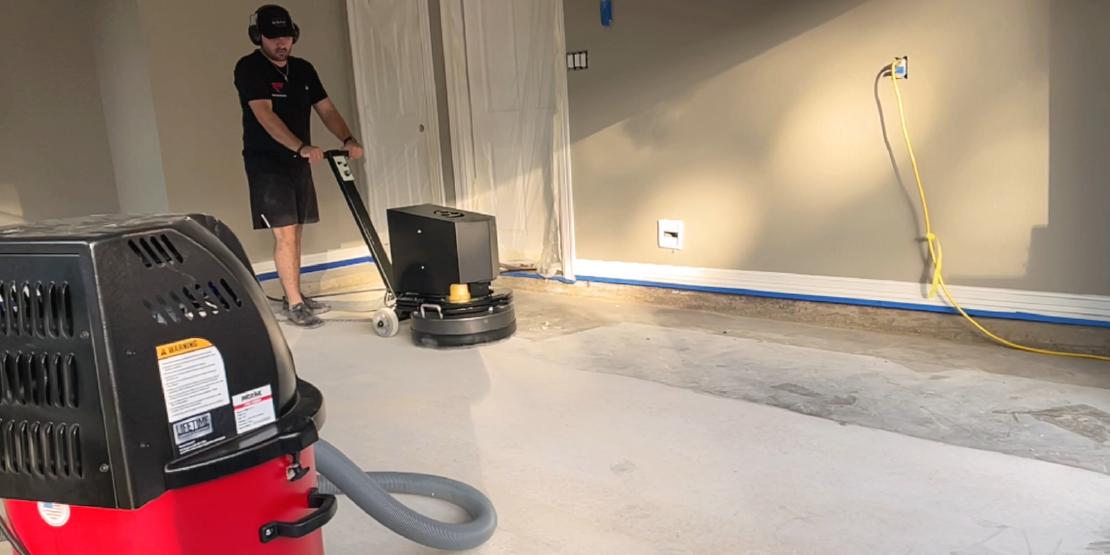
An equally crucial factor is the technical proficiency during the installation process. Even the highest-grade materials can fail to deliver optimal results if not applied correctly. This includes diligent surface preparation, appropriate application techniques, and observance of curing times. Proper installation ensures the coating’s performance capabilities and the resultant durability are not compromised, further solidifying the floor’s long-term value and safety features. Thus, homeowners and businesses alike must prioritize both material quality and installation expertise when investing in floor coatings.
How Quality Floor Coatings Influence Property Value
Quality floor coatings can significantly boost property value. A well-crafted, beautiful floor coating does not only enhance the aesthetic appeal of a space, but also its overall structural integrity. In the real estate market, buyers are often willing to pay a premium price for homes or commercial properties with high-quality flooring. It gives potential buyers assurance of the property’s long-term resilience and lower maintenance costs, making it a more enticing investment.
Furthermore, quality floor coatings can help to extend the lifespan of a property’s flooring. This contributes to the high durability of the building material which in turn can stave off costly repairs or replacements. The potential for reduced maintenance costs over the life of the floor is typically an appealing prospect for prospective buyers. This can in turn increase the perceived value of a property, highlighting the beneficial impact of quality floor coatings on property value.
The Relationship between Quality Floor Coatings and Maintenance Costs
Quality floor coatings play an essential role in reducing maintenance costs in the long run. They offer significant strength and durability, effectively resisting wear and tear. Consequently, frequent replacement or repair is unnecessary, curbing potential expenses. High-quality coatings also prevent damage from spills, abrasions, or impactful loads, acting as a protective shield. This substantially lowers the likelihood of incurring any hefty repair bills.
On the flip side, substandard or inadequate floor coatings may not provide similar protection. Over time, they become prone to cracking, peeling, or chipping, necessitating regular maintenance. Moreover, such poorly finished floors are more susceptible to harsh chemicals or heavy traffic, leading to further damages. The financial impact of these repeated repairs can accumulate, resulting in significantly higher maintenance costs. Therefore, investing in quality floor coatings is not only beneficial for preserving physical appeal but also for minimizing overhead costs.
Reducing Future Expenses with High-Quality Floor Coatings
Investing in high-quality floor coatings today has a direct impact on limiting expenses in the future. These robust coatings are designed to endure, presenting superior resistance to wear and tear compared to conventional alternatives. Unlike standard coatings that need frequent replacement or maintenance, quality coatings are typically long-lasting, curbing the regular repair costs. The indirect cost benefits stemming from lesser disruption of business activities during maintenance periods should also be acknowledged.
Moreover, the joint effect of high durability and low maintenance need of these superior floor coatings contribute to substantial cost savings in the long run. The quality of the coating plays an essential role in preserving the underlying flooring material, further extending its lifespan. The longevity of these coatings means fewer resources are required for replacement and reapplications thus saving significantly on material costs. Although the upfront cost might appear higher, the return on investment over time makes the expenditure worthwhile.
The Lifespan of Quality Floor Coatings
One of the significant benefits of investing in quality floor coatings is their extended lifespan. Unlike regular floor coatings, high-quality variants can withstand the test of time, offering significant savings in the long run. With unique properties such as enhanced resistance to wear and tear, stains, and industrial chemicals, these coatings ensure a durable, long-lasting floor surface. The specific lifespan typically varies depending on the type of coating material used and the frequency of maintenance, but quality floor coatings, generally speaking, outlast standard ones.
Studies suggest that premium floor coatings can last between 10 to 15 years or even longer with regular and appropriate maintenance. Some epoxy and urethane based floor coatings, for example, have been reported to endure high traffic and severe abuses for over 20 years. It’s also worth noting that apart from their longevity, such quality floor coatings maintain their aesthetic appeal and high performance over the years.
Impact of Quality Floor Coatings on Business Image
In today’s highly competitive business scenario, every element of a company’s physical presence plays a vital role in shaping its image. Quality floor coatings, often overlooked, significantly impact a business’s image and reputation. Immaculate and well-maintained flooring demonstrates a company’s commitment to upkeep, efficiency and attention to detail, factors that potential clients and partners consciously or subconsciously judge. The aesthetic appeal brought about by quality floor coatings is also an implicit endorsement of a business’ quality standards and can enhance a property’s overall visual impression.
The selection of quality floor coatings also carries forward a firm’s sustainability efforts. Environment-friendly coatings reflect favorably on a company’s determination towards sustainability and can help in establishing a green image. Specialised floor coatings - such as anti-slip and antimicrobial - have a more direct affect on the perceived image of a company. These coatings indicate that a company prioritizes safety and wellbeing of its employees and visitors, effectively nurturing trust and fostering positive relationships. Thus, the impact of quality floor coatings extends beyond mere aesthetics, underscoring a business’s overarching values and priorities.
How Quality Floor Coatings Enhance Safety and Reduce Liability
Quality floor coatings play an integral role in enhancing safety within commercial and residential environments. They offer a multitude of benefits including increased traction and resistance against trip and fall occurrences. By creating a high-traction, slip-resistant surface, quality coatings significantly minimize the chances of slip-and-fall accidents. Particularly in welfare and high-traffic areas such as healthcare facilities, factories, malls, and schools, these safety attributes prove to be critical for maintaining a safe environment.
Unlike standard coatings, superb quality floor coatings are designed to resist wear and tear even under high traffic, reducing the risk associated with uneven or damaged floors. These coatings also offer superior resistance to chemicals, preventing leaks or spills from creating hazardous situations. Consequently, the implementation of quality floor coatings can significantly cut down on liability-related issues, further saving property owners from onerous lawsuits and related costs. Therefore, a transition to quality floor coatings becomes a worthwhile investment for any business that values safety and risk reduction.
Estimating the Long-Term Savings from Quality Floor Coatings
Quality floor coatings not only offer visual appeal but they also provide a plethora of practical benefits. The primary aspect is the promise of long-term savings, which can be gauged by factoring in the associated cost of maintenance, repair, and replacements over a given period of time. It’s no secret that initial investment in high-quality floor coatings may seem higher, however, the accrued savings over the years make these options more cost-effective in the long run.
To competently estimate the expected savings, it’s important to have a clear picture of the lifespan and durability of your selected floor coating. Premium floor coatings, the ones designed for heavy-duty usage and long-term resilience, substantially outlast their lower-quality counterparts. As a result, they require fewer recoatings or repairs, resulting in vastly reduced material and labour expenses over time. Thus, the savings are realized not only in terms of direct expenses, but also through the added business value due to lesser operational disruptions.
Case Studies: Successful Implementations of Quality Floor Coatings
In examining the practical applications of quality floor coatings across various industries, several successful case studies shed light on its effectiveness. Local retailer, Smith’s Stores, was faced with a constant challenge of wear and tear in their high-traffic areas. Opting for a top-tier polyurethane floor coating, they significantly improved the endurance of their flooring. Post-installation observation showed reduced maintenance costs and positive customer feedback on the aesthetic improvement.
Another noteworthy case study comes from the health sector. St. Jude’s Hospital invested in an anti-bacterial, slip-resistant floor coating to enhance patient safety post a chain of slip-related incidents. Their investment bore fruit with a reduction in slip incidents by almost 40 percent over the following year. This not only improved their safety record but also resulted in lower legal and medical costs. During the annual inspection, reviewers noted the significant improvement in safety standards and aesthetics, boosting the hospital’s reputation.
Comparative Analysis: Quality Floor Coatings Vs. Standard Coatings
Quality floor coatings have a distinct advantage over standard coatings when it comes to durability and longevity. Although standard coatings may seem cost-effective at first, their tendency to wear and tear much more quickly than higher quality alternatives often results in frequent and costly repairs. Additionally, quality floor coatings exhibit stronger resistance to environmental factors such as humidity, temperature changes, and chemical spills, certainly extending the lifespan of the coating.
In contrast, standard coatings, while initially less expensive, do not offer the same level of protection against everyday wear and tear. They tend to degrade under harsh conditions, leading to cracks, chips, and fading which diminish the aesthetic appeal of the floor. Furthermore, the replacement or repair of standard coatings often necessitate interruptions to the regular workflow in a business setting, subsequently resulting in lost productivity and additional expenses. Hence, it becomes clear how quality floor coatings are economically superior and a more prudent investment over standard coatings in the long run.
Making the Right Decision: Evaluating Your Floor Coating Options
Exploring the realm of floor coatings can initially present an overwhelming array of options, ranging from epoxy and polyurethane to acrylic and polyaspartic varieties. Each of these types come with their distinct pros and cons, with factors such as durability, longevity, resistance to chemicals, ease of application and overall aesthetics playing a critical role in the decision-making process. As a potential buyer or investor, understanding these aspects is paramount before deciding on the right floor coating for your specific needs.
A key aspect to consider is the role of the flooring in question - is it an industrial warehouse floor required to withstand heavy machinery? Or perhaps a hospital or hotel lobby which demands a high aesthetic appeal? Maybe it’s a commercial kitchen that requires easy cleaning and high slip-resistance. These specific use-cases come with unique requirements which can significantly influence your choice of floor coating. Therefore, a detailed evaluation of both your immediate needs and long-term objectives should always precede the selection of your floor coating of choice.
What is the concept of ROI in flooring investments?
ROI, or Return on Investment, in flooring investments refers to the benefits or returns you get from investing in high-quality floor coatings compared to the costs. It assesses the value and lifespan of the floor coating against the initial investment.
Why is the quality of floor coatings important?
Quality floor coatings not only add to the aesthetic appeal but also to the durability and safety of the floor. They can increase the property value, reduce maintenance costs, and have a longer lifespan.
What are the factors that determine the quality of floor coatings?
The quality of floor coatings can be determined by factors such as the thickness, toughness, resistance to chemicals and scratches, and how well they adhere to the floor surface.
How can quality floor coatings influence property value?
Quality floor coatings enhance the appearance of the floor, making it more appealing to potential buyers or renters. They also increase the durability of the floor, leading to lesser maintenance and repair costs, which can increase the property value.
What is the relationship between quality floor coatings and maintenance costs?
High-quality floor coatings are more durable and resistant to damage, therefore, reducing the need for frequent repairs and maintenance. This can significantly lower the overall maintenance costs of a property.
How can quality floor coatings reduce future expenses?
Quality floor coatings, though they may be more expensive initially, can reduce future expenses by prolonging the life of the flooring, reducing the need for repairs, and lowering maintenance costs.
What is the lifespan of quality floor coatings?
The lifespan of quality floor coatings can vary depending on the material used and how well it’s applied. However, with proper care and maintenance, they can usually last for many years.
How do quality floor coatings impact a business’s image?
A well-maintained, high-quality floor coating can make a business place appear more professional and appealing, enhancing the business’s image. It also tells your customers that you care about safety and cleanliness.
How do quality floor coatings enhance safety and reduce liability?
Quality floor coatings enhance safety by reducing the chance of slips and falls due to their non-slip surface. This, in turn, reduces the liability risks for the business.
How do you estimate long-term savings from quality floor coatings?
Long-term savings from quality floor coatings can be estimated by comparing the cost of the coating and its application with the savings in maintenance costs and potential increase in property value over time.
How do quality floor coatings compare to standard coatings?
Quality floor coatings typically offer superior durability, longer lifespan, better resistance to chemicals and scratches, and more aesthetic appeal compared to standard coatings.
How can I make the right decision when evaluating my floor coating options?
Making the right decision involves considering factors such as your budget, the type of flooring, the desired appearance, safety requirements, and the potential ROI. It’s recommended to consult with a flooring professional who can guide you based on your specific needs.