
The Role of Floor Coatings in Energy Efficiency
Understanding Floor Coatings and Their Importance
Floor coatings, often overlooked, play a crucial role in the realm of building and interior design. These specialized treatments not only enhance the aesthetics of the floor but also provide key functional enhancements such as increased durability, resistance to wear and abrasion, safety against slips and falls, resistance to chemicals, and increased lifespan of the flooring material. Beyond these, floor coatings have a more silent role, carrying significant implications in terms of energy efficiency and sustainability - areas of escalating importance in today’s architecture and construction scenarios.
The modern age sees an increasing focus on energy-saving and sustainable solutions. Floor coatings, unbeknownst to many, constitute a vital aspect of this agenda. Particularly, energy-efficient floor coatings help in controlling the heat transfer between the floor and the surroundings, thus contributing to the overall insulation of the building. This, in turn, has ramifications on the cooling and heating requirements of the building, which directly affects energy consumption levels. Consequently, the choice and application of floor coatings become a matter of not just aesthetics and longevity, but also energy efficiency and environmental sustainability.
Properties of Energy-Efficient Floor Coatings
The market today offers a range of floor coatings designed not just to improve aesthetics and durability, but also to enhance energy efficiency within buildings. These energy-efficient coatings possess unique properties that set them apart from traditional floor finishes. A paramount feature is their high reflectivity, which allows them to effectively reflect sunlight and reduce heat absorption, subsequently minimizing the need for air conditioning in the summer months. Some coatings even incorporate nano-technology, which imbues them with solar-reflective and thermal-insulating properties.
Others exploit the science of phase change materials (PCMs), capable of absorbing, storing, and later releasing heat, thereby assisting in maintaining consistent indoor temperatures through varying external conditions. The inherent thermal insulation afforded by these coatings aid in reducing energy consumption, particularly for heating during the winter months. Notably, such energy-efficient floor coatings also demonstrate superior durability, helping reduce the frequency and costs of maintenance. Precisely engineered to be low VOC (volatile organic compounds), they contribute to healthier indoor air quality, making them a responsible choice for the environment as well. These multiple beneficial properties collectively render energy-efficient coatings a smart investment for sustainable living and working spaces.
How Floor Coatings Affect Building Insulation
Floor coatings greatly influence the overall insulation of a building. Not solely dedicated to maintaining the aesthetics and durability of floors, these particular coatings also play a significant role in managing heat transfer within structures. This is achieved by either minimizing heat absorption or optimizing heat retention, depending on the coating composition and the specific requirements of the building climate control.
When applied, they effectively increase the thermal resistance (R-value) of floors, forming a barrier that inhibits the movement of heat. In hot environments, such coatings reduce the penetration of radiant heat into the building, thereby limiting the demand for air conditioning. Meanwhile, in colder climates, energy-efficient coatings assist in retaining internal heat, reducing the reliance on heating systems. Hence, floor coatings directly contribute to temperature regulation in the building, highlighting their importance in achieving superior energy efficiency.
The Connection Between Floor Coatings and Heat Transfer
Heat transfer in spaces can significantly be affected by the type of floor coating used. It is critical to understand that floor coatings can directly impact the dissipation, absorption, and reflection of heat within spaces. In essence, the coat interplays with heat energy, acting as a resistance layer that controls the rate at which heat moves from the floor towards the room. In this way, floor coatings serve an incredible function in managing inner building thermodynamics, which influences not only the comfort of its inhabitants but also the building’s overall energy efficiency.
The property of heat transmission via floor coatings can be portrayed by their thermal conductivity. Materials with high thermal conductivity allow heat to pass through them more readily, which might be beneficial in certain circumstances, such as underfloor heating systems. Conversely, coatings with low thermal conductivity act as insulators, reducing the rate of heat transfer. Hence, deciding the correct floor coating significantly relies upon the desired thermal properties.
Reflectivity: A Key Factor in Energy-Efficient Floor Coatings
In the realm of energy-efficient floor coatings, reflectivity plays a pivotal role. This property pertains to the material’s ability to reflect infrared, visible, and ultraviolet light, rather than absorbing the energy as heat. This characteristic, therefore, impacts the overall thermal performance of a floor coating. A highly reflective coating can keep the floor surface temperature significantly lower compared to conventional, low-reflective options. As a consequence, the infrared heat energy is reflected back, thereby reducing the conditioning load and saving energy. So, one can see that choosing a floor coating with high reflectivity can contribute to a more energy-efficient structure.
Besides contributing to energy efficiency, reflective floor coatings can also mitigate the urban heat island effect, a phenomenon where urban or metropolitan areas are significantly warmer than their rural surroundings due to human activities. By reflecting more sunlight, these floor coatings reduce the amount of heat absorbed by buildings and paved surfaces, eventually contributing to a cooler environment. Not only does this property of floor coatings have a direct impact on overall energy consumption, but it also has potential environmental benefits. Thus, reflective floor coatings mark an enhancement in the field of sustainable building materials, promoting energy conservation.
Sustainable Flooring: Energy Conservation Through Floor Coatings
Floor coatings play a pivotal role in promoting energy conservation, hence their designation as key components of sustainable flooring. Key in maintaining an energy-efficient environment, these coatings have a direct link to significant reductions in energy consumption. By reflecting and retaining heat, floor coatings optimize indoor climate control measures, making them energy-saving powerhouses that are undeniably beneficial for both homes and commercial spaces.
By adopting energy-efficient floor coatings, not only does one harness the ability to manage indoor temperatures, but also contribute significantly towards reducing the carbon footprint. Coatings with high thermal mass, reflectivity, and insulation properties constitute the gold standard in the industry. Over time, these coatings can offset their initial cost, with the bonus of delivering lower energy bills. Given their wide-ranging environmental and economic advantages, the importance of floor coatings in constructing genuinely sustainable buildings comes to the fore.
How Floor Coatings Reduce Energy Consumption in Summer
The selection of appropriate floor coatings can significantly contribute to considerable energy savings in summer months. Notably, such coatings possess various properties, including high reflectivity and low heat absorption. These properties minimize the amount of solar radiation absorbed by the flooring. Consequently, the absorbed heat prevents spaces from heating up excessively, thus, reducing energy consumption typically demanded by conventional cooling systems such as air conditioners and fans.
An analysis of the cost implication of floor coatings reveals a dual advantage. On one hand, not only do they reduce energy demands but also decrease maintenance requirements for flooring materials. On the other hand, the quality of indoor air is enhanced as floor coatings emit fewer volatile organic compounds. This aspect improves indoor environment quality, leading to healthier and more comfortable spaces. These factors qualify energy-efficient floor coatings as an indispensable summer tool for homes, industries, and commercial spaces aiming to achieve energy and cost optimization.
How Floor Coatings Retain Heat During Winter
As the cold, winter temperatures set in, energy-efficient floor coatings play a critical role in maintaining a property’s indoor climate. These coatings, often made out of thermally insulating materials, are specifically designed to reduce heat transfer between the floor and the surroundings. Such innovation works by effectively trapping heat within the space rather than allowing it to seep through the floors. This simple yet practical application can result in tangible energy savings, particularly during the chilly months where internal heating systems are often run continuously.
Floor coverings layered with heat-retaining coatings can act like thermal blankets. Energy-efficient floor coatings not only improve comfort but also decrease the necessity for excessive use of artificial heating systems. In essence, the correct coating can become a deterrent to heat escape, allowing the indoor environment to retain a warmer temperature for more extended periods. Thus, when considering energy efficiency in a property, particularly in colder climates, the importance of appropriate floor coatings cannot be underestimated.
The Impact of Floor Coatings on Indoor Air Quality
A considerable concern among homeowners and builders is the effect of floor coatings on indoor air quality. Many of these coatings contain volatile organic compounds (VOCs) that, when released into the environment, can contribute to a range of health issues. Conditions such as eye, nose, and throat irritation, headaches, loss of coordination, and even damage to the liver, kidneys, and central nervous system can be linked to prolonged or concentrated exposure to VOCs. Thus, the balance between functional, aesthetic, and health considerations becomes a critical element while choosing the floor coating.
In recognizing this concern, producers have been working on developing low-VOC or VOC-free floor coatings. These variants fundamentally pose fewer harmful emissions to both the environment and to indoor air quality. Implications of such advancements touch on chronic respiratory conditions such as asthma or allergies. As such, when specifying floor coatings, priority should lay with products touting eco-friendly labels. It should be stated that while low in pollutants, these coatings do not compromise on their protective and decorative functions. However, careful research and understanding of product claims stand vital in this selection process. Reflectivity and heat transfer capacity, as well as longevity, remain as important features for consideration.
The Cost Effectiveness of Energy-Efficient Floor Coatings
When considering an upgrade to energy-efficient floor coatings, the initial cost might be slightly higher than standard finishes. However, homeowners and commercial property owners should consider the long-term financial savings. High-quality, energy-efficient floor coatings deliver substantial returns on investment over time. They aid in reducing energy usage, resulting in lower utility bills, especially in buildings that require significant climate control.
Efficient heat retention in winter and heat reflection in summer are pivotal properties of these floor coatings. The savings they offer in terms of energy costs can be considerable. Beyond this, energy-efficient coatings often require less maintenance than their traditional counterparts, translating to long-term savings on repairs and replacements. From an economic standpoint, the cumulative savings over the lifespan of the coating can make it a worthwhile investment, despite the higher initial cost.
Choosing the Right Floor Coating for Energy Efficiency
Many factors come into play when selecting an energy-efficient floor coating. Primarily, one must consider the material’s thermal properties and reflectivity. Floor coatings with high thermal emissivity can effectively reduce heat transfer, leading to improved energy conservation. Reflective floor coatings, on the other hand, contribute to minimizing heat absorption, enabling the surface to stay cool even under direct sunlight.
Another crucial consideration is the coating’s compatibility with the existing flooring material. Each floor type has unique properties and adhesion requirements, so it’s important to choose a coating that bonds securely and enhances the floor’s overall thermal performance. Additionally, evaluate the product for its durability, maintenance needs, and potential impact on indoor air quality. Choosing a floor coating that introduces minimal VOC emissions will significantly enhance indoor comfort while contributing to energy saving goals.
Implementation and Maintenance of Energy Efficient Floor Coatings
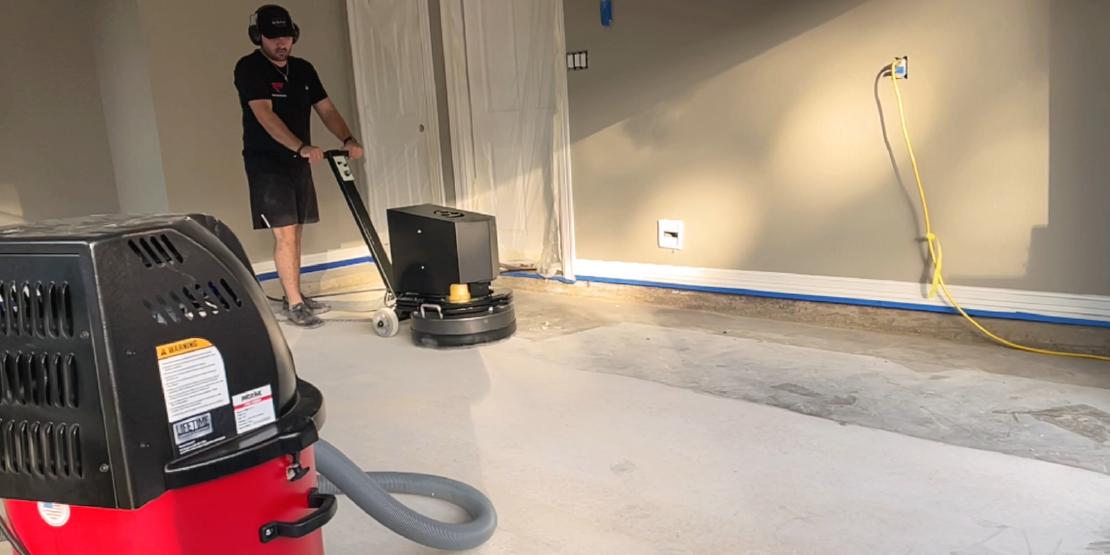
Implementing energy-efficient floor coatings is a process that involves careful planning and execution. It usually starts with the identification of the appropriate floor coating based on the building’s construction materials, locale’s climate, and the expected foot traffic. After the specification stage, preparation of the flooring surface becomes crucial to achieve a high-quality finish. The process typically includes cleaning, repairing any existing damage, and applying a primer. It is important to ensure that the application of the coating is done correctly, typically in multiple layers, ensuring an adequate curing time between each to offer maximum energy efficiency benefits.
Maintenance, on the other hand, guarantees the longevity and the energy-saving capability of the floor coatings. Regular cleaning, using appropriate cleaning solutions so as not to damage the coating, is essential. Depending on the amount of traffic and wear, reapplication or touch-ups might be needed from time to time. By incorporating these maintenance steps, the building can preserve the reflectivity and insulation properties of the coating, thus maximizing its energy conservation potential. For overall success, detailed guides on the maintenance of these coatings should be made available so that the benefits can be exploited for a longer duration.
Case Studies: Energy Savings from Efficient Floor Coatings
In a study published by the International Journal of Energy Research, substantial energy savings were noted in buildings with efficient floor coatings implemented. The research involved multiple commercial buildings across varying climate zones. After the application of floor coatings designed for energy efficiency, an average of 20% reduction was observed in energy consumption during peak summer months. This study further supported the potential of floor coatings in mitigating energy waste and lessening the carbon footprint of commercial buildings.
On the residential front, a case study in Minnesota revealed significant benefits of energy-efficient floor coatings during colder months. The house, a typical single-family, midwestern home, had new thermal floor coatings applied. In the course of the ensuing winter, heating energy usage declined by roughly 15%, leading to a noticeable reduction in heating costs. This case study demonstrated the importance of floor coating’s potential as a heat retention tool, crucial for energy conservation in regions besieged by harsh winters.
What are floor coatings and why are they important?
Floor coatings are protective layers applied over the floor surface to enhance its durability, appearance, and efficiency. They are important because they protect the floor from wear, tear, and damage, extend the lifespan of the floor, and can even enhance energy efficiency.
What are the properties of energy-efficient floor coatings?
Energy-efficient floor coatings have special properties including high reflectivity, excellent heat retention, and good insulation. They also tend to be durable, easy to maintain, and resistant to damage.
How do floor coatings affect building insulation?
Floor coatings can significantly enhance a building’s insulation by reducing heat transfer. This means they can help keep a building cooler in the summer and warmer in the winter, which can lead to significant energy savings.
What is the connection between floor coatings and heat transfer?
The type and quality of floor coating used has a direct impact on heat transfer in a building. Certain types of coatings can reflect heat, while others can absorb and retain it, thus regulating indoor temperature and reducing energy consumption.
What role does reflectivity play in energy-efficient floor coatings?
Reflectivity is a key aspect of energy-efficient floor coatings. Reflective coatings bounce back the sun’s rays instead of absorbing them, reducing the heat gain in a building and therefore lowering cooling costs in the summer.
How do floor coatings contribute to energy conservation?
Floor coatings contribute to energy conservation by reducing heat transfer, reflecting heat in summer, retaining heat in winter, and generally improving a building’s insulation. This can lead to significant energy savings over time.
How do floor coatings improve indoor air quality?
Some energy-efficient floor coatings are formulated to resist the growth of mold, mildew, and bacteria, leading to improved indoor air quality. They also help maintain a consistent indoor temperature, which can contribute to better air quality.
Are energy-efficient floor coatings cost-effective?
While energy-efficient floor coatings may be more expensive up front, they can lead to significant energy savings over time, making them a cost-effective investment in the long run.
How can I choose the right floor coating for energy efficiency?
When choosing a floor coating for energy efficiency, consider factors like its reflectivity, insulation properties, durability, and maintenance requirements. Consulting with a flooring professional can also be helpful.
How are energy-efficient floor coatings maintained?
Energy-efficient floor coatings are usually easy to maintain. Regular cleaning and occasional re-coating can help maintain their efficiency and extend their lifespan.
Are there any case studies showcasing the energy savings from efficient floor coatings?
Yes, there are several case studies showcasing how efficient floor coatings have led to significant energy savings in various kinds of buildings. These can be found in the later sections of the article.