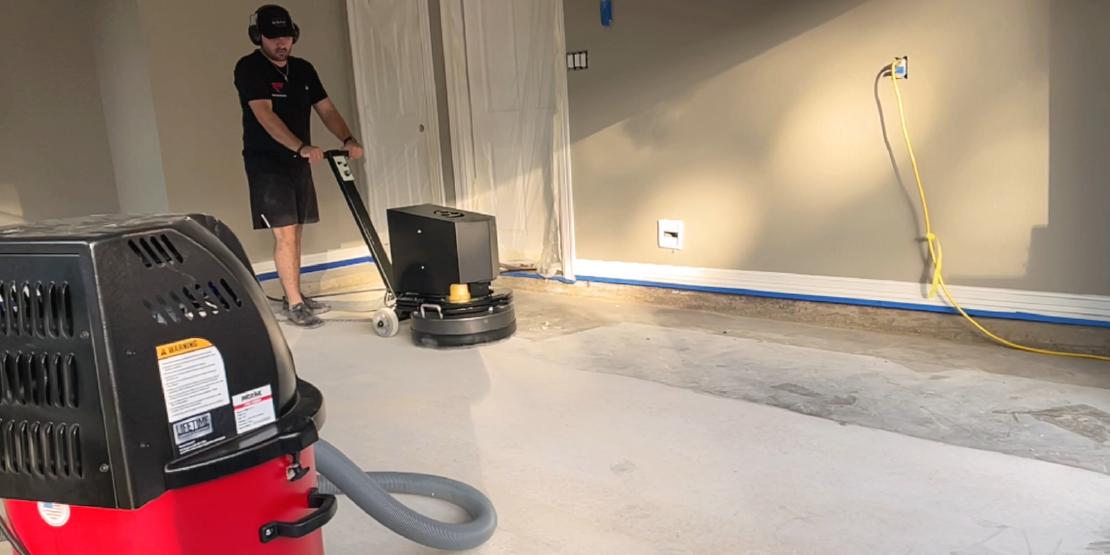

The Role of Professional Installation for Optimal Performance
Understanding Professional Installation
The process of professional installation usually involves having experts handle the fitting and fixing of a particular device or system. These seasoned professionals come armed with the required knowledge, tools, and means to install anything from software systems, home appliances, to machinery equipment. Often, depending upon the sophistication of the installation, it’s just not about fitting in a system, it also involves understanding the environment in which the product is being installed in, adjusting it for optimal performance and ensuring it functions seamlessly with other interfaces.
So, why can’t anyone do this? This is where the line blurs between your regular do-it-yourself (DIY) attempt and a professional installation. Various factors make a difference here, starting from the right skill set and expertise, to making use of the correct tools, and the way in which the installation is carried out. A poorly installed system or equipment will not only impact its functionality, but may also reduce its lifespan significantly. While DIY may seem appealing due to the upfront cost savings, in the long-term, a professional installation could potentially save you a lot more in terms of maintenance and replacement costs.
How Professional Installation Ensures Quality
Professional installation stands as a key element in ensuring the quality of a given product or service. The keen eye of an expert installer can identify, troubleshoot, and avoid potential problems that may not be immediately evident to a novice enthusiast. Combining experience, knowledge, and savvy decision-making, these skilled individuals play an integral role in preserving and improving upon the intended function of a plethora of devices, systems, or applications. They adopt industry-standard techniques, which not only allow for a seamless installation process but also adhere to safety regulations and operational requirements, ascertaining a high level of quality.
Among the assorted benefits of professional installation, one that typically overshadows the rest is its impact on the lifespan of the product. A professional installation ensures that a product is set up optimally, reducing wear and tear and enhancing its longevity. Furthermore, by understanding the intricacies of the component parts, expert installers can optimize the functioning of the device or system, leading to a more effective and efficient performance. Therefore, in a bid to guarantee quality, professional installation is a step that must not be overlooked.
Importance of Expertise in Installation
When talking about installations, the significance of professional expertise cannot be overstated. This is as these experts possess both the knowledge and skills honed through extensive training and experience. They understand the intricate details, safety norms, and the cutting-edge technologies behind these installations. Their expertise ensures that the installation is done right the first time, eliminating the need for costly and time-consuming fixes later.
On the other hand, their professional judgement also plays a crucial role in the overall execution of the project. They can foresee potential issues, offer effective solutions, and make informed decisions that a layperson might overlook. This expert eye, combined with their agility and precision, makes certain that the product performs optimally. It is for these reasons that professional installation is often preferred over DIY efforts. By relying on professionals, the likelihood of mishaps is significantly reduced, ensuring peace of mind for the user.
Benefits of Professional Installation
The most notable advantage of having a product installed by a professional is the guarantee of quality. These experienced individuals have undergone extensive training in their respective fields, ensuring they are equipped with the necessary knowledge and skills to effectively and efficiently complete the installation. Their expertise allows them to quickly identify and troubleshoot potential issues, vastly reducing the likelihood of any mistakes or performance drawbacks in the installed product.
In addition, the utilization of professional installation services often extends the lifespan of products. With meticulous attention to details, professionals ensure each task is carried out with precision, improving the durability and functionality of the installed products. Also, professionally installed products often come with a warranty or post-installation service, adding an extra layer of protection for customers against unforeseen malfunctions or damages. This long-term reliability not only leads to less operational interruptions but also saves consumers from unnecessary costs of product replacements or repairs.
Professional Installation vs DIY: A Comparison
In the realm of installation processes, the stakes are often high when comparing professional work and do-it-yourself (DIY) methods. Professional installation often ensures a high level of expertise, precision, and meticulous attention to every intricate detail of the process. Relying on a well-trained and experienced professional can translate to time saved, optimal performance, and the comfort of knowing that the installation will stand the test of time. This can be majorly beneficial when dealing with complex systems and equipment, where the slightest error could lead to severe inefficiencies.
On the other hand, DIY installation provides an opportunity for hands-on learning and personal involvement in the setup process. For simple and straightforward tasks, it can be a cost-effective method, eliminating the need to pay for professional services. DIY methods allow for flexibility and a personal touch, which some individuals may prefer. Nevertheless, for tasks that require specific knowledge or specialize skills, opting for DIY could lead to suboptimal outcomes and even potential risks. For the layperson, the decision between these two methods largely depends on the complexity of the task and the individual’s familiarity and comfort with the installation process.
Impact of Professional Installation on Product Lifespan
The longevity of a product critically relies on how it is installed. A professional installation ensures that the product has been set up according to the manufacturer’s guidelines and best practices. Quality installation can actively resist wear and tear, reduce potential risks of malfunction, and extend product life. Strong emphasis is often laid on this by professionals who understand the intricacies and technical aspects of a product and its optimal operation.
On the contrary, a poorly executed installation, typically resulting from a do-it-yourself (DIY) approach, can significantly reduce a product’s lifespan. Whether it’s an air conditioner, a home security system, or a piece of software, improper installation can lead to mild to serious functional impairments. This could not only decrease efficiency and performance but also reduce the operating life of the product. Hence, investing in professional installation is more of a proactive measure for prolonged product lifespan.
Enhancing Performance with Professional Installation
Delving into the specifics, one of the critical benefits of professional installation is the performance enhancement it provides. By seeking the aid of experts in the field, you’re essentially guaranteeing that the job gets done correctly using the optimal methods. Specialists are well-versed in the language of their craft, be it electronics, fixtures, appliances, or digital systems. They utilize this skill to propel the functionality of what they install, fine-tuning it to reach its peak performance.
In addition to this, professional installers are trained to identify and anticipate potential issues that could hinder the full potential of the product or system they’re installing. It is this preventative measure that ensures smooth operation and extended lifetime, further amplifying performance. A professionally installed product outperforms a hastily or incorrectly installed one nearly every time, making it apparent that engaging professional installers is no luxury, but a necessity for maximum performance. Professional installation offers a host of benefits, some of which include:
• Performance Enhancement: By using the optimal methods and tools for each specific job, professional installers can ensure that your product or system operates at its maximum potential. Their expertise in their respective fields allows them to fine-tune every aspect of the installation process.
• Anticipation of Potential Issues: Professional installers are trained to identify any possible issues that could arise during the installation process. They then take preventative measures to avoid these problems, ensuring a smooth operation and extended lifetime for your product or system.
• Superior Quality: A professionally installed product is almost always superior in quality compared to one that has been hastily or incorrectly installed. This is because professionals have extensive training and experience in their field, allowing them to carry out installations with precision and care.
• Cost-Efficiency: While it may seem more expensive initially, hiring professional installers can actually save you money in the long run by avoiding costly repairs due to improper installation. Plus, an efficiently running system will also help reduce energy costs over time.
In conclusion, while it might be tempting to try DIY installations or hire cheaper but less experienced workers for your project needs; investing in professional installation services guarantees better performance outcomes. It’s not just about getting the job done - it’s about getting it done right!
Reducing Potential Risks Through Professional Installation
Professional installation greatly reduces the risks associated with various tasks. Skilled experts with in-depth knowledge of the task at hand mitigate danger inherent to certain types of installation or assembly. Missteps due to lack of knowledge or experience can lead to not only product damage but also to potential safety hazards. Hence, entrusting installation to professionals considerably lessens these risks.
Secondly, professionals are trained to adhere to safety regulations and quality standards to protect both the individual and the installed product. Any potential dangers are anticipated and therefore avoided. The high caliber technical expertise of a professional ensures that installation errors are minimal, thus resulting in a safe and optimal operation. By investing in professional installation, you ultimately safeguard your property and peace of mind from potential risks.
Investing in Professional Installation: Long-Term Savings
When you opt for a professional installation, you’re essentially investing in long-term cost savings. The acquisition of a product or service often accompanies the additional expenditure of set-up or assembly. The initial impression may be that cutting out the professional installation saves money. However, this is typically short sighted, as the potential for missteps, the time required, and the subsequent problems that could arise from a DIY approach, can, in the long run, lead to more costs.
Each product installation often features a diverse range of peculiarities and complexities, requiring a unique skill set or precise tools that a layperson may not possess. An experienced professional installer minimizes these potential problems by applying their expertise. This, in turn, often mitigates the risk for any needed future repairs or replacements owing to installation errors, leading to significant cost savings over time, hence the long-term investment in professional installation.
Real-Life Examples of Professional Installation Successes
In the metropolitan city of New York, several buildings have incorporated advanced HVAC systems to keep up with the varying temperature needs. One particular high-rise, aiming to control energy costs, turned to a professional installation firm. Through their expert assistance, the new HVAC system was installed seamlessly and have been operating with 15% increased efficiency compared to previous setting, creating massive annual savings in energy bills.
Consequently, the world-renowned ‘Acme Industries’ in Manchester utilized a collaboration with a professional team for the careful installation of advanced machinery in their new factory. Subsequent regular operations revealed exceptional performance rates, less downtime and increased production speed. This significant surge in efficiency was accredited to the flawless installation by the professionals, making it a shining example in the industrial realm. These real-life cases strongly underline the numerous benefits and tangible successes brought about by professional installation.
Potential Drawbacks of Skipping Professional Installation
There’s an undeniable appeal to the do-it-yourself (DIY) approach. It often seems like an excellent opportunity to save money while actively taking part in the maintenance or improvement of one’s own assets. However, a closer inspection frequently reveals that this path can lead to plenty of unexpected issues and complications, particularly in terms of installation projects. This doesn’t imply that DIY installation is categorically wrong; rather, it means that skipping professional installation can come with drawbacks that many don’t anticipate.
A major concern in DIY installation is a lack of experience and knowledge. Professionals bring a wealth of expertise to the table, which can be vital for ensuring the high performance and longevity of installed items. When you choose to forgo this expertise, the end result might not be up to the mark, potentially leading to a waste of time, resources, and even a risk to safety. Furthermore, while the upfront cost of professional installation may seem overwhelming, the long-term consequences of faulty installation, like expensive replacements and frequent repairs, can cause your expenses to balloon to far more than you initially planned. So, it’s always worth considering the potential drawbacks before deciding to skip professional installation.
How to Choose a Reliable Professional Installer
Making the right choice for a professional installer requires due diligence and thorough research. Start with evaluating the potential installer’s credentials and experience. Certifications, licenses, and years of active work in the industry form a reliable basis for gauging their level of expertise. Understand what these qualifications signify and how they contribute to the quality of installation. Another valuable determinant to consider is the installer’s knowledge in handling similar projects. Experience that aligns with your specific installation needs ensures that the professional is well-equipped to maneuver around potential challenges that might arise during the process.
In the era of online reviews, ratings and feedback on an installer’s previous projects can provide valuable insights into their competence. Customer reviews often highlight aspects that you might not consider asking about, such as punctuality, cleanliness post-installation, and professionalism in communication. Furthermore, gauging the customer support and warranty services offered by a potential installer is critical. These indicators give insight into how dependable the installer could be post-installation. Remember, a competent professional installer values not just the technical aspects but also the overall customer experience, making these factors vital in your selection process.
Final Thoughts on Opting for Professional Installation
The significance of professional installation cannot be overstated in any field or industry. Be it home appliances, electrical fittings, air conditioning systems, car parts, or custom-made furniture; these services are often the difference between efficient performance and frequent malfunctions. It’s noteworthy that professional installations ensure the excellent quality of installments, longevity of the items, and, most importantly, the safety of users.
Utilizing expert services eliminates potential risks, enhances performance, and, over time, proves to be economically beneficial. It’s an investment that reaps rewards in the long run, sparing us from the hassles of constant repairs and expensive replacements. The skills and expertise of professional installers trained explicitly in the task at hand are indeed invaluable. Hence, it becomes a matter of utmost importance to opt for professional installation where expert hands create lasting impressions. On the contrary, neglecting professional installation may lead to higher costs, lower performance, and uncertain risks down the line.
What is professional installation?
Professional installation refers to the process of setting up and assembling a product or system by a trained expert or technician. This can range from home appliances, audio-visual equipment, security systems, and more.
Why is professional installation important?
Professional installation ensures quality and accuracy in the setup of a product or system. This often leads to enhanced performance, greater product lifespan, and reduced potential risks.
How does professional installation differ from DIY installation?
Unlike DIY installation where you set up the product yourself, professional installation involves a trained expert or technician doing the job. They have the knowledge and tools needed to install the product correctly and safely, which may not be the case with DIY installation.
How can professional installation impact the lifespan of a product?
When a product is properly installed by a professional, it typically operates at its full capacity and as per the manufacturer’s specifications, which can significantly extend the product’s lifespan.
What are the benefits of professional installation?
The major benefits of professional installation include high-quality setup, enhanced performance, greater product lifespan, reduced risks, and long-term savings. It also saves you time and effort, which can be invested elsewhere.
Are there any drawbacks of not opting for professional installation?
Skipping professional installation may lead to improper setup, reduced product lifespan, potential risks such as damage or malfunction, and additional costs for repairs or replacements.
How can I choose a reliable professional installer?
When choosing a professional installer, look for credentials like certifications or licenses, check their experience and customer reviews, and ensure they provide a warranty for their work.
Does professional installation always result in long-term savings?
While there’s an initial cost involved, professional installation can lead to long-term savings. This is because properly installed products typically need fewer repairs and replacements, and they operate more efficiently, which can save on energy costs.
Can you provide some examples of successful professional installations?
While this largely depends on the specific product and installation service, examples could include efficiently installed home security systems, perfectly mounted televisions, or intricately set up home theater audio systems.
What are your final thoughts on opting for professional installation?
Opting for professional installation is a valuable investment. It not only ensures quality and safety but also enhances product performance and lifespan, offering long-term savings. It’s especially recommended for complex products or systems, but it can also be beneficial for simpler installations.