
The Role of Sealants in Coated Floor Care
Understanding Floor Sealants
Floor sealants are essential chemical compositions that provide a tough and resistant coating to the surface of floors, effectively offering protection against damage, regular wear and tear, moisture, and stains. The primary role of this protective layer involves creating a barrier between the flooring material beneath and the elements above, including foot traffic, water, and harsher chemical substances. As a result, sealants aid in preserving the aesthetic quality and structural integrity of commercial and residential floors over longer periods.
The potency of floor sealants lies in their durability and sustainability. From concrete to wood flooring, the performance of various sealants varies based on their composition and the type of flooring material. Aggregate floor sealants, epoxy resins, polyurethane sealants, and acrylic sealants are significant examples of the broad spectrum of floor sealant types. Well-chosen and adequately applied sealants enhance the floor’s lifespan, its resistance to environmental factors, and its texture, color, and overall appearance.
Types of Floor Sealants
Broadly speaking, floor sealants can be categorized into two types: penetrating sealers and topical sealers. Penetrating sealers, as their name suggests, penetrate into the pores of the floor material, thereby providing protection not only on the surface but also from within. They are commonly used on porous materials such as stone, concrete, and tile. These sealers do not leave a visible finish on the surface, which helps to maintain the natural look and feel of the floor.
On the other hand, topical sealers are designed to form a protective layer on the surface of the floor. They provide a glossy finish and are typically used on concrete or wooden floors. Topical sealers, unlike penetrating sealants, create a barrier that prevents the penetration of spills and dirt. This makes them particularly useful in areas prone to heavy foot traffic or frequent spills, such as commercial kitchens or public facilities. Despite this, they require more frequent reapplication as they wear off over time.
Benefits of Applying Sealants on Coated Floors
A floor sealant has a major impact on the durability, appearance, and maintenance of coated floors. Primarily, sealants enhance the longevity of floor coatings by providing a physical barrier against foot traffic, moisture, dirt, and chemicals. This protective layer reduces the frequency of replacements and repairs thus offering significant cost savings over time. Furthermore, floor sealants minimize the risks of staining and discoloration, an attribute that keeps the floor looking new and appealing for extended periods.
In addition to enhancing aesthetics, the application of sealant on coated floors results in an overall improvement in hygiene standards. The sealant leaves a non-porous surface that prevents dust, bacteria, and allergens from penetrating the floor, making it easier to clean and healthier for the occupants. Also notably, sealed floors display greater resistance to heat and UV light, attributes that contribute to a more comfortable indoor atmosphere. Such versatile benefits call for the inclusion of sealants in effective floor care strategies.
Selection Criteria for Floor Sealants
When choosing a floor sealant, key considerations should stem from understanding your floor type, room usage, and desired finish. Floor Type plays a crucial role in guiding the choice of sealant, given that different materials react differently to sealants. Hardwood floors, for example, require sealants that offer moisture protection, stain resistance, and enhancement of the wood’s natural color. Concrete floors, on the other hand, benefit from sealants that provide resistance against staining, water, and damage from heavy impact.
Another critical factor to weigh is the Usage of the Room. High traffic areas such as hallways and commercial buildings require sealants with high durability and quick drying times. Spaces exposed to moisture such as bathrooms or kitchens demand sealants offering excellent water resistance. Lastly, the Desired Finish dictates the kind of sealant to opt for. Glossy sealants yield a high sheen finish, whilst satin or matte sealants induce an understated, elegant glow on the floor. Always take into account these selection criteria to ensure a well-protected and spectacular looking floor. To further elaborate, here are the selection criteria for floor sealants:
• Floor Type
- Hardwood Floors: Opt for sealants that offer moisture protection to prevent warping. They should also provide stain resistance and enhance the wood’s natural color.
- Concrete Floors: Choose a sealant that provides resistance against staining, water damage, and heavy impact.
• Usage of Room
- High Traffic Areas (hallways, commercial buildings): The chosen sealant must have high durability to withstand wear and tear. Quick drying times are also essential to minimize disruption in these busy areas.
- Moisture-Exposed Spaces (bathrooms, kitchens): Your selected sealant should offer excellent water resistance to prevent damage from constant exposure to moisture.
• Desired Finish
- Glossy Finish: If you prefer a shiny look on your floor, go for glossy sealants which yield a high sheen finish.
- Satin or Matte Finish: For an understated yet elegant glow on your floor, satin or matte finish would be ideal.
Remembering these factors will ensure that you select the most suitable floor sealant tailored specifically for your needs. A well-chosen product not only protects your flooring but enhances its aesthetic appeal as well.
Application Process of Floor Sealants
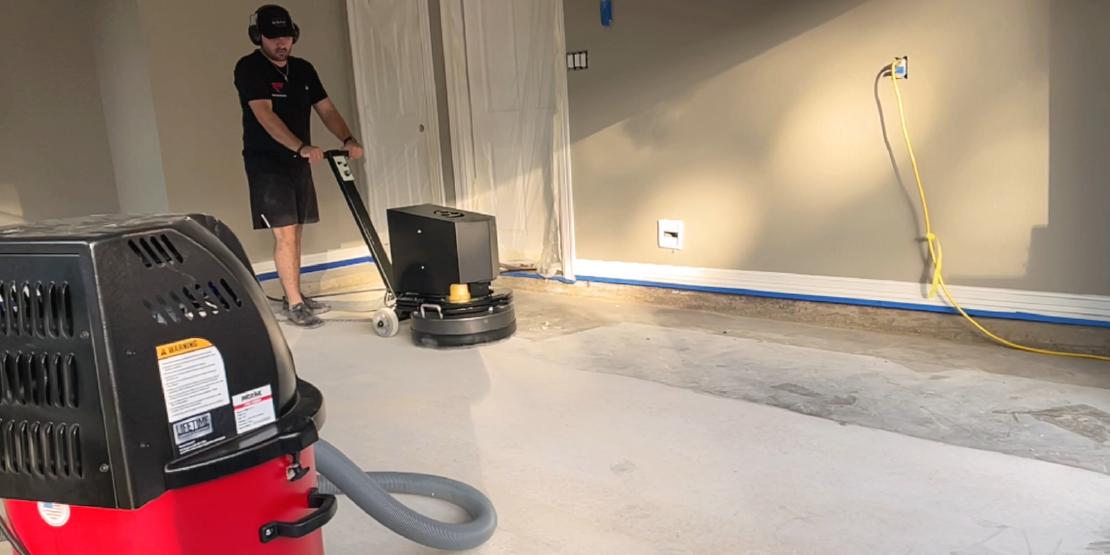
Preparing a surface correctly is the first crucial step towards ensuring the successful application of a floor sealant. Floor preparation involves removing any existing dirt, stains, or wax present. Industrial cleaners and stripping machines are often used in this stage. Another integral part of preparation is the curing of the floor, which means allowing new concrete to achieve maximum strength before the sealant is applied.
Following floor preparation, applying the floor sealant is the next step. Sealants are typically applied using a mop or specialized sprayer, depending on the product’s specific instructions. It’s a meticulous process that must be done uniformly to avoid roller marks or streaks. Typically, two or more coats of the sealant are applied, allowing ample drying time between each coat. It is essential to note that the sealant should be given time to cure before any heavy foot traffic is allowed.
Maintaining Coated Floors with Sealants
The first step in maintaining coated floors with sealants involves the regular cleaning regimen. It is recommended to clean the floor using non-abrasive, pH-neutral cleaning agents. This approach helps prevent the sealant from wearing out quickly while preserving the color and shine. Cleaning should be done with a microfiber mop or cloth to avoid scratching and damaging the floor’s surface.
Potentially harsh conditions, such as heavy traffic or exposure to harsh chemicals, may require resealing sooner. It’s crucial to assess the floor’s condition periodically to determine the need for resealing, focusing specifically on areas of high wear or dullness. Spot resealing can be done, but for uniformity and thorough protection, overall resealing of the entire floor area is recommended. Booking professional sealant services can be helpful to ensure proper application and prevent any uneven patches or bubbles.
Common Challenges in Sealant Application
Applying a floor sealant is a process often fraught with a range of challenges. At times, these predicaments become a significant obstacle to achieving long-lasting and aesthetically pleasing floors. One pervasive issue that users often confront is the development of bubbles or foam in the sealant during application. This problem is typically a consequence of overly aggressive mixing, which introduces air into the sealant. In turn, this air manifests as bubbles or foam on the floor’s surface.
Another prevalent challenge pertains to inconsistencies in sealant application, resulting in uneven coating. This usually occurs due to the absence of a standardized method of application, resulting in different thicknesses across the floor surface. Furthermore, factors like incorrect sealant selection or inadequate preparation of the floor surface can jeopardize the sealant adhesion process, leading to premature peeling or flaking. Overcoming these challenges demands proper knowledge and meticulous attention to the intricacies of sealant application.
Solutions to Common Sealant Application Challenges
One of the most frequent challenges in sealant application is uneven spread, often due to rushing through the process or failure to prep the floor appropriately. To tackle this issue, it’s essential to ensure the floor is thoroughly cleaned and dried before starting. Also, using suitable equipment like a roller or a squeegee can help in even distribution of the sealant. Proper training in sealant application techniques is critical to achieving consistent, satisfactory results.
Another prevalent problem is the occurrence of bubbles or foam in the final finish. This typically results from vigorous shaking of the sealant before application or swift rolling which incorporates air into the product. To prevent foaming, it’s advisable to stir the sealant gently and avoid shaking it vigorously. In addition, slower application speeds can help to reduce the amount of air introduced into the sealant. Both these solutions not only enhance the aesthetic appeal of the floor but also ensure proper sealant function.
Evaluating the Effectiveness of Floor Sealants
Assessing the impact of floor sealants is an essential step in ensuring floor durability and preserving design aesthetics. Different factors can influence the effectiveness of a floor sealant. Firstly, its resistance to abrasion, determined by how well it can withstand continual friction or wear. This attribute is particularly crucial for high-traffic spaces or those with heavy machinery that may frequently move across the surface. Another crucial factor is chemical resistance, gauging how well the sealant can withstand exposure to substances such as grease, oil, or contractors’ cleaning solutions that may degrade its quality.
Testing the sealant for water and moisture resistance presents another critical evaluation aspect, preventing dampness from seeping into the floor substrate and causing lasting damage. A commendable sealant should also maintain a good appearance despite its functionality, retaining floor sheen, smoothness, and color under different burdening conditions. Additionally, the sealant’s adherence and compatibility with the specific floor material and the coating efficiency, preventing peeling or flaking, reflect its effectiveness. Thus, it’s important to consider these factors while evaluating the effectiveness of floor sealants.
How Sealants Affect the Longevity of Coated Floors
Applying sealants to any coated floor can significantly impact its longevity. Sealants provide a protective layer that prevents wear and tear from traffic and external factors such as sunlight and humidity. They form a barrier against spills, stains, and scratches, thereby prolonging the aesthetics and functionality of the floor. Depending on the type of sealant used, floors can retain their original look and feel for many years, making them a cost-effective solution for long-term maintenance.
In essence, sealants function as an extra shield, safeguarding floors from daily stresses while preserving their initial quality. When correctly applied, sealants enhance the durability of the floors by decreasing chances of surface cracking, chipping or other types of physical damage. Moreover, sealants make floors resistant to bacterial and fungal growth, contributing to a healthier living environment. However, the effectiveness of the sealant largely depends on the application method and adherence to maintenance procedures.
Comparing Sealants with Other Floor Care Methods
Floor sealants offer a substantially different approach to floor care than methods such as waxing or polishing. When it comes to floor maintenance, the primary aim is to protect the floor from wear and prevent the penetration of liquids or dirt. Sealants are specifically designed for this, forming a protective layer over the floor surface to repel substances that may cause damage. Waxing and polishing, on the other hand, primarily focus on enhancing the floor’s aesthetic appearance with an emphasis on shine and smoothness.
Although these conventional methods can increase the floor’s shine, they do not offer the same level of protection that sealants provide. Waxing and polishing often require regular applications since they wear off with time, leading to increased maintenance effort and cost. Moreover, they are usually not as effective in preventing liquid penetration, which can lead to difficult to remove stains or even structural damage. As such, while sealants may not produce the same level of shine, in terms of protection and longevity, they offer a more practical and sustainable solution for floor care.
Expert Tips for Maximizing the Benefits of Floor Sealants
To ensure optimal performance from floor sealants, diligent surface preparation is crucial. Before applying the sealant, thorough cleaning and drying of the surface is necessary to ensure proper adherence of the sealant to the base. This can include steps such as sanding, sweeping, vacuuming, washing or even a combination of these procedures. Using tools like motorized scrubbers, high-speed burnishers or automatic floor scrubbers could significantly enhance cleaning efficiency for larger spaces.
Choosing the appropriate sealant type for specific floor materials and environments is also fundamental. Some sealants are purpose-made for certain surfaces like stone, ceramic or concrete, while others may be more versatile. It’s important to take note of the space’s usage. For instance, high traffic areas may require sealants with high durability and resistance to abrasion. On the other hand, for spaces that are frequently exposed to grease or moisture, water or oil resistant sealants would be more suitable. Consulting a professional or a trusted retailer might be helpful in making the right choice.
Innovations in Floor Sealant Technology
Technological advancements have opened up a new era in the realm of floor sealants. They have ushered in more efficient, effective, and sustainable products that are not only beneficial for users, but also congruous with global efforts to curb environmental damage. Nanotechnology, for instance, has brought about significant improvements in the quality and effectiveness of floor sealants. Sealants infused with nanoparticles exhibit enhanced durability, resistance to moisture, and improved adhesion.
Moreover, the advent of smart sealants represents a significant leap forward. These sealants respond dynamically to changes in the environment, adjusting their composition or behavior according to variables such as temperature, pressure, or moisture levels. Ensuring minimal wastage and optimized performance, these smart sealants are revolutionizing the way we approach floor care. Furthermore, technology has also made it possible to create low or zero VOC (Volatile Organic Compound) sealants, contributing significantly to the creation of healthier, more balanced indoor air quality.
What are floor sealants?
Floor sealants are a type of coating applied to floors to protect them from damage, enhance appearance, and extend their lifespan. They work by sealing the pores, preventing the absorption of water, dust, and other substances.
What are the different types of floor sealants?
The main types of floor sealants include acrylic, polyurethane, epoxy, and penetrating sealants. Each type has unique properties and is suitable for different flooring materials.
What are the benefits of applying sealants on coated floors?
Applying sealants on coated floors can offer various benefits including enhanced aesthetic appeal, improved longevity, protection against stains and moisture, ease of maintenance, and increased value of the property.
How do I choose the right floor sealant?
The selection of floor sealants depends on factors like the type of flooring material, the environment in which the floor is located, the level of foot traffic, and the desired finish.
Can you guide me through the application process of floor sealants?
The process usually involves cleaning the floor, preparing the sealant as per manufacturer’s instructions, applying the sealant with a roller or sprayer, and allowing it to dry for a specific period.
How can I maintain a coated floor with sealants?
Maintenance involves regular cleaning to remove dust and dirt, periodic resealing, and using appropriate cleaning products that won’t damage the sealant.
What challenges might I encounter applying sealants?
Some common challenges include improper preparation of the floor, using the wrong sealant type, incorrect application process, and dealing with unsuitable environmental conditions.
How can I solve common sealant application challenges?
Solutions include proper preparation, choosing the right sealant, following the manufacturer’s instructions, and ensuring that the environment is conducive for the application.
How can I evaluate the effectiveness of floor sealants?
The effectiveness of floor sealants can be evaluated by reviewing their performance in terms of protection, finish, lifespan, and maintenance needs.
How do sealants affect the longevity of coated floors?
Sealants can significantly improve the longevity of coated floors by providing a protective layer that prevents damage from moisture, stains, and everyday wear and tear.
What is the comparison of sealants with other floor care methods?
Compared to other floor care methods, sealants provide a more effective and long-lasting solution. However, they require a proper application process and regular maintenance.
What are some expert tips for maximizing the benefits of floor sealants?
Experts suggest choosing the right sealant, properly preparing the floor, following the correct application process, and maintaining the floor regularly for maximum benefits.
What are the latest innovations in floor sealant technology?
Innovations in floor sealant technology focus on improving the performance, environmental friendliness, and durability of sealants. This includes moisture-cure technology, nano-technology sealants, and water-based sealants.