
The Role of Surface Preparation in Floor Renovation
Understanding Surface Preparation
Surface preparation is a critical initial stage in any flooring installation process. It essentially involves preparing the subfloor to ensure a smooth, clean and level surface before the final floor covering is installed. This procedure eliminates any potential problems that could later compromise the quality, durability, and appearance of the final flooring. Establishing a ready subfloor is particularly important when installing tiles, laminates, vinyl, or hardwood.
Executing an efficient surface preparation involves removing surface irregularities, old adhesives, and contaminants. The area must be completely cleared of debris, dirt, or any loose material which can negatively impact the adhesion of the flooring material. Furthermore, it is crucial to inspect the floor for any moisture-related issues and rectify them before commencing with the installation. Subsequently, contractors ensure the floor is perfectly level, making use of specific tools and techniques depending on the surface type.
The Importance of Proper Surface Preparation
Before initiating any floor-related project, a key step often overlooked is proper surface preparation. It lays the groundwork for the success of step-by-step procedures involved in floor installation or refurbishment. Surface preparation is crucial as it largely defines the durability of your flooring, providing increased longevity and resilience to floor damage.
Proper surface preparation ensures a clean and levelled base for the floor material to adhere. Irrespective of the material being used, be it wood, concrete, tiles, or other kinds of flooring, a properly prepared surface can enhance the performance of the installed floor. Therefore, much care and attention need to be allocated to this step to yield the best results in flooring projects.
Types of Floor Surfaces and Their Preparation Requirements
Various floor surfaces require a unique approach towards preparation requirements aimed at ensuring a seamless setting for the finishing procedures. In the case of hardwood, the process includes getting rid of any residual debris as well as trimming any long nails that may be present. It is advisable to sand down the surface for a fine, smooth finish. Additionally, applying a suitable sealer provides a protective layer, enhancing the durability and beauty of the wood.
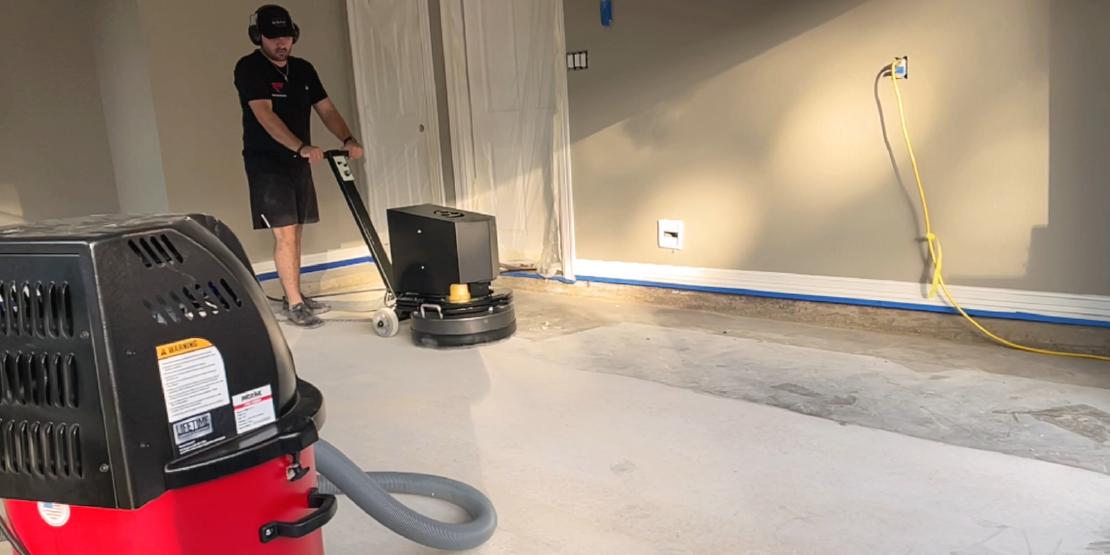
In contrast, concrete floors demand a more rigorous preparation process. It often begins with a thorough cleaning to remove dirt, oil, or any chemicals present. Addressing cracks and chipping is a key step, as it ensures a smooth surface. To further promote adhesion, grinding or shot-blasting of the floor is often performed. Moreover, coating with a primer allows for proper bonding with the final flooring material, thus ensuring the longevity of the floor. The preparation requirements for other surfaces like tile and vinyl also vary, reinforcing the significance of understanding the nuances of each type.
Preparation Techniques for Wooden Floors
Before embarking on the surface amendments of wooden floors, a thorough cleaning is a must. Household supplies such as brooms and vacuum cleaners prove fruitful in removing surface-level dust and grime. Once the superficial dirt is cleared, a deep-cleaning process can be initiated, consisting of specifically formulated cleaning agents for wood surfaces. It’s essential to remember that these agents should not be overly abrasive or contain harsh chemicals, as these can damage the integrity and finish of the wood.
The next crucial step revolves around sanding the wooden surface. Sanding machines can be leveraged to achieve an even, smooth base that contributes to higher adherence of further surface treatments. This helps in effectively eliminating old finishes, stains, or blemishes. Subsequent to sanding, the surface should be finely swept to eliminate the remaining dust. Following these initial steps ensures the wooden flooring surface is ready for the application of new finishes and coatings, ensuring a flawless and durable end result. To simplify, here are the steps to prepare wooden floors:
• Begin with a comprehensive cleaning of your wooden floor. Use household items like brooms and vacuum cleaners to remove surface level dust and dirt.
• After clearing superficial grime, initiate a deep-cleaning process using specially formulated wood cleaning agents. Remember that these should not be overly abrasive or contain harsh chemicals as they can damage the integrity and finish of the wood.
• The next step involves sanding the wooden surface for an even, smooth base. This helps in higher adherence of further treatments on the surface.
• Post-sanding, sweep off any remaining dust from the floor thoroughly to ensure a clean base for subsequent applications.
• At this point, your wooden flooring is ready for new finishes or coatings application which will result in a flawless and durable end result.
The above-mentioned preparation techniques help maintain both aesthetics and durability of your wooden floors while also ensuring their long-term usage without frequent need for repairs or replacements.
Preparation Techniques for Concrete Floors
The effectiveness of concrete floor finishes largely depends on the initial surface grooming. There are various preparation methods which can make this substrate ideal for either sealer application, painting or overlay. However, the selection of the fitting method will largely depend on issues such as the floor size, the type, and extent of contamination, desired finish, timeline, and budget.
Mechanical grinding or shot blasting are commonly utilized for larger, industrial spaces. These methods not only clean the surface but also open up the concrete’s pores, providing an effective grip for subsequent treatments. For smaller or residential areas, acid etching can be a good alternative. This procedure involves applying a mixture of water and muriatic acid. After the reaction ceases, the resulting residue is thoroughly washed. Across all techniques, ensuring a clean, dry, and even surface sets up a solid foundation for a successful concrete floor finish.
Preparation Techniques for Tile Floors
Tile flooring, known for its aesthetic appeal and durability, necessitates precise preparation to ensure a picture-perfect finish. To begin the preparation process, it’s essential to thoroughly clean the tiles, using a mild detergent to remove any dirt, debris, and grease that may compromise the adhesion of any materials applied subsequently. Following cleaning, significant emphasis should be placed on inspection, identifying cracked or loose tiles. These disturbed tiles must be repaired or replaced immediately to ensure a consistent and level surface that inhibits premature wear and enhances the longevity of the flooring installation.
Grinding is another technique fundamental to tile floor preparation. This process, performed using a concrete grinder, helps eradicate high spots, ensuring a flat, uniform surface. Following grinding, a floor leveling compound may be used to fill in any minor dips or depressions, presenting a perfectly smooth surface for any upcoming flooring activities. Indeed, as aptly articulated by experts, surface irregularities if left unaddressed, can lead to an array of complications, affecting the aesthetic appeal of the tile floor. To ensure optimum results, it is vital to proceed with due diligence, employing appropriate tools and following safety measures meticulously during this preparation phase.
Tools Needed for Efficient Surface Preparation
Starting with efficient surface preparation, the tools you utilize can carry significant importance. The right equipment will not only streamline the process but also provide a more thorough preparation. As a starting point, key tools include grinding equipment, dust collectors, scrapers, sanders, and pressure washers. For more specialized cases, equipment like shot blasters might be necessary. Cement mixers can also be important for preparing self-leveling compounds.
On the other hand, choosing the wrong tools can lengthen the process, and even sabotage it. Knowing the specifics of your project helps in determining the necessary tools. For example, a scraper might suffice for removing old carpet glue from a small room, but a larger area might necessitate a power scraper or even a grinder. In conclusion, the appropriate tools can make a significant difference in the efficiency and effectiveness of surface preparation, thereby positively influencing the end result.
Handling Surface Irregularities During Preparation
During the surface preparation process, handling irregularities effectively is crucial. These may include cracks, holes, divots, or bumps, which can hinder a uniform application of finishes, adhesives, or coatings. A smooth, flaw-free surface ensures not only aesthetic appeal but also durability and increased longevity of the flooring. Thus, it is important to identify and repair these irregularities to prevent future complications.
The repair process depends on the type of surface and the extent of the irregularity. For wooden and concrete surfaces, methods such as sanding, patching, grinding, or applying a leveling compound are used. Whereas for tile surfaces, filling in with adhesive material or replacement of damaged tiles might be required. The right tools and expertise can contribute significantly in ensuring an effective repair, preparing the floor optimally for the subsequent procedures in flooring installation or renovation.
Safety Measures During Floor Surface Preparation
When planning floor surface preparation procedures, it’s crucial to make safety a top priority. Irrespective of the floor type - concrete, wooden or tile - exposure to dust, harmful solvents and heavy equipment can pose serious health and safety risks. As such, comprehensive protective strategies should be put in place to ensure the wellbeing of all involved in the process, including both the work crews and the building’s occupants. Safety measures should be everyone’s responsibility at a worksite.
Personal Protective Equipment (PPE), such as goggles, masks, gloves and footwear, is a necessity when working with hazardous materials or mechanical tools. It offers a physical barrier against injuries such as cuts, burns, inhalation of dust particles or contact with harmful substances. Furthermore, training staff in the utilization of safety equipment and adherence to protocols can significantly reduce accident rates. Similarly, during floor surface preparation, it’s imperative to keep the area well ventilated. Working with solvents and chemicals in a confined space can lead to the accumulation of toxic fumes, increasing the risk of respiratory illnesses. Hence, sufficient ventilation systems must be incorporated into the safety measures.
How Surface Preparation Influences Final Results
Surface preparation plays a significant role in the success and durability of floor finishing. When foundation surfaces are well-prepared, the resultant floor coverings exhibit enhanced performance and longevity. This is because the materials used for the final floor covering can strongly adhere to the base surface, increasing stability and reducing the chance of possible damages.
Additionally, proper surface preparation aids in the overall aesthetic appeal of the final product. Imperfections and irregularities in the flooring surface can be corrected during preparation, resulting in a more uniform and smooth finish. This not only enhances visual appeal but also simplifies cleaning and maintenance processes, promoting overall floor health. Hence, the process of surface preparation indirectly impacts the functionality and look of the resulting floor.
Common Mistakes to Avoid During Surface Preparation
One of the most prevalent mistakes made during surface preparation is neglecting to properly clean the floor beforehand. Dirt, grease, and other residues can significantly impact the effectiveness of the preparation process. Leaving these substances on the surface can prevent sealants, paint, or other finishing treatments from adhering correctly. Therefore, thorough cleaning should never be skipped or rushed during the surface preparation stage. Using the right cleaning products tailored for the specific floor material is also crucial to ensure impeccable cleaning without causing any harm to the substrate.
Another common oversight during surface preparation relates to ignoring existing surface irregularities. Cracks, chips, or uneven spots on the floor might appear inconsequential at first glance, however, they may lead to major issues post-application of final finishes. These irregularities can lead to improper adhesion, unappealing aesthetics, or premature wear and tear of the floor surface. Consequently, floors must be meticulously inspected for any irregularities and repaired using suitable fillers or levelling compounds, ensuring a smooth and level surface before proceeding with the application of any finishes.
Maintaining Floor Longevity Through Proper Preparation
It cannot be overstated how important the role of proper preparation is when striving for floor longevity. Through meticulous execution, layers of the flooring system are enhanced, contributing to a floor’s lifespan and overall durability. The preliminary step of surface preparation, which often involves cleansing, leveling, and even reinforcing, directly impacts the quality and lifespan of the succeeding layers of coatings, sealers, or finish.
Equally crucial are the tools and techniques employed in the process. Adopting effective tools and techniques result in a higher standard of surface preparation. Errors are accounted for, ensuring that the flooring receives exceptional treatment which guarantees its promising lifespan. However, the crux of a floor’s longevity does not lie merely within the application of methods and tools. Routine maintenance activities should be designed around preserving the fruits of a thorough preparation process. This underlines the bridge between meticulous preparation and lasting floor durability.
The Connection Between Surface Preparation and Floor Durability
The relationship between diligent surface preparation and the durability of a floor surfaces is both definitive and direct. A properly prepared floor lays a solid base that significantly expands the lifespan of the applied surface coverage, whether it’s paint, epoxy, or any other type of adhesive coating. Preparation steps such as cleaning, smoothing, repairing any damages and applying primer go a long way in reducing the wear and tear, thus ensuring the durability of the floor. This intricate process is what guarantees that the coatings adhere securely, and resist peeling, cracking, or bubbling over time.
If the preparatory steps are not conducted thoroughly, the durability of the floor surface can be drastically compromised. This may lead to poor adherence of the applied floor coverings, exposing the floor to moisture, mold, mildew, and a host of other potential damages. In addition, skipping the preparation stage may create weak links in the surface, making the subsequent layers more likely to fail. Therefore, the process of surface preparation has a profound influence on the long-term performance and durability of a floor.
What is surface preparation in relation to floor durability?
Surface preparation refers to the process of cleaning, repairing, and priming a floor before the final finish is applied. This preparation significantly influences the durability of the floor, ensuring that the material adheres properly and increases its lifespan.
Why is surface preparation important for floor durability?
Proper surface preparation ensures that there is a strong bond between the floor and the coating or covering applied. This prevents issues such as peeling, cracking, or premature wear, thereby enhancing the floor’s durability.
Are all floor surfaces prepared the same way?
No, different types of floor surfaces have different preparation requirements. The specific process varies depending on whether the floor is made of wood, concrete, tile, or another material.
What are the key steps in preparing wooden floors?
Preparation techniques for wooden floors usually involve cleaning the surface, sanding to remove any old finish or defects, and applying a primer before the final finish.
How does surface preparation differ for concrete floors?
For concrete floors, surface preparation may include filling cracks, smoothing rough spots, and applying a concrete sealer to prevent moisture penetration before the final coating or covering is applied.
What tools are needed for efficient surface preparation?
Common tools used for surface preparation include sanders, scrapers, filler applicator tools for cracks and defects, cleaning materials, and sometimes specialized machinery for larger areas or specific types of flooring.
How should surface irregularities be handled during preparation?
Surface irregularities should be addressed carefully during surface preparation. This could involve filling cracks, sanding down high spots, or smoothing out rough areas to ensure a flat, even surface for the final finish.
What safety measures should be taken during floor surface preparation?
Safety measures during floor surface preparation include wearing protective clothing and eyewear, ensuring good ventilation if using chemicals, and maintaining a clean, clutter-free workspace to prevent accidents.
How does surface preparation influence the final result?
Proper surface preparation ensures a smooth, clean, and defect-free surface that enables strong adhesion of the final finish or covering. This results in a visually appealing and durable floor.
What are common mistakes to avoid during surface preparation?
Common mistakes to avoid include skipping steps in the preparation process, not properly cleaning the surface, failing to repair defects, and not allowing sufficient drying time between steps.
How can proper preparation maintain floor longevity?
Proper preparation ensures the floor surface is in the best possible condition to receive the final finish or covering. This leads to improved adhesion, less chance of damage, and ultimately, a longer-lasting, more durable floor.
What is the connection between surface preparation and floor durability?
The connection between surface preparation and floor durability is direct. The more thorough and careful the preparation process, the better the final finish will adhere to the surface. This results in a more durable floor that can withstand wear and tear for longer.