
Thermal Shock Resistant Coatings: For Industrial Use
Understanding the Need for Protective Coatings in Industry
The capabilities of materials in the industrial sector are pushed to their absolute limits. They must withstand harsh environmental conditions, heavy-duty operations, and potential corrosion or degradation that can compromise not only the structure’s integrity but also its performance. This is where the role of protective coatings comes in. These specially formulated substances, including paint, sealants, and varnishes, serve as a fortifying layer to safeguard materials from damaging influences, thus prolonging their longevity and functional capabilities.
Different protective coatings possess distinct properties to tackle the challenges at stake. Some resist physical damages like abrasion and erosion while others combat chemical threats from exposure to pollutants or corrosive substances. There are also heat resistant coatings, specifically designed to endure extreme temperatures and thermal shocks, often used in industries such as aerospace, automotive, and chemical processing. In essence, the function of protective coatings is grounded in minimizing the risks of operational failure, thereby enhancing the overall reliability and safety of industrial applications.
The Specifics of Industrial Coating Performance
Industrial coatings serve a myriad of functions in the realm of heavy-duty industries. These include manufacturing, processing, and transport sectors where equipment and machinery are exposed to extreme conditions. Performance is a vital consideration in industrial coating, determined by factors like its ability to resist corrosion, chemical damage, and abrasion. In addition, heat resistance, durability in various environmental conditions, and adhesion strength are critical specifics that define these coatings’ success in their intended applications.
On a microscopic level, the performance of industrial coatings is influenced by its composition. These are typically combinations of polymers, resins, pigments, solvents, and other additives. Each element contributes to the coating’s overall protective qualities and determines its capability of withstanding various external elements. Thermal shock resistance, for instance, relates directly to the coating’s Thermo-mechanical properties. Clearly, achieving high-quality industrial coating performance demands a deep understanding of its various nuances and targeted application of scientific principles.
The Unique Challenges of Thermal Shock
Thermal shock is broadly defined as the strain experienced by materials when they are subjected to sharp changes in temperature. Its severity is determined by the rate of temperature change and the material’s properties, principally its thermal expansion coefficient and thermal conductivity. The phenomenon’s unusual challenge lies in the thermal inconsistency, leading to varying expansion or contraction rates within the material. Such variances can create significant stress, resulting in damage, particularly cracking and spalling.
In the industrial realm, extreme conditions often expose materials to the detrimental effect of thermal shock. The damage from this phenomenon isn’t just limited to structural integrity but can also affect the material’s performance and lifespan, leading to enhanced operational costs. High-performance industrial equipment, regularly subjected to significant temperature variations, face an elevated risk. Thus, effectively mitigating the destructive potential of thermal shock becomes imperative in the industrial context. The robust solution often comes in the form of protective coatings designed to provide heat resistance.
How Coatings Can Mitigate Thermal Shock Damage
Thermal shock, as withstanding sudden changes in temperature, subjects industrial materials to destructive mechanical stresses. Providing a protective armor, industrial coatings are designed to mitigate such kind of damage. Well-engineered coatings possess thermal expansion coefficients closely similar to those of the materials they protect. By doing so, the coatings expand and contract at rates that match the underlying substrate, reducing stress concentrations and potential damage.
These specialized coatings also offer an excellent heat dispersion, shielding the substrate from harsh temperature swings by evenly distributing thermal energy across the surface. The transferred thermal load is more uniform and gradual rather than rapid and severe, greatly reducing the risk of thermal shock. Additionally, these coatings are often designed with other protective features, such as corrosion resistance, which adds an extra layer of protection to the material.
Key Elements of High-performance Industrial Coatings
High-performance industrial coatings are characterized by several key elements that ensure their efficiency, durability, and adaptability across various industrial scenarios. Central to these is the coating’s chemical resistance, which defines its ability to withstand exposure to a wide range of corrosive substances. Also, the robustness of an industrial coating can be seen in its ability to resist abrasive wear and tear, which is essential in high traffic or high usage scenarios.
Another fundamental attribute is the coating’s thermal resistance, which allows it to function effectively even under extreme temperature conditions. This attribute is significantly beneficial in high-heat industrial environments or for the protection of equipment that experiences frequent temperature fluctuations. Furthermore, the versatility of application methodologies is a crucial factor, as this ensures that the coating can be applied effectively regardless of the shape, size or surface properties of the equipment. The efficiency of a coating is also defined by its ability to maintain its protective properties over time, even in challenging industrial settings.
The Science Behind Heat Resistant Coatings
Heat resistant coatings, characterized by their ability to withstand extremely high temperatures, are an essential material in numerous industries. They owe their properties to a unique blend of specially engineered components and polymers which provide exceptional resilience and integrity. At their core, these consist of silicon-based or ceramic compounds, such as silicone resins or ceramic microspheres. These materials display remarkable stability at high temperatures, thus allowing them to shield and protect the underlying substrate.
On the molecular level, heat resistant coatings function by reflecting and diffusing heat rather than absorbing it. Upon application, they create a protective, non-conductive surface layer that enhances insulation and minimizes heat transfer. This intermediation effectively reduces thermal shock, maintaining the structural integrity of the coated material even under extreme conditions. Creatively combining chemistry with engineering, heat resistant coatings emerge as a bulwark against industrial challenges.
Application Techniques for Industrial Coatings
Diverse applications of industrial coatings require distinct techniques to ensure optimal performance and durability. Important to note, the method chosen often influences the coating’s overall functionality. For instance, while powder coatings are typically applied using an electrostatic spray, liquid coatings may be applied using a variety of techniques such as spraying, dipping, and rolling. Each method presents unique advantages, highlighting the critical role application techniques play in the coating process.
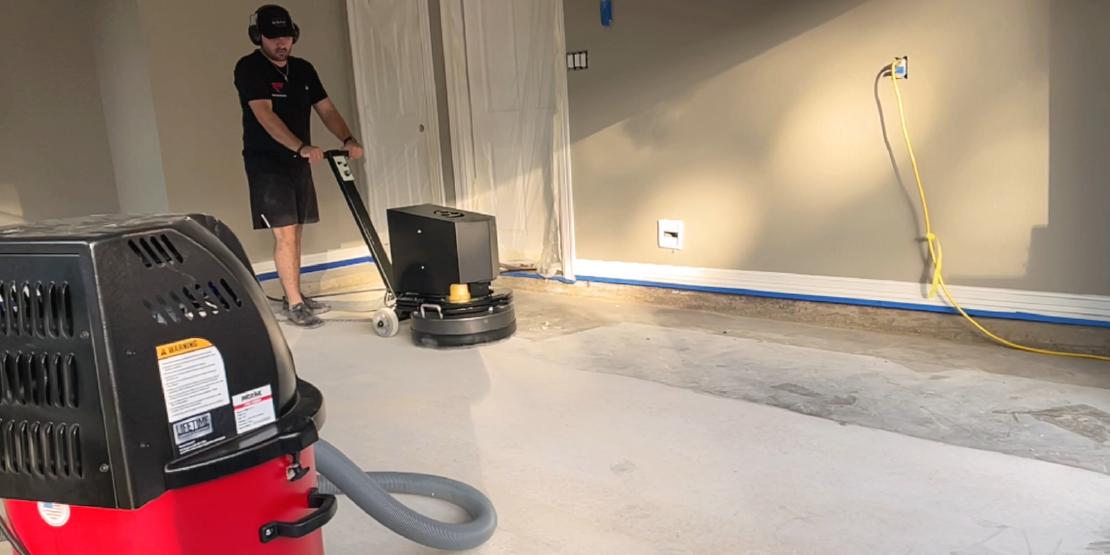
Attention to detail during the application process can determine the lifespan and efficacy of the coatings. For instance, surface preparation before applying the coating is crucial. It involves cleaning to remove contaminants that could inhibit adhesion, as well as roughening to increase surface area and enable robust bonding. The thickness of the layer applied, curing conditions, and follow-up inspections for continuity also contribute significantly to the outcome. Proper understanding and execution of coating application techniques are crucial for maximising performance and longevity.
Maintaining Coating Performance in Extreme Conditions
In industrial settings, protective coatings are often subjected to severe conditions including high temperatures, corrosive materials, and physical wear. This not only tests the durability of the coating itself but also its ability to preserve the integrity of the underlying material. Therefore, a key factor in maintaining coating performance under extreme conditions is to choose a product specifically designed to withstand them. This entails careful selection from a variety of heat-resistant, corrosion-resistant, or abrasion-resistant coating options, depending on the specific operational conditions.
Regular evaluation of coatings is another crucial aspect in terms of ensuring their continued performance. This typically involves thorough visual inspections, checks for signs of degradation or damage, and more targeted test methods. Such measures enable prompt identification of potential problems, thereby facilitating timely response and corrective actions. Robust maintenance protocols and the use of advanced coating technologies can further help preserve coating performance in even the most demanding industrial environments.
Case Studies: Successful Use of Heat Resistant Coatings
Under one examined instance, the petroleum sector utilized heat-resistant coatings to safeguard against the highly volatile situations typical in oil and gas drilling operations. These protective layers proved to be highly effective in maintaining the longevity of the drilling equipment. This led to significantly reduced operational downtimes, which in turn, resulted in substantial financial gains for the companies involved. The success of this venture has led to the wider acceptance of these specialized coatings in the oil and gas industry.
In another case, the aerospace industry implemented heat-resistant coatings on spacecraft components exposed to extreme thermal conditions. The significant reduction in thermal stress-induced damage greatly enhanced the reliability and lifespan of the spacecraft parts. As a result, the components could withstand re-entry into the Earth’s atmosphere multiple times without requiring any major repairs or replacements. Meanwhile, space exploration became more economical as the number of mission failures due to vehicle malfunctions was greatly reduced.
Choosing the Right Coating for Your Industrial Needs
The proper selection of industrial coatings can significantly impact equipment performance, service life, and maintenance costs. It is essential to match the coating’s physical properties, such as hardness, elasticity, and resistance to heat, chemicals, and corrosion, with the operating conditions the equipment will be exposed to. While no single coating can provide optimal protection against all types of damage, industrial coatings are often classified according to their primary function, such as heat resistant, anti-corrosion, and chemical resistant coatings.
Firstly, one must evaluate the operating environment and the nature of the stresses the coating will face. Ensuring that a chosen coating meets the temperature demands, chemical exposure, and physical demands is crucial. After narrowing down options based on these requirements, other factors like cost, reliability, and the lifespan of the coatings should be taken into consideration. Also important are service companies that can provide expert advice, technical support, and reliable application to ensure a successful coating process. The best sealing solution is a balance of performance characteristics, suitable for the intended application, cost-effectiveness, and support services.
Long-term Benefits of Investing in Quality Coatings
Investing in quality coatings provides benefits that extend far beyond the immediate cost-savings. These high-performance solutions are designed to prolong the life expectancy of machinery and industrial equipment, reducing the frequency of maintenance and replacement. They also optimize performance, enabling industries to maximize output and efficiency. Moreover, high-quality coatings protect against environmental factors, like UV radiation and corrosive substances, preventing potential damage and degradation over time.
Aside from the preservation of equipment value, one significant long-term benefit lies in safety. Quality industrial coatings can endure extreme temperatures and conditions, reducing risks associated with equipment failure or accidents. For instance, heat resistant coatings can prevent thermal shock damage, thus ensuring the reliability of equipment even under intense operation conditions. Reduced maintenance and repair time means decreased downtime, leading to higher productivity. A well-coated facility paves the way for a more resilient, efficient, and safer work environment.
Potential Drawbacks and Limitations of Heat Resistant Coatings
Despite the many advantages they bring to industrial settings, heat resistant coatings possess specific limitations that should be accounted for. The high cost of these specialized coatings is one of the most significant drawbacks, making them a substantial upfront investment. Some of the less-expensive options might not offer sufficient protection against thermal shock, leading to further damage and maintenance costs. Also, improper application can lead to inconsistent coverage, reducing the efficacy of the coating and exacerbating rather than mitigating potential damage.
In addition, not all heat resistant coatings are created to withstand the same temperature ranges or conditions. Depending on the operating environment, a coating that resists up to 500 degrees Celsius might be insufficient for industries working at a higher temperature. The time it takes for the coating to cure and become effective is another limitation that needs attention. Some heat-resistant coatings require weeks to cure fully, which may lead to downtime and potential productivity loss. Hence, these factors must be meticulously evaluated before settling on specific heat resistant coatings.
Future Trends and Innovations in Industrial Coatings
Industrial coatings are an ever-evolving field, with novel advancements continually pushing the boundaries of what’s possible. An exciting development on the horizon is the advent of smart coatings. These cutting-edge products incorporate nanotechnology and molecular engineering to create surfaces with unique attributes. Thermal resistance, corrosion protection, and even self-cleaning capabilities are among the properties provided by these advanced coatings. With such high performance, smart coatings are expected to meet the increasingly stringent safety and sustainability standards in various industries.
The rise of ‘green’ and sustainable practices across industries is also shaping the coatings’ landscape. Eco-friendly, low-VOC (Volatile Organic Compounds) coatings are just the tip of the iceberg. Researchers are working tirelessly towards creating a new generation of coatings that are not only benign to the environment but also high-performing and cost-effective. These bio-based coatings, made from renewable resources, are contributing to the efforts of reducing the industry’s carbon footprint while providing superior protection against thermal shock and other harsh conditions. • The introduction of smart coatings is a significant breakthrough in the industrial coatings field. These innovative products utilize nanotechnology and molecular engineering to create surfaces with unique characteristics, such as thermal resistance, corrosion protection, and self-cleaning capabilities.
• Smart coatings are anticipated to meet the increasingly stringent safety and sustainability standards across various industries due to their high performance.
• The growing emphasis on ‘green’ practices is also influencing the direction of innovations in industrial coatings. Eco-friendly, low-VOC (Volatile Organic Compounds) paints represent just one aspect of this trend.
• Researchers are dedicatedly working towards developing a new generation of bio-based coatings that are not only environmentally friendly but also high-performing and cost-effective.
• Made from renewable resources, these advanced bio-based solutions contribute significantly to reducing the industry’s carbon footprint while offering superior protection against thermal shock and other harsh environmental conditions.
Furthermore, another promising development in industrial coating technology involves incorporating antimicrobial properties into coating materials. This innovation has immense potential for sectors like healthcare or food processing where hygiene is paramount.
• Antimicrobial industrial coatings can effectively inhibit bacterial growth on surfaces – an essential requirement in environments demanding high levels of cleanliness.
Lastly, digitalization will play a crucial role in future trends within the industrial coating sector. As industries lean more towards automation and data-driven decisions,
• Digital tools can optimize processes by predicting maintenance needs based on real-time monitoring data from coated machinery or infrastructure.
Overall, these emerging trends highlight how technological advancements continue to revolutionize the realm of industrial coatings - making them more efficient, sustainable, safer for use while maintaining optimal functionality under extreme conditions.
Why are protective coatings necessary in the industry?
Protective coatings are essential in the industry to safeguard equipment and machinery from damages caused by corrosion, abrasion, and extreme temperatures. They help in extending the lifespan of these assets, reducing the need for frequent replacement and maintenance.
What factors determine the performance of industrial coatings?
The performance of industrial coatings is determined by various factors such as the quality of raw materials used, proper surface preparation, correct application techniques, and the operating conditions where the coating is deployed.
What is thermal shock and why is it a challenge for industrial coatings?
Thermal shock refers to the rapid change in temperature that can cause materials to expand and contract, leading to stress and potential damage. This poses a challenge for industrial coatings as they need to withstand these temperature changes without cracking or deteriorating.
How can coatings mitigate damage caused by thermal shock?
Coatings can mitigate thermal shock damage by providing a thermal barrier that reduces the rate of heat transfer, protecting the underlying material from rapid temperature changes. High-performance industrial coatings also have good flexibility and adhesion properties to withstand expansion and contraction without cracking.
What are the key elements of high-performance industrial coatings?
High-performance industrial coatings should have excellent adhesion properties, corrosion resistance, heat resistance, and durability. They should also be flexible enough to withstand thermal expansion and contraction.
How do heat resistant coatings work?
Heat resistant coatings work by reflecting and dissipating heat, protecting the underlying material from high temperatures. They also help in lowering the surface temperature, reducing the risk of thermal shock damage.
Can you advise on the best application techniques for industrial coatings?
The best application techniques for industrial coatings depend on the specific coating and the surface being coated. Common techniques include spraying, brushing, rolling, and dipping. Always follow the manufacturer’s instructions for the best results.
How can one maintain coating performance in extreme conditions?
To maintain coating performance in extreme conditions, regular inspections and maintenance are necessary. Any damages or defects should be repaired promptly to prevent further deterioration.
Can you provide examples of successful use of heat resistant coatings?
Specific examples would depend on the case studies discussed in the article. However, heat resistant coatings have been successfully used in various industries like aerospace, automotive, and manufacturing to protect components from high temperature damages.
How do I choose the right coating for my industrial needs?
Choosing the right coating depends on your specific needs and operating conditions. Consider factors such as the type of material to be coated, the environmental conditions, and the expected performance requirements.
What are the long-term benefits of investing in quality coatings?
Investing in quality coatings can lead to long-term benefits like extended equipment lifespan, reduced maintenance costs, improved safety, and enhanced operational efficiency.
Are there any drawbacks or limitations of heat resistant coatings?
While heat resistant coatings offer numerous benefits, they may have limitations like high costs, complex application processes, and the need for regular maintenance. Also, not all coatings are suitable for all types of materials or operating conditions.
What are the future trends and innovations in industrial coatings?
Future trends and innovations in industrial coatings could include the development of more sustainable and environmentally-friendly options, advancements in nanotechnology for improved performance, and the use of smart coatings that can change properties in response to environmental changes.