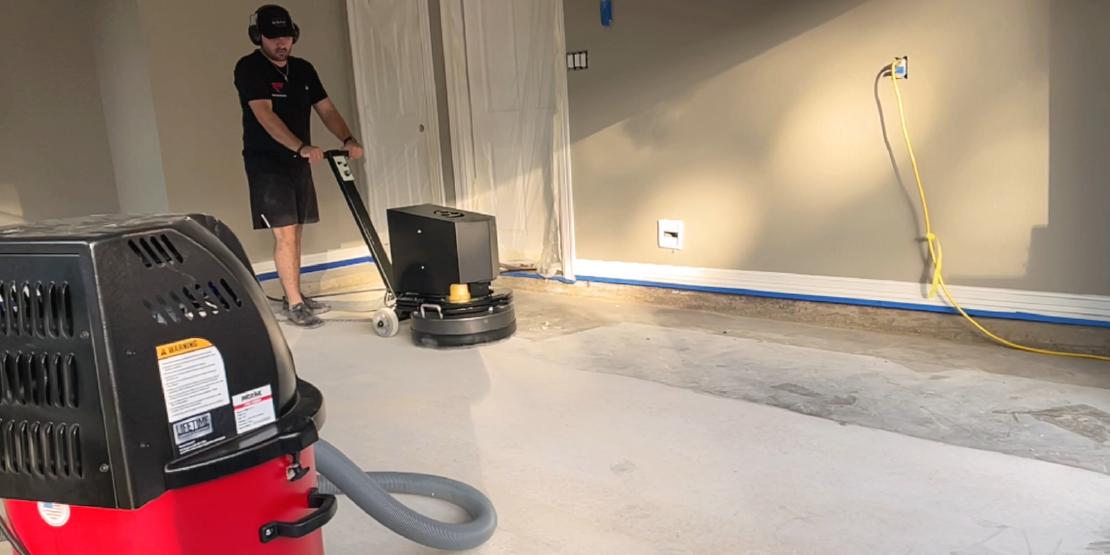

Tools and Materials for Effective Floor Repairs
Understanding the Basics of Floor Repair
The foundation of any good floor repair starts with understanding the basics. Various elements come into play, such as identifying the type of damage, the material of the flooring, and the appropriate tools for the job. The goal is not just to cover up the issue but to address the root cause, in order to prevent future damage.
In order to successfully carry out this task, having a clear understanding of the structure of different floor types is paramount. Hardwood, for instance, differs greatly from laminate or tile flooring. Each material possesses unique characteristics and hence, requires specific tools and techniques for repair. It is essential to rely upon expertise and experiences to ensure the longevity and functionality of the flooring post-repair.
The Importance of Proper Equipment in Floor Restoration
Floor restoration, as demanding as it is also requires meticulous efforts in choosing the right tools and equipment for the job. Having proper equipment not only ensures tremendous work accuracy but also significantly speeds up the process. It reduces the occurrence of unwanted damage that incurs extra repair costs, thus ensuring cost-effectiveness in every project. The use of good quality tools and equipment can guarantee smoothness and flatness of the floor, extending its lifespan and improving its appearance.
Each type of flooring material, be it hardwood, tile, laminate, or carpet, requires specific sets of tools and equipment for its repair and restoration. Relying on the right tools can aid in achieving high precision in the restoration of these varied floor types. Experienced flooring technicians make certain to stock an array of equipment to face any type of floor repair challenge. Hence, selecting the right devices becomes crucial in staining, sanding, polishing, refinishing, or simply fixing these surfaces with absolute perfection.
Selecting the Right Devices for Different Types of Flooring
In the realm of floor restoration, choosing the correct devices is not merely a preference but a crucial necessity. These tools can vary greatly, designed for specific tasks or flooring types, such as timber, marble, concrete, or vinyl. Hardwood flooring often requires sanders and buffers to smooth the surface and remove any imperfections. In contrast, concrete floors may mandate the use of more robust devices, like concrete grinders or diamond tipped drill bits, to cut through the robust material.
The selection process is often governed by the floor’s condition, damage level, and the type of repair to be conducted. For minor scratches on vinyl floors, a simple vinyl repair kit may suffice. However, for extensive damages such as warping or cracking, specialized tools like crowbars, hammers or pneumatic nail guns may be necessary. Similarly, marble floors demand a different set of tools; these include polishing machines to restore the stone’s natural gleam, and diamond-blade saws for precision cutting. Hence, a deep understanding of the unique requirements of each flooring type is integral to the selection of the right devices.
Essential Items Needed for a Successful Flooring Repair
In the realm of flooring repair, a number of key items are indispensable for a successful undertaking. The first among these would be suitable equipment that aligns with the type and extent of repair work involved. For instance, a power scraper or a hand held one would be necessary to chip away at damaged sections of the floor. In the absence of this, one would have difficulty in removing old, damaged materials to make way for the new.
On the other hand, different types of materials are also required for a successful repair, depending on the type of floor in question. For instance, tiles can be replaced with new ones that match the existing color and pattern, while wooden floors may need additional lacquer or polish once the repair is completed. In case of carpets, a patching kit becomes quintessential. Tools like a masonry trowel and a grout float also become essential when repairing tiled floors. Furthermore, safety equipment is another crucial component for a successful flooring repair. This includes items such as protective gloves, safety goggles and knee pads to protect oneself from potential hazards during the process of repair. It’s also important to have first aid kits readily available in case of any accidents.
• A power scraper or hand held one: These tools are essential for chipping away at damaged sections of the floor.
• Replacement materials: Depending on the type of floor being repaired, different materials will be needed. For instance, new tiles that match existing ones for tiled floors; lacquer or polish for wooden floors; and a patching kit for carpets.
• Masonry trowel and grout float: These tools are necessary when working with tiled floors to spread adhesive evenly and fill gaps between tiles respectively.
• Safety equipment: Protective gear like gloves, safety goggles and knee pads are critical in ensuring personal safety during repairs.
• First Aid Kit: Accidents can happen anytime during repair works therefore it’s always wise to have a first aid kit nearby.
Lastly, patience and time management skills play an integral role in ensuring a successful outcome. Flooring repairs can often be lengthy processes that require meticulous attention to detail – rushing through these steps could lead to subpar results or even further damage.
In conclusion, while there may be some variation depending on specific circumstances surrounding each individual flooring repair project - having suitable equipment & materials along with proper planning & execution strategies will undoubtedly contribute towards achieving success in this endeavor.
The Role of Quality Materials in Ensuring Durable Floor Repairs
When it comes to ensuring durable floor repairs, the quality of materials used is of utmost significance. High-quality materials are designed and manufactured to withstand wear and tear, increasing the longevity of the repair job. These materials are also often more user-friendly, allowing for more precision during application which results in a neater, often more effective, repair job.
On the other hand, low-quality materials can lead to unsuccessful repairs. In many cases, they are unable to adequately fill cracks and damages, leading to further deterioration of the floor material. Additionally, they may also lack the necessary resistance to environmental factors such as humidity, high temperature, and general wear and tear, which can result in early failure of the repair. Thus, investing in quality materials is not just important, it’s essential.
Choosing the Appropriate Flooring Supplies for Various Damages
Selecting the right materials is crucial in dealing with different types of floor damages. The choice depends on both the type of flooring and the severity of the damage. Hardwood floors, for instance, feature intricate grains and finishes that could be compromised by excessive moisture or high impacts. In those cases, remedial action necessitates the use of specially formulated repair compounds or wood fillers, designed to mimic the colour and texture of the original surface.
On the other hand, linoleum or tile floors often suffer from cracks or chips, which can be addressed with a quality adhesive and matching replacement tiles or segments. A premium-grade adhesive ensures a firm and durable bond, whilst matching replacements help maintain a uniform appearance across the floor area. Ultimately, understanding these discrepancies and tailoring the choice of repair supplies accordingly can make an enormous difference in restoring a damaged floor to its former glory.
How to Use Equipment Effectively in Repairing Floors
An effective use of equipment is paramount in the achievement of successful floor repairs. First and foremost, it is essential to familiarize oneself with the tools and devices needed for the task. This entails an understanding of not just the design and function of each equipment, but also the technique of its usage. Such understanding helps in avoiding operational errors and preventing potential damage. For hand-held tools such as scrapers and sanders, the user needs to be cognizant of their balance and grip to ensure proper control and usage.
For larger equipment like floor buffers and polishers, their size and weight can pose unique challenges. These complex machines often require specific handling techniques and may even need a certain level of physical strength or endurance. Thus, understanding the operational dynamics of these machines is critical to their effective usage. Operational manuals and usage guides provided by the manufacturer prove invaluable at this stage. Furthermore, attending training sessions or workshops can offer practical experience and useful tips on how to optimize these tools for floor restoration. Amidst learning and implementing techniques, it’s vital to remember that consistent use of all equipment in a proper manner contributes significantly to the effectiveness of the floor repair process.
Tips on Proper Handling and Maintenance of Floor Repair Equipment
Maintaining flooring repair equipment in peak condition is essential for the successful execution of any repair job. This includes routine inspection, regular cleaning, and necessary repairs. Contaminants buildup can degrade the equipment’s functionality, affecting the efficiency and accuracy of repair work. Hence, it is crucial to clean the tools and equipment after every use. Care for equipment doesn’t only mean cleaning and repair; proper storage also plays a significant role in extending its life.
Proper handling of floor repair tools not only preserves their effectiveness but also ensures the safety of the user. To prevent accidents and damage, it is advisable to use gloves, safety glasses, or other protective accessories when working with sharp or heavy-duty tools. Reading and understanding the user manual is beneficial in understanding the tool’s capabilities and knowing how to use it correctly. Therefore, adequate maintenance and correct handling of repair equipment are key factors that contribute to the effectiveness of floor restoration tasks.
The Impact of Using Substandard Materials in Floor Repair
In the realm of floor repair, utilizing inferior or substandard materials can lead to a multitude of negative consequences. These adverse effects are not just immediate, sometimes, they manifest over time, leading to more severe, and unfortunately costly, repairs. Substandard materials, due to their poor quality, are vulnerable to early wear and tear. They may seem cost-effective at first glance, but the frequent need for repair or replacement quickly diminishes any initial savings.
Moreover, these inferior materials can severely compromise the durability and aesthetics of the flooring. Visible signs of warping, fading, or chipping can quickly surface, tarnishing the beauty of the floor. But more than negatively impacting the aesthetic appeal, the use of substandard materials can pose safety risks. Loosened tiles or worn-out linoleum pieces can become accident hazards within the premises. Therefore, strict attention to the quality of materials used is absolutely vital in floor repair projects.
Safety Measures When Using Flooring Repair Devices
Engaging in any kind of floor repair involves several risks due to the varying nature of the devices used. As such, understanding safety guidelines when using these equipment is of paramount importance. Eye and ear protection is mandatory because of the debris and noise generated during operation. The use of personal protective equipment (PPE) such as gloves and safety boots is equally crucial for protecting against accidents that may cause physical injuries. Regular checking and maintaining of machinery also helps to anticipate potential dangers linked to device malfunction.
Special care should be taken when operating power tools which, although effective in speeding up the repair process, can be hazardous if not handled correctly. Knowing how to securely anchor the flooring material is also essential because loose pieces could become projectiles causing grave injuries. Proper ventilation is needed when working with chemicals or adhesives to prevent inhaling harmful fumes. Additionally, the workspace should remain uncluttered to minimize the risk of tripping and falling over scattered materials or tools.
Proper Disposal of Used Materials After Floor Repair
First, it’s crucial to address the issue of discarding used, damaged, or unwanted materials following a floor repair job. The aftercare of a workstation should not be neglected as it directly impacts the overall health and welfare of the working environment and professionals involved. Disposing of materials properly ensures not only a tidy workplace but also reduces the potential risks of mishaps at job sites. This could range from stepping on loose nails to stumbling over offcuts, significantly lessening liability risks.
The type of floor repair materials to be discarded dictates the method of disposal. For instance, old hardwood flooring should be disposed of differently than carpeting or tile. In the case of wooden elements, they should not be burned due to the possibility of toxic emissions. Carpets, on the other hand, are better suited for recycling or donation. Innovative recycling stations now offer facilities to recycle used flooring elements, providing an eco-friendly disposal option. In all cases, the environment must be safeguarded against harmful disposals by adhering strictly to local and international waste management guidelines.
Cost-Efficiency of Investing in High-Quality Flooring Repair Equipment
There’s always a case for investing in high-quality equipment, especially in the realm of floor repair. High-grade tools can withstand extensive use without breaking down, whereas cheap, low-quality tools are more likely to break down at crucial moments, stalling the repair process and leading to costs that may exceed the initial savings. Besides, quality tools tend to be more efficient, providing smooth operation and performance that can significantly speed up the repair process. This time efficiency translates into cost savings, particularly for professional contractors who depend on quick project turnover.
Quality flooring repair equipment also ensures a higher level of precision in the repair process. Precision not only enhances the aesthetic results but also contributes to the durability of the repair. Repairs done with precision aspects tend to last longer, reducing the frequency, time, and cost of future repairs. Similarly, quality repair equipment is often designed to minimize waste, thereby conserving materials and saving costs in the long run. Thus, while the upfront investment in high-quality flooring repair equipment might seem steep, the long-term cost-efficiency it offers is incredibly valuable.
Advanced Techniques in Floor Repair Using Modern Equipment
Modern tools and technology have ushered in a new era of advanced techniques for floor repair. These tools range from state-of-the-art sanders, dust containment systems, to precision cutters and high-frequency heating machines. Their application results in highly effective floor renovation jobs that not only enhance the aesthetic appeal of a home but also add to its functional and structural integrity.
Among the advanced techniques in floor repair is the use of digital infra-red imaging equipment. This tool enables professionals to accurately detect and analyze areas of the floor that require repairing without the need for probing or demolishing parts of the structure. Another innovation is the utilization of low-impact diamond grinding tools for the restoration of stone and hardwood floors. These modern equipment ensure a more efficient, cleaner, and time-saving approach to floor restoration, making the repair process less intimidating for homeowners.
What are the basic principles of floor repair?
The basics of floor repair involve identifying the type of flooring, assessing the extent of the damage, choosing the right tools and materials for repair, and executing the repair method effectively.
Why is it essential to use the proper equipment in floor restoration?
The use of proper equipment in floor restoration ensures precision, efficiency, and durability of the repair. It also minimizes further damage to the flooring.
How do I choose the right devices for different types of flooring?
Choosing the right devices depends on the type and extent of the floor damage, material of the flooring, and the method of repair. It’s advised to consult with a flooring expert or do thorough research before making a decision.
What are some of the essential items needed for a successful flooring repair?
Essential items may include repair materials suited for your floor type, appropriate tools such as hammers, chisels, adhesive spreaders, and safety equipment like gloves and eye protection.
How does the quality of materials affect the durability of floor repairs?
The quality of materials directly impacts the longevity and durability of the repairs. High-quality materials ensure that the repairs withstand wear and tear, thereby increasing the lifespan of the floor.
How can I use equipment effectively in repairing floors?
To use equipment effectively, you should follow the manufacturer’s instructions, employ the right technique, ensure safety measures, and maintain the equipment properly.
What are some tips on the proper handling and maintenance of floor repair equipment?
Ensure your equipment is clean and stored properly after use, check for signs of wear and tear regularly, replace faulty parts, and always use equipment as per the manufacturer’s instructions.
What are the implications of using substandard materials in floor repair?
Using substandard materials can lead to poor-quality repairs, frequent maintenance, and additional costs. It can also potentially damage your floor further.
What safety measures should I follow when using flooring repair devices?
Always wear protective gear, follow the manufacturer’s instructions, ensure the work area is well-ventilated, and keep equipment away from children.
How should I dispose of used materials after floor repair?
Depending on the type of material, used items can be recycled, disposed of in your regular household waste, or may need to be taken to a special waste facility. Always follow local regulations.
Is investing in high-quality flooring repair equipment cost-efficient?
Yes, investing in high-quality equipment is cost-efficient in the long run as it can lead to durable repairs, less frequent maintenance, and a longer lifespan for your floor.
Can you provide insights into advanced techniques in floor repair using modern equipment?
Advanced techniques might include the use of laser leveling for even surface preparation, thermal imaging to detect hidden damages, and high-tech power tools for precise repair. These techniques, coupled with modern equipment, can make the repair process faster and more efficient.