
Troubleshooting Common Coated Floor Issues
Understanding Coated Floor Problems
Floor coatings are primarily applied to enhance the lifespan and functionality of floors, while also elevating their aesthetic appeal. They serve as a protective layer that shields the flooring from damage that may arise due to constant wear and tear, exposure to harsh chemicals, or heavy foot traffic. However, despite these benefits, coated floors often encounter a plethora of problems that can diminish their effectiveness and markedly reduce their longevity.
One of the most common issues pertains to the development of bubbles, cracks, or blisters on the floor surface. Such anomalies typically surface due to poor application, uneven coating, or the use of inferior quality coating materials. The emergence of discoloration and staining is another frequent challenge. These are predominantly attributable to spillage of corrosive substances, exposure to sunlight, or poor maintenance practices. Peeling or flaking of the coating is also a prevalent problem, largely occurring due to the application of the coating on an improperly prepared surface or poor adhesion between the floor and coating material.
Identifying Different Types of Floor Coatings
Coated floors offer an array of visual appeal and functionality. To reinstate their resilience, uniformity, and luster, understanding the type of coating used is critical. There are various types of floor coatings and each holds unique proprieties.
Epoxy coatings are common due to their durability and resistance to chemical spills. This hardy material can be designed to impress with an assortment of color mixtures and creative patterns. Polyurethane coatings, on the other hand, have a slightly flexible finish. This makes them more resistant to scratches and dents. Lastly, acrylic coatings are well-regarded for their UV resistance, making them ideal for spaces with immense natural light. Each coating presents its own strengths and limitations, thus understanding their differences can assist in better maintenance and problem-solving.
Most Frequent Challenges with Coated Floors
Floor coatings, while intended to enhance durability and improve aesthetics, often come with a host of potential problems. Among the most common are peeling or flaking, discoloration or staining, formation of bubbles and cracks, and issues with uneven coating. These flaws can mar the look of your flooring and diminish the lifespan of the coating, ultimately affecting the overall feel and ambiance of your space.
Peeling and flaking usually occur when the coating fails to adhere properly to the surface of the floor. Discoloration and staining, on the other hand, often result from heavy foot traffic, spills, or exposure to harsh weather conditions. Bubbles and cracks often surface when the coating application process is rushed or when the floor is exposed to extreme temperature changes. Uneven coating, finally, is typically a result of poor application technique, a lack or excess of a component in the coating material, or a flawed leveling process.
Recognizing Signs of Damage in Coated Floors
Floor coating damage can present in a variety of ways, such as discoloration, peeling, cracking, or bubbling. Discoloration is often a sign of underlying damage caused by staining, while peeling or flaking may indicate a problem with the original application process or use of inappropriate coating material. It could also be a sign of an underlying issue with the floor substrate. Cracks or chips in the coating can reveal stress impacts or wear and tear, particularly in high traffic areas. It’s important to recognize these signs and address them quickly to prevent further deterioration of the floor coating.
Still, another sign of damage is uneven coating. Uneven application could indicate the floor was not prepared properly, or the coating was not mixed or applied correctly, causing visible inconsistencies in the finish of the coating. The presence of bubbles in the coating is often a result of trapped air during application or moisture trapped beneath the coating. Additionally, signs of poor adhesion such as lifting or shifting of the coating can indicate issues like improper floor preparation or incompatibility of the coating with the floor substrate. Knowledge and proper recognition of these signs of damage are crucial for preserving and maintaining the condition of your coated floors.
Dealing with Bubbles and Cracks in Floor Coatings
When it comes to maintaining the beauty and integrity of coated floors, one common issue is the formation of bubbles and cracks. These unsightly aberrations can be caused by different factors, such as improper preparation of the floor before coating, use of inappropriate coating materials, or exposure to extreme conditions. Bubbles typically occur due to trapped air or moisture. Cracks, on the other hand, may manifest as a result of mechanical impacts or the application of a very thick coating layer.
Addressing bubbles and cracks in floor coatings begins with a thorough diagnosis of the problem. The type, size, and pattern of these defects provide clues as to their root causes. Once determined, necessary corrective measures can be implemented. This may involve removing the affected coating area, preparing the surface properly, and reapplying the coating. In some instances, professional intervention may be required to ensure the appropriate restoration methods are applied, effectively preserving the floor’s aesthetic and functional properties.
Addressing Discoloration and Staining on Coated Floors
Among the common issues experienced with coated floors, discoloration and staining feature prominently. These unwanted defects are typically results of incorrect or inadequate application of the coating, prolonged exposure to UV light, harsh cleaning agents, and staining compounds like oil, grease, or food spills. Particularly in high-traffic areas or commercial spaces, maintaining the pristine aesthetics of coated floors can be a continuous endeavor.
To effectively counter these issues, a multi-pronged approach is recommended. One must ensure the use of high-quality and UV-resistant floor coatings, followed by proper application techniques that are imperative to prevent premature discoloration. Regular and gentle maintenance routines can help avoid exacerbating stains over time. For pre-existing stains, specialized cleaning compounds and techniques may be used, or if required, partial or complete re-coating may be necessary.
Managing Peeling or Flaking Floor Coatings
One of the common issues faced in coated floors is peeling or flaking. This defect is generally caused by poor adhesion, age or improper application of the coating. Other culprits can include excessive moisture, exposure to drastic temperatures, or use of inappropriate cleaning products. Peeling and flaking not only diminish the aesthetic appeal of a floor, they also expose the floor to potential damage and compromise its durability.
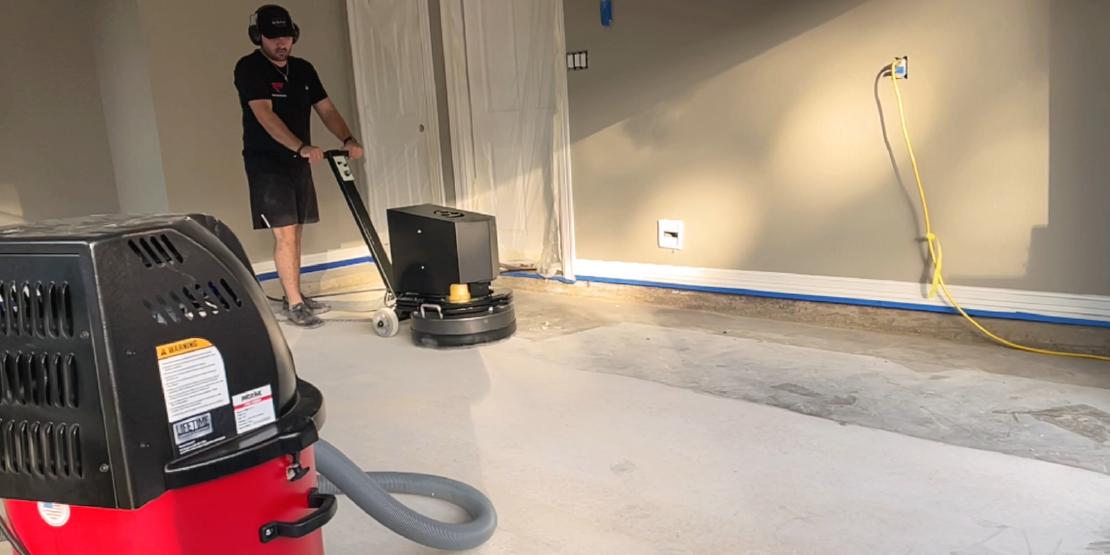
Addressing this issue involves identifying the cause of the problem. Once the root cause is established, necessary corrective actions can be taken. Preparation is paramount before applying a new coating; the floor must be properly cleaned and any loose or flaking coating should be removed. A professional coating service may use sophisticated machinery to conduct this process efficiently and effectively. Depending upon the severity of the peeling, a full floor resurfacing may be required, while minor flaking can often be addressed through patch repairs and resealing the protective floor finish.
Resolving Issues of Uneven Coating on Floors
One significant issue related to floor coatings is the problem of uneven application. This particular hindrance is usually due to imprecise installation process, inadequate surface preparation, or use of improper tools. It not only impacts the aesthetic appeal of the floor, but could also compromise its functional purpose. The first step to address this issue, then, is to identify the root cause. This could involve a thorough inspection of the material used, the method of application, the surface condition before coating, and even the environmental factors present during installation.
Once the cause has been identified, remedial measures can be taken to resolve the problem. In case of application inconsistency, hiring a professional floor coating service can help ensure a smooth and level coat. If surface imperfections led to the issue, the floor may need to be stripped, repaired, and re-coated. Choosing the right tools can also play an integral part in achieving a uniform coat. For instance, using a notched squeegee can help evenly distribute the coating material. Remember, however, that proper prevention measures should be the first line of defence against uneven floor coatings.
Correcting Poor Adhesion of Floor Coatings
Poor adhesion of floor coatings is a common issue often encountered during the maintenance of coated floors. This problem can manifest in a variety of forms, such as peeling or flaking, which can greatly diminish the aesthetic appeal of the floor and may contribute to more serious structural issues. The reasons for poor adhesion range from an improper application process, not allowing for sufficient drying or curing time, or the use of incompatible materials during the initial layering process.
Addressing poor adhesion demands understanding of both the source of the problem and the appropriate resolution technique. In some cases, it may be as simple as applying another coating layer to augment the existing one, while other scenarios may call for a complete stripping of the present coatings and reapplying them correctly. Ensuring the proper preparation of the floor surface prior to coating application, choosing the right coating material, and allowing for proper drying time are all critical factors in both preventing and resolving poor adhesion issues. Regular inspection and maintenance are also instrumental in early detection of poor adhesion signs, thereby allowing for timely intervention before the problem escalates.
Preventative Measures for Coated Floor Challenges
Maintenance and care of coated floors can go a long way in preventing damage and elongating the lifespan of the floor. Adequate preparation prior to the application of the coating can save a substantial amount of time and money by helping to fend off potential issues such as peeling, discoloration, and poor adhesion. Proper preparation includes steps like thorough cleaning, repairing existing damages, and ensuring the floor is completely dry before the coating is applied.
Consistent maintenance is also key to maintaining the integrity and aesthetic of coated floors. A big part of consistent maintenance involves routine cleaning with recommended cleaning products, immediate wiping up of spills to prevent staining, and avoiding high impact activities that could cause chips and cracks. Additionally, using walk-off mats at entrances can help to reduce the amount of dirt and grit that gets on the floor, which can cause wear and tear over time. Regular assessment for signs of wear or damage is advisable to catch any issues early before they develop into bigger problems.
Maintenance Tips for Prolonging Coated Floor Life
To extend the lifespan of your coated floor, routine maintenance is indispensable. One of the first steps is regular cleaning. Use a broom or a vacuum to remove dust and debris from the surface. In addition, mop the floor periodically with a pH-neutral cleaner specially designed for coated floors. Avoid harsh cleaning agents as they can damage the coated surface.
Periodic inspections can also help detect issues early before they become significant problems. Inspect the floor for chips, cracks, or bubble formation which are early signs of damage. Make sure to address these issues promptly to prevent further deterioration. Moreover, avoid dragging heavy objects across the floor and use floor protectors under furniture to prevent scratching or denting. These practices go a long way in preserving the appearance and functionality of your coated floors.
Professional Solutions for Coated Floor Problems
Engaging professionals in the maintenance and repair of coated floors can significantly minimize further issues. Their expertise allows for in-depth inspections, accurately identifying the root cause of existing problems. They employ techniques that are sophisticated and tailored to the nature of the issue. This includes addressing prevalent problems such as bubbling, peeling, staining, uneven coatings, poor adhesion, or significant cracking.
The tools used by professionals for floor repair often surpass typical household resources. They are trained and equipped to handle coatings of all types whether they are epoxy, urethane, polyaspartic or acrylic. Additionally, they also provide insights and recommendations on how to properly take care of coated floors consequently extending their lifespan. Whereas DIY attempts may provide temporary solace, professional solutions offer longevity, significantly enhancing the aesthetics and durability of your flooring. Professional solutions for coated floor problems involve several key steps and advantages:
• Comprehensive Inspection: Professionals conduct a thorough examination of the flooring to accurately identify the underlying issue. This allows them to address it directly, rather than just treating the symptoms.
• Tailored Techniques: Based on their findings, professionals employ sophisticated techniques that are customized according to the specific problem. Whether it’s bubbling, peeling, staining or cracking - each issue is tackled in a unique manner.
• Advanced Tools: Unlike typical household tools, professionals use advanced equipment designed specifically for floor repair tasks. These high-grade tools enable them to handle coatings of all types effectively - be it epoxy, urethane, polyaspartic or acrylic.
• Expert Advice: In addition to providing repair services, professionals also offer valuable advice on how to maintain your coated floors properly. By following their recommendations you can extend the lifespan of your flooring significantly.
• Longevity & Aesthetics: While DIY repairs may provide short-term results; professional solutions ensure long-lasting outcomes that enhance both durability and aesthetics of your flooring.
In conclusion: Engaging professional services for maintaining and repairing coated floors is indeed an investment worth making. Not only does this approach save time and effort but also ensures optimal performance and longevity of your flooring system while preserving its aesthetic appeal.
Additional Resources for Coated Floor Care and Repair
When it comes to caring for and repairing coated floors, several resources can provide comprehensive guidance and expert insights. In this digital era, online platforms such as home improvement blogs, websites, YouTube channels, and podcast series offer a plethora of tips and tutorials. Many of these platforms host floor coating experts who distill their professional experience into easy-to-understand content that benefits homeowners and professional contractors alike. Furthermore, advice provided online often encompasses a broad range of floor coating types, making it a versatile learning resource.
For hands-on assistance and expert advice, local hardware stores and home improvement centers can be treasure troves. They often have experienced staff ready to help troubleshoot problems and recommend suitable products for any coated floor challenges. Additionally, it’s worth tapping into the knowledge of professional floor coating services. Their years of experience dealing with a variety of coated floor issues can often provide solutions that may not be readily available in mainstream resources. They can offer invaluable advice on everything from selecting the right type of coating and applying it correctly, to preventative measures and maintenance tips.
What are some common problems with coated floors?
Some of the most common issues with coated floors include bubbling, cracking, discoloration, staining, peeling, flaking, uneven coating, and poor adhesion of the floor coatings.
How can I identify different types of floor coatings?
Different types of floor coatings can be identified based on their appearance, texture, and the materials used. Information from manufacturers or professional floor experts can also be useful in identifying the type of floor coating.
What are some signs of damage in coated floors?
Signs of damage in coated floors can include bubbles or cracks in the coating, discoloration or staining, peeling or flaking of the coating, unevenly applied coating, or poor adhesion of the coating to the floor.
How can I deal with bubbles and cracks in floor coatings?
Bubbles and cracks in floor coatings can be dealt with by sanding the affected area, filling the cracks or bubbles with a suitable filler, and re-applying the coating. However, it is recommended to seek professional advice to ensure proper repair.
What can be done to address discoloration and staining on coated floors?
Discoloration and staining on coated floors can often be addressed by cleaning the floor with a suitable cleaning product. If the stain is persistent, it might require sanding and re-coating.
What should I do if the floor coating is peeling or flaking?
Peeling or flaking floor coatings can be fixed by removing the loose coating, preparing the surface properly, and reapplying the coating. Often, a professional service is needed to ensure the best results.
How can I correct poor adhesion of floor coatings?
Poor adhesion of floor coatings can be corrected by removing the existing coating, preparing the surface thoroughly and applying a new coating. It is always advisable to use high-quality products and follow the manufacturer’s instructions for best results.
What preventative measures can I take for coated floor challenges?
Regular maintenance, using the right cleaning products, avoiding harsh chemicals, and re-coating when necessary are some preventative measures for coated floor challenges.
How can I prolong the life of my coated floor?
Regular cleaning, using appropriate products, and addressing any issues promptly can help prolong the life of your coated floor.
Can I seek professional solutions for coated floor problems?
Yes, professionals who specialize in floor care and repair can provide expert solutions for coated floor problems. They can diagnose the issues accurately and provide the best course of action for repair or maintenance.
Where can I find additional resources for coated floor care and repair?
Additional resources for coated floor care and repair can be found online, in home improvement stores, or by consulting with professionals in the field. You can also check manufacturer’s guidelines or DIY home improvement books and blogs.