
Troubleshooting Common Issues in Floor Coating Application
Understanding the Basics of Floor Coating Application
Floor coating applications form a significant facet of maintaining the longevity and aesthetic appeal of various floor surfaces. Prior to the application process, an understanding of the components and functionalities of different coatings is indeed essential. Among the myriad of available options, the most common types include epoxy, polyurethane, and acrylic. Each type offers a unique blend of longevity, resistance attributes, and visual allure, allowing one to choose according to specific requirements.
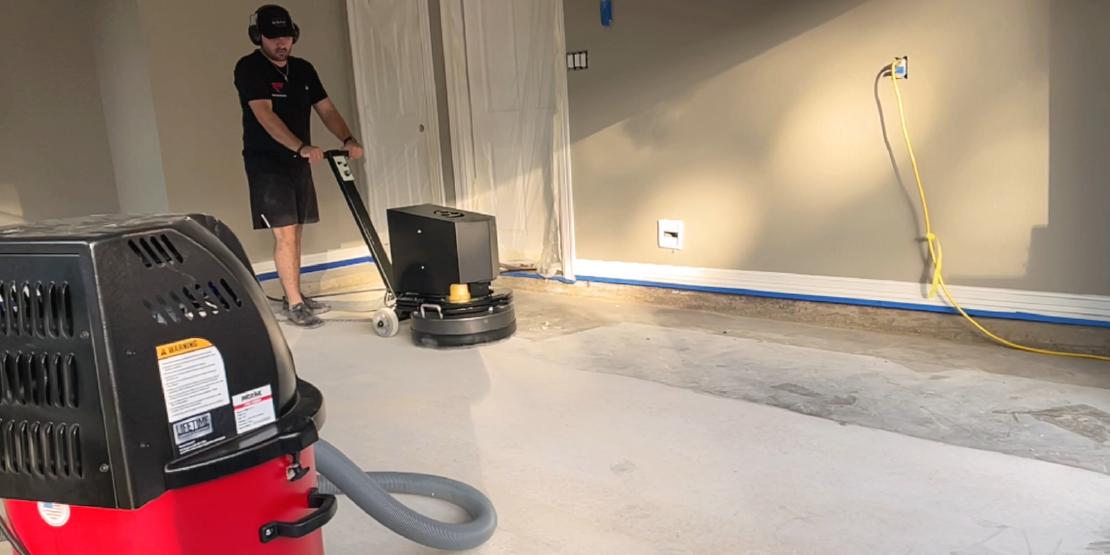
The application process generally consists of preparatory, priming, and finishing stages. Preparatory work mainly involves cleaning and ensuring the floor is devoid of contaminants, dust, or existing coatings, followed by inspections for cracks or damages that require repairs. Subsequently, the initial coat or primer is applied to enhance the substrate’s adhesion potential. Lastly, after primer curing, a finish coat is used to provide the ultimate level of protection, color, and gloss, all of which contribute to the desired look and floor durability. Following the correct procedure and using appropriate tools are crucial factors that determine the application’s quality and effectiveness.
Preventing Bubbles and Pinholes in Floor Coating
In the world of floor coating, bubbles and pinholes can be quite a nuisance. They not only affect the overall aesthetics but also hamper the integrity of the flooring. The formation of these tiny punctures or blisters is often due to outgassing - a phenomenon where trapped air or moisture is released from the concrete surface during the coating process.
To ensure a smooth, seamless coating, meticulous surface preparation is crucial. This involves cleaning the floor thoroughly to remove dust and debris, and drying it properly to lock out any moisture. Best practices like slow and careful application of the coat, using the right tools, maintaining correct temperatures, and priming the floor can help in effectively preventing the occurrence of bubbles and pinholes in floor coating. Proper curing time should also be allotted before any subsequent coating is applied.
Addressing Improper Adhesion of Floor Coating
The issue of improper adhesion is a common phenomenon in floor coating applications that can lead to severe durability problems. In the case of inadequate bondage, the coating’s protective and aesthetic capabilities may lose their effectiveness, resulting in the potential for premature failure. Various factors contribute to this problem such as surface contamination, inadequate surface preparation or inappropriate environmental conditions during application.
To address this, first and foremost, ensure that the surface to be coated is thoroughly cleaned and free from any debris. This includes oils, dirt, dust, and any other contaminants that can prevent proper adhesion. Moreover, pay attention to the recommended preparation procedures from the coating manufacturer, which often include procedures like etching or priming, known to enhance the coating’s adhesion to the surface. Also, the environmental conditions during application such as temperature and humidity should not be overlooked. Each coating product will have optimum application conditions detailed in its specification or data sheet. By following these guidelines, the problem of improper adhesion can be suitably addressed. • The first step in addressing improper adhesion of floor coating is ensuring that the surface to be coated is thoroughly cleaned. This includes removing any potential contaminants such as oils, dirt, dust, and other debris that can interfere with the adhesion process.
• Strictly following the preparation procedures recommended by the coating manufacturer is another crucial aspect. These procedures often include steps like etching or priming which are known to significantly enhance a coating’s ability to adhere properly to a given surface.
• Paying close attention to environmental conditions during application cannot be overstated. Factors such as temperature and humidity play significant roles in how well a coating adheres. It’s important not only for these conditions to be suitable during application but also while the coating dries and cures.
• Each specific type of floor coating will have its own set of optimum application conditions outlined in its specification or data sheet provided by manufacturers. By strictly adhering (no pun intended) to these guidelines, one can greatly reduce chances of improper adhesion occurring.
In conclusion, proper cleaning and preparation of surfaces prior to application coupled with adherence (again no pun intended) to manufacturer specifications regarding ideal environmental conditions during application should go a long way towards addressing issues related with improper adhesion of floor coatings.
Dealing with Discoloration in Epoxy Floor Coatings
Discoloration in epoxy floor coatings can be a common yet troubling issue for many. One primary cause is often the exposure to excess sunlight or UV rays, which can result in a yellow or chalky appearance. Another prevalent reason involves an improper mixture ratio of epoxy and hardener, which might lead to patchy coloring or uneven shades. These distortions not only mar the aesthetic appeal of the flooring but also indicate compromised coating integrity.
Prevention and remedy of discoloration lie in applying adequate measures during and post the coating process. Using UV resistant or aliphatic epoxy coatings can protect against sunlight-induced discolorations. Ensuring the correct ratio of epoxy and hardener, and thorough blending during the mix can ward off uneven color issues. Moreover, prompt action upon noticing any discoloration will ward off further damage and maintain the longevity and appearance of your epoxy floor.
Avoiding Incomplete Curing of Floor Coating
The crucial process of curing determines the ultimate strength, durability, and performance of a floor coating. Failure to cure completely can result in subpar anti-corrosive features, inferior chemical resistance, and low durability leading to early wear and tear of your floor coverings. The incomplete curing of floor coating might surface due to various reasons such as incorrect mixing ratios, applying in inappropriate temperatures, or even insufficient drying time.
Understanding the causes leading to incomplete curing is essential for appropriate prevention. Ensuring correct proportions while mixing epoxy and hardener kickstarts the proper curing process. Follow the product’s instructions regarding the ideal temperature range for application. Glove testing can help detect any areas with incomplete curing; if the glove sticks or the coating is soft, additional curing time is necessary. A fully cured floor coating can extraordinarily revamp the appearance of a space while offering maximum durability.
Identifying Causes for Peeling or Delamination
The issue of peeling or delamination in floor coatings is a matter of great concern in both residential and commercial settings. This problem is unsightly and compromises the longevity of the coating, leading to potential damage to the floor beneath. Several underlying factors can contribute to these issues, all of which require careful consideration for prevention and optimal flooring performance.
Exposure to moisture is a leading cause of peeling and delamination. Moisture trapped beneath the coating, or absorbed from above, can interfere with adhesion, causing the coating to peel off from the surface. Inappropriate surface preparation is another significant contributor. The surface must be cleaned and properly textured to support the adherence of the coating. If left unaddressed, dirt, dust, or insufficient sanding can inhibit the formation of a strong bond. Additionally, the improper selection of coating type, or inappropriate application techniques, may result in premature peeling or delamination.
Resolving Issues of Uneven Thickness in Floor Coatings
The application process has a significant impact on the evenness of floor coatings. By meticulously adhering to the manufacturer’s instructions, employing the right tools during application, and maintaining an optimal working environment, one can achieve superior coating uniformity. For instance, using a spreader or trowel specifically designed for floor coating tasks can reduce the possibility of variations in thickness. Additionally, ensuring a level base, proper mixing and using the right application technique can also contribute to obtaining a uniformly thick coating.
However, dealing with issues of uneven thickness post-application does require a specific course of action. The thicker areas will take longer to cure, which might lead to differences in color and gloss level. It may even cause the floor coating to crack or peel. In such cases, the high spots or ridges of the floor should be identified. These areas can then be sanded down to level with the rest of the coating. It’s important to remember that achieving the desired smooth and even surface might require multiple passes of sanding, with different grains, complemented by thorough cleaning in between each pass to remove the generated dust.
Managing Stains and Marks on Floor Coatings
Floor coatings often fall victim to unsightly stains and marks, which can detract significantly from a room’s aesthetic appeal. These blemishes can arise from various sources, from chemical spills and oil leaks to dropped items and heavy foot traffic. Upon coming into contact with the floor’s surface, these elements may leave behind stubborn stains or marks, sometimes even resulting in discoloration or changes in the texture of the coating. Eliminating such problems can prove challenging but is crucial for preserving the neatness and shiny appearance of the floor.
To manage these issues effectively, one should begin by identifying the source of the stain or mark. Knowing what caused it can hint at the best strategy for removal. Regular cleaning routines can help prevent the accumulation of dirt and stains, keeping the floor in optimal condition. Besides, special stain remover products are available in the market to tackle persistent marks. Additionally, reapplying the coating might be a wise choice in case of heavily stained or marked areas. Frequent maintenance checks and prompt attention to emerging issues will ensure the longevity of your floor coating.
Precautions to Prevent Overlapping and Merging of Coats
When it comes to floor coating application, careful attention to detail is an absolute must. For instance, overlapping and merging of coats can compromise both the aesthetics and the performance of the coating. To circumvent this, it is crucial to allow ample time between the application of individual layers. The specific waiting period varies depending on the type of coating and environmental factors. However, waiting until the previous layer is no longer tacky to the touch is generally a safe bet.
There is another significant concern to consider: the equipment used for the application. Using high-quality brushes and rollers will help to promote a smooth, even distribution of the coating. The technique used during the application also plays a crucial role. Always aim to apply the coating in a ‘W’ pattern, as this can significantly minimize the likelihood of overlapping and merging. Remember, patience is vital during this process. The key is in the details.
Coping with Early Wear and Tear in Floor Coatings
A floor coating, particularly an epoxy one, is expected to provide a durable and robust surface that can withstand regular use over an extended period. However, certain factors can lead to early wear and tear. The presence of dust, dirt, and other contaminants during the application process can speed up the degradation. Heavy traffic or using inappropriate cleaning methods can also contribute to the damage. The floor coating type and quality are other determinants; cheaper alternatives often show signs of wear and tear sooner than their superior counterparts.
The key to managing early wear and tear lies in understanding the possible causes and taking preventive measures. Regular and correct maintenance practices increase the lifespan of the floor coating. Besides, using quality products and accurate application techniques can mitigate these issues. The floor should be kept clean during the application process to minimize contaminants. Moreover, users should adhere to the manufacturer’s specified cure times and temperature ranges, as deviations might lead to suboptimal coating performance or reduced lifespan.
How to Deal with Slipperiness in Floor Coating
A considerable challenge presented in the application of floor coatings is ensuring an adequate level of slip resistance. Slipperiness can lead to a variety of safety hazards, particularly in high traffic areas. An overly slippery floor can pose serious risks of falls and injuries. Identifying the root of the slipperiness is the initial step towards effective problem resolution. The level of this slipperiness can notably vary based on multiple factors such as the type of coating used, the surface preparation prior to application, curing conditions, and environmental elements including humidity and temperature.
After identifying the cause, viable interventions can be formulated. Implementing slip-resistant additives to the floor coating can dramatically improve the safety and functionality of the coated surface. These additives provide additional traction and are generally added to the floor coating during the mixing stage. Additionally, regular maintenance, such as cleaning and degreasing the floor, can maintain the inherent slip-resistance of the coating. With proper methods of dealing with slipperiness in floor coating, it’s feasible to retain a safer and more effective floor space.
Correcting Inconsistencies in Gloss Levels
In the field of floor coating, inconsistencies in gloss levels can dramatically impact the final look of your surface. The irregular gloss levels not only affect the visual appeal but also indicate possible problems during the application process. With careful examination and the right strategy, these irregularities can be corrected to achieve a smooth, glossy finish. It’s crucial to examine the floor coating process, materials used, and environmental conditions during application to pinpoint the causes.
One common reason for gloss inconsistencies is the improper mixing of components. Each coating product has a specific ratio of resin to hardener, which has to be accurately measured and thoroughly mixed. A deviation from the prescribed ratio or inadequate mixing can cause dull spots or uneven gloss. Another reason could be the fluctuating temperature conditions during application and curing. Temperature variations can affect the gloss level as it impacts the curing rate, hence, maintaining a steady, recommended temperature is essential for optimal results. Understanding these aspects is the key towards the path of flawless, high-gloss finish.
Maintenance Tips for Long-Lasting Floor Coatings.
Establishing a rigorous maintenance schedule is pivotal for the longevity of floor coatings. Regular cleaning using soft, non-abrasive materials and pH neutral cleaning solutions aids in preventing scratches and damage to the sealing layer. Avoid using strong acids or alkaline cleaners as they can slowly etch away the chemical composition of the floor coating over time. Furthermore, immediate cleaning of spills, particularly those of a harsh or staining nature, helps in preventing permanent discoloration and erosion of the coating.
Use protective measures, such as floor mats at entrances, to keep dirt and grit at a minimum. This is partially the reason behind premature wear of coating as the grit acts like sandpaper, gradually wearing the coating away with regular foot traffic. With high traffic areas, consider applying a sacrificial floor finish, or wax, over the coating to provide an extra layer of protection. Remember, regular re-application of coatings is necessary, as the coating is designed to wear away, protecting the underlying surface. Hence, understanding and implementing these Maintenance Tips for Long-Lasting Floor Coatings is crucial.
What are the basics of floor coating application?
The basics of floor coating application involve a clean, smooth surface, the right temperature and humidity conditions, and the proper application techniques and tools.
How can I prevent bubbles and pinholes in my floor coating?
Bubbles and pinholes can be prevented by using a high-quality coating material, applying the coating in the correct thickness, and allowing adequate drying time between coats.
What can cause improper adhesion of floor coating and how can I address it?
Improper adhesion can be caused by a poorly prepared surface, the wrong type of coating for the surface material, or inadequate drying time. This can be fixed by sanding down the problem area and reapplying the coating according to the manufacturer’s instructions.
How can I deal with discoloration in epoxy floor coatings?
Discoloration can be addressed by cleaning the surface thoroughly to remove any substances that may be causing discoloration, applying a fresh coat of epoxy, or using a UV-resistant coating.
What is incomplete curing of floor coating and how can I avoid it?
Incomplete curing refers to the coating not fully hardening or drying. This can be avoided by applying the coating in the correct thickness, maintaining the right temperature and humidity conditions, and allowing adequate drying time.
What causes peeling or delamination in floor coatings?
Peeling or delamination can be caused by improper preparation of the surface, the use of incompatible coatings, or moisture intrusion. Identifying the exact cause is crucial for resolving the issue.
How can I manage uneven thickness in floor coatings?
Uneven thickness can be managed by using the right tools for application, maintaining a steady hand while applying, and applying the coating in multiple thin layers rather than one thick layer.
How can I manage stains and marks on floor coatings?
Stains and marks can be managed by cleaning the surface regularly, using a quality sealant, and addressing spills immediately.
What precautions should I take to prevent overlapping and merging of coats?
To prevent overlapping and merging of coats, ensure to let each coat dry fully before applying the next and use a different color for each coat to easily identify overlaps.
How can I cope with early wear and tear in floor coatings?
Early wear and tear can be managed by using a high-quality, durable coating material, maintaining a regular cleaning and maintenance schedule, and addressing any issues promptly.
How can I deal with slipperiness in floor coating?
Slipperiness can be dealt with by using a texture additive in the coating to increase grip, or choosing a coating material specifically designed to be non-slip.
What are the causes of inconsistencies in gloss levels in floor coatings and how can they be corrected?
Inconsistencies in gloss levels can be caused by uneven application, incorrect mixing of components, or improper curing conditions. These can be corrected by sanding down the uneven areas and reapplying the coating.
What are some maintenance tips for long-lasting floor coatings?
Some maintenance tips include regular cleaning, immediate spill cleanup, avoiding heavy traffic on the coated surface, and regular touch-ups as necessary.