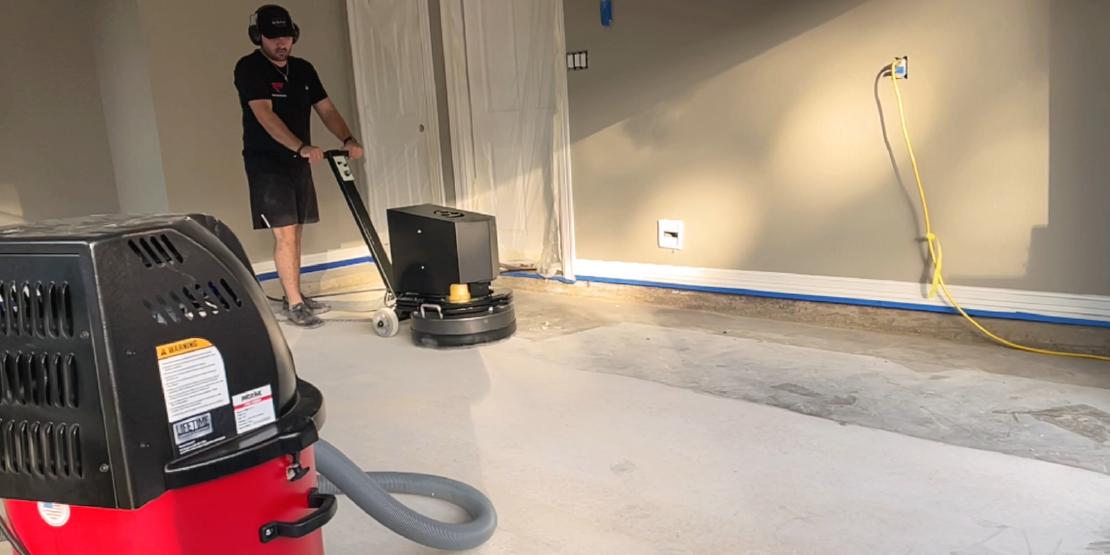

Troubleshooting DIY Floor Coating Issues
Understanding the Basics of DIY Floor Coating
Before diving into the process of Do-It-Yourself floor coating, it’s critical to grasp the fundamentals of this task. The procedure involves preparing and cleaning the floor, applying the coating, and allowing it to dry thoroughly. Each step offers its challenges and requires specific skills and tools, turning it into a meticulous job requiring precision and patience.
Key factors, such as the choice of coating material and the correct application technique, significantly impact the final result’s durability and appearance. Epoxy and urethane are commonly used materials, and each offers distinctive advantages in terms of adhesion, durability, and maintenance. The proper technique for application also plays a pivotal role, with practices such as roll painting, brush painting, and spray painting providing different results. Careful consideration of these factors lays the groundwork for a successful DIY floor coating project.
Identifying Common Problems with DIY Floor Coating
When it comes to DIY floor coating, several pervasive issues can affect the success of the project. For novices, understanding these problems can be critical to achieving a flawless finish. This knowledge enables one to take preventative measures, leading to a well-executed project. These commonly occurring issues can significantly detract from the overall appearance and durability of a DIY floor coating application.
One of the most frequently encountered issues is the occurrence of bubbles and pinholes. These typically result from improper preparation of the surface or application of the coating. Uneven or patchy finishes are another problem, often attributed to inconsistent application processes, while sticky or uncured coatings may signify an incorrect combination of resin and hardener. Other issues include discoloration due to UV exposure or chemical reactions, peeling or flaking coatings indicating adhesion issues, and dust contamination that can cause gritty textures. Additionally, cracks and holes can form, compromising the structural integrity of the coating. Imperfections in glossy finishes, such as brush marks and roller lines, can also detract from the desired outcome. Effective identification of these common problems aids in troubleshooting and supports the maintenance of beautiful and long-lasting DIY floor coatings.
Preventing Bubbles and Pinholes in Floor Coating
Successful floor coating requires a smooth, bubble and pinhole-free finish. The culprit behind these common imperfections is often trapped air, which can result from incorrect mixing or application techniques. Ensuring that any concrete substrate is sufficiently de-aerated prior to applying the floor coating can significantly reduce the chances of these issues arising.
On a similar note, lack of acclimatization of the products can also lead to bubble and pinhole formation. Therefore, it is crucial to let the coating materials attain room temperature before using them. The application process is no less important - using a spiked roller or similar tools to further eliminate any trapped air is a smart move. These steps can help create an aesthetically pleasing, professional-looking finish, devoid of any undesirable bubbles or pinholes.
Addressing Uneven or Patchy Finishes
Floor coatings are an excellent way to preserve and enhance the look of your flooring. However, a common issue that many DIY enthusiasts come across is the occurrence of uneven or patchy finishes. These irregularities often emerge due to improper application, inadequate coverage, or uneven stress, creating unsightly blemishes on the surface. It’s crucial to understand that achieving a seamless, smooth finish is the key to a beautiful and durable floor coating.
The best approach to prevent uneven or patchy finishes is being meticulous in every step of the application process. Preparing the surface is of utmost importance - ensure you thoroughly clean and dry the floor before applying your base coat. Mix your coating solution appropriately and apply it evenly across the entire surface using regular, consistent strokes. If unevenness or patches still occur, sanding down the area and reapplying a layer of coating may be necessary. Prevention is the best remedy; always practice patience and precision when working with floor coatings. • Start by inspecting your flooring: Before you begin the coating process, make sure your floor is in good condition. Look for any signs of damage or wear and tear that could interfere with the application process. Any cracks, holes, or uneven surfaces should be repaired first.
• Clean thoroughly: Dust, dirt and grime can affect how evenly a coating adheres to a surface. To prevent this from happening, clean your flooring thoroughly before applying any products. This includes sweeping, vacuuming and mopping.
• Dry properly: Moisture can also cause issues with floor coatings. After cleaning, give your floors ample time to dry completely before moving on to the next step.
• Mix correctly: The way you mix your coating solution can have a significant impact on its consistency and how smoothly it applies. Follow manufacturer instructions closely when preparing your mixture.
• Apply evenly: When it comes time to apply the coating itself, use consistent strokes and ensure you’re spreading it evenly across the entire surface of the floor.
• Check coverage regularly: As you work through each section of flooring, check back over areas already completed for any patches or unevenness that may have developed as the product settled.
• Sand if necessary: If despite all precautions patches still appear after drying fully; lightly sand down those specific areas (not whole sections) until they are level with rest of floor then reapply another layer of finish only onto those sanded spots rather than whole sections again.
Remember patience is key while dealing with floor finishes - rushing through steps will likely result in an unsatisfactory outcome. Take enough time at each stage ensuring every detail is taken care off meticulously for achieving best results possible out of this DIY project!
Tackling Sticky or Uncured Floor Coatings
One common issue many DIY floor coaters have faced is that of tacky or uncured coatings. This frustrating problem usually arises from incorrect ratios of coating ingredients, improper mixing, or suboptimal application temperatures. Additionally, inadequate ventilation during drying can contribute to incomplete curing.
To address this issue, start by ensuring accurate measurements and thorough mixing of your coating materials. Check the manufacturer’s instructions for ideal application temperature and adjust your environment accordingly. It’s highly recommended to provide adequate ventilation - not only for curing purposes - but also for safety reasons, as floor coatings often release toxic fumes. If after all these steps, the coating still remains sticky, it may be wise to remove and reapply the coating following the correct processes.
Dealing with Discoloration in Floor Coating
Discoloration in floor coatings can be a frustrating issue to encounter. Often, it results from inadequate surface preparation, uneven application of coating material, or using incompatible products. This not only affects the aesthetic appeal of the floor but could also signal underlying problems that may compromise the integrity and durability of your work. It is therefore crucial to address such issues promptly to maintain a sleek, uniform appearance and ensure the longevity of your DIY coating project.
Identifying the cause of discoloration is the first step in addressing this issue. For example, if the discoloration is due to uneven application, ensure that you maintain consistency while applying the coating material. Should it be a result of chemical reactions or incompatible products, consider revisiting the product instructions or seeking expert advice. If possible, conduct a patch test before applying a product to the entire floor area. Fixing discoloration problems early on can save significant repair costs and maintain the desired aesthetic appeal of your floor coating.
How to Fix Peeling or Flaking Floor Coating
Peeling or flaking is a common issue encountered in DIY floor coating projects. It’s typically an after-effect of improper surface preparation or application of an inadequate amount of coating. The first course of action to treat the peeling areas is to thoroughly clean and rake the affected surface. Use a stiff wire brush to remove any peeling or flaking coating. The purpose is to reveal the stable surface beneath that can adhere to fresh applications of coating.
The next step involves the reapplication of your chosen floor coating. Ensure that you apply an ample amount to achieve a thick coat, which is essential for strength and durability. Remember to observe the recommended drying time before adding subsequent layers. Be mindful to consistently maintain the same thickness for all applications, as inconsistent layers may lead to peeling or flaking in the future. Careful attention to process and layering can help in mitigating this common floor coating problem.
Managing Dust Contamination in Floor Coating
Dust Contamination is one of the prevalent issues faced in DIY Floor Coating. This problem often originates from the preparation procedure; when dust isn’t correctly cleaned before the coating application. Dust particles can mix with the coating, producing an uneven texture upon drying; also, the paint would not adhere well to dusty surfaces, leading to peeling over time. Hence, the surface’s proper cleaning is pivotal.
To effectively manage dust contamination, a high-quality industrial vacuum or sweeper could be employed to eradicate dust. Further protection could include sealing off high traffic and wind-prone areas to avert dust accumulation during the coating process. For an indoor space, consider using window seals or door sweeps to keep the dust out of the coating area. A clean, dust-free surface is instrumental in achieving a smooth and durable floor coating.
How to Repair Cracks and Holes in Floor Coating
Efficiency and quality of a thorough floor coating can be drastically compromised when cracks and holes are left untreated. Before attempting a DIY floor coating task, a key priority should be to rectify these defects in the floor. Cracks should be filled with a suitable crack filler or patching compound. These compounds are specifically designed for floor renovation. They provide a solid foundation for the subsequent floor coating, ensuring a smooth, fail-proof finish that will last over time.
Once the compound has dried, a gentle sanding helps to even out the surface, eliminating any rough patches that may remain along the sealed cracks and holes. However, a critical reminder here is to ensure the floor is free from dust after sanding by using an industrial vacuum or a damp mop. This is because dust particles can induce unwanted texture or an uneven appearance on the final floor coating. Furthermore, they can also compromise the adhesion of the coating to the surface. Hence, it is always advisable to keep the surface impeccably clean before applying the floor coating.
Overcoming Adhesion Problems in Floor Coating
Overcoming adhesion pitfalls in floor coating can prove to be a daunting challenge, even for seasoned DIY enthusiasts. It is essential to understand that problems with adhesion are often rooted in the condition of the surface before the coating application. Factors such as moisture content, surface cleanliness, and appropriate preparation can significantly impact the final outcomes. Being aware of these elements can significantly improve the overall quality of the coating job and drastically decrease instances of suboptimal adhesion.
Moreover, investing time in optimum surface preparation methods can help customers anticipate and mitigate adhesion issues. This includes rigorous cleaning to remove any contaminants like dust, oil, or grease, that could prevent a coating from properly sticking to the floor’s surface. Furthermore, using specific primers designed to improve adhesion can be immensely beneficial in creating a robust bond between the floor surface and the coating layer, therefore reducing the likelihood of floor peeling, flaking, or unsightly bubbling occurring post-installation.
Correcting Imperfections in Glossy Floor Coatings
Glossy floor coatings require a touch of additional care and precision to correct imperfections due to their reflective finish. Small dips, dents, or scratches can become significantly more visible after the application of a shiny sealant. Therefore, properly doing the prep work is imperative.
Effort should initially focus on adequate cleaning, smoothing and priming of the surface. Any existing coatings should be removed completely. A leveler can be applied to stabilize any uneven surfaces and fine grit sandpaper used to smooth out smaller blemishes. Utilizing these suggested steps should lead to less noticeable imperfections when applying the glossy floor coating.
Effective Maintenance Tips for DIY Floor Coating
Ensuring the longevity of your DIY floor coating requires routine and proper maintenance. The first step is to keep the floor clean by sweeping or vacuuming regularly. This helps to prevent the buildup of dust and debris that can scratch and degrade the coating over time. If spills occur, it’s imperative to clean them up promptly. Avoid using harsh chemicals or scrub brushes, as they can dull the finish and cause unnecessary damage.
Another essential tip focuses on the use of appropriate cleaning tools and methods. Opt for a microfiber mop rather than a traditional string mop, as it’s less likely to leave behind residue. In terms of cleansers, it’s best to use a pH-neutral floor cleaner. This will help to maintain the aesthetics of the coating while preserving its protective properties. Remember, it’s also beneficial to occasionally inspect the floor for any signs of wear or need for re-coating. By addressing these issues promptly, you can extend the life and maintain the beauty of your DIY floor coating.
When to Seek Professional Help for Floor Coating Problems.
Floor coating can be a challenging DIY task, particularly for those lacking experience. The process can entail a number of common complications such as bubbles, uneven finishes, and adhesion problems. Being thorough in preparation methods and taking all prescribed steps can often prevent these issues, however, sometimes they persist despite best efforts. It’s in such instances, where numerous attempts at resolution have been tried without success, that one must consider seeking the assistance of a professional.
Professional help can provide a solution to stubborn floor coating problems. Experts in this field carry the skills, knowledge, and tools required for efficient identification and rectification of flaws. Handling more serious issues like cracks and significant discoloration are well within their purview. Additionally, they can offer advice on effective maintenance strategies to avoid recurring issues. Keep in mind, retaining professional services often saves time, money, and frustration in the long run.
What are the basics of DIY floor coating?
The basics of DIY floor coating include understanding the types of floor coatings, the process of preparation, application, curing, and maintenance. It is also crucial to know how to address potential problems such as bubbles, pinholes, or uneven finishes.
What are the common problems with DIY floor coating?
Common problems with DIY floor coating may include bubbles and pinholes, uneven or patchy finishes, sticky or uncured coatings, discoloration, peeling, flaking, dust contamination, cracks, holes, adhesion problems, and imperfections in glossy finishes.
How can I prevent bubbles and pinholes in floor coating?
Bubbles and pinholes can be prevented by properly preparing the surface, ensuring it is clean and dry, using the right tools for application, applying the correct amount of coating, and allowing adequate drying time.
What can I do if my floor coating is sticky or uncured?
If your floor coating is sticky or uncured, it may be due to insufficient drying time, improper mixing of the coating, or the use of incorrect proportions of components. You may need to allow more time for the coating to cure or consider reapplication.
How do I deal with discoloration in my floor coating?
Discoloration in floor coating can be due to a number of factors, including uneven application, exposure to sunlight, or using a coating of inferior quality. Depending on the cause, you may need to reapply the coating or use a different product.
How can I fix peeling or flaking floor coating?
Peeling or flaking in floor coating is often due to poor adhesion. This can be corrected by thoroughly cleaning and preparing the surface before reapplying the coating.
What should I do if there is dust contamination in my floor coating?
If there is dust contamination in your floor coating, you will need to clean the surface thoroughly, possibly sanding it down, and then reapply the coating.
How can I repair cracks and holes in my floor coating?
Cracks and holes can be repaired using a suitable filler or patching compound. Once the repairs are cured, you can reapply the coating.
How can I overcome adhesion problems in my floor coating?
Adhesion problems can be resolved by properly preparing the surface, using a suitable primer if necessary, and applying the coating correctly.
How can I correct imperfections in my glossy floor coatings?
Imperfections in glossy floor coatings can be corrected by sanding the surface to smooth out the imperfections and then reapplying the coating.
What are some effective maintenance tips for DIY floor coating?
Effective maintenance tips include regular cleaning, prompt repair of any damage, and periodic recoating if necessary.
When should I seek professional help for my floor coating problems?
If you’ve tried troubleshooting common problems and are still not satisfied with the results, or if the problem is severe such as extensive peeling, cracking or discoloration, it would be best to consult a professional. Professionals have more experience and can provide solutions that ensure a long-lasting, high-quality finish.