
Understanding the Pricing of Different Floor Coatings
Exploring the Factors that Influence Floor Coating Costs
When it comes to the intricacies of flooring, cost plays a pivotal role in choosing the right floor coating. Numerous factors contribute to the pricing, making it essential to understand each in depth to ensure value for money and longevity.
The type of material used for the coating is one of the top influencers in determining the pricing model. The quality and category of materials, such as epoxy or urethane, inevitably impact cost. Surface preparation, another critical determinant, involves a process of cleaning, repairing, and priming the floor before coating, which can quickly escalate costs. Further, the thickness of the coating also plays a significant role in cost, as thicker layers provide better durability and longevity but come at a heavier price tag. The inclusion of additional layers or coats offers enhanced protection for your floor but it also escalates the pricing.
Specialty or customized coatings, designed for specific functional or aesthetic purposes, naturally cost more than standard offerings. Labor and installation costs are also significant determinants as these depend on the time taken and the level of expertise required. The geographic location of the project also influences prices due to varying labor costs and material availability. The warranty period put forward by the brands or manufacturers also impacts the cost, with longer warranties invariably accounting for a higher upfront price.
The brand or manufacturer’s reputation or standing can potentially add to or subtract from the cost, based on consumer perception of quality and reliability. Regular maintenance and eventual repair costs also add to the overall expense in the longer run, making it an important point to consider while choosing a floor coating. Lastly, different types of coatings, such as epoxy, polyurethane, or acrylic coatings, have different price points which play a critical role in finalizing the total budget.
Planning for the expenses associated with floor coating can be taxing, however, by understanding the potential factors that influence pricing, consumers can make an informed decision and also strategize effective budgeting solutions.
The Role of Material Type in Floor Coating Pricing
Floor coating expenses can vary significantly, largely reliant on the specific types of materials used in the process. Epoxy, acrylic, and polyurethane are commonly used substances, each carrying its own cost implications. Epoxy, recognized for its durability and visual excellence, typically lies on the higher end of the price spectrum. On the contrary, acrylic is a less costly option but it does not provide the same level of robustness, often requiring more frequent maintenance.
Polyurethane offers a unique balance between cost and performance, albeit at a higher price point than acrylic. It possesses excellent durability and exceptionally high resistance against chemicals, heavy traffic, and abrasion. The tailored usage of these materials can significantly influence the total floor coating price. Therefore, the choice of material becomes a critical aspect when planning for floor coating initiatives. The following bullet points outline the role of material type in floor coating pricing:
• Epoxy: This is a high-end, pricier option for floor coating. It’s widely recognized for its durability and visual appeal. However, this superior quality comes at a higher cost compared to other materials.
• Acrylic: A more affordable choice when it comes to floor coatings. While it’s less expensive than epoxy or polyurethane, acrylic doesn’t offer the same level of robustness and often requires frequent maintenance.
• Polyurethane: This material offers an excellent balance between cost and performance but is still priced higher than acrylic. Polyurethane boasts impressive durability and exceptionally high resistance against chemicals, heavy traffic, and abrasion.
To summarize, each type of material used in floor coatings carries its own set of advantages and disadvantages that can significantly impact the total price. Therefore, it’s essential to carefully consider your specific needs, budget constraints, and long-term expectations before making a decision on which material to use for your flooring project.
How Surface Preparation Affects the Price of Floor Coating
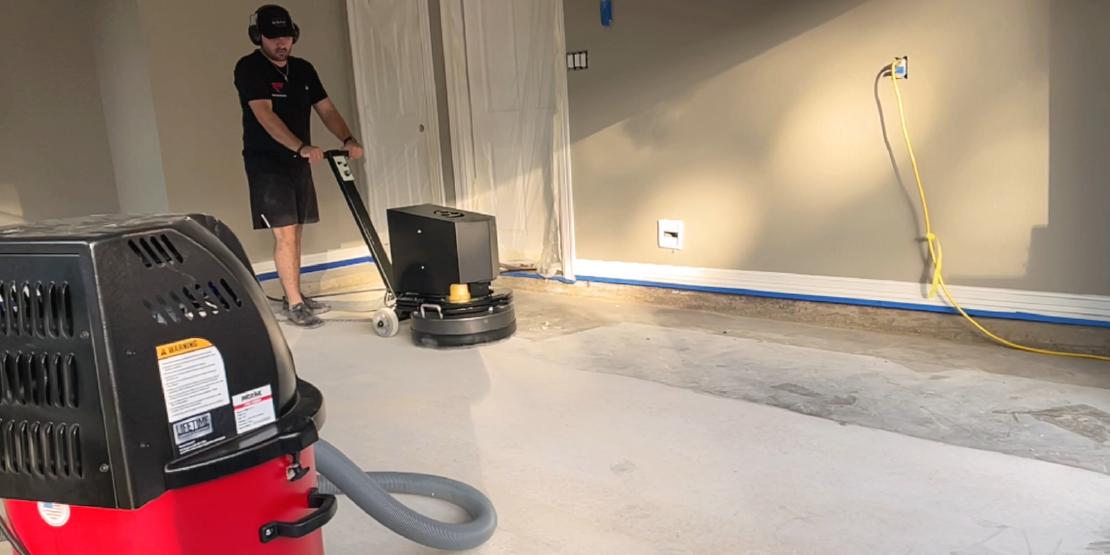
Surface preparation is a critical step in the process of applying a floor coating. This step ensures the durability, adherence, and overall finish of the coating. As a consequence, the preparation can significantly impact the final cost of the project. There are a variety of ways surface preparation can be implemented, such as mechanical abrasion, chemical etching, or steam cleaning. Each method has corresponding equipment and material costs that can raise the overall price.
Depending on the current state of the floor, the preparation may be more or less intensive. For instance, new concrete usually requires a simple cleaning and etching process. In contrast, an old, stained, or previously coated floor might demand labor-intensive grinding or blasting for proper coating adherence. This, in turn, may lead to higher labor costs, increased time of preparation, and consequently, a rise in the price of the floor coating. The intricacies associated with surface preparation can cause wide ranging variances in the final cost, underscoring the importance of assessing the condition of the floor before the coating is applied.
Examining the Impact of Coating Thickness on Price
The thickness of a floor coating significantly impacts its overall cost. A thicker coating often requires more material to apply, increasing material costs accordingly. Also, the thickness of sealer increases the longevity and durability of the floor, a factor that ought to be considered when budgeting for floor coating expenses. Various floor types, activity levels, and traffic patterns typically mandate different thickness levels, thus influencing cost variables.
Consideration of coating thickness is pivotal in assessing durability and long-term maintenance issues. In scenarios where high foot traffic or heavy machinery operations are frequent, a thicker coating is often necessary. Consequently, this will lead to elevated upfront costs, but presents a reliable, long-lasting solution. It’s important to consult with industry professionals to understand the optimal coating thickness for your specific needs, thereby helping in cost optimization.
The Economic Implications of Additional Layers or Coats
Multiple coats or layers are sometimes required to enhance the durability and aesthetic appeal of floor coatings. These extra layers come with their own economic implications. This is because each additional layer means more materials in use, thus, driving up the overall cost of the flooring project. When equating the cost of the coating materials to the longevity and added protection they provide, it often becomes clear that this additional expense can be justified.
The labor cost is another factor to consider when discussing the economic implications of additional coats. Applying multiple layers requires more time and effort from the installation crew, thus increasing labor costs. Also, the type of coating system being used could necessitate specific equipment or special handling measures, raising the total installation cost further. Despite these added costs, many home and business owners opt for additional coats to ensure a longer-lasting and aesthetically pleasing floor surface.
Cost Implication of Specialty or Customized Coatings
Specialty or customized coatings often come with a more substantial price tag because of the unique advantages they offer. These types of floor coatings are designed to meet specific needs on a case-by-case basis. This could range from anti-static properties for electronic assembly areas, to enhanced durability for high-traffic hallways, or even special chemical resistance for industrial facilities. As such, the demand for more advanced technology and resources to create these custom formulations typically drives up the cost.
However, as much as these coatings bear a higher cost implication, they can be a worthwhile investment. The primary benefit of opting for specialty or customized coatings is that they are tailored exactly to the conditions and demands of your specific floor. This custom approach allows for optimal performance, resilience, and longevity, potentially reducing the need for frequent repairs or replacement in the long run. The cost-benefit of such coatings, therefore, often balances out, ensuring that you get the right return on your investment.
How Labor and Installation Costs Influence Floor Coating Prices
The labor and installation costs are one of the crucial components that shape the overall cost of floor coating. There are multiple factors that come into play when considering this specific aspect. Primarily, the skill level of the professionals handling the task and the complexity of the process significantly impact the labor cost. Advanced and intricate floor coating installations demand higher skills, and thus, are more expensive. Furthermore, the time taken for the installation also contributes to the overall labor cost.
When speaking of installation costs, it’s essential to consider the surface area to be covered as well. Bigger areas will require more coating material and longer periods of labor, thereby increasing the expense. Additionally, any complications that may arise during the installation process, such as the need for intricate design work or irregular surfaces, may also hike up the cost. It’s clear that labor and installation costs have a direct and significant influence on the total cost of floor coating.
The Influence of Geographic Location on Floor Coating Prices
Where you live can significantly impact the cost of floor coating projects. In cities with higher living costs, such as New York or San Francisco, you may find the prices for floor coating materials and labor substantially higher than in smaller towns or rural areas. This hike in pricing is usually due to the increased cost of living, which affects everything from the cost of raw materials to labor charges. Additionally, the level of competition among coating companies in these areas could also play a part, with higher competition driving prices down, and vice versa.
Another factor to consider is the local climate of your geographical region, as it too influences the durability and performance of certain types of coatings. Harsher climates with extreme temperatures or high levels of moisture may require a more durable, hence more expensive, coating type. Moreover, the import or freight cost of the materials can also vary with location, especially if the ideal coating material is not readily available in your local area. Therefore, when seeking to understand floor coating prices in relation to geography, both the economic and environmental conditions must be considered.
How Warranty Periods Affect Floor Coating Costs
Companies that provide comprehensive warranty periods for floor coating services frequently charge a bit more upfront. This is because they guarantee their workmanship and materials for an extended duration. In this scenario, if any issue arises within the warranty period, the business would cover the repair costs. However, while these warranties contribute significantly to the initial cost, they also offer peace of mind to the clients, ensuring that no additional unexpected charges will be incurred within the warranty term.
Simultaneously, shorter warranty periods would lead to lower initial costs for floor coating. Companies offering these plans are likely to utilize cost-effective materials and methods. But remember, while the upfront cost may be less, any repairs or fixes outside the limited warranty period would be an additional expense for the client. Therefore, clients must carefully consider the benefits and drawbacks of both types of warranties before making their decision.
The Role of Brand and Manufacturer in Determining Coating Costs
When it comes to the price determination of floor coatings, the brand and manufacturer play a critical role. This can largely be attributed to the fact that different manufacturers have varying production costs, which are then reflected in the pricing of their products. High-end brands often have costlier products due to their reputation for superior quality and durability, their unique formulas or patented technologies, and their associated R&D costs. They also factor in the cost of their customer service and other after-sales services which are generally considered premium and therefore, priced higher.
On the other hand, budget brands typically offer more affordable options. These manufacturers manage to keep their prices low by adopting cost-effective manufacturing processes, sourcing less expensive materials, or delivering fewer features in their products. It is worth noting that a lower price doesn’t always imply inferior quality. Some budget brands can deliver comparable performance to premium brands, depending on the specific needs and requirements of the user. Despite apparent differences, both scenarios clearly showcase the role which brand and manufacturer can have in influencing floor coating costs.
Cost Expectations for Maintenance and Repair of Floor Coatings
Maintaining and repairing floor coatings is an integral part of its lifespan. The cost implicated in this process is influenced by several factors, including the complexity of a coating system and the degree of wear and tear it has undergone. For instance, easy-to-clean and wear-resistant coatings composed of epoxy or polyurethane require less frequent repairing, hence curbing the overall maintenance expenditures.
Over a period of time, all types of coatings are subject to wear and may exhibit signs such as peeling, chipping, and color fading. Depending on their severity, these issues might necessitate anything from simple touch-ups to comprehensive recoating, which could substantially impact the maintenance costs. Therefore, considering the future expenses for upkeep during the initial selection and installation of a floor coating might eventually yield significant cost benefits.
Cost Comparisons for Different Types of Floor Coatings
Understanding the cost deviation between different types of floor coatings is crucial before embarking on any floor coating project. Epoxy coatings, typically used in commercial and industrial settings, are by far the most cost-effective. They provide durable and resistant surfaces at a reasonable price range. Polyurethane coatings, although similar to epoxies in terms of durability, often come with a higher price tag due to their UV resistance and elasticity.
On the higher end of the pricing scale, you find premium solutions like polyaspartic and methyl methacrylate (MMA) coatings. Polyaspartic coatings, known for their rapid curing times, minimize the downtime for businesses, albeit at a premium cost. MMA coatings, while offering similar benefits along with extreme durability, set the high mark in terms of cost due to their specialist application requirements. Comparing the costs of these coating options ensures you make an informed decision for your specific budget and needs.
Effective Strategies for Budgeting for Floor Coating Expenses
In every construction or renovation project, budgeting effectively is essential to prevent costly mistakes or unexpected expenses. This holds true when considering floor coatings, a critical component often overlooked. There exist several strategies that can help in budgeting for floor coating expenses, striking a balance between cost and quality. The first step is to understand the factors that influence the pricing, such as material type, surface preparation, coating thickness, additional layers, specialty coatings, labor costs, location, warranty, brand, maintenance, and repair.
Comparative shopping is a proven strategy. Model estimates from different suppliers and manufacturers can provide a more comprehensive view of floor coating expenses. Be sure to consider not merely the immediate cost but also the longevity and durability of the coating, its maintenance needs, and the cost implication of any accompanying warranties. Considering these factors provides a realistic and more accurate budget projection which can lead to substantial cost savings over time. It can be beneficial to split larger projects into manageable parts or phases to spread the expense over a longer period, making the project more financially feasible.
What are the main factors that influence the cost of floor coating?
The main factors include the type of material used, the level of surface preparation required, the thickness of the coating, the presence of additional layers or coats, and the use of specialty or custom coatings.
How does the type of material used in floor coating affect the pricing?
Different materials have varying prices. More durable and high-quality materials may cost more initially, but could save money in the long run due to less frequent replacements or repairs.
Does the preparation of the surface affect the cost of floor coating?
Yes, a well-prepared surface can lead to a longer-lasting coating, but it may increase the upfront cost due to additional labor and materials required for proper surface preparation.
How does coating thickness impact the cost?
The thickness of the coating significantly impacts the cost. Thicker coatings require more material and may require more labor to apply, thus increasing the cost.
What are the economic implications of additional layers or coats?
Additional layers or coats can increase the durability and longevity of the floor coating, but they also increase the initial cost due to the use of more materials and increased labor.
Does the use of specialty or custom coatings affect the price?
Yes, specialty or custom coatings are usually more expensive than standard coatings due to their unique properties or custom color matching.
How do labor and installation costs influence floor coating prices?
Labor and installation costs can significantly influence the total cost of floor coating. These costs may vary depending on the complexity of the job and the rates of the contractor or installer.
Does the geographic location influence the cost of floor coating?
Yes, costs can vary depending on the location due to differences in labor costs, transportation fees, and local taxes.
How do warranty periods affect floor coating costs?
Longer warranty periods can increase the cost of floor coatings, as they provide longer protection and coverage for any potential issues or defects.
Does the brand or manufacturer impact the cost of floor coating?
Yes, premium brands or manufacturers often charge more for their products due to their reputation for quality and durability.
What are the expected costs for maintenance and repair of floor coatings?
Costs for maintenance and repair depend on various factors like the type of coating, the extent of wear and tear, and the rates of the service provider.
How can I effectively budget for floor coating expenses?
Start by understanding all the factors that contribute to the cost, then prioritize your needs and wants. Contact multiple suppliers and contractors for quotations to ensure you’re getting the best value for your money. Remember to factor in maintenance and repair costs as well.
How do the costs of different types of floor coatings compare?
The costs of different types of floor coatings can vary significantly. Factors such as materials, durability, maintenance requirements, and aesthetic appeal all play a part in determining the cost.