
Upcycling with Floor Coatings: Creative Ideas
Understanding the Concept of Upcycling
Derived from the prefix ‘up’ and the verb ‘cycle’, upcycling is a sustainable mode of production whose ethos is transforming waste materials, useless or unwanted products into new materials or products. This innovative process adds value to what would ordinarily be waste, repurposing it into something new and functional, therefore decreasing the need for new raw materials and reducing potential waste, landfill, and pollution.
An increasingly popular method among environmentalists and DIY enthusiasts, upcycling is not just environmentally friendly but also cost-effective. It showcases the transformative potentials of creativity and ingenuity in reconfiguring and extending an object’s purpose and lifespan. The application of upcycling is diverse and wide-reaching, spanning from fashion designs, furniture remodelling, to floor coatings. Where resources would have been expended on creating entirely new products, upcycling offers an alternative route, optimizing the use and functionality of existing materials.
The Importance of Floor Coatings in Upcycling Projects
Floor coatings play a pivotal role in upcycling projects, providing a renewed lifespan to previously discarded or underutilized flooring materials. They have the ability to transform and revitalize objects deemed as old, drab, or non-utilitarian, making them look new and stylish. Offering aesthetic appeal and durability, floor coatings accentuate the beauty of upcycled projects, enhancing not just the visual appeal but also the quality of the final product.
By applying a fresh layer of floor coating to an old piece, it readily masks scratches, dents, and other signs of wear and tear. Additionally, these coatings provide a level of protection to the underfoot surface, safeguarding it against potential damages in the future. Not only strengthening the substrate, they also contribute a degree of functional resilience, making the product sturdy and apt for long-term use. This, in turn, reduces the necessity for frequent replacements, thereby contributing to a sustainable and eco-friendly mode of living through upcycling.
Types of Floor Coatings Suitable for Upcycling
Selecting the right type of floor coating can profoundly influence the outcome of your upcycling project. Ideally, the coating should not just enhance the appearance of the recycled material but also provide longevity and protection. Epoxy resin coatings have long been popular for upcycling due to their durability, non-toxicity, and ability to form a strong bond with underlying materials. Hence, they are highly recommended for projects such as converting old wooden doors into stylish coffee tables.
Another flexible option is a polyurethane floor coating. Known for its robustness and resilience, polyurethane can be applied to various surfaces, including hardwood, concrete, and engineered wood. Its resistance to impacts, abrasion, and chemical spills makes polyurethane ideal for upcycled floors in high-traffic or accident-prone areas. As a bonus, this type of coating retains its color and gloss for a long duration, providing a seamless aesthetic appeal.
The Role of Creativity in Upcycling
Creativity plays an essential role in the whole upcycling process. It is the driving force behind the transformation of discarded materials into valuable and functional pieces. The creative process often starts with a spark, a unique idea to give new life to a product that otherwise would have ended up in a landfill. By daring to imagine new uses for old items, we challenge traditional consumption patterns and contribute to a sustainable lifestyle.
Upcycling is inherently a creative endeavor, but it doesn’t necessitate highly sophisticated or traditional artistic skills. Simple ideas like converting old tires into garden planters, or repurposing worn-out clothes as cleaning rags, embody the principle of upcycling. It relies on the creative instinct to see potential in disregarded items, to visualize and craft something new from the old. As we increasingly embrace upcycling, we are cultivating a creative and conscious approach to consumption and waste reduction.
Starting Your Upcycling Project: Preparation Steps
The process of starting an upcycling project requires strategic planning and diligent preparation. First and foremost, it is fundamental to identify the intended project, its purpose, and the extent to which the existing material, say flooring, needs to be transformed. This stage involves a thorough inspection for any signs of defects or damage that may hinder the upcycling process. Once the faults are noted, the next step is to decide whether to fix them or to incorporate them innovatively into the project.
Choosing the right tools and materials is an equally critical step in the preparation stages of an upcycling project. For instance, the type of floor coating is a significant aspect to consider as it can dramatically affect the project’s outcome. Factors such as durability, aesthetic quality, and environmental impact should inform this selection process. This stage also includes gathering all the necessary protective equipment needed to guarantee safety during the application of the floor coatings. Remember, proper preparation sets the foundation for a successful upcycling project.
Choosing the Right Floor Coating for Your Upcycling Project
The cornerstone of any successful upcycling project lies in making wise and pragmatic material choices. The selection of the correct floor coating is an integral part of this process, as it dictates the durability, appearance, and maintenance needs of the project. Notably, floor coatings come in an array of options including polyurethane, epoxy, and acrylic. These choices offer varying degrees of protection, personalization options, life span, and different maintenance needs.
Specific project needs will largely dictate the selection of the right floor coating. For outdoor projects, weather resistance is key, therefore, choose a product that can withstand harsh external conditions. For indoor projects, consider factors like foot traffic and the risk of spills especially in areas like the kitchen and bathrooms. Bear in mind, the floor coating color can significantly impact the project’s final look. Therefore, consider coordinating with the existing color scheme while choosing. Always realize, in upcycling, each choice of secondary material, adds onto the overall value and sustainability of the project.
How to Apply Floor Coatings in Upcycling
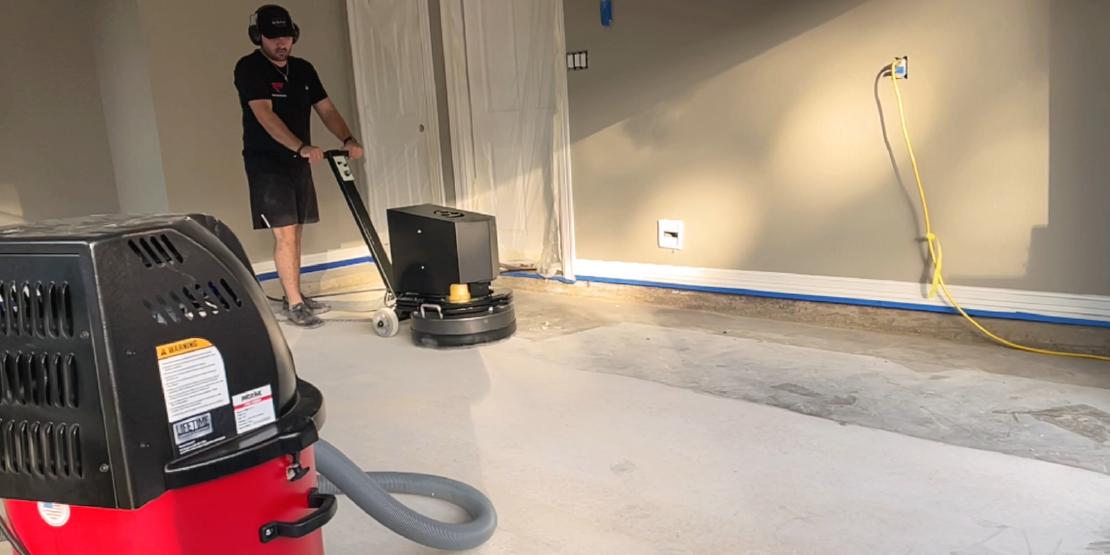
To begin with, the application of floor coatings necessitates meticulous preparation. Old flooring materials must be carefully cleaned to remove dirt, dust and any loose particles. Surface preparation often requires the use of a floor grinding machine for a smooth and uniform surface. Any existing scratches, dents or damages should be repaired to provide an optimal base layout for the new floor coating. The application of a primer can enhance the adhesion of the floor coating. This step is often overlooked but is imperative for creating a durable and long-lasting upcycled floor.
For floor coating application, high-quality equipment is essential. Use professional-grade rollers or brushes to ensure an even application of the floor coating across the entire surface area. Begin the process at one point and gradually move to the other end of the room to avoid missing any areas or creating overlaps. Be extra cautious with corners or tricky patches to ensure a seamless finish. The floor coating should ideally be applied in two to three layers. Allow adequate time for each coat to dry thoroughly before applying the subsequent layer.
Inventive Ways to Reuse Old Flooring Materials
Old flooring materials like ceramic tiles, hardwood, carpet, and even vinyl offer virtually unlimited opportunities for innovative reuse. Possessing inherent durability, these materials can be fashioned into vibrant mosaics, decorative wall art, or even table tops with a unique aesthetic appeal. Wood panels can be transformed into rustic furniture pieces or used in crafting intricate wall designs. Ceramic tiles can be smashed into smaller pieces to create captivating artistic forms by themselves or in combination with other materials.
The world of upcycling revolutionizes the way we look at waste, particularly, old flooring materials. Vinyl flooring, often considered hard to recycle, can be transformed into statement fashion pieces such as handbags, or shape-shifting floor mats with an interesting tactile touch. Surprisingly, carpets can be upcycled into acoustic insulation materials, or employed creatively in pet homes for comfort or warmth. The emphasis in upcycling lies in looking beyond the original function of these discarded materials and visualizing their advantages in a completely new role.
The Environmental Benefits of Upcycling Flooring
Upcycling offers a remarkable solution to the growing problem of waste management and environmental pollution. It provides a sustainable way of transforming old or discarded items, in this instance, flooring materials, into functional or decorative pieces. This approach avoids unnecessary waste and reduces the demand for new resources. As such, the environmental footprint of producing new materials significantly lowers.
In particular, upcycling flooring contributes significantly to reducing landfill waste. Old flooring materials that would otherwise be discarded are given new life and purpose. Moreover, since they already exist, their use results in energy savings as less energy is needed for the harvesting, manufacturing and transportation of new materials. What’s more, upcycled floors can be equally - if not more- aesthetically pleasing and unique as traditional flooring, reiterating how transformation and environmental consciousness can hand in hand.
Incorporating Artistic Elements into Your Upcycled Floor
As one delves into the realm of upcycling, the opportunity to incorporate artistic elements into your project becomes apparent. Creativity serves as the driving force in most upcycling projects - the floor is no exception. Paints, dyes, stencils, and even inlaid designs can turn an old floor into a contemporary masterpiece. These artistic elements can make your upcycled floor stand out, adding color, texture, and personality.
Another intriguing method to add artistic flair is by using re-purposed materials. Old wood pieces from discarded furniture or unused tiles can be arranged in unique patterns to give a new lease of life to your floor. These artistic elements not only provide aesthetic appeal but also work towards the greater cause of reducing waste, making your upcycling project equally beneficial for both your home environment and the global environment.
Maintaining Your Upcycled Floor: Tips and Techniques
Maintaining an upcycled floor demands a judicious approach that combines routine cleaning with regular inspections. Typically, due to the unique characteristics of the upcycled materials, generic cleaning solutions may not be suitable. Creating a customized cleaning regimen that takes into account the specific type of flooring and coating used in your project is essential.
Periodic checks for any wear or damage should be part of the routine. Early detection of problems such as peeling, scratches or discoloration enables prompt repair actions. Use a soft cloth or non-abrasive mop for cleaning tasks, and avoid harsh chemicals that could potentially damage the floor coating. Remember, gentle care and maintenance is the secret to prolonging the life and preserving the aesthetic appeal of your upcycled floor. To ensure your upcycled floor remains in top condition, consider the following tips and techniques:
• Understand Your Floor Material: Different types of upcycled materials have different cleaning requirements. For instance, wood requires a different approach than metal or plastic. Understanding the specific needs of your material will help you create an effective cleaning regimen.
• Use Suitable Cleaning Products: Avoid using generic cleaning solutions as they may not be suitable for all types of materials. Instead, opt for cleaners that are specifically designed for your type of flooring.
• Regular Inspections: Make it a habit to inspect your floor regularly for signs of wear or damage such as peeling, scratches or discoloration. Early detection can prevent minor issues from becoming major problems.
• Gentle Cleaning Tools: Use soft cloths or non-abrasive mops when cleaning your upcycled floors. Harsh brushes can scratch and damage the surface.
• Avoid Harsh Chemicals: Some chemicals can cause discoloration or other damages to certain types of materials. Always use mild cleaners that won’t harm your floor’s coating.
• Prompt Repairs: If any damage is detected during inspection, take prompt action to repair it before it worsens over time.
Remember that gentle care and regular maintenance are key to preserving both the functionality and aesthetic appeal of an upcycled floor.
Maintaining an upcycled floor might seem challenging initially due its unique characteristics but with these simple yet effective tips and techniques at hand, you’ll surely find it manageable and worthwhile in no time!
Case Studies: Successful Upcycling Projects Using Floor Coatings
The initiative taken by the Art Studio of San Francisco Bay Area deserves particular attention. They executed one of the most innovative upcycling projects to date, transforming a rundown warehouse into a vibrant art studio. The studio used epoxy floor coatings to breathe new life into their old, worn-out concrete floor. Not only did this provide a more aesthetic appeal, but it also increased the longevity and safety of the flooring - a fine blend of functionality and beauty.
Another noteworthy project was executed by a social enterprise in Copenhagen. They renovated an old and disused school building, turning it into a community center. Polyurethane floor coatings were applied to enhance the original wooden floors. The results were stunning - the life of the flooring was extended, costs were saved in terms of replacement or repair, and the unique characteristics of the original flooring were showcased rather than concealed, maintaining a sense of the building’s history.
Expanding Your Upcycling Efforts: Beyond Floor Coatings
Upcycling encourages one to think outside the box, breaking free from the limitations of conventional consumption patterns. Most individuals understand the simple concept of upcycling, turning trash into treasure, perhaps starting with modest projects like repurposing old jars or transforming worn-out clothing. While this is a fantastic place to start, there’s an entire world of upcycling possibilities beyond floor coatings waiting to be discovered.
You can repurpose essentially any item with a shred of durability left in it. This includes furniture, household goods, car parts, electronics, and much more. Let your imagination run wild! For instance, consider transforming an old wooden ladder into a unique bookshelf, converting an antique bathtub into a stylish sofa, or even using vehicle tires as sturdy planters for the garden. It’s all about reducing waste and creating valuable, purposeful items, contributing to sustainability in a resourceful and innovative manner. Remember, even the slightest shift in attitude and daily habits can pave the way for a more sustainable lifestyle.
What is the concept of upcycling?
Upcycling is the process of transforming waste materials, useless, or unwanted products into new materials or products of better quality or environmental value. This extends the lifespan of materials and reduces the need for new resources.
Why are floor coatings significant in upcycling projects?
Floor coatings play a crucial role in upcycling as they can enhance the appearance, durability and performance of the upcycled floors. They can also provide a new look and feel to the old flooring materials.
What types of floor coatings are suitable for upcycling?
The suitable types of floor coatings depend on the type of flooring material being upcycled. Epoxy, polyurethane, and acrylic are some common types of floor coatings used in upcycling projects.
How does creativity contribute to upcycling?
Creativity is at the heart of upcycling. It allows individuals to see the potential in old items and imagine new uses or designs for them, adding a unique and personal touch to the upcycling project.
What are the steps to prepare for an upcycling project?
Preparing for an upcycling project involves planning the design, sourcing the materials, prepping the materials (cleaning, sanding, etc.), and ensuring you have the right tools and safety equipment.
How do I select the right floor coating for my upcycling project?
The right floor coating depends on the type of material you are working with, the desired look, and the intended use of the upcycled item. It’s important to research and understand the properties of different coatings before making a decision.
What are some inventive ways to reuse old flooring materials?
Old flooring materials can be transformed into furniture, wall art, planters, or even jewelry. The possibilities are limited only by your imagination.
Can you explain the environmental benefits of upcycling flooring?
Upcycling flooring reduces waste by giving a new life to old materials. It also saves energy and resources that would otherwise be used in manufacturing new flooring materials.
How can I incorporate artistic elements into my upcycled floor?
Artistic elements can be incorporated by using different coatings and textures, creating patterns, adding decorative elements or using a mix of different flooring materials.
Can you share tips on maintaining upcycled floors?
Maintenance depends on the type of coating used. Regular cleaning, avoiding harsh chemicals, and occasional touch-ups are some ways to ensure the longevity of your upcycled floor.
Can you provide some examples of successful upcycling projects using floor coatings?
The article provides diverse case studies showcasing how individuals and organizations successfully transformed old flooring materials into something new and beautiful using floor coatings.
How can I expand my upcycling efforts beyond floor coatings?
Expanding upcycling efforts can be done by exploring different materials like furniture, appliances, or fabrics. Participating in upcycling communities or workshops can also broaden your upcycling skills and ideas.