
Updating Commercial Floors with Overcoating
Understanding the Need for Overcoating Commercial Floors
Overcoating is a crucial refurbishment process for maintaining the aesthetic appeal and structural integrity of commercial floors. From shopping malls to office buildings, these traffic-heavy areas are notoriously susceptible to scratches, stains, and wear, reducing not only their visual attractiveness but also their performance. Overcoating provides a protective layer or “top coat” to the existing floor, prolonging its lifespan by enhancing its resistance to common physical stressors and chemical damage, maintaining its surface shine, and simplifying its cleaning and maintenance.
The selection of overcoating solutions is vast, ranging from epoxy coatings to polyurethane-based products, each offering unique benefits and crafted with different commercial flooring needs in mind. Even in the most challenging environments, overcoating can significantly extend the useful life of floors, adding years of durability and facilitating cost-efficient floor management. Furthermore, given that commercial spaces often represent a brand or institution’s image, a well-maintained, gleaming floor implies professionalism and attention to detail, making overcoating an effective means to uphold a positive business presentation.
The Process of Overcoating: An Overview
Overcoating, in the context of commercial flooring, is the application of a protective or aesthetic layer onto an existing floor surface. This involves a comprehensive process, beginning with cleaning and preparing the existing floor, followed by the application of primer, and finally the overcoating layer. The process aims to extend the lifespan of a floor, enhance its appearance, and provide improved durability and ease of maintenance.
A key consideration in the overcoating process is the choice of overcoating material, which may be selected based on the floor type, expected foot traffic, and specific demands of the location such as slip resistance or chemical resistance. These materials range from epoxies and polyurethanes to specialized coatings like anti-static or antibacterial coatings. Overcoating must be done methodically and meticulously to ensure optimal adherence to the substrate and a seamless, durable finish.
Types of Overcoating Solutions for Commercial Flooring
Several types of overcoating solutions are available in the market to cater to diverse commercial flooring needs. These include epoxy overcoating, which is known for its excellent adhesion and durability. It can withstand heavy traffic and resist chemical spills, making it a popular pick for industrial spaces like warehouses and factories. Moreover, epoxy overcoating is available in a variety of colors and finishes, making it a flexible choice for various aesthetic requirements.
Polyurethane overcoating is another commonly used solution, favored for its high-impact resistance and UV stability. It can withstand daily wear and tear, harsh weather conditions, and prolonged exposure to sunlight without losing its luster or integrity. Additionally, there are specialized overcoatings like anti-static or electrostatic dissipative (ESD) coatings that are used in sensitive environments like data centers, healthcare facilities, and electronics manufacturing units to control static electricity. Choosing the right overcoating solution thus depends on the specific needs of your facility and the particular challenges it faces.
Benefits of Overcoating on Commercial Floors
Overcoating commercial floors offers several substantial benefits that contribute to the enhancement of a business’s workspace. One of the primary benefits is its ability to extend the lifespan of the flooring. It adds an extra layer of protection that shields the underlying floor from wear and tear, significantly reducing the need for frequent and costly replacements. Not only does it provide a functional advantage, but an effectively applied overcoat can dramatically improve the appearance of a floor, making it look brand new and aiding in creating an inviting and professional environment.
Another advantage lies in its cost efficiency. Overcoating is a relatively more economical solution compared to complete floor replacement, especially in larger commercial spaces. The maintenance costs are reduced as the overcoat is easier to clean and is resistant to stains and scratches. Furthermore, overcoating solutions come in a variety of options catered to specific needs, making it a flexible and customizable choice. This greatly enhances the usability and performance of the commercial space, and also contributes to improved safety by providing non-slip surfaces.
Choosing the Right Overcoating Product for Your Floors
Determining the optimal overcoating product for commercial flooring depends on several factors. This includes the type of flooring material, the surface condition, the intensity of foot traffic, and potential exposure to moisture, chemicals, or other corrosive elements. Keep in mind to prioritize the compatibility of the overcoating material with your existing floor type to ensure seamless performance, which can significantly reduce the likelihood of delamination, peeling or blistering over time.
Moreover, the aesthetic aspect should not be overlooked when selecting an overcoating product for commercial floors. The overcoating solution should align with the interior décor theme, grounding the room’s style while still meeting functional requirements. An overcoat can inject new life into old flooring systems with its ability to enhance the appearance while providing added benefits like antimicrobial properties, improved slip resistance, or chemical resistance. Cementitious urethane, epoxy resins, polyaspartic, and acrylic coatings are a few common solutions available in the market, each having its unique set of advantages.
Preparation of Commercial Floors Before Overcoating
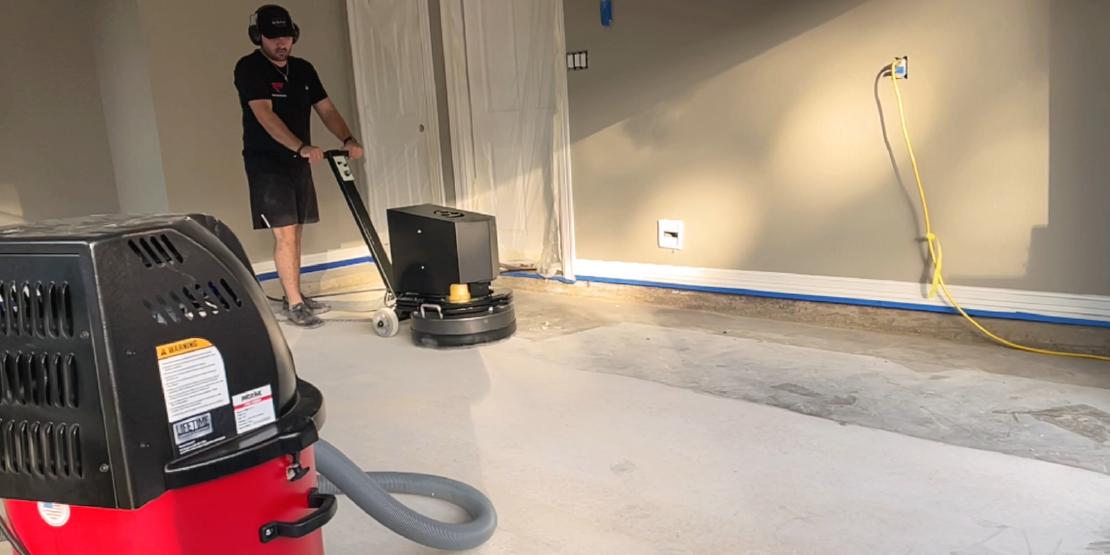
Proper floor preparation is a vital step before initiating the overcoating process. The floor must be thoroughly cleaned and any existing coating or sealant must be completely stripped off. All debris, dust, grime, oil, grease, or any other contaminant that can interfere with the adhesion of the new coating must be efficiently removed. The cleaning process often involves sweeping, vacuuming, power washing or even using a specialized industrial cleaning agent, depending on the contamination levels of the floor.
Once cleaned, the floor surface may need to be treated or primed to ensure optimal adhesion of the overcoat. This usually involves sanding or etching the floor surface, methods that create minute rough textures on the floor to enhance the coating’s grip. Moreover, any existing cracks, chips, or holes in the floor should be repaired at this stage using appropriate fillers or sealants. Ensuring every minute detail during the floor preparation can significantly influence the quality and durability of the overcoating job. Always remember, a well-prepped floor makes the ideal canvas for an overcoating masterpiece.
Applying the Overcoat: Step by Step Guide
The initial and perhaps one of the prime considerations while applying an overcoat includes ensuring complete and thorough cleanliness of the commercial floor surface. Any sort of debris, dust, or residual substance can affect the adherence of the overcoat, thereby affecting the eventual outcome. Rigorous sweeping, intense scrubbing, or power washing may be employed, depending upon the nature of the floor. For synthetic coverings, stripping and waxing may be done to remove tenacious dirt and old wax layers. This process helps in achieving a smooth substrate upon which the overcoat can be effectively applied.
The next pivotal step involves applying the overcoat. Choose a starting point ideally in a corner or along a wall, and begin the application process gradually spreading across the floor. It is integral to use the right tools such as a roller or sprayer for uniform distribution of the overcoat. Applying it too thickly can result in surface irregularities and longer drying times, while too thin an application may not provide adequate coverage. To achieve the optimal effect, usually two coats are recommended with a drying time in between. The drying period can range from 12 to 72 hours, based on environmental conditions and the specific overcoat product being used. During this time, the surface should be kept free from all foot or equipment traffic to prevent any potential damage.
Post Overcoating Care: Ensuring Longevity of Your Floors
Once an overcoat is applied to a commercial floor, it is vital to maintain it properly to ensure its longevity. This involves adopting certain practices and avoiding others. These procedures depend on the type of overcoating used. For example, if an epoxy-based coat has been implemented, it is advisable to avoid harsh chemical cleansers that could degrade the coat’s integrity. Regular cleaning with milder solutions can help preserve the protective layer, ensuring the long-term durability of the floor.
The frequency of floor maintenance can also influence the longevity of the overcoat. Over-cleaning or excessively rigorous scrubbing can be detrimental, causing unnecessary wear and tear. Yet, neglecting routine cleanups may possibly result in the buildup of dirt and debris, which can grind against the coat, reducing its lifespan. Therefore, strike a balance by adhering to a regular cleaning schedule, that is neither too frequent nor too sparse, to keep your overcoated commercial floors in the best condition possible.
Common Mistakes to Avoid While Overcoating Commercial Floors
Achieving a flawless finish when overcoating commercial floors can be a daunting task. Without proper technique and understanding, mistakes are bound to happen. In particular, rushing through the preparation phase is one of the most common errors encountered. This stage is essential for the final result, as it ensures the overcoat properly adheres to the floor. An inadequate or fast-tracked preparation can result in peeling, blisters or flaking, wasting materials, time, and financial resources.
Another common mistake is neglecting to select the right overcoat product that complements the current flooring system. Each type of flooring, from concrete to vinyl, may require a different overcoat product to achieve optimal results. Furthermore, failure to correctly mix the overcoat solution can lead to an uneven finish or reduce the coat’s lifespan. It’s essential to meticulously follow the product’s instructions and appropriately alter the mix if necessary.
The Role of Professionals in Overcoating Commercial Floors
Professional expertise plays a crucial role in the process of overcoating commercial floors. Flooring professionals possess the necessary knowledge and experience to select the most suitable coating material, based on the type and state of the existing floor. They are well-acquainted with the characteristics and benefits of different overcoating solutions, making them an invaluable resource. Their guidance can help business owners make informed decisions about the most appropriate overcoating solution, considering both functionality and aesthetics.
Another significant aspect of professional involvement in floor overcoating is the correct application of the coating. Experts in the field are proficient in preparing the floor before the procedure, ensuring an even application, and creating a high-quality finish. An improperly applied coat can lead to blotches, bubbles, or peeling, which defeat the purpose of overcoating and could potentially lead to greater expenses down the line. As such, professional application assures durability, neatness, and a longer lifespan for the overcoat. It’s an investment that provides value for money and peace of mind for business owners.
Case Study: Successful Overcoating Projects in Commercial Spaces
One notable example of a successful commercial overcoating project can be traced back to the retail industry. A worn-out shopping center, receiving high levels of foot traffic daily, faced imminent closure due to the poor condition of its floors. It was decided to use an epoxy-based overcoat solution which possesses high durability and aesthetic appeal. The application process was carefully planned and implemented during non-operating hours. Within a week’s duration, the shopping center was back in operation with floors that were not just visually appealing, but also able to withstand the substantial daily foot traffic.
Another outstanding commercial overcoating project worth mentioning is in the restaurant industry. The owner of a bustling downtown restaurant was grappling with the problem of a deteriorating floor surface, affecting not only the ambiance of the establishment but also posing a safety risk to employees and customers. A decision was made to opt for a polyurethane overcoating solution given its resistance to spills and abrasion caused by heavy furniture. The overcoating was done in sections to avoid disrupting the daily operations. The end result was a significant enhancement in the look and feel of the floor offering greater safety and durability.
Cost Analysis: Is Overcoating a Budget-Friendly Option?
Overcoating existing commercial floors presents a cost-efficient alternative to a complete floor replacement. Pricing for overcoat solutions significantly varies based on the material type, quality, and the floor area intended for the application. The technique offers a less intrusive option, maintaining business continuity during the application process. This becomes crucial for bustling workplaces and industries where downtime can lead to a substantial loss in revenue.
However, a comprehensive cost analysis should not only consider the direct expenses of the overcoating application. Other factors fundamentally influence the overall cost-effectiveness, such as the lifespan of the overcoating solution, the maintenance frequency, and costs associated with the same. Overcoating solutions generally offer longer-lasting durability with proper care, allowing businesses to distribute the cost over a lengthy period, sufficient to justify the initial expenditure. Henceforth, it isn’t just the initial investment, but the long-term value that deems overcoating a budget-friendly option. To further delve into the cost analysis, several key factors that influence the overall cost-effectiveness of overcoating include:
• The quality and type of material used: Higher-quality materials may have a higher upfront cost but can provide longer-lasting durability, reducing long-term costs.
• The size of the floor area intended for application: Larger areas will require more material and labor, increasing the initial investment. However, economies of scale might come into play with larger projects.
• Business continuity during application: Overcoating is less intrusive than complete floor replacement, allowing businesses to continue operations without significant disruption. This minimizes potential revenue loss due to downtime.
• Lifespan of the overcoat solution: A durable overcoat can last many years with proper care. This allows businesses to distribute its cost over a lengthy period, making it more budget-friendly in the long run.
• Maintenance frequency and associated costs: While some types of flooring may require frequent and costly maintenance, most high-quality overcoats are easy to clean and maintain. Therefore, lower maintenance costs also contribute to their overall affordability.
In conclusion, Overcoating solutions often prove themselves as an economical choice when considering both short-term expenses (like direct application costs) and long-term values (like lifespan or maintenance). It’s not just about saving money on initial installation; it’s about investing wisely for future savings too. Thus indeed makes overcoating a budget-friendly option for commercial flooring needs.
Overcoating versus Complete Floor Replacement: Which is Better?
There is a widespread debate regarding whether overcoating or complete floor replacement is the better option for commercial spaces. Both options come with their own set of pros and cons, and making the right choice mostly depends on several factors. These factors often include the current condition of the floor, budgetary considerations, the intended use of the space, and the longevity and aesthetic requirements.
Overcoating, essentially a process of applying a protective layer over the existing floor, offers numerous advantages such as cost-effectiveness, minimal downtime, and an impressive range of aesthetic finishes. On the other hand, complete floor replacement could provide a long-term solution, especially for severely damaged floors with structural issues. However, the second option could involve higher costs and longer downtimes. Both options hold significant roles in maintaining the pristine condition and extending the life span of commercial flooring.
What is the need for overcoating commercial floors?
Overcoating commercial floors helps to enhance their durability, aesthetic appeal, and functionality. It can also help to extend the lifespan of the flooring, thus saving on costs associated with complete floor replacement.
Can you give an overview of the overcoating process?
The process typically involves first cleaning the existing floor, then applying a primer followed by the overcoating product. Some cases may require a topcoat for extra protection. It’s important that each layer is fully dried before the next is applied.
What are the different types of overcoating solutions available for commercial flooring?
The various types of overcoating solutions for commercial flooring include epoxy-based systems, polyurethane-based systems, and acrylic-based systems among others. The choice of overcoating solution depends on the type of existing flooring and the requirements of the commercial space.
What are the benefits of overcoating on commercial floors?
Overcoating can help to improve the look and feel of commercial floors, it also offers protection against wear and tear, chemical spills, and other damage. It can also extend the lifespan of the floors, thus saving money in the long term.
How do I choose the right overcoating product for my floors?
Choosing the right overcoating product depends on the type of your existing floor, the condition of the floor, and the intended use of the commercial space. It’s often best to consult with a flooring professional to make the right choice.
What is the process of preparing commercial floors before overcoating?
The surface of the floor should be thoroughly cleaned and dried. Any existing damage, such as cracks or holes, should be repaired. Depending on the type of overcoat, a primer might be applied before the overcoat.
What care is required after overcoating the floors?
It’s important to allow the overcoat to dry completely before using the floor. Regular cleaning and maintenance should be done to ensure the longevity of the floor.
What mistakes should I avoid when overcoating commercial floors?
Some common mistakes include not preparing the floor properly before overcoating, using inappropriate overcoating products, and not allowing each layer to dry properly before applying the next.
Is it necessary to hire professionals for overcoating commercial floors?
Yes, hiring professionals can ensure the correct application of the overcoat and help to avoid common mistakes that can compromise the quality and durability of the floor.
Is overcoating a more budget-friendly option compared to complete floor replacement?
Yes, overcoating can be a more cost-effective option as it extends the lifespan of the existing floor and reduces the need for complete replacement.
Which is better: overcoating or complete floor replacement?
This depends on the condition of your existing floor. If the floor is heavily damaged or worn out, complete replacement might be necessary. However, if the damage is minimal, overcoating can be a cost-effective and convenient solution.