
Using Floor Coatings to Define Spaces
Understanding the Concept of Space Definition through Floor Coatings
Floor coatings play a crucial role in shaping and defining the visual appearance and functionality of a space, notwithstanding the size or format of the area. They bring to life, the key concepts of space-definition, which relates essentially to how an area resonates with its intent or use, the behaviors it prompts, and how it aesthetically or functionally engages with those who use it. Through the medium of floor coatings, space definition acquires a robust, tactile, and visual form.
Floor coatings offer a physical and tactile dimension to the division of an area. Inducing visual separation and promoting distinct use, each area can be individualized, enabling the users to connect and form associations with the space. Strategic application of floor coatings can not only reflect the intended mood or function of a space but also can influence perception, thereby, essentially channeling the movement, direction, and interaction within the room. The choice of coating, its color, texture, or finish can all play into effectively defining and demarcating a space.
Types of Floor Coatings Suitable for Space Definition
In the realm of spatial definition, an array of floor coating options exists that can effectively demarcate and define different areas within a given space. Epoxy coatings hold a prominent place amongst these. Epoxy is renowned for its incredible durability and resistance to various forms of damage such as staining, scratching, or chemical exposure. Its ability to retain a high-quality look for an extended period makes it an ideal choice for high-traffic areas, thereby providing a clear, long-lasting definition to separate different spaces.
On the other hand, acrylic coatings bring versatility into space definition. Acrylic is known for its ease of application and the beautiful glossy finish it bestows. Due to its UV resistance, this type of coating does not yellow over time, thus preserving the distinct color and finish that contribute to space definition. Furthermore, it offers the flexibility to infuse creativity and a unique sense of style into space differentiation, thanks to the wide range of colors and textures available.
The Role of Color in Defining Spaces with Floor Coatings
Color plays a pivotal role in floor coatings, significantly influencing the perception of space. This is due to its ability to manipulate our psychological interpretation of a given area, thereby transforming the ambiance according to desired effects. For instance, warmer shades such as reds, oranges, and yellows tend to intensify energy and stimulate activity, therefore they may be the color-coat of choice for spaces intended for social and physical activities such as gyms or playrooms.
On the other hand, cooler colors like blues, greens, and purples invite a sense of calm and are often used in areas meant for relaxation and tranquility like bedrooms or meditation rooms. Hence, the choice of color in floor coatings can be a powerful tool to designate the function and atmosphere of a space, ultimately defining its very purpose. The choice of the right color palette can truly revolutionize the appeal and functionality of a space.
Texture and Its Effect on Spatial Definition
In understanding the concept of designing space using floor coatings, the consideration of texture is paramount. It is a critical aspect that goes beyond just the visual appeal as it fundamentally shapes the perception of the interior environment. Texture, in this context, refers to the degree of roughness or smoothness of the floor surface. This characteristic is instantly palpable, either visually or through direct physical contact, affecting how individuals perceive and interact with a space.
Richly textured surfaces, with their intricate patterns and variation, often exude a sense of warmth and natural charm, making them well-suited for cozy residential interiors or vintage style shops. On the other hand, glossy, smooth surfaces reflect more light, contribute to a crisp, clean aesthetic, and are commonly associated with modern, high-end commercial spaces. The type of texture used in floor coating, therefore, can significantly affect the perceived size, formality, or mood of a room, thus providing a powerful tool for spatial definition.
How Floor Coatings Influence Perception of Space
Floor coatings significantly impact the perception of space in various ways. They create visual boundaries that help to distinguish one area from another, hence providing a sense of organization and orderliness. For instance, in a commercial office, a shift from carpeted to hardwood flooring could suggest a transition from casual to formal workspaces. This visual demarcation has the profound ability to influence behavior, guiding the occupants’ movements and interactions within the space.
Furthermore, the texture, color and pattern of the floor coatings can manipulate perceptions of space size. Light-colored coatings tend to make spaces appear larger and brighter, while darker shades may give the illusion of a smaller and cozier area. Similarly, horizontal stripes often make a room seem wider, whereas vertical stripes can make it feel taller. The carefully selected floor coatings can thus dynamically transform the space perception, provoking a particular mood or ambience, and enhancing the architectural aesthetic. Floor coatings also play a crucial role in the safety and functionality of space. For example, non-slip floor coatings are essential in areas prone to spills or wetness such as kitchens or bathrooms, thus reducing the risk of accidents. On the other hand, high-traffic areas like hallways and entrances may require durable coatings that can withstand heavy wear and tear.
• Floor coatings create visual boundaries that distinguish one area from another • The change in floor coating can suggest a transition between different types of spaces (e.g., casual to formal) • They guide occupants’ movements and interactions within the space
The texture, color, and pattern of floor coatings significantly influence perceptions of space size: • Light-colored floorings make spaces appear larger and brighter • Darker shades give an illusion of smaller, cozier areas • Horizontal stripes on floors can make rooms seem wider; vertical stripes can make them feel taller
Safety and functionality considerations related to floor coatings include: • Non-slip floor coatings are necessary for kitchens or bathrooms where spills frequently occur • High-traffic areas need durable flooring options that resist wear-and-tear
In conclusion, carefully selected floor coverings not only enhance architectural aesthetics but also manipulate perception of space size while ensuring safety. Therefore it’s important for architects, interior designers or homeowners to consider all these factors when choosing appropriate flooring materials for their projects.
Steps in Applying Floor Coatings for Spatial Definition
The process of applying floor coatings is an intriguing journey that requires meticulous planning and execution. The preliminary stage involves inspecting the surface of the floor to ensure that it’s clean, devoid of any dust or debris, and is perfectly dry. New concrete floors must be given ample time to cure before beginning the coating process. Once prepared, applying a primer is an essential step to bolster the bonding of the coating layer; this is especially crucial in providing long-lasting results.
The real transformation begins with the careful application of the floor coating. Utilizing a roller or spray, the coating is applied evenly across the surface, ensuring that all edges and corners are covered. Several thin layers are preferable to a single thick layer; this facilitates quicker drying and achieves a cleaner finish. Post-application, it is crucial to let the floor cure for a specified time without any disturbance. Ultimately, to crown the entire application process, a sealant is needed which gifts the floor a glossy finish, further augmenting the perception of space.
Essential Tools for Applying Floor Coatings
The process of applying floor coatings requires a range of different tools to ensure a smooth, professional-looking finish that lasts. From the preparation stage to the application and finishing stages, each step has its own unique requirements that necessitate the use of particular tools.
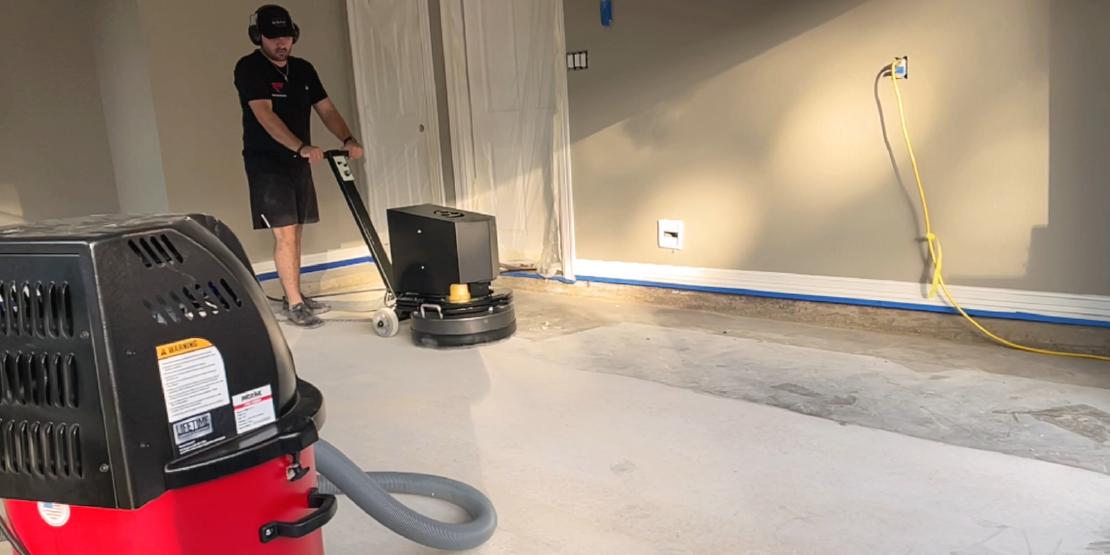
Preparation tools such as concrete grinders and shot blasters are used to prepare the surface of the floor before the coating is applied, ensuring the surface is clean and flat. Special epoxy rollers, brushes, squeegees, and trowels are then employed during the application process, with the type of tool used varying depending on the specific type of coating being applied. For the finishing process, tools such as floor burnishers and high-speed buffers are used to give the floor a polished, high-gloss finish. Additionally, safety equipment, including masks, gloves, and safety glasses, come into play to protect the individuals applying the coating.
Maintaining Coated Floors for Long-lasting Space Definition
Keeping your coated floors in peak condition is instrumental in preserving the spatial definition they bring to your environment. This maintenance begins with regular cleaning. Depending on the type of floor coating used, sweeping and damp mopping can keep the floor free of dirt, dust, or other debris that may dull the color and texture of the floor coatings. Always use a cleaner specified by the floor coating supplier, as some commercial cleaning products may be too harsh and cause damage.
Beyond cleaning, it’s important to conduct periodic inspection of coated floors to identify any damages or scratches early. Minor issues can often be addressed with touch-up applications of the floor coating, helping to maintain its aesthetic and protective properties. In areas of heavy traffic, consider using rugs or mats to reduce wear, preserving the integrity of the space definition. Look out for any signs of dullness, discoloration or peeling, and respond promptly with necessary corrective measures.
Potential Challenges in Using Floor Coatings for Space Definition
While floor coatings can remarkably transform and define spaces, they are not devoid of hurdles. The application process itself can present a series of complications. A poorly prepared floor surface can result in inadequate adhesion of the floor coating substances. In addition, environmental conditions such as excessive humidity or low temperatures during installation can adversely affect the drying and curing process. Incorrect ratio mixing of the coating portions can also lead to unsatisfactory results.
In the long-term, wear and tear from foot traffic, moisture intrusion, or heavy loads can gradually degrade the coating, causing it to peel or crack which can undermine the spatial definition. Certain floor coatings are susceptible to discoloration from UV exposure, thereby altering the color originally intended for spatial demarcation. Chemical spills or harsh cleaning agents can additionally deteriorate the protective layer of the coating. Each of these challenges needs to be adequately addressed to maximize the potential of floor coatings in defining spaces.
Solutions to Common Floor Coating Problems
Common challenges with floor coatings range from peeling and bubbling to discoloration and uneven textures. These problems may emerge due to a variety of factors including improper surface preparation, application in suboptimal conditions, or even use of low-quality products. By accurately diagnosing these issues and understanding their causes, it becomes much simpler to find appropriate solutions and ensure a quality, long-lasting finish.
For instance, bubbling and peeling are often a result of trapped air or moisture under the coating. This can be mitigated by thorough surface preparation, ensuring the floor is clean, dry, and adequately primed before application. Discoloration, on the other hand, might be a signal of UV-ray damage, requiring the utilization of UV-resistant sealants or the reapplication of the coating entirely. Understanding the nature of these issues helps in crafting practical and effective solutions.
Case Studies: Successful Space Definition Using Floor Coatings
A prominent example of successful space definition using floor coatings can be observed in Charles Schwab’s corporate headquarters in San Francisco. The goal was to establish a distinct workspace while maintaining an overarching corporate identity. This was achieved through the application of custom epoxy floor coatings. The cool, subdued color palette synergized with the building architecture, effectively delineating office spaces while ensuring overall cohesion.
In the retail sector, Apple Stores worldwide serve as perfect case studies. The stark, glossy white epoxy floor coatings reflect the minimalist aesthetic of the brand and help define the expansive sale areas. These floor coatings not only create a sense of spatial clarity, but they also amplify the bright, modern environment, thereby simplifying navigation and enhancing the customer’s overall shopping experience. These two examples underscore the essential role of floor coatings in defining and enhancing a space.
Benefits of Using Floor Coatings for Space Definition
Floor coatings provide an efficient method for defining and segmenting spaces, especially in vast, open areas like warehouses, factories, or even offices. They offer an affordable solution compared to constructing walls or partitions, consequently reducing any disruption to daily operations as they require minimal time to apply and dry thoroughly. Additionally, floor coatings are remarkably durable, capable of withstanding heavy traffic and extended wear, this makes them ideal for high-traffic areas.
The application of color within floor coatings plays a crucial role in space demarcation. Diverse colors can create visual boundaries that help delineate different zones, directing movement and enhancing safety, especially in industrial settings where specific areas might be hazardous. Furthermore, a thoughtfully chosen palette can also induce certain moods or feelings, contributing to the overall ambience of a space. For instance, vibrant colors may stimulate creativity and energy in a workspace, while cooler tones might evoke calmness and focus.
Exploring Future Trends in Space Definition with Floor Coatings
As we venture further into the 21st century, innovations in floor coating technology are expected to intensify. Technological advancements and refined aesthetics are creating a trend towards intelligent coatings, offering a wide array of benefits. These innovative floor coatings can potentially interact with the surrounding environment, fulfilling more functions beyond just space definition. Techniques such as thermochromic and photo-luminescent coatings are rapidly advancing, providing added spatial significance and variation in a subtle and dynamic manner.
In addition to this, sustainability is a fundamental shift currently driving the floor coating industry. Environmentally friendly coatings with low volatile organic compounds (VOC) are being developed to minimize environmental impact. Moreover, recyclable and bio-based materials are expected to become huge contributors to the evolution of floor coatings. These trends not only aim to refine the function of space definition but also promote the welfare of our planet. The future thus holds immense potential for the exploration of space through floor coatings, pushing the boundaries of traditional design and sustainability.
What is the concept of space definition using floor coatings?
Space definition using floor coatings refers to the strategic use of different types, textures, and colors of floor finishes to influence the perception and functionality of a space.
What types of floor coatings are suitable for space definition?
Various types of floor coatings can be used for space definition including epoxy, polyurethane, acrylic, and polyaspartic coatings. The selection often depends on the desired aesthetic and functional qualities of the space.
How does the color of floor coatings affect space definition?
Color can significantly influence the perceived size, mood, and purpose of a space. For instance, lighter colors can make a space seem larger and brighter, while darker colors can create an intimate or cozy atmosphere.
How does the texture of floor coatings influence spatial definition?
Different textures can also influence the perception of space. Glossy finishes can make a room appear more spacious as they reflect light, while matte or rough finishes can create an intimate, warm atmosphere.
How do I apply floor coatings for spatial definition?
Applying floor coatings for spatial definition involves several steps including preparing the surface, choosing the right type and color of coating, and applying it in a manner that achieves the desired spatial effect.
What tools do I need to apply floor coatings?
Essential tools include a floor grinder or sander for surface preparation, rollers or brushes for applying the coating, and safety gear like gloves and goggles.
How can I maintain my coated floors for long-lasting space definition?
Regular cleaning, prompt repair of any damage, and periodic recoating can help maintain the look and functionality of your coated floors.
What are some potential challenges when using floor coatings for space definition?
Challenges may include difficulty in achieving a uniform finish, choosing inappropriate coating types or colors for a specific space, or dealing with environmental factors that affect coating performance.
Can you provide some solutions to common floor coating problems?
Yes, solutions may include proper surface preparation, using the right application tools and techniques, choosing the suitable coating types and colors, and addressing environmental factors such as moisture and temperature.
Are there any successful examples of space definition using floor coatings?
Yes, there are several case studies that illustrate how floor coatings have been used effectively to define and enhance different types of spaces, from residential homes to commercial buildings and public spaces.
What are the benefits of using floor coatings for space definition?
Benefits can include enhanced aesthetic appeal, improved functionality, increased durability of the floor, and the ability to customize the space to match specific design preferences.
What are some future trends in space definition with floor coatings?
Future trends may include the use of eco-friendly materials, advanced technologies for applying coatings, and innovative coating designs that enhance the spatial experience.