
UV and Weather Resistant Coatings for Outdoor Industrial Areas
Understanding the Need for Durable Exterior Finishes in Industry
Industrial environments are constantly exposed to harsh conditions, such as high temperatures, corrosive substances, and severe weather. These factors pose significant threats to the integrity and longevity of the structures within these environments, making the need for durable exterior finishes of utmost importance. Not only does a robust finishing safeguard the core material from deterioration, but it also enhances the aesthetic appeal and value of the property.
Imperative to both function and form, durable exterior finishes provide a robust layer of protection against the ravages of the elements. This attribute, in turn, bolsters the resistance of infrastructure, equipment, and machines against undue wear and tear. In addition, the utilization of sunlight-resistant paints and climate-resistant coatings can dramatically extend the lifespan of industrial surfaces, ensuring the durability and long-term performance of industries. By investing in high-quality exterior finishes, industries can significantly minimize maintenance costs, downtime, and premature replacement.
Importance of Shielding Industrial Zones from Harsh Climate
The industrial sector is particularly vulnerable to extreme weather conditions, which can significantly impact operational efficiency and longevity. Unfavorable environmental factors such as high temperatures, intense UV radiation, heavy rain, snowfall and hailstorms, high wind speeds, and corrosive elements can wreak havoc on unprotected industrial surfaces causing extensive damage, corrosion, and wear and tear. It’s essential to adopt preventative measures, including the application of durable exterior finishes and weatherproof coatings to shield these critical infrastructure assets from the severe impact of harsh weather elements.
Protecting industrial zones from hostile climate goes beyond just maintaining the physical integrity of the buildings and machinery. It also guarantees sustained productivity, preventing systemic failures or downtime that can result from the deterioration of equipment and surfaces. Climate-resistant coatings play a pivotal role in this aspect, allowing structures to withstand elemental onslaughts. The implementation of sunlight-resistant paints and high-quality weatherproof applications contributes to the overall longevity and durability of an industrial establishment, reducing maintenance costs and optimizing operational efficiency over time.
Exploring the Science behind Sunlight-Resistant Paints
Sunlight-resistant paints, also termed as UV-resistant coatings, form a crucial line of defense against the adverse effects of the sun’s ultraviolet rays. Prolonged exposure to high-energy UV rays can cause visible damage, such as fading and discoloration, and reduce the efficiency of industrial surfaces. Through scientific advancements, researchers developed innovative formulations with special chemical bonds that react less with UV lights, thus leading to slower degradation and improved longevity. These unique “UV blockers” can absorb, reflect, or scatter the harsh sunlight before it can inflict damage on the underlying surface.
Polyurethan top-coats, in particular, are highly appreciated in the industry for their sunlight-resistant properties. These paints contain UV resistant additives which significantly enhance their sunlight shielding capacity. Another representative group is nanoparticle-based paints, fortified with inorganic UV blockers such as nano titanium dioxide and zinc oxide, which provide stellar sunlight-resistant characteristics. These nanotech elements are so minute that they cannot be seen by the naked eye, yet they dramatically boost the paint’s ability to ward off UV radiation. As a result, these cleverly engineered coatings extend the lifespan of industrial surfaces, reducing maintenance costs and keeping industrial zones aesthetically pleasing despite harsh weather conditions.
Key Characteristics of High-Quality Weatherproof Applications
In the realm of industrial applications, the need for high-quality, weatherproof solutions is paramount. These coatings play a crucial role in shielding industrial infrastructures from damaging environmental factors. The features that set apart these high-end applications are durability, resilience, UV resistance, and adaptability to varied climatic conditions.
Durability, the hallmark of a top-tier weatherproof application, allows it to preserve its initial form and function even under harsh conditions. Resilience ensures the coating can bounce back after being subjected to significant weather-related stress. A high degree of UV resistance makes the coatings capable of withstanding prolonged exposure to the sun without any significant degradation. Moreover, adaptability ensures that these coatings can perform equally well under varying climatic conditions ranging from freezing cold to extreme heat. Together, these characteristics make up the backbone of any industrial-grade, weather-resistant coating.
Selecting the Right Outdoor Industrial Paints
When looking to safeguard industrial areas, the choice of exterior paint becomes crucial. Outdoor industrial paints are specifically designed with properties that resist harsh weather conditions, UV deterioration, and environmental pollutants, ensuring the longevity of the structure they coat. Paint industry has evolved remarkably, offering a myriad of robust exterior coating solutions. However, the challenge lies in choosing the correct product that best aligns with the distinct needs of an industry.
For instance, if the industrial area to be painted is located in a region with high exposure to sunlight, opting for a paint that is highly sunlight-resistant is paramount. This type of paint is fortified to withstand the damaging effects of ultraviolet rays, that can degrade the surface over time. Meanwhile, if the industrial zone is situated in a climate that experiences heavy rainfall, a water-resistant, weatherproof paint is the go-to finish. These paints provide an impervious barrier, that help repel water, thus avoiding any potential structural water damage. Hence, understanding the specific environmental stressors for every industrial location is key in allowing an informed decision when selecting the right outdoor industrial paints.
How Industrial Surface Finishes Withstand Sun Damage
Industrial surface finishes are formulated to withstand sun damage through a combination of specialized ingredients and production techniques. Protective coatings are typically designed to reflect sunlight, rather than absorb it, which reduces the surface temperature and mitigates the potential for heat-induced damage. Further, the protective layer acts as a sealant, preventing the penetration of harmful ultraviolet (UV) rays that can degrade the material, potentially leading to its disintegration over time.
The inclusion of UV resistors and light stabilizers in industrial paints and coatings is another essential factor. These components work synergistically to scatter and absorb UV radiation, transforming it into less harmful energy forms, such as heat, which is then dissipated. Advanced research in nanotechnology has also paved the way for increasingly efficient protective industrial coatings, ensuring enhanced durability even in extreme weather conditions. Combining these elements makes industrial surface finishes a formidable shield, preserving the integrity of industrial structures against sun damage.
The Role of Climate-Resistant Coatings in Boosting Longevity
High-quality climate-resistant coatings play a crucial role in enhancing the lifespan of industrial infrastructure. Industrial structures are consistently exposed to varied climatic conditions, which affects their structural integrity over time. If left unprotected, these structures can degrade rapidly due to elements like sunlight, rain, and humidity. Hence, all these factors play an influential role in undermining the lifespan of industrial units. Fortunately, advances in technology have introduced efficient, climate-resistant coatings that can combat these adverse weather conditions and maximise the durability of the surfaces they shield.
Certainly, the use of climate-resistant coatings is paramount in any industrial setting. By creating a protective barrier against the detrimental effects of harsh climates, these coatings preserve the structural strength of industrial infrastructure. They are formulated with advanced materials that possess unique properties such as UV resistance, water resistance, and increased elasticity. These characteristics help surfaces withstand fluctuating weather conditions while retaining their aesthetic appearance over extended periods. Therefore, the introduction of such coatings have revolutionized the maintenance practices in industries, ultimately boosting the longevity of industrial premises.
Comparing Different Types of Industrial Paints for Outdoor Use
Industrial paints for outdoor use are diverse, possessing unique characteristics that cater to different specific needs. These are typically categorized into two main types: acrylic and alkyd paints. Alkyd paints, known for their exceptional adhesion, are beneficial in preventing peeling and chipping of the surface over time. Additionally, their oil-based formula provides a glossy and hard finish making them an excellent choice for heavy-duty industrial outdoor applications. However, they tend to yellow over time and have a slower drying time compared to other paint types.
On the other hand, acrylic paints bear an advantage with their ability to withstand harsh weather conditions and UV radiation, making them a prime choice for exterior industrial environments. They dry quickly, offer high color retention, and are less likely to crack compared to their alkyd counterparts. Furthermore, acrylic paints provide the ease of soap and water clean-up, a convenience not offered by most oil-based paints. However, they do require a more meticulous application process to ensure optimum performance and durability. While both have their advantages, the choice of paint significantly relies on the specific needs and conditions of the industrial outdoor application.
Effective Application Techniques for Weather-Proofing Industrial Areas
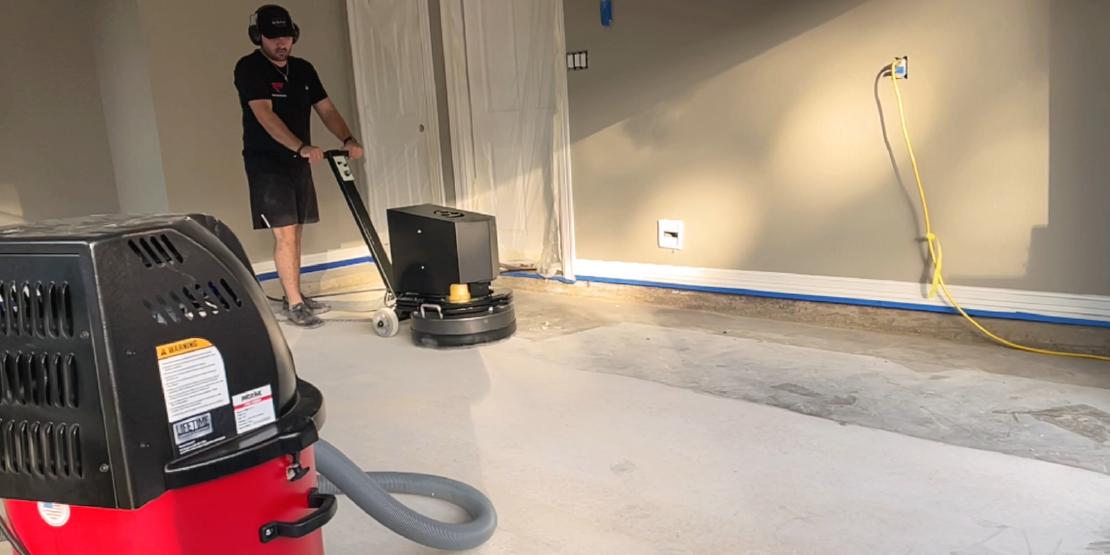
Applying weatherproof coatings in industrial areas requires careful planning and meticulous execution. First, surface preparation is crucial to increase the adhesion of paint, reducing chances of peeling and flaking. This involves cleaning the surface to remove any dirt, grease, or corrosion. Then, a high-quality primer is applied to provide a good base for the paint. Primers can also serve to provide additional protection against rust, especially on metal surfaces.
For the main coating process, spraying application is often preferred in industrial settings for its uniform coverage and speed. It’s important to ensure complete coverage, especially in corners and joints where weather damage can occur. Multiple layers of paint may be required to ensure an effective barrier against the elements. Finally, a top coat, often high-gloss, provides further protection while enhancing aesthetic appeal. This comprehensive approach ensures the applied coatings can effectively shield industrial areas from the ravages of harsh weather conditions. Temperature and humidity during application should also be taken into consideration as they could affect the curing process and final durability of the coating. To summarize, here are the key steps in weatherproofing industrial areas:
• Clean the surface: Removing any dirt, grease or corrosion is essential to ensure proper adhesion of the paint. This reduces chances of peeling and flaking.
• Apply a high-quality primer: A good primer provides a solid base for paint application and can also offer additional protection against rust, particularly on metal surfaces.
• Use spray application for main coating: Spraying is often preferred due to its uniform coverage and speed. It’s crucial to make sure all areas including corners and joints are covered as these spots are prone to weather damage.
• Apply multiple layers if necessary: Depending on the severity of weather conditions, you might need several layers of paint to create an effective barrier against elements such as rain, snow or wind.
• Finish with a top coat: A final layer of high-gloss paint not only adds aesthetic appeal but also offers further protection against harsh weather conditions.
• Monitor temperature and humidity during application: These factors could affect the curing process which directly impacts how durable your coating will be in long-term use.
By following these steps carefully, it’s possible to effectively shield industrial areas from harsh climate conditions while maintaining their appearance over time.
Maintaining the Efficiency of Sun-Resistant Industrial Coatings
In the realm of industrial applications, sun-resistant coatings are a critical factor in safeguarding equipment and infrastructure. These specialized coatings, designed to resist ultra-violet degradation, maintain their structural integrity even in the face of direct and extreme sun exposure. However, to ensure their longevity and efficacy, regular maintenance and inspections are necessary. These procedures check for damages such as cracking, peeling, or delamination, which can compromise the protective effect of the coating.
For optimal performance, a preventive maintenance plan should focus on early detection and repair of any defects. Regular cleaning practices can also help preserve the coating’s appearance and performance by minimizing the accumulation of grime and dirt that might affect its sun-resistance capability. In doing so, infrastructures are not only kept in top condition, but their life span can be significantly extended, resulting in substantial savings on repair and replacement costs. In a nutshell, regular maintenance is the backbone of preserving the efficiency of sun-resistant industrial coatings.
Impact of Sunlight and Weather on Unprotected Industrial Surfaces
The continuous exposure of industrial surfaces to the harsh elements, especially sunlight and fluctuating weather conditions, can gradually lead to significant deterioration. Corrosive sunlight rays unleash harmful ultraviolet (UV) radiation, which, when absorbed by unprotected surfaces, initiate the degradation process. Industrially important materials like polymers, metals, and rubber all suffer from UV-induced photodegradation. This form of radiation triggers a series of chemical reactions in materials, gradually leading to their discoloration, corrosion, and loss of mechanical strength. Similarly, the thermal expansion and contraction caused by temperature variations also contribute towards compromising the structural integrity of the materials.
Another major challenge arises from precipitation, whether it be rain, snow, or even hail. Moisture is an enemy of industrial surfaces not built to resist it: it can infiltrate tiny cracks, leading to mold and mildew buildup or even frost damage in colder climates. Besides, fluctuating temperature, combined with persistent moisture, can increase the risk of rusting in metallic surfaces, further decreasing their lifespan and durability. Thus, leaving industrial materials unprotected against such environmental stressors can significantly affect their functionality, raise repair and maintenance costs, and even pose a safety risk with weakened structures. Essentially, an understanding of how weather conditions and sunlight impact industrial surfaces is essential for planning an effective maintenance strategy.
Case Study: Successful Implementations of Weatherproof Industrial Coatings
One of the most compelling examples of successful implementations of weatherproof industrial coatings can be witnessed in the maritime industry. The constant exposure to harsh sea environments and extreme sunlight necessitates robust protective measures for the vessels. A leading player in shipbuilding employed a novel weatherproof coating, combining anti-corrosive and UV resistance properties. The result was a significantly increased lifespan of the ship exteriors, reduced maintenance costs, and enhanced overall vessel performance.
On another note, the aviation industry too presents an ideal case study for the evident benefits of weatherproof industrial coatings. Being subjected to diverse harsh weather conditions and persistent UV radiation at high altitudes, the exterior surfaces of aircraft require superior protection. In response to this, a prominent aircraft manufacturer integrated a sunlight-resistant aerospace coating in their production process. This resulted in improved aircraft durability, reduced need for repainting tasks, and evidently extended the aircraft’s maintenance cycle, offering elevated operational efficiency.
Top Manufacturers of Climate-Resistant Industrial Coatings
Renowned globally for their pioneering solutions, AkzoNobel stands out as a leading producer of climate-resistant industrial coatings. Utilizing advanced technology, the company offers a comprehensive range of products tailored to protect surfaces exposed to harsh weather conditions such as extreme sunlight, strong winds, and heavy rainfall. AkzoNobel’s innovative and sustainable product line demonstrates their commitment to advancing the industry, earning them a significant market presence and positive customer feedback.
BASF, another credible manufacturer, is highly recognized in this field for their dedication to quality and innovation in terms of delivering weatherproof industrial coatings. Their product portfolio includes coatings that provide exceptional resistance to ultraviolet rays, reducing the damaging effects of relentless sun exposure on industrial surfaces. Professionally crafted by a team of experts, BASF’s coating solutions epitomize the company’s thorough research process, state-of-the-art technology usage, and focus on addressing customer needs efficiently.
Why is there a need for durable exterior finishes in industry?
Durable exterior finishes are crucial in industry as they protect facilities, equipment, and infrastructure from environmental factors like sunlight, moisture, and harsh weather climates. These finishes help prevent rust, deterioration, and other damage that could negatively impact operations.
How do industrial coatings shield facilities from harsh climate conditions?
Industrial coatings are specially designed to resist environmental factors like UV rays, moisture, temperature fluctuations, and chemicals. They form a protective barrier that shields the underlying structure from these damaging elements.
Can you explain the science behind sunlight-resistant paints?
Sunlight-resistant paints contain pigments and additives that reflect or absorb the harmful UV rays of the sun. This prevents the degradation and fading of the material underneath the paint, increasing its lifespan.
What are the key characteristics of high-quality weatherproof applications?
High-quality weatherproof applications offer excellent adhesion, flexibility, and resistance to UV rays, moisture, and temperature changes. They should have a long life expectancy and be able to withstand harsh environmental conditions without peeling, cracking, or fading.
How do I select the right outdoor industrial paints?
The selection of outdoor industrial paints depends on several factors including the type of material to be painted, the environmental conditions it will be exposed to, and the expected life of the coating. Consulting with coating manufacturers or professionals can help in making the right selection.
How do industrial surface finishes withstand sun damage?
Industrial surface finishes are typically formulated with UV-absorbing or reflecting pigments and additives that protect the underlying material from the damaging effects of sun exposure. They also provide a physical barrier that prevents direct contact with sunlight.
In what ways do climate-resistant coatings boost longevity?
Climate-resistant coatings protect industrial materials from damaging environmental elements, preventing deterioration, corrosion, and other forms of damage. This, in turn, reduces the need for frequent replacements or repairs, significantly enhancing the lifespan of the industrial materials.
How do different types of industrial paints for outdoor use compare?
Different types of industrial paints vary in terms of their formulation, application methods, durability, and resistance to environmental factors. Some may have better UV resistance while others may excel in moisture or chemical resistance. The choice depends on the specific needs of the application.
What are effective techniques for weather-proofing industrial areas?
Effective techniques include the application of high-quality weather-resistant coatings, regular inspections and maintenance, use of protective structures or covers, and implementation of design elements that reduce exposure to damaging environmental factors.
How can the efficiency of sun-resistant industrial coatings be maintained?
The efficiency of these coatings can be maintained by regular inspections, prompt repairs of any damage, and re-application of the coating as recommended by the manufacturer.
What is the impact of sunlight and weather on unprotected industrial surfaces?
Sunlight and harsh weather can cause extensive damage to unprotected industrial surfaces. This includes fading, cracking, corrosion, and other forms of deterioration that can affect the structural integrity and lifespan of the materials.
Can you provide examples of successful implementations of weatherproof industrial coatings?
Real-world examples of successful implementations would be specific to the article content, but may include industries like construction, maritime, oil and gas, etc., where weatherproof coatings have been used to protect structures, machinery, and equipment from environmental damage.
Who are the top manufacturers of climate-resistant industrial coatings?
The top manufacturers would be specific to the article content but may include companies known for their high-quality, durable, and weather-resistant coating products.