
UV Resistant Coatings for Outdoor Applications
Understanding Ultraviolet Radiation and its Effects
Ultraviolet (UV) radiation forms part of the electromagnetic spectrum that reaches the earth from the sun. It has shorter wavelengths and higher frequency than visible light, making it invisible to the naked eye. UV radiation encompasses three types: UVA, UVB, and UVC. UVA has the longest wavelength and makes up most of the sun’s natural light, while UVB is more biologically active and cause sunburn. UVC has the highest frequency and usually does not reach the earth’s surface.
Exposure to UV radiation not only has detrimental effects on human life but also on materials that are exposed to outdoor weather conditions. For humans, overexposure to UV radiation can lead to health issues such as skin cancers, cataracts, and sunburns. On materials, UV radiation can result in degradation, leading to loss of strength, fading of color, and a reduction of material lifespan. Therefore, understanding the nature of UV radiation and its effects is crucial in implementing protective measures.
Significance of Protection Against Ultraviolet Radiation
Spanning a portion of the electromagnetic spectrum, ultraviolet (UV) radiation holds potential for harmful effects on living organisms. It’s an invisible form of light energy, with wavelengths shorter than visible light but longer than X-rays. Humans, animals, and even plants are vulnerable to this form of energy. Overexposure to UV radiation can lead to harmful consequences such as sunburn, premature aging, immune system suppression, and in severe cases, skin cancer. Therefore, protection against these rays stands crucial.
UV radiation holds the capacity to damage non-living materials as well. Outdoor materials, for instance, are persistently exposed to these radiation levels, resulting in adverse effects on their color, texture, and overall longevity. From damaging polymers that cause color fading to affecting the strength and durability of materials, UV radiation poses significant risks. Hence, investing in shields against these harmful rays proves essential in maintaining the durability and appearance of outdoor materials.
How Ultraviolet Radiation Affects Outdoor Materials
Ultraviolet (UV) radiation, a component of sunlight, has a profound effect on outdoor materials. This type of radiation is known to cause considerable damage, ultimately reducing the lifespan and functional attributes of these materials. For instance, materials like wood, plastic, and certain types of metal, when exposed to UV radiation, experience discoloration, brittleness, cracking or warping. Prolonged exposure can further lead to a substantial loss in mechanical strength and integrity of the material.
Another significant concern with UV radiation is degradation or fading of pigmented materials. Outdoor fabrics and painted surfaces are particularly vulnerable. UV radiation disrupts the chemical bonds in the color pigments, causing a drastic fade over time. Coatings, sealants, or paints can exhibit similar signs of deterioration when subjected to UV exposure. This leads to not only an aesthetically displeasing look but also a compromised shield layer, opening pathways for more severe structural damages.
The Science Behind Anti-Ultraviolet Radiation Technology
Ultraviolet (UV) radiation, part of the light spectrum from the sun, can cause significant harm to both living organisms and manmade materials. This radiation is categorized into three types, namely UVA, UVB, and UVC, each with different wavelengths and energy levels. UVA radiation is less damaging but more prevalent, while UVB radiation causes sunburns, and UVC radiation, the most harmful, is mostly absorbed by the Earth’s ozone layer.
Anti-ultraviolet radiation technology primarily works by blocking or absorbing these harmful UV rays. This can be achieved in several ways, with the most common method being through the use of ultraviolet stabilizers. These stabilizers are chemical compounds that can absorb UV radiation and dissipate it as heat, effectively negating its harmful effects. Another method is through the use of physical barriers, such as certain minerals, which can reflect and scatter UV radiation, thus preventing its penetration. The success of these technologies strongly relies on the type, concentration, and distribution of the protective substances used.
Types of Protective Layering Against Ultraviolet Radiation
There is a myriad of protective layers available against ultraviolet (UV) radiation, each offering distinct advantages and suitable for different applications. The foremost among these are sunscreens for personal use, which contain UV filters that absorb and scatter harmful ultraviolet rays. Sun-protective clothing, on the other hand, is designed with tightly woven fabrics and darker colors that enhance UV protection. These garments typically carry UPF (Ultraviolet Protection Factor) ratings to indicate how effectively they block UV radiation.
On a larger scale, window films and shadings are deployed in buildings to reduce UV exposure. Special UV-protective coatings are also utilized to shield outdoor materials such as wood, metal, and plastic from UV damage. Moreover, automotive industry uses UV-resistant paints and windshields to resist potential degradation caused by sunlight exposure. Similarly, agriculture industry employs UV-reflective films and shadings to protect crops from harmful effects of UV radiation. Each of these layering methods delivers unique benefits, contributing towards a comprehensive UV protection strategy. • Sunscreens: These are essential for personal use, especially during outdoor activities. They contain UV filters that absorb and scatter harmful ultraviolet rays, thus protecting the skin from direct exposure. The effectiveness of a sunscreen is indicated by its SPF (Sun Protection Factor) rating.
• Sun-Protective Clothing: This type of clothing is designed with tightly woven fabrics and darker colors to enhance UV protection. Such garments usually carry UPF ratings to indicate how effectively they block UV radiation.
• Window Films and Shadings: Used in buildings, these materials reduce indoor UV exposure by blocking or filtering out the sun’s harmful rays.
• UV-Protective Coatings: These special coatings are applied on outdoor materials such as wood, metal, and plastic to shield them from potential damage caused by prolonged exposure to sunlight.
• Automotive Industry Solutions: In this industry, there is extensive usage of UV-resistant paints and windshields which help resist degradation caused by sunlight exposure over time.
• Agricultural Solutions: The agriculture industry uses protective layers like UV-reflective films and shadings to protect crops from harmful effects of solar radiation.
In conclusion, it’s evident that there exist various types of protective layering against ultraviolet radiation across different industries - each playing a significant role in safeguarding our health as well as preserving the longevity of materials exposed to sunlight.
How Protective Coatings Work Against Ultraviolet Radiation
Protective coatings act as formidable shields against the harmful impact of ultraviolet radiation. Their function is rooted in their chemical composition that includes particles capable of absorbing, scattering, and reflecting UV rays. Typically, these particles involve inorganic compounds like zinc oxide (ZnO) and titanium dioxide (TiO2), which are known for their high refractive index. Once the ultraviolet radiation hits the protective layer, it is either absorbed and converted into a less harmful form of energy, i.e., heat, or it is simply reflected back, thereby safeguarding the underlying surface against potential deterioration.
In the context of outdoor materials, protective coatings serve an invaluable purpose. They help curb the phenomenon of ‘photo-degradation’, the process where UV radiation breaks down the chemical bonds within a material, causing its physical properties to deteriorate over time. These coatings are meticulously infused into or layered onto the substrates, forming a resilient barrier that deflects UV radiation and mitigates its damaging effects. Hence, the efficacy of these protective coatings is directly proportional to their concentration and distribution within the coating system applied. This makes them a robust line of defense in the fight against UV radiation.
Benefits of Using Protective Coatings on Outdoor Surfaces
The outstanding merits of using protective coatings on outdoor surfaces significantly outweigh any potential drawbacks, making them an essential factor in UV radiation protection. One of the primary benefits lies in the extended lifespan of outdoor materials. Protective coatings offer a shield against harmful UV radiation, preventing it from directly hitting the surface and causing degradation. This protection slows down wear and tear, reducing the frequency of replacements, and saving time, effort, and money in the long run.
Apart from providing durability, these coatings also enhance the aesthetic appeal of outdoor surfaces. UV rays can cause discoloration and fading, detracting from the visual attractiveness of materials. However, the application of anti-ultraviolet radiation coatings aids in preserving the original colors and finishes, maintaining the material’s visual appeal. Consequently, these protective coatings not only safeguard outdoor surfaces but also contribute towards preserving their aesthetic value, making them a wise investment.
Choosing the Right Protective Coating for Your Needs
Selecting the appropriate protective coating hinges on several essential factors. Chief amongst these are the specific materials that require protection and the intensity of ultraviolet radiation they are exposed to. Weather conditions in your geographical location, the frequency of direct sunlight, and the period that the materials will stay exposed outdoors also play a significant role. These considerations ensure that your chosen coating can withstand the harsh environmental elements while providing optimal protection against ultraviolet radiation.
Estimating your budget is another crucial step in finding the right solution. Anti-ultraviolet radiation coatings vary considerably in price, depending on their composition, quality, and the brand. High-end options often offer superior durability and performance but might be less cost-effective for large projects. Thoroughly research and compare different products before making a decision. Also, reading customer reviews and consulting professionals in the field can provide further guidance and help you make an informed choice.
Application Process of Anti-Ultraviolet Radiation Coatings
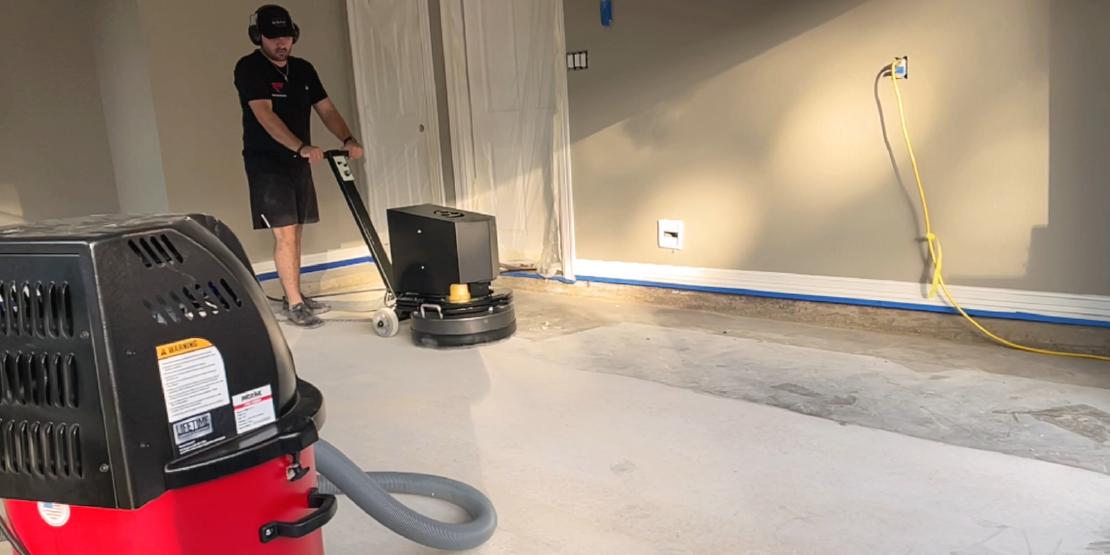
The application of anti-ultraviolet radiation coatings involves multiple steps designed to ensure optimal effectiveness. Firstly, the surface to be treated is prepared, often through sanding or cleaning, to remove any dust, dirt, or debris. This step is critical; the presence of such impurities can impair the coating’s adhesion, reducing its protective capabilities. Once clean, the surface is ready for the first layer of coating to be applied.
The coating is usually applied using specific tools, such as a brush, roller, or spray gun, which can cover the surface evenly. There may be a certain waiting period between layers to allow proper curing time, ensuring each coat is fully dry before the next is applied. The number of layers applied often depends on factors such as the type of surface being treated and the degree of UV protection required. Finally, ample care is taken to provide a finish that not only offers high resistance to UV rays but also enhances the aesthetic appeal of the surface.
Maintenance and Care of Protective Coatings
Regular upkeep of protective coatings is an essential task to keep its effectiveness against harmful UV radiation consistent. Proper maintenance not only preserves the structural integrity of the coated surfaces but also extends the service life of the coatings. Cleanliness is paramount, as accumulated dirt and debris can lead to minor damages, scratches, or imperfections on the coating layer, gradually compromising its UV-resistant properties.
Selecting suitable cleaning agents is crucial in the maintenance process. It is always advised to use non-abrasive solutions, eliminating the risk of scratching or degrading the protective layer. Besides cleaning the surface, regular inspection is also necessary for early detection and repair of potential damages. If identified early, minor cracks or blisters can be repaired, preserving the total encapsulating protective coverage against ultraviolet radiation. Not only does this preventative measure maintain the longevity of the protective coating, it avoids costly, extensive repairs in the future.
Lifetime and Durability of Anti-Ultraviolet Radiation Coatings
A paramount factor to consider when selecting anti-ultraviolet radiation coatings is their lifetime and durability. These protective coatings are engineered to last for a significant period, often spanning several years. It is a common misconception that these coatings degrade quickly due to constant exposure to harsh weather conditions and UV rays. High quality anti-UV coatings are designed to withstand such conditions and maintain their protective properties over time. Their robust formulation ensures they provide long-lasting protection against harmful UV radiation, preventing the degradation of the underlying materials.
The longevity of a particular coating varies depending on several factors, including the formulation of the coating, the intensity of UV radiation exposure, and the nature of the surface. More robust coatings are expected to last longer, but may require more exacting application processes. Regular maintenance and timely recoating can enhance the life span of these protective coatings. Nonetheless, while these coatings are durable, they are not indestructible and would eventually need replacement over time, thus underscoring the importance of regular evaluation and maintenance.
Case Studies of Effective Use of Protective Coatings
The Singapore Sports Hub, a multi-purpose stadium built in 2014, is an impressive illustration of protective coatings in action. The 55,000-seat arena consists of a moving roof that features a durable, weather-resistant ETFE cladding system. This polymer coating delivers unparalleled protection against relentless ultraviolet radiation, offering high light transmission and solar control, while maintaining the aesthetics with its unique design. Even in harsh weather conditions, the ETFE protective coating has proven to be significantly resilient, ensuring the longevity and functionality of the Sports Hub.
Another case study centers around the Vinoy Renaissance Resort & Golf Club in Florida. The 93-year-old hotel underwent a significant renovation in 2017, where the heavy exposure of outdoor surfaces to ultraviolet radiation became a concern. To combat this, a protective coating of waterproof, ultraviolet-resistant paint was used on the exterior of the resort. Three years post-application, the hotel’s facades remain in mint condition, demonstrating the remarkable effectiveness of the UV-protective coating. The perseverance of the resort’s original grandeur, despite constant sun exposure, continues to stand as an affirmation of the coating’s protective capacity.
Future Developments in Ultraviolet Radiation Protection Technology
Advancements in technology have continually broadened the horizon of possibilities in the field of ultraviolet radiation protection. Interest has particularly peaked in the development of nanotechnology-based techniques. Nano-sized particles of titanium dioxide and zinc oxide, for instance, have shown potential in providing superior protection against ultraviolet radiation. These minute particles can be incorporated into various products such as paints, plastics, and textiles, imparting high-grade UV protection while maintaining the properties of the original material.
There is also growing research in the field of organic UV-blocking agents. These are compounds that, when applied to a surface, absorb ultraviolet radiation and dissipate it as heat, thereby shielding the surface from UV damage. Scientists are also exploring the field of photostable compounds that can provide long-lasting protection. Green technology, too, has a role to play, with the search on for eco-friendly, biodegradable UV-protecting agents that balance efficiency and sustainability. As much as these developments sound promising, the field remains open for innovation and breakthroughs.
What is Ultraviolet Radiation and how does it affect us?
Ultraviolet Radiation is a type of energy produced by the sun. It can cause harm to living organisms by damaging the DNA in cells, increasing the risk of skin cancer, causing sunburn, and leading to premature skin aging.
Why is it important to protect against Ultraviolet Radiation?
Protecting against Ultraviolet Radiation is important as it can cause harm to our skin and eyes. It can also damage materials used outdoors, leading to degradation and loss of their properties.
How does Ultraviolet Radiation affect outdoor materials?
Ultraviolet Radiation can cause color fading, cracking, chipping, and other types of damage to outdoor materials. This can reduce their lifespan and effectiveness.
What is the science behind Anti-Ultraviolet Radiation technology?
Anti-Ultraviolet Radiation technology works by absorbing or reflecting the ultraviolet rays. It prevents these rays from penetrating the surface and causing damage.
What are the different types of protective layering against Ultraviolet Radiation?
The different types of protective layering against Ultraviolet Radiation include coatings, films, paints, and various types of clothes designed to block UV rays.
How do protective coatings work against Ultraviolet Radiation?
Protective coatings work by forming a barrier on the surface that absorbs or reflects the Ultraviolet rays, thus preventing them from penetrating the surface and causing damage.
What are the benefits of using protective coatings on outdoor surfaces?
Using protective coatings on outdoor surfaces can help to prevent damage, extend the lifespan of the materials, and maintain their appearance and functional properties.
How do I choose the right protective coating for my needs?
Choosing the right protective coating depends on your specific needs, the material to be protected, and the level of UV radiation exposure. A professional can help guide you in making the right choice.
How are Anti-Ultraviolet Radiation coatings applied?
The application process of Anti-Ultraviolet Radiation coatings typically involves cleaning the surface, application of the coating, and then curing to harden the coating.
How do you maintain and care for protective coatings?
The maintenance and care of protective coatings involve regular cleaning and reapplication as needed. It’s also important to inspect the coating periodically for any signs of damage.
How long do Anti-Ultraviolet Radiation coatings last?
The lifetime and durability of Anti-Ultraviolet Radiation coatings can vary, but typically they last several years depending on the environmental conditions and the quality of the coating.
Can you provide some examples of successful use of protective coatings?
There are many case studies of successful use of protective coatings in various industries, such as automotive, aerospace, and construction. Specific examples would depend on the type of material and the application.
What are the expected future developments in Ultraviolet Radiation Protection Technology?
Future developments in Ultraviolet Radiation Protection Technology may include the development of more effective and durable coatings, more environmentally friendly products, and innovations in clothing and other protective items.