
UV Resistant Coatings: Importance and Options
Understanding Ultraviolet Radiation and its Effects
Ultraviolet radiation, or UV, is a type of energy produced naturally by the sun, emanating rays that reach the Earth’s surface. It’s critical to note that there are three different types of UV radiation classified by scientists: UVA, UVB, and UVC. While the Earth’s atmosphere absorbs most UVC rays, UVA and UVB can have profound impacts on the human condition.
The effects of UV radiation on human skin can range from minor to severe. Prolonged and unprotected exposure to these harmful rays can lead to sunburn, premature ageing leading to wrinkles, skin damage, and at worst, skin cancer. Besides humans, UV radiation can also damage materials such as plastics and surfaces of structures, causing them to fade, crack, or peel over time. For this reason, the protective layers against sunlight, specially designed sun-resistant surfaces, become of vital importance. UV radiation also has some beneficial effects on human health. It plays a significant role in the production of vitamin D, which is essential for bone health and immune function. However, these benefits can quickly turn into risks without proper protection or overexposure to UV rays.
• Understanding Ultraviolet Radiation: ◦ UV radiation is a type of energy produced by the sun. ◦ Three types of UV radiation are UVA, UVB, and UVC. ◦ The Earth’s atmosphere absorbs most UVC rays.
• Effects of Ultraviolet Radiation: ◦ Prolonged exposure to UVA and UVB can lead to skin damage. ◦ Sunburns are a common effect of unprotected exposure to these harmful rays. • Premature ageing leading to wrinkles is another side-effect • At worst, extended exposure can result in skin cancer.
• Impact on Materials and Structures: • Plastics and other materials may fade, crack or peel due to continuous contact with UV radiation • Surfaces of structures need special protective layers against sunlight
• Benefits vs Risks: • While ultraviolet radiation aids in producing Vitamin D necessary for bone health & immune function, it becomes risky when overexposed or without adequate protection.
In conclusion understanding how different types of ultraviolet radiations work will help us protect ourselves better from their harmful impacts while benefiting from its positive aspects. Hence knowledge about this topic isn’t just interesting but crucial as well.
The Necessity of Protective Layers Against Sunlight
In today’s world, the importance of protective layers against sunlight cannot be understated. The sun, while essential for life, emits ultraviolet (UV) radiation that can have harmful effects on both our skin and the materials that make up our surroundings. Several types of UV radiation exist - UVA, UVB, and UVC, each with varying degrees of impact on the planet and in particular, on human skin. Extended exposure to sun’s radiation can lead to a host of skin problems ranging from mild sunburn to severe skin cancer, emphasizing the need for adequate protection.
Beyond the human skin, UV radiation also adversely impacts material surfaces, particularly those permanently exposed to the sun. This can result in color fading, material weakening, and accelerated aging of such surfaces which can be detrimental to their functionality and aesthetics. Certain materials, for instance, plastics and paints, are especially prone to this damage, hence sun-resistant treatments become crucial. They work to resist or block the harmful effects of sunlight, providing long-lasting protection and thereby extending the life of these exposed surfaces. Knowing and understanding the implications of UV radiation underscores the need for these protective layers.
Benefits of Sun-Resistant Surfaces
The perks of utilizing sun-resistant surfaces expand from simple aesthetic maintenance to important health protection. These surfaces, created to repel the detrimental effects of ultraviolet (UV) radiation, can extend the lifespan of materials. Sun-exposed objects such as outdoor furniture, building exteriors, and cars can retain their color and structure longer when coated with sun-resistant treatment. These treatments work by reflecting or absorbing UV radiation thereby reducing the rate of surface degradation.
In addition to preserving our belongings, sun-resistant surfaces contribute significantly to our health and well-being. Exposure to UV light can be harmful, leading to skin damage and potential diseases over long periods. For homes and other dwellings, using sun-blocking treatments on windows and surfaces can decrease the penetration of UV rays indoors. Consequently, this helps lower the risk of skin ailments and eye problems like cataracts, preventing potential UV-induced health complications. The investment in sun-resistant surfaces reaps returns in the form of material durability and protection of personal health.
The Science Behind Sun-Proof Layers
Sun-proof layers are specially designed materials that have the capacity to reflect or absorb the sun’s harmful ultraviolet (UV) radiation. These layers can be applied to a variety of surfaces such as skin, clothing, and glass, preventing the UV rays from penetrating through to the underlying material. The science behind these coatings lies primarily in their ability to scatter or absorb UV light, effectively functioning as a protective shield. To achieve these properties, sun-proof coatings are often composed of a multitude of nanostructures that either reflect back the sunlight or convert it into heat.
Furthermore, the science extends to the type of materials used in the production of these sun-proof layers. Predominantly, materials with high refractive indices are utilized - these include titanium dioxide and zinc oxide. Such materials have the innate ability to absorb a greater proportion of the UV spectrum. In addition to this, they are inert, resistant to degradation, and safe for human skin. By adjusting the size, shape, and distribution of these particles within a coating, manufacturers can further optimize the sun-proof properties of these layers. Consequently, this leads to a highly effective barrier against the detrimental effects of sun exposure.
Different Types of Sun-Proofing Treatments
There exists a wide array of sun-proofing treatments designed to shield surfaces from the harsh ultraviolet radiation of the Sun. These treatments work to extend the life-span of materials such as paint, rubber, and fabric, which are prone to cracking, fading, and failure due to prolonged exposure to sunlight.
Starting with UV glass coatings, these films are applied to windows to prevent harmful radiation from penetrating indoors. For exteriors, sun-proof paints enriched with ultraviolet inhibitors are a popular choice. They reflect UV rays, reducing heat gain, and maintaining the color vibrancy for a sustained time period. In the category of textiles, UV-protective fabrics come equipped with a unique weave structure combined with special UV-absorbing chemicals. Lastly, there are products like multi-purpose UV resistant sprays which are for a variety of materials like plastic, fiber glass, vinyl and more. Each treatment carries its unique strengths, with the common goal of resisting the destructive potential of sunlight.
Choosing the Right Sun-Resistant Treatment
When considering sun-resistant treatments, it’s vital to understand the specific needs of the surface in question. Location, material, and exposure are key factors that influence the type of sun-proofing solution best suited to the task. For instance, an outdoor wooden deck subjected to intense levels of sunlight and fluctuating weather conditions may require a different form of UV protective coating than a fabric awning.
There are a diverse range of sun-resistant treatments available, from UV-blocking paints and varnishes to fabric protectant sprays or clear acrylic sealants. Each comes with its own strengths and weaknesses, depending on the particular use. Assessing the effectiveness, durability, and cost of each treatment prior to application is crucial to ensuring a positive outcome. Consider consulting with a professional to help identify the right solution based on your specific requirements and environmental conditions.
Application Process of Sun-Proof Layers
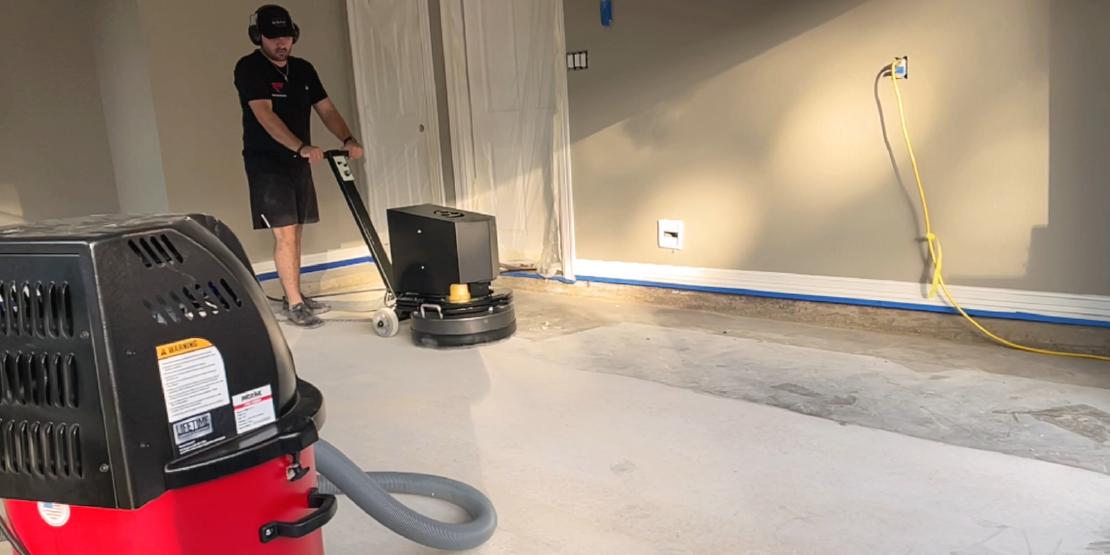
The application process of sun-proof layers involves several key steps. To begin with, the accomplishment of a surface preparation is pivotal. It aids in removing any form of debris or dust that could be a barrier to the absorption of the treatment. This may encompass power washing, scrubbing, or simply a thorough wiping, dependent on the surface type. After the surface has been properly prepped, the sun-resistant treatment is then applied - usually via spraying or rolling. Some treatments may require a single layer, while others necessitate multiple coatings to reach their full sun-resistant potential.
Inspecting the surface for any missed spots or thinly-applied areas comes next, it is crucial to assure an even coverage. The treatment then needs an adequate amount of time to cure. The duration can range from a few hours to several days, contingent on the product specifications. Surface preparation, layer application, inspection and cure time are elemental components to ensure an efficient outcome. It is also worth noting that the application process can substantially vary based on the specific sun-proofing treatment that has been selected.
Performance and Durability of Sun-Resistant Treatments
Sun-resistant treatments have proven to be extremely durable and efficient over the years in their protective function. These treatments are formulated with advanced technology, enabling them to tolerate extreme levels of ultraviolet radiation. The longevity of these treatments is quite impressive, as many top-rated products deliver year-round protection with just a single application. Often, the longevity of these products is influenced by both internal and external factors, such as product formulation, application technique, and environmental conditions.
The performance of sun-resistant treatments extends beyond simply deflecting harmful UV rays. Besides offering unparalleled protection against sun damage, they also help in maintaining the inherent color and texture of surfaces, preventing them from fading or cracking over time. This dual benefit of preservation and protection greatly enhances the value of these coatings. However, the performance is intrinsic to the formula quality, hence the choice of sun-resistant treatment is crucial in determining the benefits delivered. It’s important to select a high-quality product to reap maximum protection and durability benefits.
Maintenance and Care for Sun-Proof Surfaces
Like any surface treatment, sun-proof layers require regular maintenance to ensure their effectiveness and longevity. Over time, these protective barriers can become worn, damaged, or simply eroded by exposure to the elements. This is particularly true in regions with harsh weather conditions, where intense heat, high winds, and heavy rainfall can dramatically shorten the lifespan of sun-resistant treatments. It is therefore crucial to regularly check the integrity of these layers, and repair any visible damage as soon as possible.
Proper care for sun-proof surfaces involves not only regular inspections but also mindful cleaning practices. Abrasive cleaning tools and chemicals can cause serious harm to these protective layers, potentially reducing their efficacy or even stripping them away entirely. As such, it is advisable to clean these surfaces gently using non-abrasive tools and mild, environmentally friendly cleaning products. This approach will not only help to preserve the sun-proof layer but also prevent harmful substances from being washed into the environment. Regular and mindful maintenance of sun-proof surfaces can thereby serve to prolong their functional lifespan, and insure against potentially costly damage and replacements.
Potential Drawbacks of Sun-Proof Treatments
While there are numerous advantages to sun-proof treatments, they also come with a set of potential drawbacks that are worth mentioning. One of the main issues faced by consumers is the initial cost associated with these treatments. These sun-resistant solutions, especially the high-end products, can be quite expensive. The cost can add up, especially when treating larger surface areas such as entire homes, office buildings, or vehicles.
Another notable concern is the need for regular maintenance. For sun-proof treatments to remain effective, they often require regular reapplication or repair. This can be inconvenient and add to the ongoing costs. Some users also report that these treatments can alter the aesthetics of the surfaces to which they are applied, which may not be ideal for everyone. Despite these drawbacks, many users believe that the benefits outweigh these minor inconveniences.
Case Studies on Sun-Proofing Success
A compelling example of sun-proofing success is found in the application of ultraviolet (UV) resistant treatments to residential homes in sun-drenched areas such as Arizona and Florida. Over the span of a decade, these homes exhibited significantly fewer signs of solar deterioration compared to untreated neighboring homes. The sun-proofed surfaces, including roofs, exterior walls, and outdoor furniture, showed superior performance in terms of color-fade resistance and material integrity, even under extremely high UV index levels. This underlines the effectiveness and long-term benefits of investing in quality sun-resistant treatments.
On a larger scale, UV protective layers have shown successful implementation in historic landmarks and architectural sites. The Parthenon in Greece stands as a testament to this strategy’s efficacy. The iconic structure, due to its sun-exposed position atop the Acropolis, requires periodic restoration to counteract sun-damage. Since the introduction of a specially formulated UV resistant treatment in 2005, the frequency of costly restorations has significantly decreased, in turn preserving both its historical authenticity and aesthetic appeal. This practical use of sun-proofing technology underpins the significance of the science behind it.
Future Developments in Sun-Resistant Technology
In the field of material science, research teams are striving incessantly to develop more advanced and effective sun-resistant technologies. The focus is not only to enhance the UV-ray resistance of surfaces but also to improve other aspects such as heat insulation, light transmission, and longevity of the treatment. For instance, a promising field of study revolves around the use of nanotechnology to create micro-sized protective layers that can block harmful UV radiations effectively than ever before.
A paradigm shift could be witnessed with the advent of reactive surfaces - surfaces that adapt to the changing intensity of sunlight. New age sun-resistant treatments are leaning towards energy efficiency as well, with the aim to reduce the overall carbon footprint of buildings and structures. Imagine surfaces that absorb sunlight during the day and slowly release the stored energy during the night, thereby increasing the overall energy efficiency of the building. Such advancements are projected to redefine the concept of sun-resistant technologies, making them an integral part of sustainable living in times to come.
Final Thoughts on the Value of Sun-Proof Surfaces
Ensuring the longevity and durability of materials, sun-proof surfaces serve as a valuable and practical investment in a variety of sectors. From construction and automotive industries to personal skincare and clothing sectors, the demand for these surfaces has seen a leap. This is mainly due to the increased hazards linked to ultraviolet radiation leading to long-term material decay and harmful health effects. Moving against climate change’s impacts, adopting sun-resistant treatments paves way for well-preserved exteriors and healthful interiors.
The evolution of sun-resistant technology paints an optimistic future, marked by innovation and a stronger protective capacity. While current sun-proofing solutions have slight drawbacks, ongoing research and development efforts promise substantial enhancements. It is apparent that sun-resistant technology’s value goes beyond its surface protection capabilities, hinting towards a future with increased UV protection. All in all, sun-proof surfaces are bound to play an integral role in shaping a future well-armed against sun damage.
What is ultraviolet radiation and what are its effects?
Ultraviolet radiation is a type of energy produced by the sun. Exposure to it can cause a range of issues, such as skin cancer, eye damage, and degradation of certain materials.
Why are protective layers against sunlight necessary?
Protective layers against sunlight prevent the harmful effects of UV radiation. They can protect your skin, eyes, and materials like plastic and wood from getting damaged or degraded by the sun.
What are the benefits of sun-resistant surfaces?
Sun-resistant surfaces can protect materials from UV radiation, reducing damage and increasing their lifespan. They can also reduce energy costs by reflecting sunlight and lowering indoor temperatures.
How does a sun-proof layer work?
Sun-proof layers work by reflecting or absorbing UV radiation, preventing it from reaching the surface underneath.
What are the different types of sun-proofing treatments available?
There are various types of sun-proofing treatments, including sunscreens for skin, UV-blocking window films for glass, and sun-proof paints and coatings for various materials.
How do I choose the right sun-resistant treatment?
The right sun-resistant treatment depends on your specific needs. Consider factors like the material you want to protect, the level of sun exposure, and your budget.
How do I apply a sun-proof layer?
The application process varies depending on the type of treatment. It could involve applying a cream or spray to your skin, installing a film on your windows, or painting a coating on a surface.
How durable are sun-resistant treatments?
The durability of sun-resistant treatments varies. Some can last for years while others may need to be reapplied regularly.
How should I maintain and care for my sun-proof surfaces?
Maintenance and care depend on the type of sun-resistant treatment. It may include cleaning the surface regularly, checking for damage, and reapplying the treatment as necessary.
What are some potential drawbacks of sun-proof treatments?
Some potential drawbacks may include costs, the time and effort needed for application, and possible changes in the appearance of the treated material.
Are there any case studies that demonstrate the success of sun-proofing?
Yes, there are many case studies that illustrate the effectiveness of sun-proofing in various applications, from protecting skin and eyes to preserving the longevity of materials.
What are the future developments in sun-resistant technology?
Future developments may involve more efficient and durable sun-resistant treatments, as well as new types of materials that are inherently resistant to UV radiation.
What are your final thoughts on the value of sun-proof surfaces?
Sun-proof surfaces offer significant benefits in terms of protection against UV radiation and potential cost savings. Despite some drawbacks, their advantages make them a worthwhile investment in many situations.