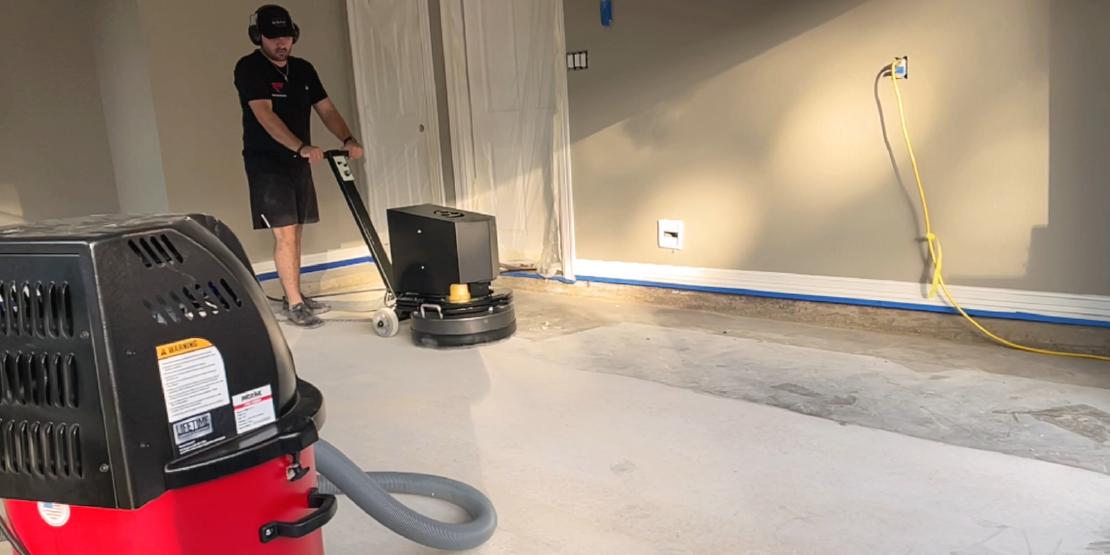

Ventilation and Air Quality Control During Application
Understanding the Importance of Proper Air Circulation During Application
Proper air circulation plays a critical role during any application process. It aids in efficient functioning of systems and promotes productivity by contributing to the well-being of the workforce. Ample airflow not only mitigates the risk of excessive heat buildup but also keeps pollutants at bay. This is particularly important in application processes such as painting or chemical handling, where harmful fumes or particles need to be constantly drawn away.
To understand the full extent of its importance, one must consider the consequences of poor circulation. An enclosed space without adequate airflow can lead to stagnation, accumulation of pollutants, and intense heat spikes. These conditions can not only disrupt the process but also result in health complications ranging from mild allergies to severe respiratory issues. Hence, comprehensive air circulation ensures a safe and efficient application process.
Essential Elements of Efficient Airflow Management
Maintaining an optimal balance of humidity in the indoor environment plays a crucial role in efficient airflow management. This is because too much humidity can lead to the growth of mold and mildew, which can obstruct airflow, while too little can cause static electricity buildup that can damage equipment. The ideal humidity range is generally considered to be between 30% and 50%.
The second key element in efficient airflow management is the layout or design of the space. This is crucial because airflow dynamics change significantly based on the layout of a room, the presence of obstructions, and the positioning of air supply and extraction points. Hence, it is vital to take into consideration the space architecture and to maintain regular circulation paths so as to ensure optimal and unobstructed circulation of air.
The Role of Air Filters in Maintaining Clean Air
Air filters serve as the frontline defense in an overall strategy to maintain clean and healthy indoor air. They function by trapping and detaining polluted particles that can degrade air quality, including dust, pollen, pet dander and even some types of bacteria. High-efficiency particulate air (HEPA) filters can catch ultrafine particles as small as 0.3 microns, which is the size of most airborne allergens, virus particles and many types of bacteria. These detrimental elements can cause respiratory issues and exacerbate conditions such as asthma and allergies.
This process of passively scrubbing the air creates an environment that is safer and healthier for occupants. Air filters not only improve the subjective air quality by removing offensive odors and reducing dust, but also have a substantial psychosomatic impact by providing a sense of security that the space is clean. Regular replacement of filters is important part of an effective maintenance plan, as dirty or saturated filters are less efficient at trapping pollutants, can slow down air circulation and may potentially contribute to creating a breeding ground for mold or bacteria. Therefore, air filters are integral to maintaining clean air in enclosed spaces.
Impact of Poor Air Circulation on Health and Safety
Proper air circulation plays a vital role in maintaining a healthy indoor environment. Inadequate airflow can exacerbate asthmatic symptoms, potentially lead to respiratory diseases, increase susceptibility to allergens, and expedite the transmission of airborne diseases. Often overlooked or underestimated, the essence of efficient air circulation is paramount in promoting health and safety, especially in enclosed spaces where the risk of pollutants and contaminants is heightened.
In addition, poor air circulation negatively impacts the broader aspect of safety in workspaces and households. An environment with stagnant air increases the likelihood of mold and mildew growth, which play a significant role in indoor air pollution. Furthermore, insufficient air circulation can cause a buildup of harmful gases and chemicals, particularly in areas that handle hazardous substances, leading to increased risk of explosions or health hazards. Hence, efficient air circulation cannot be compromised if health and safety are to be preserved.
The Connection Between Air Quality and Productivity
Poor air quality can have a significant impact on the overall productivity of workers in any environment. Elements such as dust particles, mold spores, chemical fumes, or lack of fresh air are known to cause health issues. Employees exposed to such conditions often report symptoms like headaches, fatigue, and difficulty focusing. Sustained exposure can lead to chronic health problems, like asthma or other respiratory issues, all of which can lead to detrimental effects on worker productivity.
Air Quality is not just a matter of health – it directly contributes to workers’ performance and, by extension, an organization’s bottom line. A Harvard study shows that improving indoor environmental quality doubles cognitive function scores, thus attesting to the link between air quality and productivity. This provides a compelling reason for businesses to invest in high-quality air management systems and regular air quality maintenance, to ensure an environment conducive to productivity and wellbeing.
Practical Steps to Improve Indoor Air Quality
Understanding, managing, and improving indoor air quality (IAQ) is critical to creating a healthy indoor environment. The first step involves regular and consistent inspection of your home or building’s HVAC system. Regular HVAC Inspection is important for ensuring efficient heating, ventilation, and air conditioning; it aids in identifying any issues that could potentially compromise air quality. Regular replacement of filters is also crucial, as over time, these filters accumulate dust, allergens, and other contaminants that disrupt good IAQ.
Another essential step is the Control of Indoor Humidity Levels. High humidity provides the perfect breeding environment for mold, mites, and mildew, which can trigger allergies and intensify respiratory problems. This can be managed through effective ventilation and use of dehumidifiers. Consider also ensuring sufficient natural ventilation. Fresh air can help dilute indoor pollutants which, if accumulated, may pose a health risk. Opening windows, installing exhaust fans, or using open vents can enhance Natural Ventilation in enclosed spaces. Thus, ensuring the cleanest possible indoor air.
Tips for Maintaining Optimal Airflow in Enclosed Spaces
Proper ventilation ensures a healthy and comfortable environment in enclosed spaces. Having an optimized airflow not only cools down the temperature but also removes impurities and maintains desired humidity levels. To achieve this, there must be a system set up to control both inflow and outflow of air. Additionally, the placement of vents and ducts must be strategic to prevent stagnant areas. Fans can be utilized to force circulation, helping to disperse air evenly across the room.
Periodic maintenance of ventilation systems is crucial to maintain optimal indoor air quality. Air filters should be replaced regularly to minimize the accumulation of dust and other particulates. Indoor plants can also be introduced; they absorb carbon dioxide and release oxygen while simultaneously improving aesthetic appeal. Allowing natural light and fresh air into the space, when feasible, can also greatly enhance the quality of air. It’s important to note that enclosed spaces such as basements might require professional HVAC services for effective management of air circulation.
The Role of HVAC Systems in Air Quality Management
In the grand scheme of air quality management, Heating, Ventilation, and Air-Conditioning (HVAC) systems are major determinants. They perform a crucial task in boosting indoor air quality by regulating temperature, eradicating moisture, and circulating fresh air. Comprehending the functioning of these systems and maintaining them accurately can significantly improve the overall indoor air quality, making the environment safer and more comfortable for residents or employees.
An optimally functioning HVAC system uses air filters to eliminate dust, pollen, and other airborne particles from the air. However, regular maintenance and replacement of these filters is paramount. When air filters are clogged or function ineffectively, the HVAC system’s performance dwindles, and the indoor air quality plummets. Hence, investing in high-quality air filters and adopting a strict schedule for their maintenance signifies a proactive approach towards air quality management.
The role of HVAC systems in air quality management involves several key functions:
• Regulation of Temperature: A well-maintained HVAC system ensures that the indoor temperature remains at a comfortable level, regardless of the weather conditions outside. In doing so, it prevents excessive heat or cold from affecting the air quality indoors.
• Moisture Removal: High levels of humidity can create an environment conducive to mold growth and other allergens. An efficient HVAC system removes excess moisture from the air, thereby reducing potential health hazards.
• Circulation of Fresh Air: By circulating fresh outdoor air into indoor spaces, HVAC systems help dilute pollutants and improve overall indoor air quality. This process is particularly important in buildings with limited natural ventilation.
• Filtration of Airborne Particles: Through their integrated filtration mechanisms, HVAC systems play a crucial role in removing dust particles, pollen grains, and other airborne contaminants from the circulated air.
However, for all these benefits to be realized effectively:
• Regular Maintenance is Essential: To maintain optimal performance levels and ensure high-quality indoor air consistently; it’s vital to have regular maintenance checks conducted on your HVAC system by professionals.
• Filter Replacement Should Be Timely: As filters trap more dust and debris over time they become less effective - leading to poor circulation and compromised indoor air quality. Therefore, timely replacement or cleaning (as per manufacturer’s instructions) should be part of routine maintenance practice.
By understanding how an HVAC system works towards improving our living/working spaces’ ambient atmosphere we can take proactive measures towards ensuring better health conditions within those environments.
Understanding the Hazards of Chemical Fumes in Application Processes
Chemical fumes are often a byproduct of various industrial and manufacturing processes. These fumes can contain a variety of harmful substances, including volatile organic compounds (VOCs), heavy metals, acids, and other toxins. Prolonged exposure to such materials can pose serious health hazards, leading to conditions like respiratory diseases, skin irritations, eye problems, neurological disorders, and even cancer. Therefore, comprehending the risks associated with these fumes becomes a fundamental prerequisite for occupational health and safety.
With the industries’ increasing scale, the risk of exposure to chemical fumes is a growing concern for workers and people living near industrial areas. The toxins in these fumes can contaminate the immediate environment and affect air quality, leading to widespread health impacts. Not only do these toxins pose immediate threats such as dizziness, headaches, and nausea, but they can also result in long-term effects like chronic diseases or genetic mutations. Hence, controlling the emission and circulation of these fumes should be an essential aspect of any well-rounded air quality management plan.
The Necessity of Regular Air Quality Checks and Maintenance
Maintaining optimal indoor air quality is a continual process, which highly relies on regular air quality checks and maintenance. These checks help to identify issues such as excess humidity, high levels of pollution, or poor ventilation that could be compromising the air quality. In addition, routine maintenance tasks like changing air filters, cleaning ducts, and ensuring proper functioning of HVAC systems are pivotal. These interventions eliminate accumulated dust, microbial growth, and blockages that can reduce the efficiency of air circulation and filtration systems.
Investing in regular air quality checks and maintenance brings forth multifarious benefits. It helps in improving the health and comfort of inhabitants, minimizes HVAC equipment issues and subsequent repair costs, and ensures compliance with air quality standards set by regulatory authorities. Moreover, it aids in preventing the build-up of harmful pollutants that can lead to significant health problems. Hence, overlooking the regular air quality checks and routine maintenance can result in deteriorated air quality with potential dire consequences.
Implementing Air Purifiers for Enhanced Indoor Air Quality
Air purifiers play a vital role in improving Indoor Air Quality (IAQ). These devices are designed to eliminate airborne contaminants such as dust, allergens, and harmful particles. Air purifiers significantly enhance the quality of air in enclosed spaces, thereby reducing the risk of respiratory infections and airborne diseases. Known for their efficiency, they capture microscopic particles that could otherwise slip past other air filtration systems. Moreover, the technology integrated into these devices is specifically tailored to neutralize unpleasant odors, thus providing a comfortable environment.
Another remarkable aspect of air purifiers is their ability to tackle volatile organic compounds (VOCs), which are chemicals that evaporate at room temperature. Exposure to VOCs can lead to health problems ranging from allergic reactions and nausea to long-term damage to the liver, kidney, and central nervous system. Therefore, air purifiers equipped with activated carbon filters provide efficient defense against such potentially harmful compounds. Further advantages of air purifiers include easy installation, minimal maintenance, and lower energy consumption. All these benefits make them a preferred choice for those seeking to enhance indoor air quality.
Innovations in Air Quality Control Technology
The field of air quality control has experienced significant advancement with the rise of modern technology. Breakthroughs such as smart air purifiers and sensors have become increasingly prominent in both commercial and residential settings. These high-tech devices use advanced algorithms to assess, clean and maintain indoor air quality, acting as a first line of defense against pollutants and pathogens.
Innovative filtration technology, such as HEPA filters, goes beyond traditional methods of air cleaning. These filters can trap particles as small as 0.3 microns, including bacteria, viruses, and allergens. Furthermore, the development of air sterilization technology, like UV sterilizers, utilizes ultraviolet light to kill or neutralize harmful microorganisms, creating a cleaner and safer indoor environment.
Legal and Compliance Aspects of Air Quality Management
In the global industrial setting, there’s an increased focus on the guidelines and procedures that regulate air quality management. Regulatory authorities, both local and international, have established stringent laws related to the emission of pollutants and the mandate of maintaining acceptable air quality levels, underscoring the importance of legal compliance in air quality management. These statutes apply to a vast range of sectors, including manufacturing industries, commercial properties and residential spaces. Hence, adhering to these legal requirements becomes a vital aspect of maintaining good health, safety, and environmental stewardship.
In the context of compliance aspects, air quality checks and maintenance play a significant role. Regular inspections and monitoring are necessary to ensure adherence to the prescribed air quality norms. This compliance extends to the proper functioning and maintenance of HVAC systems, purposeful implementation of air purifiers, and effective management of chemical fumes. In cases of non-compliance, businesses may face significant fines or sanctions. Therefore, understanding and integrating these legal and compliance aspects are integral to effective air quality management.
What is the importance of proper air circulation during application?
Proper air circulation is crucial during application to ensure that harmful gases and pollutants are dispersed and do not become concentrated in one area. It also ensures that fresh air is consistently supplied, maintaining a healthy and comfortable environment.
What are some essential elements of efficient airflow management?
Efficient airflow management involves the proper placement and operation of fans, vents and windows, consideration of the building’s layout, regular maintenance of HVAC systems and the use of air purifiers and filters.
How do air filters contribute to clean air?
Air filters capture and retain harmful particles such as dust, pollen, and bacteria, preventing them from circulating in the air and being inhaled. They are a key component of maintaining clean indoor air.
How does poor air circulation impact health and safety?
Poor air circulation can lead to the buildup of pollutants and allergens, causing respiratory issues, allergic reactions, and other health problems. It can also increase the risk of spreading airborne diseases.
What is the connection between air quality and productivity?
Good air quality can enhance comfort and well-being, leading to increased concentration, productivity, and overall performance. Conversely, poor air quality can lead to health issues and discomfort, reducing productivity.
What steps can be taken to improve indoor air quality?
Steps to improve indoor air quality include regular maintenance of HVAC systems, use of air purifiers and filters, good ventilation, control of humidity levels, and reduction of indoor pollutants.
How can optimal airflow in enclosed spaces be maintained?
Optimal airflow can be maintained by ensuring proper ventilation, using fans or HVAC systems, regularly changing air filters, and considering the layout and design of the space.
What role do HVAC systems play in air quality management?
HVAC systems are crucial for maintaining temperature, humidity, and air circulation. They filter out pollutants and ensure a consistent supply of fresh air, contributing significantly to air quality management.
What hazards are associated with chemical fumes in application processes?
Chemical fumes can cause a range of health problems, from minor irritation to severe respiratory diseases, and can even be fatal in high concentrations. They also pose a fire and explosion risk.
Why are regular air quality checks and maintenance necessary?
Regular checks and maintenance ensure that air quality systems are functioning properly and efficiently. They can help identify and address any issues early, before they lead to serious health or safety problems.
How do air purifiers enhance indoor air quality?
Air purifiers remove pollutants from the air, including dust, allergens, and chemical fumes. They help to reduce the concentration of harmful substances in the air and improve overall air quality.
What are some recent innovations in air quality control technology?
Innovations include smart air purifiers that can adjust settings based on real-time air quality readings, advanced filters that can capture even smaller particles, and systems that use UV light to kill bacteria and viruses.
What legal and compliance aspects should be considered in air quality management?
Organizations should comply with regional and national air quality standards and regulations. This can involve regular monitoring and reporting, use of approved equipment and processes, and possibly environmental impact assessments.