
Waterproofing Capabilities of Epoxy Coatings
Understanding Epoxy Coatings
Epoxy coatings are an incredibly versatile and useful type of paint. They are made up of two parts; a resin and a hardener. When combined, these two elements form a durable and highly adhesive coating that can adhere to nearly any surface. This toughness makes them ideal for a multitude of applications.
Despite their hardness and durability, epoxy coatings remain flexible and able to withstand varying stress levels and impacts. Their versatility is further enhanced by their strong resistance to heat, acid, solvents, and other chemicals. Additionally, they offer superb waterproof and rust-resistant properties, making them an excellent choice for those with protection in mind.
Advantages of Using Epoxy Coatings
Epoxy coatings offer numerous benefits. Foremost among these is their remarkable resistance to water damage. This unique quality makes them a preferred choice across diverse environments, be it industrial, commercial, or residential. Their waterproofing ability essentially creates a barrier between the base material and potentially damaging moisture, helping to prevent rot, rust, and other water-induced damages.
Secondly, epoxy coatings are incredibly robust and durable, largely resistant to high traffic, impact, heat and chemical spills– evidencing their wide utility in warehouse, garages and manufacturing plants. The versatility of these coatings extends beyond functionality, with aesthetic appeal being a noted perk. They provide a high-gloss, seamless finish that can be easily tailored to specific color preferences. Furthermore, with antibacterial properties and ease of maintenance, they ensure an hygienic and cost-effective solution for flooring needs.
Epoxy Coatings and their Resilience to Water Damage
Epoxy coatings are incredibly resistant to water damage, making them the go-to solution for areas prone to water exposure. These waterproof coatings are synthesized from two individual components - the epoxy resin and the hardener. When these two elements combine, they react chemically to create a hardened substance that is not only water-resistant but also robust and elastic in nature. Many types of epoxy coatings are designed to provide a water-tight barrier that is resistant to water penetration, a factor that makes them a perfect fit for combating water damage.
The resilience of epoxy coatings can be attributed to their unique formulation and curing process. Upon application, the curing phase commences, wherein the liquid epoxy gradually hardens into a seamless monolithic surface. This transformation effectively minimizes areas for water infiltration, thereby lending it its prominent water resistance feature. Furthermore, the cured epoxy coating is non-porous and prevents moisture absorption, enhancing its efficacy in withstanding water damage significantly. It is this attribute that gives epoxy coatings an upper hand in various applications – be it in industrial, commercial or domestic environments.
How Epoxy Coatings Repel Water
Epoxy coatings offer a robust defense against water because of their unique molecular structure. Once epoxy is applied, the coating cures and forms a barrier, the cured coating consists of densely packed chains of polymers which give epoxy its waterproofing characteristics. This structural arrangement leaves no gaps for water molecules to permeate. Essentially, the water is unable to break through the coating because the epoxy’s polymer chains are tougher than the hydrogen bonds that hold water molecules together.
In addition, epoxy coatings are also known to bond exceptionally well with the covered surface. This strong adhesion further strengthens the barrier against water penetration. If properly applied, epoxy forms an impermeable shell over the surface, denying any form of water ingress. Whether it’s a heavy downpour, or just casual household spills, epoxy coatings stand as a bulwark protecting the underlying structure from potential water damage.
The Science Behind Epoxy Coatings and Water Resistance
Epoxy coatings are renowned for their impressive water resistance, a feature which can be comprehended by delving into the science behind their design. Structurally, epoxy is composed of two components: resins and hardeners. It’s these two substances, when mixed together, that initiate a chemical reaction which results in the creation of a strong, durable barrier. An epoxy’s impervious nature is achieved because the cross-linking process, a result of this chemical reaction, provides a tight-knit, impenetrable structure at a molecular level.
The second aspect that contributes to epoxy coatings’ unparalleled water resistance is their adhesion strength. Simply put, the way epoxy bonds to surfaces is unmatched, it forms a robust attachment to the substrate. This, in combination with epoxy’s cross-linked structure, repels water phenomenally well, preventing it from seeping through and damaging the underlying substrate. This understanding of epoxy’s chemistry provides a clear picture of its impressive water-repelling capabilities.
Application Process of Epoxy Coatings
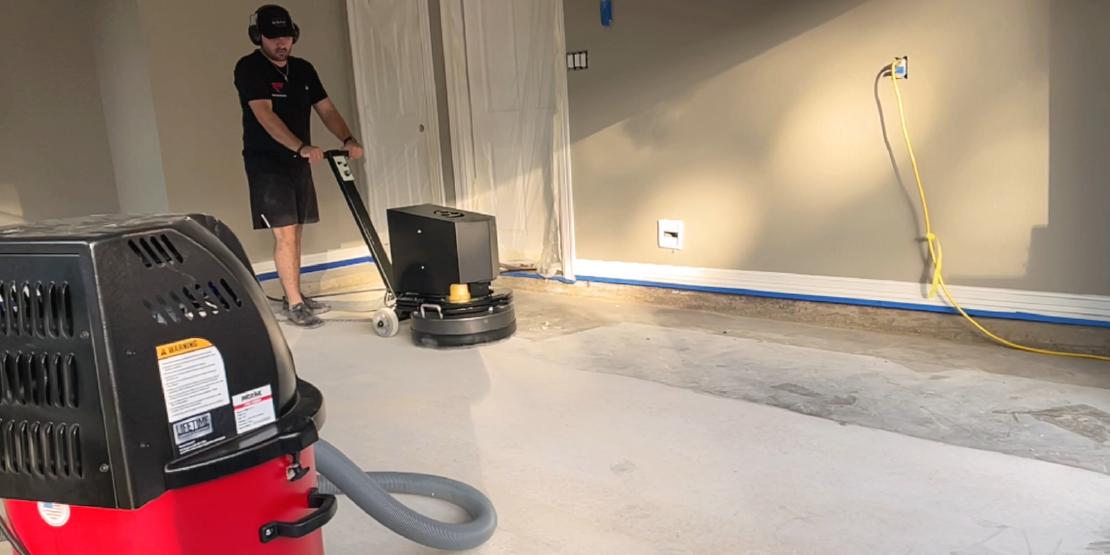
Before applying, the surface intended for epoxy coating must be thoroughly prepared. This generally includes cleaning to remove any dirt or oil, and then roughening the surface by sanding or acid etching to ensure a strong bond. After successful preparation, epoxy is mixed from two components; a resin and a hardener. Mixing happens immediately prior to application, as the “pot life” or usability duration of the mixed epoxy is limited.
Following the mixing, epoxy coating should be applied swiftly but cautiously, bearing in mind that successful application is a balance between speed and precision. It is applied preferably through a roller or a brush in several thin layers to avoid irregularities and ensure an even surface. Drying and curing time can differ greatly depending on the type of epoxy used and ambient conditions and this can range from several hours to a number of days. It’s crucial to wait until the previous layer is completely cured before applying a new one.
Common Uses of Epoxy Coatings for Water Resistance
One of the primary uses for epoxy coatings in the domain of water resistance is in the protection of concrete and metal structures. Concrete surfaces, particularly those found in commercial and industrial environments, are often exposed to moisture and chemicals that can cause degradation over time. The application of epoxy coatings provides a shield against this deterioration. In regard to metal surfaces, these coatings function as a preventative measure against rust and corrosion, or to provide a seamless, waterproof layer on items such as tanks or pipes.
Domestic uses are not uncommon either, particularly in areas of the household that require durability and easy maintenance, such as garages, basements, or workspaces. Epoxy coatings can be used to protect the concrete floors in these spaces, allowing for easier cleanup of spills, and increased resilience against moisture damage. Furthermore, specific formulations of epoxy coatings are widely utilized in marine applications. They serve to protect the hulls of ships and boats, and other marine structures from water damage, chemical exposure, and the harsh effects of saline environments.
Epoxy Coatings in Industrial and Commercial Settings
Within the realm of industrial and commercial spheres, the use of epoxy coatings has proven to be exceedingly beneficial. The durability and resilience to wear and tear make it an attractive option for areas subjected to high foot traffic or operational machinery. It’s unique blend of strength and aesthetics result in a polished, yet rugged finish, ideal for industrial floors, commercial kitchens, and showroom floors, to name a few.
Moreover, the tenacious bond formed by epoxy significantly minimizes dust and debris, enhancing the overall cleanliness of the environment. Its impervious nature not only resists water infiltration but also rebuffs oil, chemical spills, and stains, leading to effortless maintenance. Given these attributes, epoxy coatings have become the industry standard for protective and decorative purposes in industrial and commercial settings.
Epoxy Coatings in Residential Settings
In residential settings, epoxy coatings play a significant role. They are commonly applied on floors, countertops, and even walls to provide a resilient, high gloss, and durable surface. Homeowners favor epoxy coatings due to their aesthetically pleasing finish and their robust durability which can endure regular household traffic for many years. Additionally, they can be infused with colorful pigments or patterns, offering endless customization possibilities to match any home décor.
The water resistance of epoxy coatings also enhances their suitability for usage in residential bathrooms, kitchens, basements, and garages. These areas often face water exposure and humidity, making them prone to possible water damage. A well-applied epoxy coating offers a strong barrier, repelling water and preventing penetration into the substrate. Moreover, its easy-to-clean and anti-slip properties make it a safety choice for homes with children, elderly, and pets. In addition to these benefits, epoxy coatings also come with a range of other advantages that make them an excellent choice for residential settings. Some of these include:
• Ease of Maintenance: Epoxy coating surfaces are smooth and seamless which makes them easy to clean. Dust, dirt, or spills can be easily wiped off without leaving any stains.
• Chemical Resistance: Epoxy coatings are resistant to various chemicals making it suitable for areas like garages where oil spills or chemical leakage may occur.
• Longevity: When properly applied and maintained, epoxy coatings can last many years without peeling or cracking. This reduces the need for frequent repainting or replacement.
• Versatility: They can be used on different types of surfaces including concrete, metal, tiles and wood offering homeowners a wide array of application possibilities.
While epoxy coatings offer numerous advantages in residential settings, they must be installed correctly to ensure their effectiveness. Proper surface preparation is crucial for adhesion while professional application ensures a smooth finish free from bubbles or unevenness.
Overall,epoxy coatings provide an ideal solution for those looking to enhance the aesthetic appeal and functionality of their homes’ interior spaces. Their durability coupled with their versatility allows homeowners to customize according to their unique tastes while ensuring long-lasting protection against wear and tear.
Maintaining and Caring for Epoxy Coatings
Regular maintenance is essential for extending the lifespan of epoxy coatings. Cleaning is typically straightforward and simple. An ample cleaning regimen involves routine dusting that helps remove debris, dirt, and grime that accumulates over time. For a more in-depth clean, a mop or soft cloth damped in warm water and mild detergent can be used on the surface. The ease of upkeep, as one could imagine, makes these coatings a popular choice among homeowners and commercial facility owners.
Proper care for the epoxy coating also involves addressing minor damages and scratches that might occur over time. These damages can potentially compromise the coating’s ability to resist water hence it’s crucial to repair them promptly. Instances of heavy damage may require professional help for effective re-coating. It is also essential to avoid using harsh cleaning chemicals that might wear down the epoxy coating. This not only helps to maintain the coating’s shine but also its durability and effectiveness.
Limitations and Considerations when Using Epoxy Coatings
While epoxy coatings provide excellent water resistance and durability, there are several limitations that users should be aware of. First, epoxy coatings require careful preparation of the surface prior to application. The surface must be cleaned, dried, and often primed to ensure proper adhesion. In addition, epoxy coatings may not be suitable for all materials. Some plastics, for example, may not adhere well to epoxy. Furthermore, high temperatures or exposure to UV light can lead to discoloration or degradation of the coating over time.
There are also certain considerations to bear in mind when using epoxy coatings. Timing, for instance, is critical during application. Since epoxy coatings cure quickly, they must be applied promptly after mixing the two components. Inadequate or rushed application can lead to uneven coverage or bubbles in the finish. Additionally, safety precautions should be taken when applying epoxy coatings, as the fumes can be potentially harmful if inhaled. Gloves and proper ventilation are advisable during the application process. Despite these limitations and considerations, epoxy coatings can deliver superior protection against water damage when applied properly.
Epoxy Coatings vs Other Types of Waterproof Coatings
In the world of waterproof coatings, the competition is fierce. However, epoxy coatings often come out on top for a variety of reasons. Firstly, they provide a robust, non-porous surface that effectively repels water. Unlike other types of waterproof coatings, such as polyurethane or acrylic, epoxy does not degrade or chip away over time, therefore maintaining a strong barrier against water for longer periods. In addition, epoxy has a greater adhesion to concrete and other materials, which leads to less peeling and chipping, making it more reliable and durable.
However, it’s also important to acknowledge that other waterproof coatings have their own unique advantages. Polyurethane, for example, boasts UV resistance, which makes it ideal for outdoor use where the coating is constantly exposed to sunlight. Acrylic, on the other hand, is breathable, allowing trapped moisture to escape while preventing water from getting in. Choosing between epoxy coatings and other waterproof coatings ultimately boils down to the specific needs of the project, the type of substrate in question, the overall budget, and the expected wear and tear.
Innovations and Future Developments in Epoxy Coatings
The field of epoxy coating is under continuous evolution, with researchers and manufacturers alike striving to make improvements and introduce novel applications. These advancements often focus on enhancing the functional characteristics of these coatings, such as water resistance, durability, and ease of application. For instance, nanotechnology is being harnessed to take epoxy coatings to the next level, leading to the development of epoxy nanocoatings. Such coatings not only offer unparalleled water resistance but also showcase improved anti-corrosion, adhesion, and toughness attributes.
Further advancements in epoxy coatings foresee smart coatings that change their properties in response to the environment. These self-healing or self-adapting coatings may detect and repair cracks autonomously, reducing maintenance needs. Another intriguing development is the conceptualisation of bio-based epoxy coatings. Derived from renewable resources, these eco-friendly alternatives aim to minimize the ecological footprint of traditional, petroleum-based coatings. Given these innovations and future prospects, it is clear that epoxy coatings hold immense potential to revolutionize numerous industries, from construction and marine to automotive and aerospace.
What are epoxy coatings?
Epoxy coatings are a type of paint that consists of an epoxy resin and a hardener. When these two components are mixed together, they create a highly durable, waterproof coating.
What are the advantages of using epoxy coatings?
Epoxy coatings offer several advantages including high durability, excellent chemical resistance, great adhesion, and excellent water resistance. They’re also relatively easy to maintain and can greatly enhance the look of a surface.
How resilient are epoxy coatings to water damage?
Epoxy coatings are highly resistant to water damage. Due to their chemical structure, they repel water effectively, ensuring the surface beneath remains dry and undamaged.
How do epoxy coatings repel water?
Epoxy coatings repel water due to their dense cross-linked structure which leaves very little room for water molecules to penetrate. This makes them an excellent choice for water-prone environments.
What is the process of applying epoxy coatings?
The application process of epoxy coatings involves preparing the surface, mixing the epoxy resin and hardener, applying the coating, and allowing it to cure for a specified time.
What are common uses of epoxy coatings for water resistance?
Epoxy coatings are commonly used in areas prone to water exposure such as bathrooms, kitchens, basements, and commercial or industrial environments like factories and warehouses.
How are epoxy coatings used in industrial and commercial settings?
In industrial and commercial settings, epoxy coatings are used to protect floors and other surfaces from water damage, chemical spills, abrasion, and other potential hazards.
How are epoxy coatings maintained?
Epoxy coatings are relatively easy to maintain. Regular cleaning with a mild detergent and water is usually sufficient. However, they should be periodically inspected for any signs of damage or wear.
Are there any limitations or considerations when using epoxy coatings?
Yes, despite their advantages, epoxy coatings do have some limitations. They can be slippery when wet, and they may yellow over time with exposure to UV light. They also require proper surface preparation and correct mixing and application to work effectively.
How do epoxy coatings compare to other types of waterproof coatings?
Epoxy coatings tend to be more durable and offer better chemical resistance than many other types of waterproof coatings. However, the best type of coating will depend on the specific requirements of the surface and environment.
What are the future developments and innovations in epoxy coatings?
Future developments in epoxy coatings include the creation of more environmentally friendly options, coatings with improved resistance to UV light, and coatings that can self-repair minor scratches and damage.