
Waterproofing Coatings: Solutions for Wet Environments
Understanding the Need for Moisture-Resistant Surfaces
It’s become increasingly clear that moisture plays an intricate role in degrading surfaces, whether they are indoor living spaces, outdoor structures, or specialised environments like spas and pools. Regular surfaces, subjected to constant wet conditions, are susceptible to both visible and invisible harms. These include obvious issues like discoloration and stains, along with more hidden dangers like mould growth and bacteria, which, over time, can jeopardize the strength and durability of the material. Therefore, utilizing moisture-resistant surfaces becomes essential in these conditions.
The science behind the damage is simple yet significant. Unchecked moisture seeps into the material, causing it to swell, shrink, or warp. Furthermore, it creates an ideal environment for the growth of mould and mildew that can be detrimental to both the surface and human health. Hence, the implementation of moisture-resistant coatings on such susceptible surfaces not only promotes longevity and aesthetic appeal but also ensures a safer, healthier environment. This is the need for moisture-resistant surfaces in wet settings.
Exploring the Science Behind Moisture-Resistant Coatings
To delve into the science behind moisture-resistant coatings, a basic understanding of the chemistry involved is crucial. Moisture-resistant or water-resistant coatings usually contain compounds known as polymers. These are large molecules made up of repeating structural units connected by covalent chemical bonds. The ability to resist water largely depends on the polymer’s structure that forms the backbone of the coating solution.
The application of moisture-resistant coatings results in the formation of a thin, impermeable layer on the substrate, creating a barrier against water penetration. The polymers in the coating maintain their structural integrity when they come in contact with water and thus prevent it from seeping into the surface. Their effectiveness in preventing moisture penetration significantly aids in safeguarding various materials against degradation due to moisture or water exposure.
The Role of Moisture-Resistant Coatings in Wet Settings
Moisture-resistant coatings play a pivotal role in environments which are constantly or frequently exposed to water or high humidity levels. These specialized coatings function as a protective shield, resisting the ingress of moisture which can deteriorate the underlying material. With the damage caused by water-related issues being extensive and expensive, it is of paramount importance to consider utilizing moisture-resistant coatings in such settings. These are particularly favorable for use in bathrooms, basements, boats, and other similar contexts where surfaces are prone to direct contact with water.
In wet settings, such protective layers not only prolong the life of the material underneath but also enhance its aesthetic appeal. For instance, application of moisture-resistant coatings on wood prevents the wood from warping, decaying or becoming discolored. This extends the lifespan of the wooden surface whilst maintaining its visual appeal. Similarly, these coatings when applied on metal surfaces, prevent rust formation. Undeniably, the role of moisture-resistant coatings is crucial for the longevity and maintenance of surfaces in wet settings.
Types of Moisture-Resistant Coatings: A Comprehensive Overview
Moisture-resistant coatings are widely varied, each type designed to fulfill specific needs depending on the job or surface it’s meant for. Broadly, these can be categorized into four fundamental types: cementitious coatings, liquid membrane coatings, bituminous coatings, and polyurea coatings. These serve to shield various surfaces from moisture damage, offering critical protection in damp climates or wet environments. The ideal coating depends majorly on the nature of the task at hand, the surface to be coated, and the environmental conditions.
Cementitious coatings are typically made from a blend of Portland cement and other additives, providing an effective and versatile waterproof coating often utilized in interior spaces such as bathrooms or cellars. Conversely, liquid membrane coatings form a thin, flexible layer over the surface, offering prolonged protection against moisture damage and often found in roofs or decks. Bituminous coatings, on the other hand, are composed of bitumen or asphalt. They’re mainly suitable for surfaces below ground level, such as foundation walls or basements, as they have excellent adhesive and waterproof properties. Lastly, polyurea coatings are renowned for their elastic, durable finish and are often applied in commercial, industrial, or residential settings where a fast-curing, moisture-resistant solution is needed.
Benefits of Moisture-Resistant Coatings in Wet Environments
In environments where constant or high levels of moisture are present, it’s crucial to apply moisture-resistant coatings. These unique formulas provide a myriad of benefits, making them indispensable tools for protecting various surfaces. First and foremost, these coatings prevent the substrates from absorbing moisture, which can cause damaging effects like warping, discoloration, and structural instability over time. With these coatings applied, surfaces can maintain their original shape, strength, and appearance, promoting longevity and reducing the need for frequent replacements or repair.
In addition to preventing structural damage, moisture-resistant coatings also deter the growth of mold, mildew, and other bacterial organisms. These organisms thrive in damp conditions and pose significant health risks to humans, including allergies and respiratory disorders. Applying these coatings can significantly reduce the occurrence of such growth, leading to safer, healthier environments. Furthermore, these coatings are recognized for their easy-clean nature and glossy finish, enhancing the aesthetic appeal of coated surfaces while minimizing maintenance efforts. These attributes make moisture-resistant coatings invaluable for a variety of wet settings, from bathrooms and kitchens to industrial facilities and marine applications.
Application Techniques for Moisture-Resistant Coatings
When it comes to the application of moisture-resistant coatings, there are several techniques that can be deployed depending on the type of substance to be applied. The most common method is by brush or roller, which provides a fair amount of control and precision in the application process. This method is particularly effective for small-scale projects or for surfaces with intricate details. Notably, ensuring the surface is clean, dry and free from debris before application is imperative, as it strengthens the adhesion of the coating.
On the other hand, for larger scale projects such as flooring or walling in substantial commercial spaces, specialized spray equipment may be employed. This technique offers even distribution and expedient application. An essential factor to note in spray application is the requirement for adequate ventilation due to the potential for aerosolized particles. Furthermore, in industrial settings, advanced techniques such as electrostatic spray and powder coating might be used. Each application technique has its nuances and demands an understanding of the traits of the coating and the surface involved.
How to Choose the Right Moisture-Resistant Coating for Your Space
Selecting the most suitable moisture-resistant coating for your space requires careful consideration. The decision should be influenced by factors such as the type of surface to be coated, the level of moisture exposure, and the desired lifespan of the coating. Surface type plays a critical role, as different materials can react differently to various coatings. For instance, some paint-based coatings might not adhere properly to a hydrophobic surface such as plastic.
Further, the level of moisture exposure can significantly determine the type of coating to choose. Surfaces subjected to high humidity or constant water contact, like a shower or swimming pool wall, necessitate a stronger and more durable coating than areas with less exposure to water. Lastly, long-term performance and durability are key factors to consider. Moisture-resistant coatings might come with varied lifespan expectations based on their quality, making it essential to consider your long-term needs and financial capabilities before committing to a specific product.
Potential Challenges in Applying Moisture-Resistant Coatings
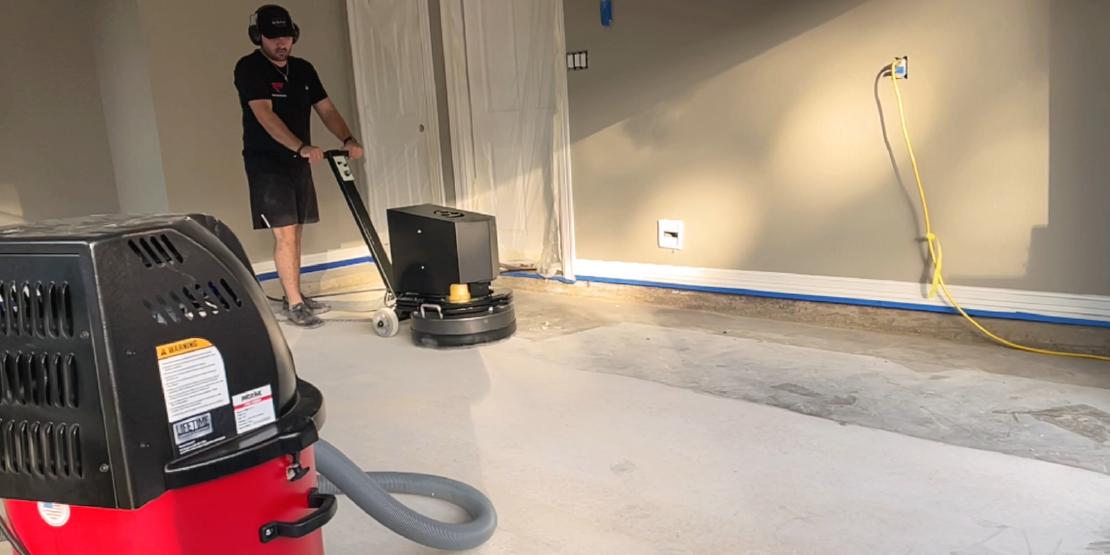
Applying moisture-resistant coatings isn’t always a straightforward process, and certain challenges can arise that could hinder efficiency. Specifically, the surface condition stands as one of the most significant hurdles to tackle during the application. A poorly prepared or unsuitable surface can cause a host of problems, such as decreased adhesion, leading to the coating’s premature failure. If surfaces aren’t meticulously cleaned and primed prior to application, it can result in uneven coverage and poor bonding of the coating, which undermines the purpose of the application in the first place.
Another challenge encountered in the application of moisture-resistant coatings is the temptation to rush the drying stage. It may seem like an efficient move, but it could spell disaster for the longevity of the coating. The drying period is a critical phase in setting moisture-resistant coatings properly. Rushing this process can lead to flaws or weak spots, which are vulnerable to moisture penetration. In addition, some coating materials are temperature-sensitive, meaning that they could be highly affected by extremely cold or hot conditions which can cause unwanted effects such as cracking or peeling. These issues emphasize the need for patience and meticulousness in applying moisture-resistant coatings.
Maintaining and Caring for Moisture-Resistant Coated Surfaces
Caring for surfaces treated with moisture-resistant coatings is essential in preserving their longevity and efficiency. This care involves regular inspection, cleaning, and touch-up, with a focus on preventive maintenance. Regular inspection allows for early detection of potential damage, while cleaning helps remove any accumulated debris that could compromise the coating’s effectiveness. Although these surfaces are fortified to resist moisture, they are not entirely invincible and therefore, may require periodic touch-ups, depending on the wear and tear.
The maintenance process, however, needs to be gentle and careful. Harsh cleaning agents or abrasive scrubs can potentially damage the coating and expose the surface underneath to moisture. Instead, mild, pH-neutral cleaners should be used along with soft cleaning tools. If any damage is found during the inspection, it is crucial to repair them promptly. Small nicks and scratches that might appear insignificant can grow, gradually undermining the moisture-resistant properties of the coating. By ensuring preventive care and prompt repairs, the long-term efficacy of these coatings can be upheld.
Use Cases: Moisture-Resistant Coatings in Real Life Scenarios
Many practical scenarios can demonstrate the utility of moisture-resistant coatings. For instance, consider a home located in a high humidity region. Over time, the constant exposure to moisture can lead to damp walls and structures that are susceptible to degradation and potentially harmful molds. The application of moisture-resistant coatings can drastically improve the lifespan of these structures, protecting the very fabric of the home while ensuring a comfortable environment within.
Similarly, industrial spaces provide another popular use case for moisture-resistant coatings. Facilities such as food processing plants or chemical industries often face challenges due to condensation or moist conditions. When applied to surfaces in such settings, moisture-resistant coatings can help prevent accidents caused by slippery surfaces and enhance overall hygiene standards by curtailing the growth of bacteria that thrive in damp conditions. These scenarios highlight the critical role of moisture-resistant coatings in real-life applications.
Innovations and Future Trends in Moisture-Resistant Coatings
In recent years, considerable progress has been made in the field of moisture-resistant coatings, driven by the necessity to better protect surfaces in excessively damp environments. With advancement in technology, the approach towards creating such coatings is continually innovating to provide superior protection, durability and longevity. One significant innovation includes the development of nanotechnology-based coatings that have demonstrated remarkable water-resistant properties. Materials like nano silicas are frequently used due to their hydrophobic nature, leading to extremely water-resistant surfaces. Furthermore, the integration of quick-drying and self-healing properties is growing more prevalent in next-generation moisture-resistant coatings, enhancing their performance levels significantly.
Looking ahead to future trends, the global trend of sustainability and eco-friendliness is likely to have a substantial impact on the development of moisture-resistant coatings. This is already evident with the growing popularity of bio-based and non-toxic versions of these coatings, which strive to reduce harmful emissions during manufacture and ensure the health and safety of users. Also expected is the rise of smart coatings, which not only resist moisture but also respond to environmental stimulus by changing their properties. The introduction of such technologically advanced and environmentally considerate coatings will unquestionably begin a new chapter in the realm of moisture-resistant surfaces.
Cost Considerations When Investing in Moisture-Resistant Coatings
When gearing up to protect your property with moisture-resistant coatings, it’s necessary to understand the cost implications. The price factors for these protective sealants are multifarious, including type, manufacturer, region, and size of the project. It is essential not only to contemplate the direct outlay of the product but also the supplementary expenses. The auxiliary costs can encompass the hiring of professional applicators, surface preparations, and potential unforeseen repair work.
Several factors can impact your budget, such as labor costs and application tools which can add up and should be adequately anticipated. On the bright side, remember these coatings are an investment. The durability and longevity they confer to the structure effectively reduce maintenance spending in the long run and safeguard valuable fixtures from potential water damage. Layering cost considerations with other decisive factors like specific need, material compatibility, and environmental factors will set a clear path for investing in the right moisture-resistant coating for your project.
Eco-Friendly Aspects of Moisture-Resistant Coatings
The adoption of moisture-resistant coatings is not just about practicality and durability. It also represents the increasing call for products that are gentle to the environment. These eco-friendly coatings have less volatile organic compounds (VOCs), thus, they emit fewer pollutants into the atmosphere. Further demonstrating their environmental respect, components of these coatings are often sustainably sourced or are created from recycled materials.
The application process for these “green” moisture-resistant coatings is designed to be energy-efficient. Traditional coatings often require considerable energy during application due to the need for extreme temperatures or lengthy drying/curing times. Eco-friendly moisture-resistant coatings however, have tackled this issue significantly. Many of these innovative products boast quick drying times, or even “cure” at room temperature. The overall effects are decreased energy consumption and lower carbon footprint, making these coatings a smart choice for the planet as well as your surfaces. In addition to their environmental benefits, these eco-friendly moisture-resistant coatings also offer a range of other advantages.
• Durability: Eco-friendly moisture-resistant coatings are known for their long-lasting durability. They can withstand harsh weather conditions and resist damage from UV rays, thus extending the lifespan of surfaces.
• Healthier Indoor Air Quality: These green coatings have less VOCs, meaning they emit fewer harmful pollutants into the air we breathe indoors. This promotes healthier indoor air quality which is beneficial for people with allergies or respiratory issues.
• Cost-Effective: While the initial cost may be higher than traditional paints and coatings, eco-friendly options often prove to be more cost-effective in the long run due to their durability and lower maintenance requirements.
• Wide Range of Options: There is a growing market for environmentally friendly products, including moisture-resistant coatings. This means consumers now have a wider range of choices when it comes to colors, textures, finishes and performance characteristics.
• Easy Application: The application process for these green products tends not only to be energy-efficient but also user-friendly. Most can easily be applied with standard painting tools or sprayers.
While there are numerous benefits associated with using eco-friendly moisture-resistant coatings, it’s essential that consumers do their research before purchasing any product. Look out for certifications like Green Seal or ECOLOGO which indicate that a product meets rigorous environmental standards.
By choosing eco-friendly moisture resistant coating options you’re not just making an investment in your property’s longevity but also contributing towards creating a sustainable future by reducing carbon footprint and promoting better health outcomes through improved indoor air quality.
What is the necessity of having moisture-resistant surfaces?
Moisture-resistant surfaces are crucial for preventing damage, decay, and deterioration caused by water or humidity. They are especially important in settings prone to dampness or wetness, such as bathrooms, laundries, and kitchens.
How do moisture-resistant coatings work?
Moisture-resistant coatings work by creating a barrier that prevents water and other liquids from penetrating the surface. The science behind these coatings involves complex chemical compositions that repel water molecules.
What are some types of moisture-resistant coatings?
There are several types of moisture-resistant coatings. Some common types include acrylic-based, epoxy-based, and polyurethane-based coatings. The specific type to be used depends on factors like the substrate material and the intended use of the surface.
What are the benefits of using moisture-resistant coatings in wet environments?
Using moisture-resistant coatings in wet environments helps prevent water damage and prolongs the lifespan of surfaces. It also helps prevent the growth of mould and mildew, contributing to a healthier living environment.
How do you apply moisture-resistant coatings?
Moisture-resistant coatings are typically applied using brushes, rollers, or sprayers. The surface must be properly prepped, usually through cleaning and drying, before the application.
What factors should be considered when choosing a moisture-resistant coating?
When choosing a moisture-resistant coating, consider the substrate material, the level of moisture exposure, the desired finish, and the coating’s durability, resilience, and maintenance requirements.
What challenges might I face when applying moisture-resistant coatings?
Some potential challenges when applying moisture-resistant coatings include uneven application, failure to adhere to the surface, and the coating peeling or bubbling after application.
How are moisture-resistant coatings maintained and cared for?
Regular cleaning and occasional touch-ups may be required to maintain the effectiveness of the moisture-resistant coating. Always follow the manufacturer’s maintenance instructions.
Can you give some real-life examples of moisture-resistant coatings use?
Moisture-resistant coatings are commonly used in bathrooms, kitchens, basements, and outdoor settings. They can also be seen in commercial settings like restaurants, hospitals, and warehouses.
What are the latest trends in moisture-resistant coatings?
Innovations in moisture-resistant coatings include the development of more environmentally friendly formulations and coatings that not only resist moisture but also have antibacterial properties.
Are moisture-resistant coatings expensive?
The cost of moisture-resistant coatings can vary widely, depending on the type of coating, the size of the area to be coated, and the cost of labor. It’s important to consider these factors when budgeting for a coating project.
Are moisture-resistant coatings eco-friendly?
Yes, many modern moisture-resistant coatings are designed to be environmentally friendly. They are often made with low or zero VOC (Volatile Organic Compounds) and are designed to be durable, reducing the need for frequent reapplications.