
Waterproofing Your Garage Floor with Coatings
Understanding the Need for Garage Floor Protection
Garage floor protection is more than about aesthetics; it’s about preserving the integrity of the flooring and increasing its longevity. High traffic volume, heavy vehicles, oil leaks, and chemical spills can be hard on bare garage floors. Abrasions, pits, cracks, and stains tend to mar its surface over time. Consequently, protecting the garage floor becomes a practical measure to extend its usability and maintain its overall appeal.
Garage floor coatings, such as epoxy or polyurethane, offer a protective barrier against routine wear and tear and environmental damages. Applying such coatings can guard against moisture, resist irritating stains, and ease the cleaning process. Furthermore, this also provides an additional layer of safety by reducing slipperiness when wet. Simply put, safeguarding your garage floor goes beyond making it attractive—it’s a worthwhile investment for home maintenance.
Types of Garage Floor Coatings
A garage floor is constantly exposed to wear and tear due to heavy-duty vehicle parking, oil spills, and harsh weather conditions. Given this, having some form of protective coating on the garage floor becomes crucial. Various types of garage floor coatings are available on the market, offering different degrees of protection, durability, aesthetic appeal, and cost-effectiveness. The most commonly used types include epoxy, polyurethane, and sealants.
Epoxy floor coating, known for its durability and resistance towards oil, grease, and most other types of stains, stands atop the popular choices. It adds a high-gloss finish to the garage floor, making it more visually appealing. Polyurethane coating, on the other hand, offers superior UV resistance and is more flexible than epoxy, thus becoming a go-to option for many homeowners. The use of sealants is also a common practice, giving the floor a clear, semi-gloss finish while enhancing resistance to oil and water stains. Each type of coating serves a distinct purpose, and selecting the right one requires an understanding of their respective features and benefits.
Benefits of Using Epoxy for Garage Floor
Epoxy coating for garage floors comes with multiple benefits that make it a popular choice among homeowners. This type of coating is known to be extremely durable and sturdy. Its strength enables it to resist wear, breakdown, and chemical damage, making it ideal even for commercial and industrial buildings. Moreover, it keeps the garage floor free from dirt and dust that tires usually bring in, due to its seamless and smooth finish.
Another significant advantage of using epoxy for garage floors is its aesthetic appeal. Available in a wide range of colors and designs, it can completely transform your garage’s look, turning it into a more professional and tidy space. Furthermore, its bright, glossy finish increases brightness in the garage by reflecting light. Thus, apart from enhancing protection, epoxy also helps to improve illumination in the garage.
Steps to Apply Epoxy Coating on Garage Floor
The process of applying epoxy coating on a garage floor begins by preparing the surface. The floor should be free of dirt, oil, or grease, which may hinder the epoxy from adhering properly. For concrete floors, the best way to ensure a clean surface is through power washing or etching. Power washing gets rid of stubborn dirt and grit, while etching scours the concrete and opens up its pores for the epoxy to bind effectively. After cleaning, ensure the floor is dry before moving onto the next step.
Applying the epoxy coating is the second part of the process. This requires mixing the epoxy resin and hardener as per the manufacturer’s instructions. When the mixture is ready, use a roller or brush to spread it evenly on the floor, beginning from the farthest end and gradually working towards the exit. It’s worth mentioning that epoxy should be applied in thin layers, allowing each layer to dry before adding the next. Also, during application, take into consideration ambient temperature and humidity levels as they can impact the curing process of epoxy.
Important Considerations When Applying Epoxy
One of the initial aspects to bear in mind when using epoxy is the current condition of the garage floor. Epoxy is not a covering; its purpose is to bond with the concrete. Therefore, if the floor is oily, dirty, or has loose concrete, the epoxy coating will not adhere correctly, and peeling or other issues can occur. Surface preparation, including thorough cleaning and possibly etching the surface, is a crucial factor in the successful application of the epoxy coating.
Ventilation is another important consideration during the application of an epoxy coating. The process typically results in the release of VOCs (Volatile Organic Compounds), which can lead to eye, nose, and throat irritation, headaches, allergic skin reaction, nausea, and fatigue. Therefore, it is necessary to ensure adequate ventilation throughout the application and curing process. Moreover, the use of proper protective equipment, such as gloves, safety goggles, and a mask, can significantly reduce health risks.
How Polyurethane Coating Protects Garage Floors
Polyurethane coatings are known for their role as durable protectors of garage floors. Essentially, this type of coating forms a defensive layer that safeguards the concrete from the damaging impacts of frequent usage. Traffic from heavy vehicles, oil leaks, chemical spills, amongst other destructive elements, are effortlessly repelled by the polyurethane surface. Its superior resistance to abrasion enhances the longevity of your floors, reducing the need for frequent servicing or replacements.
Moreover, polyurethane coatings bestow an aesthetic upgrade on the garage floors, giving them a seamless and glossy finish. This makes the floors easier to clean and maintain while also increasing their visual appeal. In addition, the non-porous nature of polyurethane prevents moisture penetration, thus warding off the growth of mold and pathogenic attacks. Consequently, these coatings offer more than just surface protection; they contribute to preserving a healthy and appealing garage environment.
Procedure for Applying Polyurethane on Garage Floors
Polyurethane coating application involves systematic processes to achieve a perfectly coated garage floor. First, it’s vital to thoroughly clean the garage floor; removing dirt, grease or any existing stains. The floor should be dry before the application of the primer. Multiple coats might be necessary for porous concrete surfaces for a smooth finish. The primer should be left to dry for 24 hours before applying polyurethane. Also, it’s important that the room is properly ventilated during the process.
Applying the polyurethane coating should come next, utilising a roller or brush to evenly spread out the substance over the surface. It’s usually best to start from the back of the garage, working your way forward towards the entrance. This way, you won’t walk over the newly coated surface. Two or three coats are typically applied, leaving each to dry for several hours before adding the next. After the final coat, it is recommended to wait up to 72 hours before using the garage for vehicle storage to ensure a durable surface.
Practical Tips for Using Polyurethane Coatings
Before applying a polyurethane coating, it is a crucial step to ensure that your garage floor is thoroughly cleaned. Any greasiness, dirt, or grime present on the surface can interfere with the bond between the coating and concrete, leading to peeling or chipping later on. The most effective cleaning approach is to use a degreaser or a power washer, to completely remove the accumulated matter. Also, repairing any existing cracks or chips becomes necessary to level the floor, as the coating is likely to mimic the surface it adheres to.
Applying the polyurethane coat efficiently is another step that requires precise attention. Do not overload the roller to avoid drips and puddles that will not cure evenly. Instead, dip the roller into the coating and roll it back and forth across the ridged section of the paint tray to evenly distribute the polyurethane. It’s worth noting that two coats of polyurethane are often suggested for most garage floors, to provide a high-gloss finish and the durability needed for this high-traffic area. Between the coats, allow the first layer ample time to dry so as not to trap moisture, which could weaken the coating’s adhesion.
Sealing Garage Floors for Extra Protection
For homeowners looking to protect their investments, the application of a sealant to the garage floor is a crucial step. When used properly, these sealants can provide an additional layer of protection, guarding the concrete from stains, water damage, and the daily wear and tear of vehicle traffic. The sealant can also add an appealing finish, which enhances the floor’s appearance and ease of maintenance.
There are various types of sealants available in the market, each carrying unique properties and benefits. Acrylic-based sealants for instance, offer a cost-effective solution with a quick drying time, while Epoxy and Polyurethane sealants deliver a more durable, long-lasting protection with superior resistance to chemicals and abrasions. Making the correct choice of sealant could therefore depend on various factors such as the expected level of traffic, personal aesthetic preferences, and the necessity for resistance to particular substances.
Guide to Applying Sealant on Garage Floors
Applying a sealant to your garage floor can significantly improve its longevity and appearance. This process is commonly carried out after the floor is thoroughly cleaned and any existing coatings or treatments have been removed. To start with, you’ll need to choose the right sealant for your garage floor. Major factors to consider include the type of the concrete, traffic levels, and the specific conditions of your garage.
The application method can vary slightly depending on the product, but generally involves using a paint roller or brush to evenly apply the sealant. It’s critical to apply the substance in a thin, uniform layer, ensuring complete coverage, while avoiding pooling. To achieve the best protection, two to three coats may be required. For the sealant to fully cure, it usually takes about 24 to 48 hours, during which the garage floor should be left undisturbed.
Maintenance Tips for Coated Garage Floors
Regular upkeep of your coated garage floor will ensure its longevity and keep it looking pristine. Start by routinely sweeping or vacuuming the surface to remove debris that can potentially scratch the coating. Spills and leaks should be promptly cleaned as it may lead to staining if left unattended for too long. Use a mild detergent mixed with warm water for a thorough cleaning, avoid using harsh chemicals that can damage the epoxy or polyurethane.
An annual or bi-annual wash and wax can lend an extra lasting shine, providing additional protection. Adopting a clear ’no-stain’ policy, will prevent damage from corrosive or harsh substances, like road salt, oil, or brake fluid. Make sure all vehicles entering the garage are not leaking any such substances. For those using the garage as a workspace, care should be taken not to drop heavy tools or drag heavy equipment across the floor which could possibly chip or damage the coating. • Regularly sweep or vacuum: This is a simple yet effective way to maintain the cleanliness of your coated garage floor. It helps get rid of debris that could potentially scratch the coating.
• Promptly clean spills and leaks: Any liquid left unattended on the floor for too long can lead to staining. If you notice any spillage, immediately wipe it off using a soft cloth or mop.
• Use mild detergent for cleaning: A mixture of warm water and mild detergent works best for thorough cleaning. Avoid harsh chemicals as they may damage the epoxy or polyurethane coating.
• Schedule annual or bi-annual wash and wax: This not only gives an extra lasting shine but also provides additional protection to your coated garage floor.
• Adopt ’no-stain’ policy: Prevent damage from corrosive substances like road salt, oil, brake fluid by adopting a clear ’no stain’ policy in your garage.
• Check vehicles before entering garage: Ensure that all vehicles entering into the garage are not leaking any harmful substances which can damage the coating of floors.
• Be careful with heavy tools and equipment if using as workspace: If you use your garage as a workspace, be mindful about dropping heavy tools or dragging weighty equipment across the floor which could chip or damage its surface.
By following these tips consistently, you’ll ensure that your coated garage floor will retain its appearance while extending its lifespan significantly.
Troubleshooting Common Issues with Coated Garage Floors
Garage floor coating issues can emerge over time despite the application of quality products like epoxy and polyurethane. Some of the common problems include fading of color, appearance of cracks, peeling, or bubbling on the surface. Good news is, most of these issues are manageable and can be fixed with the right approach and materials. One of the most common solutions is to prepare the surface properly before applying the coating which can help to reduce the likelihood of these problems.
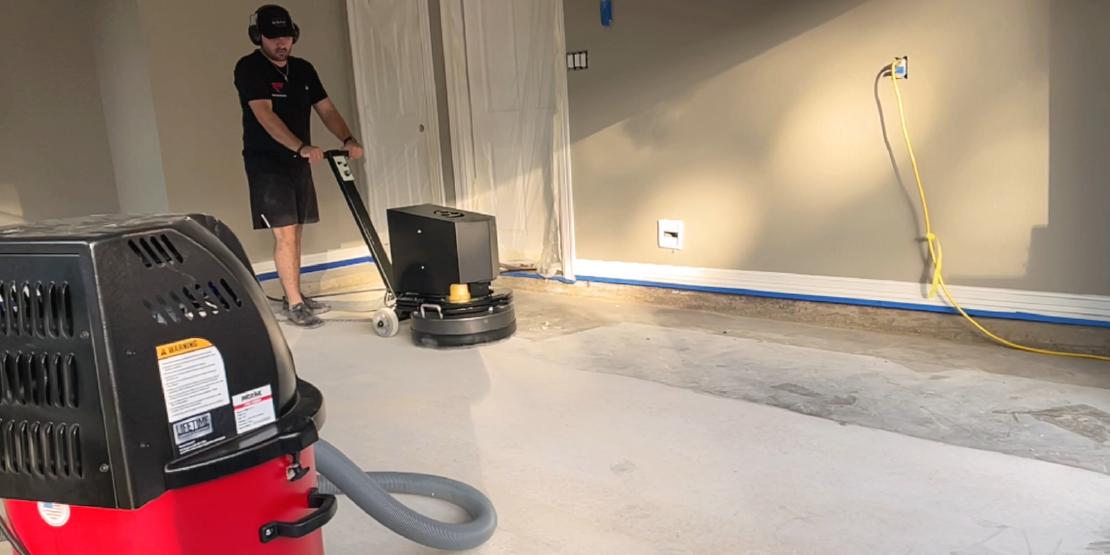
Epoxy peeling is one of the frequent issues encountered in coated garage floors. This typically happens when the epoxy does not adhere well to the concrete surface. Depending on the severity of the peeling, it can be addressed by reapplying the coating after preparing the surface correctly. Using a floor grinder to create a smooth surface is recommended. On the other hand, cracks and bubbling could be a sign of moisture issues. It is crucial to ensure the concrete is completely dry before applying the coating, or the moisture trapped underneath could cause bubbles and eventually cracks.
Professional Services vs DIY: Making the Right Choice
When it comes to applying coverings to a garage floor, homeowners usually find themselves on the fence - should they hire professionals or attempt to do it themselves? On one hand, professional services come with the assurance of expertise and quality. These companies have the right tools, materials and most importantly, the experience to deliver a sleek finish. Furthermore, should any complications arise, they are well-equipped to provide solutions promptly. After all, a well-applied coating extends the lifespan of the garage, boosts aesthetics, and increases property value.
On the other hand, going the DIY route can be a satisfying endeavor. For starters, it gives the homeowner control over the entire process, allowing them to customize the project to their liking. It is also cost-effective, since labor fees constitute a considerable portion of professional services. All one needs is a comprehensive guide and a few tools to kick start the task. However, DIY comes without guarantees. An error in application can lead to unwarranted stress and in some cases, higher expenses to rectify the mistake.
What is the need for protecting garage floors?
Garage floors need protection to avoid damage from vehicles, heavy equipment, oil spills, and other substances. This enhances its appearance and longevity.
What are the different types of garage floor coatings?
The primary types of garage floor coatings include epoxy, polyurethane, and sealants. These offer different levels of protection, durability, and aesthetics.
Why is epoxy commonly used for garage floors?
Epoxy is commonly used due to its high durability, resistance to chemicals, and ease of maintenance. It also offers an impressive finish and can withstand heavy traffic.
How do I apply epoxy coating on my garage floor?
Applying epoxy coating involves cleaning and prepping the floor, mixing the epoxy, applying it using a roller, and allowing it to cure for several days.
What should I consider when applying epoxy on my garage floor?
When applying epoxy, consider the temperature and humidity levels, ensure proper ventilation, follow the manufacturer’s instructions, and ensure the floor is free of dirt and grease.
How does polyurethane protect garage floors?
Polyurethane forms a high-gloss, durable finish that resists scratches, chemicals, and wear. It also enhances the color and depth of the underlying epoxy.
How do I apply a polyurethane coating on my garage floor?
After the epoxy has completely dried, mix the polyurethane, apply it with a roller, and allow it to dry for several days.
What tips can you give for using polyurethane coatings?
Some practical tips include applying thin coats, ensuring the floor is clean and dry, and using the right roller to avoid bubbles.
Why should I seal my garage floor?
Sealing your garage floor provides an extra layer of protection against moisture, stains, and damage, while enhancing its appearance.
How do I apply sealant on my garage floors?
Similar to epoxy and polyurethane, applying sealant involves cleaning the floor, applying the sealant with a roller, and allowing it to dry.
How can I maintain my coated garage floor?
Regular cleaning, immediate cleaning of spills, avoiding sharp objects and heavy impacts, and periodic reapplication of the coating can help maintain your coated garage floor.
What common issues might I face with coated garage floors?
Some common issues include peeling, bubbling, yellowing, or not drying properly. These can often be prevented or addressed by following the manufacturer’s instructions and maintaining the floor properly.
When should I choose professional services over DIY for garage floor coating?
If you lack the time, skills, or equipment for DIY, or if the floor requires extensive prep work, professional services may be a better choice. They can ensure a high-quality, durable finish.