
What Are the Different Types of Floor Coatings?
Understanding Floor Coatings
Floor coatings are a vital factor when considering the longevity and durability of a floor. They are specifically engineered to protect concrete and other floor types against the daily wear and tear they encounter. By providing a tough, resistant layer, floor coatings offer assets such as abrasion resistance, chemical resistance, decorative aspects, ease of maintenance, and improved traction which ensures safety in wet conditions.
Indeed, a wide range of floor coatings is available, each tailored to meet specific needs. They might range from epoxy coatings, renowned for their resilience and versatility, to acrylic coatings that are known for their UV resistance and fast drying times. The difference in properties, application processes, and cost is vast and requires careful consideration prior to selection depending on your unique requirements. Remember this: whether for a garage, warehouse, or a commercial kitchen, there is a floor coating suited for every surface.
Exploring the Purpose of Floor Coatings
Floor coatings have a critical role in securing the structural integrity of floors and enhancing their aesthetic appeal. Their primary function is to shield the substrate from mechanical, thermal, and chemical loads. They protect against wear and tear, corrosion, and damage caused by heavy traffic, spills of harsh chemicals, extreme temperature variations, UV radiation, water penetration, and a host of other damaging factors. Hence, these coatings are considered indispensable in workplaces where floors are exposed to harsh conditions, like warehouses, factories, garages, and medical facilities.
Yet, the purpose of floor coatings is not limited to protection alone. They also contribute significantly to the visualization of spaces by improving the look of the floors. With a myriad of colors, finishes, and decorative options available in the market today, they can add a touch of elegance to even the most mundane surfaces, be they in residential, commercial, or industrial settings. In settings like hospitals and industrial facilities, bright and distinct floor coatings can even help direct traffic or categorize certain zones, while others have anti-slip properties ensuring safety.
Epoxy Floor Coatings
Renowned for their high resilience and durability, epoxy coatings are a popular choice for floors in areas of high traffic or heavy machinery operation. These resilient coatings are fabricated from two key components - resins and hardeners. Upon combining, a chemical reaction ensues, leading to the formation of an incredibly strong, resistant material. It should be noted that epoxy has a higher resistance to abrasion compared to its counterparts, and boasts a glossy sheen that provides an aesthetically pleasing look.
In terms of application, the process is often meticulous but straightforward. The surface must first be thoroughly cleaned and primed to ensure better adhesion of the epoxy coating. After primer application, the well-mixed epoxy resin and hardener are applied evenly across the floor’s surface. The finished floor is typically dry and ready for use in a couple of days. Its impermeability makes it an ideal choice for environments where spillages are common, effectively repelling liquids and preventing any staining or damage to the underlying floor.
Polyurethane Floor Coatings
Formulated chemically with a combination of polyol resin and an isocyanate hardening agent, this specific type of floor coating is prominent for its superior performance. Recognized for its durability, flexibility, and high resistance to abrasion and impacts, it’s commonly applied in high-traffic areas. It exhibits excellent resistance to chemicals, oils and greases, making it an ideal coating for industrial applications. Because of their high-gloss finish, these coatings also enhance the aesthetic appearance of the flooring.
However, no floor coating is without its drawbacks. Despite its many benefits, it is sensitive to UV light, which can cause color changes in the long term. This sensitivity also limits its application to indoor use primarily. Unlike epoxy, it needs prime conditions to cure properly. The temperature should be at least 10°C, and environmental humidity should be below 85%. Also, while it provides superior resistance to many physical impacts, it is more prone to scratches than some other types of floor coatings. Despite these caveats, its advantages often justify its use in suitable applications.
Acrylic Floor Coatings
Acrylic coatings represent a popular option in the realm of flooring solutions. They are admired for their quick drying properties and lightweight constitution. Available in both water-based and solvent-based versions, their versatility suits a myriad of environments and design considerations. These coatings are not only robust but also possess the capability to endure high traffic conditions as they resist wear and tear effectively.
The stunning aesthetics of Acrylic Floor Coatings add a polished finish to any floor. They offer UV stability, meaning that the risk of color fading or yellowing over time is significantly reduced. This makes them an ideal choice for spaces exposed to natural light or outdoor areas. Additionally, the ease of application and low odor make acrylic floor coatings a popular pick among professionals and DIY enthusiasts alike. However, it’s crucial to remember that while they provide a good resistance to scuffs and scratches, they are not as hard or heat-resistant as some of their epoxy or polyurethane counterparts.
Polyaspartic Floor Coatings
Gaining popularity in the world of floor coatings, polyaspartic coatings are known for their fast cure times and exceptional durability. They offer a high-performing finish that is resistant to UV rays, meaning that they will not yellow or fade over time. With an impressive ability to withstand severe temperature fluctuations, they have become a favorite for use in garages, commercial kitchens, and industrial environments.
In terms of installation, these coatings also have a unique characteristic. Polyaspartic coatings possess a quick cure time, which can be as fast as just a few hours. This allows for a speedy installation, limiting downtime in commercial and industrial spaces. However, this accelerated cure time requires precision and skilled handling to avoid errors in application. Needing less maintenance compared to other types, they are a practical and hard-wearing option for flooring needs.
Polyester Floor Coatings
Well known for their superior adhesion and chemical resistance, these coatings are a popular choice for many applications, particularly in industrial environments. They offer a versatile solution to those seeking long-lasting, durable floor protection. Unlike their counterparts, these coatings boast an impressive ability to withstand a wide range of harsh chemicals, from hydrocarbons to strong acids.
Durable and resilient, these coatings are also highly resistant to wear, abrasion, and even impact. This makes them highly sought after in environments where floors undergo a great deal of wear and tear. Despite their hardness and resilience, these coatings provide a surprising amount of flexibility, allowing them to withstand thermal expansion and contraction without cracking. With their impressive list of qualities, these coatings are a reliable choice for demanding industrial use.
Vinyl Ester Floor Coatings
Among a multitude of choices for floor coatings, vinyl ester stands out due to its invaluable properties. This blend, primarily composed of epoxy resin enhanced with a vinyl ester additive, offers unparalleled resistance against harsh chemical, thermal, and mechanical conditions. The flooring solution is also known to provide commendable resilience against bacteria, fungi, and high moisture levels, making it the perfect option for industries that mandate strict hygiene and cleanliness standards.
Applying a vinyl ester coating not only bolsters the strength and durability of your floors, but also enhances its aesthetics. With a visually pleasing glossy finish, these coatings can be customized according to the color or design requirements of the location. Additionally, due to its unique features, vinyl ester is simpler to clean and maintain, adding to its long-lasting performance and reducing the need for frequent floor replacements. It emerges as a powerful and compelling choice for both industrial and commercial flooring solutions.
Phenolic Floor Coatings
Renowned for their exceptional resistance to heat and chemical corrosion, phenolic coatings provide a remarkable balance of physical strength and endurance. They’re particularly recommended in industrial settings where environments can subject floors to harsh corrosive compounds or exceptionally high temperatures. These coatings are valued for their ability to protect floors in demanding environments, often outlasting other types of coatings in high-stress situations.
Installation of these coatings often requires a professional touch due to their complex chemical composition. They undergo a curing process that forms a highly rigid matrix, thus offering immense durability and resistance. The increased life span and the reduced frequency of maintenance make phenolic coatings a practical choice for industrial and other high-stress environments. However, they may not be a suitable choice for certain aesthetic requirements as they generally have a dull and dark appearance.
Fluoropolymer Floor Coatings
Fluoropolymers are a unique class of polymers, renowned for their exceptional resistance to heat, weathering, chemical reactions, and electricity. These characteristics make them an excellent choice for flooring in industrial and high-traffic environments, often preferred for their longevity and robustness. Fluoropolymer floor coatings provide a glossy, easily cleanable, and non-porous surface. This method of coating guarantees a surface that can withstand exposure to corrosive agents, scratches, and high temperatures, often exceeding the durability of traditional coatings.
Despite their durability, cost is a factor in the selection of Fluoropolymer floor coatings. They tend to be more expensive than other options such as Epoxy, Polyurethane, or Vinyl, due to the technical complexity of their manufacture and formulation process. However, the long-term benefits and reduced need for constant replacement or repair can offset the initial cost. These coatings offer a powerful combination of functionality and aesthetics, making them an ideal choice for various applications.
Choosing the Right Floor Coating for Your Needs
While you embark on the journey to choose the right floor coating for your needs, several factors need to be taken into consideration. Foremost, the intended usage is crucial because the frequency and level of traffic should correlate directly to the durability and resistance required from the coating. Commercial establishments with heavy foot traffic, for instance, require something more resilient like epoxy or polyurethane. On the contrary, a home office or a bedroom can get by with the more aesthetic and lower-resilience acrylic or vinyl ester coatings.
Another significant factor to consider is the existing floor condition since not all coatings adhere well to every surface. For concrete floors with moisture problems, phenolic coatings might be the best fit. In contrast, well-conditioned, smooth concrete surfaces offer a wide spectrum of choices including polyaspartic and fluoropolymer coatings. Remember, the goal is to select a floor coating that not only enhances the appearance, but also prolongs the lifespan of your floors while offering uncompromised functionality.
Installing Floor Coatings: Essential Guidelines
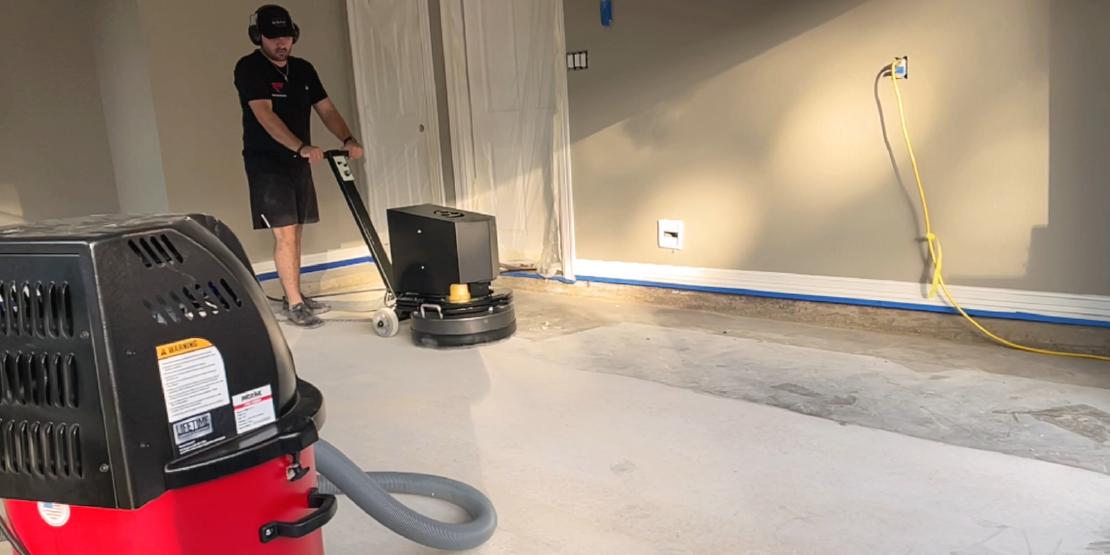
Installing a floor coating properly can greatly influence the lifespan and performance of it. To ensure the correct application, initial steps should be taken to prepare the surface on which the floor coating will be applied. This involves cleaning the floor thoroughly, to remove any dirt or debris that may interfere with the adhesion of the floor coating. If the surface is blatantly unlevel or cracked, consider using a leveling compound or repair mortar to mend these issues.
Next, apply the floor coating evenly across the surface using a roller or a sprayer. It’s essential to follow the manufacturer’s instructions about application thickness and drying time for the best result. To achieve a professional finish, start from one corner of the room and work your way toward the exit. Applying multiple thin coats often offers a more durable and neater finish than a single thick layer. After application, give your floor ample time to cure before you start using it. Double-check your product’s specifications for the correct cure time as it varies from coating to coating.
Maintaining and Caring for Your Floor Coating.
Floor coatings are a vital component to the longevity of any interior or exterior surface. Depending on the type of floor coating used, the level of maintenance required can vary. Certain coatings, such as epoxy, require minimal upkeep but should still be regularly cleaned with a pH-neutral cleaner to prevent the buildup of dirt and dust. Depending on the volume of foot traffic, it may also be necessary to apply a new coat every couple of years to ensure that the flooring remains in good condition.
Regular inspection is another crucial aspect of floor coating maintenance. Be mindful of any signs of wear and tear such as chipping, bubbling, or yellowing of the coating. These could potentially be signs that the floor coating is beginning to deteriorate and might require a fresh application. Always remember, preventive care is better than reactive repair; thus, consistent maintenance can save significant time and resources in the long run. Also, considering professional maintenance regimes if your area is large or faces heavy usage. These professionals are equipped with the latest tools and techniques to care for your floor coating, ensuring it lasts longer and performs optimistically. To maintain and care for your floor coating effectively, follow these steps:
• Regular Cleaning: Use a pH-neutral cleaner to clean the coated surface regularly. This will remove dirt and dust that can accumulate over time, potentially damaging the coating.
• Periodic Re-coating: Depending on the type of coating used and the volume of foot traffic it receives, you may need to apply a new coat every few years. This helps keep the flooring looking fresh and in good condition.
• Routine Inspection: Regularly check for signs of wear and tear such as chipping, bubbling or yellowing. These could be early indicators that your floor coating is deteriorating and might require reapplication.
• Preventive Care: Always remember that preventive maintenance is more cost-effective than reactive repair. Consistently caring for your floor can save significant time, money, and resources in the long run.
• Professional Maintenance Regimes: If your area is large or sees heavy usage (like commercial spaces), consider hiring professionals who specialize in maintaining floor coatings. They have access to state-of-the-art tools & techniques which ensure longer lifespan & optimal performance of your floors’ finish.
Remember: Each type of floor coating has unique characteristics requiring specific care routines - always consult with a professional or refer to manufacturer guidelines when unsure about proper maintenance procedures!
What are floor coatings?
Floor coatings are a type of layer or covering applied on floor surfaces to protect the base material from damage, enhance the aesthetics, and provide additional benefits like slip-resistance and easy cleaning.
What is the main purpose of floor coatings?
The primary purpose of floor coatings is to protect flooring materials from wear and tear, chemical spills, physical impact and other damaging factors. They also enhance the aesthetics of the floor and can offer additional benefits like water resistance, slip resistance, and ease of cleaning.
What are epoxy floor coatings and what are their benefits?
Epoxy floor coatings are durable and tough coatings that provide high resistance to chemicals and wear. They are often used in industrial settings due to their longevity and ease of maintenance.
How does a polyurethane floor coating differ from an epoxy coating?
While both epoxy and polyurethane coatings are durable and resilient, polyurethane coatings are more flexible, have greater UV resistance and can withstand higher temperatures compared to epoxy coatings.
What makes acrylic floor coatings a viable option?
Acrylic floor coatings are often chosen for their fast drying times and UV resistance. They also offer good clarity and gloss, making them suitable for decorative flooring options.
Can you tell me something about polyaspartic floor coatings?
Polyaspartic floor coatings are known for their fast curing times and exceptional durability. They provide excellent resistance to abrasions, chemical spills, and UV exposure.
What should I consider when choosing a floor coating?
When choosing a floor coating, consider factors like the type of floor, the level of traffic it will receive, exposure to chemicals or UV light, the desired appearance, and your budget.
Are there any specific guidelines for installing floor coatings?
Yes, each type of floor coating has specific installation requirements regarding surface preparation, application temperature, curing time, and others. It’s recommended to follow manufacturer’s guidelines or hire a professional to ensure proper installation.
How can I maintain and care for my floor coating?
The care and maintenance of a floor coating largely depend on its type. Regular cleaning with appropriate products, prompt spill cleanup, and avoiding heavy impacts or scratches can help maintain the coating’s appearance and longevity.
Are there specific maintenance requirements for different types of floor coatings?
Yes, different types of floor coatings might require specific maintenance procedures. For instance, epoxy coatings can be cleaned with mild detergents, while acrylic coatings might require polish or wax to maintain their gloss. Always refer to the manufacturer’s care instructions for your specific floor coating.
What can happen if I don’t properly maintain my floor coating?
Without proper maintenance, floor coatings can become dull, discolored, or start to peel or chip. This can not only affect the appearance of your flooring but also reduce its lifespan and protective properties.