
What Are the Signs That My Floor Needs Recoating?
Understanding the Importance of Floor Recoating
Floor recoating is a fundamental part of maintaining the aesthetic appeal and durability of a floor. It’s not just about making a floor look good — regular recoating can also extend its life by creating a barrier against moisture, dust, and physical damage. Key to protecting the surface beneath, the process involves applying a fresh layer of finish, which can be particularly useful in high-traffic areas prone to scuffs, scratches, and stains.
Identifying the right time for recoating is pivotal. Generally, professional assessments suggest recoating when signs of wear become evident, or every 2-3 years in environments with average foot traffic. An improperly maintained floor can lead to unnecessary expenses caused by deep scratches or water damage that necessitate complete floor replacement. Thus, floor recoating plays an integral role in saving costs in the long-term and maintaining the pristine condition of floors.
Identifying the Lifespan of Different Floor Types
Different types of flooring have varying lifespans which largely depend on the materials they are made from and the level of traffic they endure. Hardwood floors, for instance, can last for more than a century if properly maintained. They are known for their durability, aesthetic appeal, and timeless quality allowing them to retain their value over numerous years. Hardwood floors become even more desirable as they age gracefully, often showing little signs of wear and tear if well looked after.
On the other hand, laminate flooring, due to its construction, usually has a lifespan of about 15 to 25 years. As a cost-effective alternative to hardwood, laminate floors offer an attractive but relatively shorter lifespan. Similarly, carpet floors are expected to last 5 to 15 years while natural stone or tile floors, if well maintained, can last for decades. Understanding these lifespans is crucial in deciding the type of flooring to install and helps in scheduling timely maintenance and recoating.
Checking for Visible Damage and Wear
Visible damage to a floor is often the first, and most noticeable, sign that it is in need of recoating. Regardless of the type of flooring, from hardwood to tile, deterioration over time is inevitable. With constant use, floors start to show signs of distress, including gashes, scuffs, scratches, and even indentations. These are not just an eyesore, but will incrementally decrease the durability and longevity of the floor if left unattended.
Turn your attention to areas that experience the most use - usually hallways, kitchens, and living rooms. It is in these high traffic areas that you’ll spot wear and tear sooner than in other parts of your home or office. The wear may appear as patches of dullness, discoloration, or even areas where the protective layer of the floor seems to have worn off completely. Ignoring these signs may lead to more extensive floor damage which could need more than just a recoating to resolve.
Detecting Changes in Floor Color
Over time, floors are subjected to numerous elements that can cause noticeable color changes. These elements can include anything from sunlight exposure and spills to natural wear from foot traffic. Flooring materials, particularly hardwood, can darken or lighten significantly over time. It’s also not unheard of for carpet to fade, or tile grout to darken drastically. Persistent color modifications can be a strong indication that it’s time for your floor to be recoated.
Regularly examining your floor can help identify when these color shifts occur. For example, lifting a rug or piece of furniture may expose patches of the floor that have maintained their original color, allowing you to make a clear comparison with the rest of the floor. To ensure uniformity and extend the lifespan of your floor, monitoring and addressing color changes should become an indispensable part of your maintenance regimen. Here are some key points to consider when detecting changes in floor color:
• Sunlight exposure: Prolonged exposure to sunlight can cause the color of your flooring material, especially hardwood, to fade or darken over time. It’s essential to regularly check areas of your floor that receive strong sunlight and compare them with shaded areas.
• Spills and stains: Accidental spills can leave permanent marks on your flooring if not cleaned up promptly. These spots may be darker or lighter than the rest of the floor, depending on the type of spill and how it interacts with your flooring material.
• Foot traffic wear: High foot traffic areas like hallways or entrances tend to show signs of wear faster than other parts. This natural wear often results in a change in color compared to less trafficked parts of the house.
• Carpet fading: Regular cleaning, sunlight exposure, or simply age can lead carpet colors to fade over time. If you notice significant discrepancies between exposed carpet sections and those under furniture pieces, it might be time for a replacement.
• Grout darkening: Tile grout is prone to darkening due to dirt accumulation and moisture absorption. Regular cleaning helps maintain its original color but if neglected for long periods it could permanently darken.
Regular examination tips:
• Lift rugs or move furniture occasionally as these covered sections usually preserve their original color offering a clear comparison point.
• Make monitoring for such changes part of your regular maintenance routine ensuring uniformity across all floors.
Remember that addressing any persistent modifications early on will extend the lifespan and overall appearance of your floors by preventing further damage from occurring.
Assessing the Level of Floor Shine
The vivid sheen of a freshly recoated floor is not merely a visual delight but is also indicative of the floor’s health. Over time, due to regular use and exposure to factors such as dirt, grime, traffic, and even UV light, the luster of your floor may begin to diminish. This decline in shine is a necessary aspect to be noted when contemplating floor maintenance.
Regularly monitoring your floor’s shine is beneficial in maintaining its longevity and aesthetic appeal. A decrease in shine often precedes visible signs of damage, providing an early alert to the need for floor recoating. Upon detecting a dull floor, one ought to consider professional floor recoating services to restore the original gloss and safeguard the flooring from future damage.
Scratches and Scuffs: A Sign for Recoating
The presence of scratches and scuffs on the surface of your floor may be one of the most visible indicators that it’s time for recoating. These marks, often caused by daily wear and tear, not only affect the aesthetic appeal of your floor but also expose the underlayment to potential damage. Therefore, it becomes crucial to address these issues at the earliest to ensure the longevity of your flooring.
Often, recoating can be a proactive, cost-effective solution over floor replacement. A fresh coat acts as a protective layer, camouflaging minor imperfections such as scratches and scuffs, while adding a new lease of life to your floor. Moreover, recoating can also enhance the original glow, shine, and color of your floor, bringing it almost to its initial condition. Thus, taking prompt action in the appearance of scratches and scuffs is highly recommended to maintain the integrity of your floor.
The Impact of High Traffic Areas on Your Floor
High traffic areas on any flooring surface are subject to significant wear and tear over time. They are areas that receive a high volume of foot traffic, such as hallways, entryways, and common living areas. Despite the resiliency of many types of flooring materials, continuous pressure and abrasion, particularly in high traffic locales, can lead to visible damage or wear. Factors such as heavy and sharp objects, gritty footwear, pet paws, and moving furniture can chip away the finish, leaving the floor vulnerable and dull.
The rate at which a floor deteriorates or fades due to traffic greatly depends on the type of flooring used. Certain materials like carpet, laminate, and engineered hardwood may show evidence of wear quicker in high traffic areas compared to areas with less footfall. Frequency of cleaning, along with the usage of inappropriate cleaning agents, can also influence the lifespan. Hence, regular monitoring and on-time intervention are essential to maintain the aesthetic appeal and longevity of your flooring system.
Water Damage: A Clear Indicator of Recoating Need
Water damage is an unequivocal indicator that a floor needs recoating. Seeping water can profoundly impact the integrity of a floor, triggering a host of issues including warping, swelling or buckling. Discoloration, one of the most common signs of water damage, can tarnish the appearance of your floor, revealing dark or dampened areas. Other detectable issues involve soft spots, mold, or odor suggesting the potential presence of mildew. Any of these signs unfortunately show that your floor has absorbed moisture, escalating the need for a recoat. Adequate maintenance can certainly mitigate the likelihood of such damage, but neglecting the signs of wear and tear will only exacerbate the situation, jeopardizing the lifespan and aesthetics of your floor.
When it comes to recoating floors, it is vital to understand and address water damage in its early stages to prevent more serious complications down the line. An unattended water damage might lead to rot or decay, which can compromise the structural stability of the flooring. Thus, it’s recommended to perform routine inspections of your floor, especially those sections subjected to regular water exposure, such as kitchens and bathrooms. Besides, a recoat not only revamps the look of a dull or damaged floor but also extends its durability, creating a moisture-resistant seal that shields against future water damage.
The Role of Regular Maintenance in Floor Longevity
Regular maintenance plays a crucial role in preserving the integrity and appearance of your flooring. Consistent upkeep ensures a reduction in the potential damage caused by foot traffic, spills, and scratches, hence prolonging the floor’s lifespan. It acts as a primary defense in preventing and minimizing wear and tear, which if overlooked, can intensify over time, compromising the aesthetics and structure of the floor. Simply put, the essence of routine maintenance is to safeguard your floor from premature aging and to extend its serviceable existence.
The frequency and type of maintenance required could vary based on the material of your floor. Wooden floors might need periodic buffing and polishing to maintain their sheen and elegance, while tiled floors might require regular grout cleaning to avoid discoloration. On the other hand, concrete floors could benefit from sealing to prevent moisture absorption and resist degradation. Moreover, high-traffic areas demand more frequent attention due to the likelihood of experiencing rapid wear. Thus, an effective maintenance routine tailored to your floor type can dramatically enhance its longevity.
Floor Recoating Vs. Floor Replacement: A Comparative Analysis
Floor recoating is a maintenance process that removes the top layer of a floor’s finish, repairs any minor damage and then applies a new layer of finish. This procedure amplifies the floor’s shine, provides protection, and extends its lifespan. The primary advantage of recoating is the cost-efficiency, as it tends to be significantly cheaper than a full floor replacement. Additionally, the process is less disruptive and quicker as it does not require the removal of existing flooring.
In contrast, floor replacement involves removing the entire flooring structure and installing a new one. This approach is typically needed when there is extensive damage or wear on the floor that cannot be resolved by mere recoating. Floor replacement provides a fresh start as it eliminates the existing wear and tear entirely and gives you an opportunity to opt for a new floor design or material. However, this method is considerably more expensive, time-consuming and disruptive than recoating. It should be considered as the last resort when other restoration methods are unsuccessful.
Professional Assessment: When to Consult a Professional
When an individual comes face to face with the maintenance aspect of a floor, expert advice is often a saving grace. Professional assessment for floor recoating is not only a pathway to better upkeep but also a safety measure. Homeowners or business owners may not have the expertise to identify specific damages or wear and tear patterns. The untrained eye can overlook critical signs of necessary recoating or might overreact to specific surface scratches that are not concerning.
A professional assessment can efficiently clarify the gray areas by outlining the state of the floor. During this evaluation, a floor expert will determine whether recoating is required, its urgency, and the type of recoating best suited. Additionally, experts provide tips and guidelines for post-recoating maintenance. In instances of significant floor damage, they can also advise on whether floor replacement might be a more cost-effective and long-lasting solution. Therefore, when the longevity and quality of a floor are at stake, it is best to consult a professional for assessment.
The Process of Floor Recoating: A Brief Overview
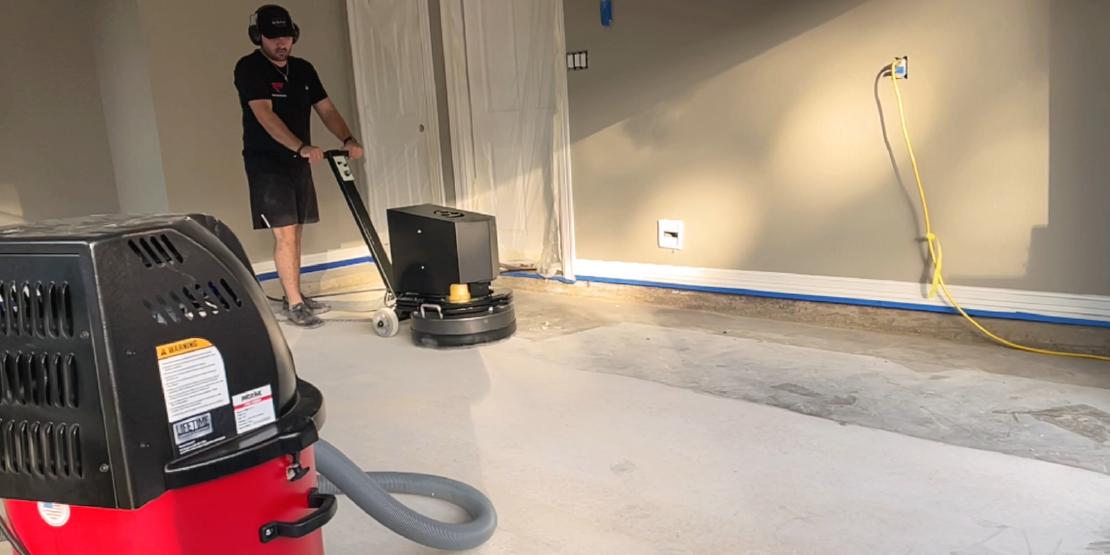
Understanding the intricate procedure of floor recoating is essential for anyone wanting to prolong the life of their flooring. The first step of the floor recoating process revolves around a thorough cleaning endeavor. All dust, dirt, and existing wax need to be completely removed to ensure the new coating will adhere effectively. This is achieved through the use of professional grade equipment and cleaning solutions designed to eliminate grime while minimizing potential damage to the floor.
Following the initial clean-up, the floor is then lightly sanded or scarified. This step creates an abrasively textured surface that allows the new coating to bind well. Before the application of the new finish, another round of meticulous cleaning is often required to remove any sanding dust. With the surface prepared, specialists apply the coat of floor finish which when set, provides a protective and glossy layer, enhancing the overall aesthetics and durability of the floor.
Maintaining Your Floor After Recoating: Essential Tips
After a professional recoating job, it’s imperative to uphold the integrity of your floors with regular and ideal maintenance. This process isn’t an arduous task, as it primarily involves developing a habit of cleaning using the most appropriate methods for each type of flooring material. Regular sweeping or vacuuming can be effective, but it’s crucial to ensure that no abrasive particles remain on the surface that might scratch or dull the finish.
Whether it’s hardwood, laminate, vinyl, or tile, using the right cleaners can have a significant impact on the longevity of your recoated floors. For hardwood floors, for instance, it is advisable to use a pH-neutral cleaner. This is important to avoid damaging the finish or the wood. Similarly, vinyl and laminate floors call for gentle cleaners, which do not contain harsh chemicals. It’s equally essential to address spills immediately to prevent stains and damage. Lastly, installing protective pads under furniture can help avoid unnecessary scratches and scuff marks on your newly recoated floor.
Why is floor recoating important?
Floor recoating is essential to maintain the aesthetics and durability of your floor. It helps to protect the floor from damage, wear and tear, and prolongs its lifespan.
How can I identify the lifespan of different floor types?
The lifespan of a floor depends on the type of material used, such as hardwood, laminate, or tile. Generally, hardwood floors can last for around 100 years, while laminate and tile floors have a lifespan of about 10-20 years.
What are the signs of visible damage and wear on the floor?
Visible signs of damage and wear on the floor include scratches, scuffs, changes in color, reduced shine, and presence of water damage.
How can I detect changes in floor color?
Changes in floor color can be detected by comparing the current color of your floor to a section that is usually covered by furniture or rugs. If there’s a significant difference, then it indicates that your floor color has faded.
What is the level of shine that indicates the need for recoating?
If your floor’s shine is significantly reduced or if it appears dull, it’s a clear indication that your floor needs recoating.
How do scratches and scuffs indicate the need for recoating?
Scratches and scuffs degrade the aesthetic appearance of your floor. Besides, they expose the floor to further damage. Recoating fills these scratches and scuffs, restoring the floor’s original look and protecting it from further harm.
How does high traffic affect my floor?
High traffic areas are more prone to wear and tear. The constant foot traffic causes the floor coating to wear thin faster, increasing the chances of damage.
How can I detect water damage on my floor?
Water damage on your floor can be detected through signs like warping, discoloration, mildew, or a musty smell.
Why is regular maintenance crucial for floor longevity?
Regular maintenance like cleaning and recoating protects the floor from damage, retains its aesthetic appeal, and significantly enhances its lifespan.
Should I recoat or replace my floor?
The decision to recoat or replace your floor depends on the condition of your floor. If the damage is extensive, replacement might be the best option. However, if the floor is just worn out without any severe damage, recoating can restore its beauty and functionality.
When should I consult a professional for floor recoating?
If you’re finding it difficult to assess the condition of your floor or if your floor has severe and extensive damage, it’s best to consult a professional.
What is the process of floor recoating?
The floor recoating process involves cleaning the floor, repairing any damages, sanding the surface to remove the old coating, applying the new coat, and then allowing it to dry.
How can I maintain my floor after recoating?
After recoating, you can maintain your floor by cleaning it regularly, avoiding the use of harsh chemicals, protecting it from excessive sunlight, and controlling the level of humidity in your home.