
What Is the Application Process for Floor Coatings?
Understanding Floor Coatings
Floor coatings provide an extra layer of protection on the surface and prolong its life by guarding against everyday wear and tear. They are especially important in areas with heavy foot traffic or where the floor is subject to harsh substances or moisture, such as kitchens or garages. These coatings can be decorative as well, playing a major part in the interior aesthetics by enhancing a room’s overall appearance or adding a specific vibe. Additionally, they offer great versatility; they can be applied to a range of flooring materials, including concrete, hardwood, or tiles, each with its unique attributes and benefits.
The selection of a proper floor coating can be quite a task with the variety of options available in the market. The choice is usually influenced by several factors like desired lifespan, aesthetic preference, the nature of activities in the space, the existing floor material, and the budget. The range of floor coatings include epoxy, polyurethane, acrylic, and polyaspartic, each with unique features and advantages. Endeavoring to understand the intricacies of floor coatings can undoubtedly help property owners ensure the longevity and sustainability of their floors.
Exploring the Different Types of Floor Coatings
To impart a new life to floors while simultaneously protecting them, floor coatings are often employed as a robust solution. Several different types of floor coatings are available in the market, each tailored to specific needs and environments. These include epoxy, urethane, acrylic, polyurea, and others. Each of these offers a unique set of benefits varying in terms of hardness, durability, cost, and ease of application.
Epoxy coatings, for instance, are renowned for their outstanding durability and resistance to chemicals, making them an excellent choice for industrial and commercial settings. Meanwhile, acrylic coatings are generally more cost-effective, faster to dry and offer good resistance to UV rays, hence, they are commonly utilized in outdoor applications. On the other hand, polyurea coatings have gained popularity for their rapid cure time and extreme durability, particularly suitable for high-traffic areas. The choice of the appropriate floor coating heavily depends on the use of space, the expected foot traffic, and specific aesthetic requirements.
The Importance of Floor Coatings
Floor coatings contribute significantly to the overall ambiance and functionality of a building. They come with a multitude of benefits, ranging from aesthetic enhancement to durability. Floor coatings not only improve the appearance of floors but also provide a gold-standard finish that reflects professionalism. Every coating has its unique texture, sheen, and color, giving it the ability to transform any ordinary flooring into an extraordinary one.
From an industrial standpoint, the importance of floor coatings cannot be overstated. These coatings are designed to resist heavy machinery, high traffic, and harsh chemicals while maintaining a pristine appearance. They reduce the chance of accidents by offering anti-slip properties, and they also help in the prevention of wear and tear. In many ways, a well-coated floor is like a suit of armor for the ground beneath our feet, ensuring longevity and protection.
Preparing the Floor for Coating
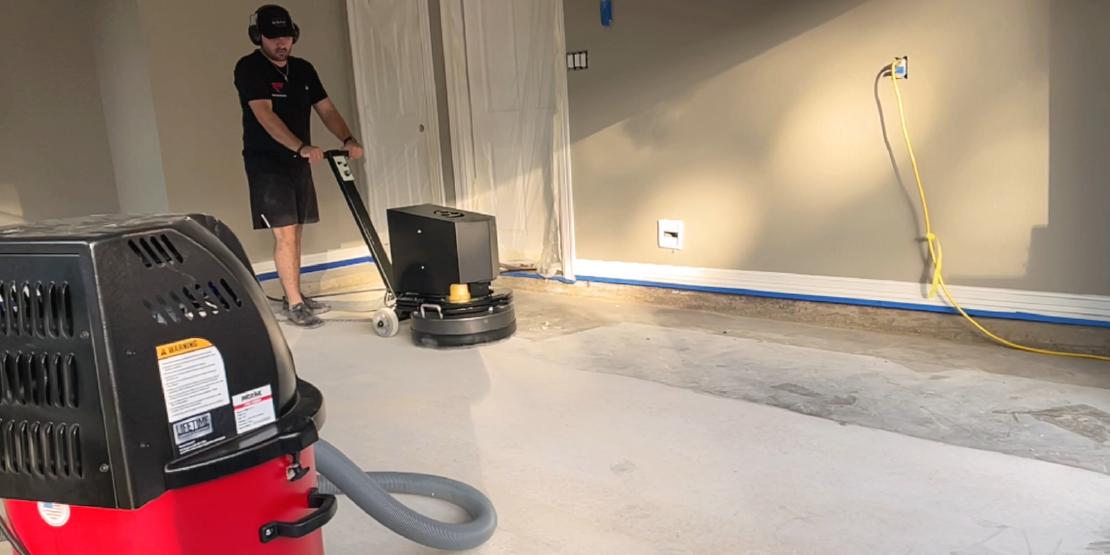
The first step in preparing the floor for the coating process is ensuring a clean and level surface. The utilization of specific cleaning agents will drastically enhance the adhesion qualities of the floor coating. All dirt, dust, grease, and existing coatings must be thoroughly eradicated. This requires meticulous sweeping, vacuuming, or blasting to completely expose the structural integrity of the floor. Moreover, any detected cracks and depressions must be diligently filled to ensure a smooth and uniform floor surface.
The floor’s porosity and composition also play a pivotal role in the preparation process. Concrete floors, for instance, may require an acid etching process or diamond grinding to increase the surface roughness and improve the bond between the coating and the floor surface. Careful attention must be devoted to the humidity levels and temperature during the floor preparation to dodge complications in the coating application process. It goes without saying, successful floor coating heavily hinges on well-executed floor preparation.
Choosing the Right Materials for Floor Coating
When it comes to selecting materials for floor coating, a range factors determine the choices. These will include the specific needs of the floor space, the available budget and the desired aesthetic. For instance, for a high-traffic area, a robust and resilient material such as epoxy resin would be the most appropriate. This material offers durability, stain resistance and it can withstand heavy loads. In areas exposed to high moisture, a waterproof coating would be recommended. From the budget’s angle, choices could range from more affordable options like latex and acrylic, to slightly costlier options like urethane and polyaspartic coatings.
On the aesthetic front, coatings like coloured or decorative epoxy offer a variety of finishes and colors that can enhance the overall look of a space. For a more natural appearance, clear coatings may be used. It’s therefore essential to consider not only the functional aspects, but also the beauty element while selecting the right materials for floor coating. Balancing these considerations ensures a floor coating application that is both durable and pleasing to the eye. The availability of professional advice can be critical in navigating these choices and making the right decision.
To simplify the process of selecting materials for floor coating, here are some points to consider:
• Evaluate your specific needs: The type of material you choose should depend on what your floor will be used for. If it’s a high-traffic area, durability and resilience should be top priorities. Epoxy resin is a popular choice in such scenarios due to its robust nature.
• Consider moisture exposure: In areas prone to dampness or with high moisture content, waterproof coatings are recommended. This prevents water damage and prolongs the life of the floor.
• Budget considerations: Your budget plays an integral role in determining which material you opt for. Affordable options like latex and acrylic can suffice if finances are tight while urethane and polyaspartic coatings may require a higher investment.
• Aesthetics matter: The aesthetic appeal of your space can greatly influence your decision on what type of flooring material to use. Coloured or decorative epoxy offers variety in finishes and colours, enhancing the overall look of any room. Clear coatings provide a more natural appearance.
• Seek professional advice: It is always beneficial to consult professionals when making these decisions as they possess knowledge about different materials’ pros and cons based on their experience.
By considering these factors carefully, one can arrive at an informed decision regarding floor coating materials that fulfill both functional requirements as well as aesthetic preferences effectively.
Step-by-step Guide to Applying Floor Coatings
Commencing the task of floor coating involves meticulous preparation. The first step always comprises a comprehensive cleaning of the surface to expel all dirt, dust, and any existing coatings or adhesives. Once cleared, a concrete grinder or shot blaster is applied to roughen the surface which guarantees the proper adherence of the new coating. Subsequently, with a clear and textured surface at hand, the application of an initial primer layer ensures a robust bond between the substrate and the coating material.
The main step in the coating process is the application of the chosen floor coating. Using a roller or a squeegee, the floor is coated with an even layer of the resinous mixture. Attention to detail is critical at this stage to prevent pooling and ensure a smooth and even coat. Depending on the type of coating used and the prevailing environmental conditions, the drying process may take a few hours or even extend to a few days. After the first layer cures, additional layers are applied until the desired thickness and finish are achieved. Post-application, the floor should be left undisturbed for around a week to allow for complete curing.
The Role of Primer in Floor Coating Application
Primer plays an indispensable role in floor coating application. It’s the initial layer that is applied onto the bare, prepared floor surface before the actual coating material. The primary function of the primer is to create a suitable surface for the floor coating to adhere with and hence lead to a more robust and longer-lasting finish. The primer essentially acts as a bond, creating a bridge between the floor material and the coating, ensuring that the latter maintains its adhesion for an extended period.
Applying the primer is a crucial stage in the floor coating process. It works with the porosity of the floor material and ensures that eventual floor coating does not soak excessively into the floor, which can lead to an uneven finish and reduce the longevity of the coating. Additionally, the primer can also provide added benefits such as increasing the resistance of the floor surface to chemical spills or other environmental factors. Furthermore, it helps in color enhancement of certain kinds of floor coatings, hence boosting the aesthetic appeal.
Applying the Floor Coating Properly
The art of applying a floor coating properly is pivotal and requires precision. This process is initiated after the floor is thoroughly cleaned, scrubbed, and primed. The coating should be uniformly spread across the floor with a roller or spray system. It is important to note that if the coating is overly thick, it may result in improper curing and unevenness, whereas too thin a layer might lead to inadequate floor protection. This process might appear simple, but it requires meticulous attention to detail to guarantee a smooth and flawless finish.
Temperature and humidity also play critical roles in the floor coating application process. A highly humid environment may prevent the coating from adhering properly to the floor or cause it to cure unevenly. Furthermore, extremely high or low temperatures could affect the drying time and the final outcome of the floor coating. Hence, it is essential to monitor the weather and indoor conditions before commencing with the floor coating application. Achieve the promised durability and aesthetics of a floor coating, it’s optimal application cannot be compromised.
Drying and Curing Process of Floor Coatings
Upon the application of floor coatings, the drying phase ensues. This phase is a crucial step where the solvent or the water in the coating evaporates, leaving behind the prime coating material on the surface. Variables such as temperature, humidity, and airflow can significantly influence this stage. Lower temperatures and higher humidity levels may prolong drying, while higher temperatures and lower humidity can expedite the process. Consistent airflow aids in drying by carrying away the moisture.
The next step is the curing process. Curing isn’t merely about drying the coating to a touch-dry state; it involves developing a hard, durable bond between the coating and the floor surface. This reaction is typically a chemical process, and specifics may vary depending on the type and composition of the coating material used. Certain curing processes are heat-activated, while others rely on air exposure. Regardless of the method, a thorough and complete cure is vital for the durability and longevity of the floor coating.
Post-Application Care and Maintenance
Once the floor coating is professionally applied and has gone through the required drying and curing process, it’s essential to maintain its pristine condition to warrant longevity. This involves regular cleaning to get rid of dust, dirt, and stains that may tarnish its appearance and potentially wear down its surface over time. Routine sweeping and mopping using cleaning products specifically designed for coated floors goes a long way in maintaining its shine and durability.
Additionally, certain precautions should be taken to avoid damages. Heavily trafficked areas may need protective mats to prevent scratching or chipping off the coating. In instances where the coated floor might encounter chemical spills or abrasive materials, additional protective measures may be necessary. Periodically, one might need to consult a professional for re-coating or a touch-up, particularly for any signs of wear or damage. This way, the floor coating is maintained at an optimal level, the floor’s life span is extended, and its aesthetic appeal is sustained.
Common Mistakes to Avoid When Applying Floor Coatings
One common error that people often make when applying floor coatings is neglecting to adequately prepare the floor surface. The surface should be free of dust, grime, or any other contaminants which might interfere with the adhesion of the coating. Sanding, scraping and sometimes, washing and drying the surface is a crucial step which if overlooked, can result in peeling or chipping of the coating.
Another frequently made mistake is applying the coating unevenly, which can result in a finish with unequal depth of color and shine. This often occurs when the applicator fails to maintain a uniform spread rate and applies more coating in some areas and less in others. It is therefore important to keep an eye on maintaining an even layer of coating throughout the application process. This can be achieved by consistently cross-rolling and ensuring that the same amount of product is used across the entire surface.
Professional vs. DIY Floor Coating Application
When it comes to floor coatings, the debate often swings between the option of professional application or a do-it-yourself approach. Professionals bring with them a wealth of experience, skill, and the right tools to ensure a flawless finish and durability. They are equipped to handle a variety of floor materials and are accustomed to applying different coatings. Their work generally comes with quality assurances and warranties, guaranteeing you peace of mind upon project completion.
On the other hand, DIY floor coating application may hold appeal to homeowners who love to immerse themselves in every aspect of their home improvement. DIY floor coating allows for more control over the process, and often proves to be a cost-effective option. Advanced technologies and user-friendly coating products are available in the market, making it possible for novices to achieve reasonable results. However, it is essential to remember that floor coating demands precision, and amateur attempts can result in flaking, peeling or uneven coating. Careful consideration should be given to the type of floor coating before deciding whether to take the DIY route or to hire professionals for the task.
Benefits of Properly Applied Floor Coatings
Floor coatings, when properly applied, have far-reaching implications for both residential and commercial properties. Perfectly finished floor coatings not only transform the appearance of the surface but also enhance its durability. Resistant to spilling and staining, such coatings reinforce the strength of the flooring, extending its lifespan significantly. This aids in cost savings over time, as the need for frequent renovations is reduced, translating into fewer interruptions of daily activities or business operations.
In terms of health and safety, proficiently applied floor coatings can significantly minimize the risk of accidents in workspaces and homes. As these layers provide added traction, they reduce chances of slips and falls, ensuring a safer environment for all. Moreover, floor coatings enable smoother cleaning and maintenance, contributing to better hygiene and preventing the buildup of harmful bacteria or fungi. Such valuable assets of properly applied floor coatings underline their vital role in enhancing the overall sustaining ability and safety of any space.
What are floor coatings?
Floor coatings are protective layers applied on the surface of floors to enhance their durability and appearance.
What are the different types of floor coatings?
There are various types of floor coatings including epoxy, polyurethane, acrylic, and polyaspartic among others. These coatings have different characteristics and are suitable for different types of floors and uses.
Why are floor coatings important?
Floor coatings protect the floor from wear and tear, stains, and moisture damage. They also improve the appearance, ease of maintenance, and could potentially increase the value of your property.
How should I prepare the floor before applying the coating?
The floor should be thoroughly cleaned and all dust and debris removed. Any existing coatings or sealers should be stripped off, and the floor may need to be etched or sanded to ensure the new coating adheres properly.
How do I choose the right materials for floor coating?
The choice of materials depends on the type of floor and the intended use. For example, epoxy coatings are suitable for garage floors while acrylic coatings might be better for indoor floors.
How is floor coating applied?
The application process involves preparing the floor, applying a primer, then applying the chosen coating using a roller or sprayer. The coating should then be allowed to dry and cure before use.
What role does primer play in floor coating application?
Primer helps in enhancing the adhesion of the coat to the floor, ensuring a durable and long-lasting finish. It also helps in covering imperfections on the surface.
How long does the drying and curing process take?
This generally depends on the type of coating used and the environmental conditions, but it typically takes anywhere from a few hours to several days.
How should I care for and maintain my coated floor?
Regular cleaning with a mild detergent is usually sufficient. Avoid using harsh chemicals or abrasive cleaning tools that could damage the coating.
What common mistakes should I avoid when applying floor coatings?
Common mistakes include not properly preparing the floor, using the wrong materials, applying the coating unevenly, and not allowing enough time for drying and curing.
Should I hire a professional or can I apply floor coating myself?
While DIY application is possible, hiring a professional can ensure the job is done correctly and can save you time and effort. Professionals also have access to high-quality materials and equipment.
What are some benefits of properly applied floor coatings?
Properly applied floor coatings can protect your floor from damage, improve its appearance, make it easier to maintain, and can increase your property’s value.