
Where Can I See Examples of Completed Floor Coating Projects?
Exploring Different Types of Floor Coating Projects
Floor coating projects come in a myriad of forms, vastly depending on their specific function, aesthetic appeal, budget, and unique needs of the space they are being utilized in. A common and popular choice is epoxy coating, known for its high-gloss, performant finish that is resistant to oil, bleach, gasoline, and other chemical spills. Due to its durability, it is well-suited for areas with heavy traffic like garages or commercial and industrial spaces. Yet another option is polyurea floor coating, offering quick curing times and exceptional resistance to heat, making it an affordable and durable solution for both residential and industrial needs.
Concrete flooring coatings are typically shared by both residential and commercial spaces. They are practically hassle-free and their minimalistic aesthetics complement a wide range of decors. This type of coating offers a waterproof and slip-resistant feature, contributing to safety and maintenance. Hence, they are a productive choice for basements or parking zones. Other protective and decorative coatings comprise of urethane, acrylic, and polished overlays among others serving different specs. In pursuit of genuine aesthetics, wooden, stone or tile floor coatings are options to consider, specifically for residential spaces. Each of these coating types has its own pros and cons, and require unique processes of application and upkeep to maintain their lifespan.
Understanding the Purpose of Floor Coating
The crux of a floor coating is to provide a seamless, robust, and long-term solution to safeguard floors from damage. The coating, which is much more complex and robust than regular floor paint, is formulated to withstand tremendous footfall and continuous wear and tear without chipping or losing color. Commercial buildings, such as shopping centers, warehouses, and hospitals, often opt for floor coatings as they are substantially more resistant to damage than a bare floor, enhancing the longevity of the flooring.
Moreover, floor coatings serve to elevate the aesthetics of the floor. They are available in an assortment of colors and can mimic the look of high-end flooring materials, such as marble or granite, hence enhancing the visual appeal. Another vital benefit is that these coatings can also significantly improve safety for residential and commercial spaces by providing slip-resistance. Some floor coatings are also imbued with protective properties to make them resistant to chemicals, heat, or bacteria, creating an additional layer of protection. Therefore, floor coating serves multiple purposes, combining the functional with the aesthetic.
Commercial Spaces with Floor Coating Projects
Floor coatings play an integral role in the maintenance and aesthetic of commercial spaces. Be it a small retail shop or a large warehouse, the right type of floor coating can significantly amplify the space’s utility. From the vantage point of durability, epoxy coatings reign supreme in the commercial landscape due to their extreme resistance to wear and tear. Moreover, they seamlessly envelope the concrete floors making them impermeable to oil, water, and several chemicals.
While epoxy flooring caters to heavier-duty requirements, many commercial spaces opt for the allure of decorative coatings. Between polished concrete floors laced with colored hardeners and vibrant concrete stains, there are plenty of aesthetic options at hand. Crucial for creating a visually appealing environment, these coatings also serve functional aspects - improving light reflectivity, reducing dust, and making regular maintenance easier. Overall, floor coating projects are instrumental in striking a balance between a commercial space’s aesthetic appeal and functional needs.
Industrial Spaces with Floor Coating Projects
Industrial facilities necessitate rigorous and long-lasting floor coatings. Everything from loading bays and storage areas to heavy machinery operations and chemical processing plants falls under this category. The chief aim of applying specialized industrial floor coating is to provide a solid, resistant finish, which caters to the heavy-duty usage these spaces endure. Notably, these coatings should be capable of withstanding a range of factors including heavy loads, abrasive materials, and chemical spills.
Epoxy, polyurethane, and polished concrete coatings frequently feature in industrial settings. These coatings offer robust protection and performance in the face of daily operational challenges. Moreover, many of these flooring solutions are also customizable in terms of aesthetics, allowing businesses to align their workspace appearance with their brand identity. With skilled application, these industrial floors can satisfy both the pragmatic needs of intense working environments and the visual preferences of the facility managers and employees.
Residential Spaces with Floor Coating Projects
Floor coating projects in residential spaces effortlessly augment both the aesthetic and functional attributes of the home. Often times these projects involve the application of coatings such as epoxy or polyurethane which not only enhance the durability of the floors but also bring a fresh, modern look to the space. Different finishes and colors allow for homeowners to personalize their spaces, reinforcing their unique style and personality. This creates a synergy between the homeowner’s interests and the overall design of the house.
Transformations of this nature are not limited to indoor living spaces. Outdoor patios, garages, and driveways also benefit immensely from floor coating projects. Special weather-resistant materials are employed to ensure longevity. Therefore, even in harsh weather conditions, these outdoor flooring solutions stand up well, requiring little to no maintenance. The blend of practicality and beauty offered by residential floor coating projects truly redefines living spaces.
Showcasing Epoxy Floor Coating Projects
Epoxy floor coating projects offer a visually striking and highly durable flooring solution for both commercial and residential spaces. The distinct vibrancy and mirror-like finish of epoxy floors not only improve aesthetic value but also provide resistance against spills, stains, and heavy foot traffic. Emphasizing its high performance, epoxy has been the preferred choice for garages, basements, showrooms, and even health facilities, thanks to its excellent adhesive properties, low maintenance, and longevity.
For instance, a recently finished project in a high-end car showroom utilized metallic epoxy to create a radiant and sophisticated look. This floor coating seemingly morphed in varying hues of blue, silver, and black as one moved, captivating the attention of clients while maintaining its utilitarian purpose. On the residential front, a home service workshop adopted a decorative flake epoxy system, transforming the mundane concrete floor into an inviting and clean space. The added advantage of the epoxy coating in this scenario was the resultant textured surface, offering additional grip and safety especially when working with machinery and tools. The seamless and glossy finish of an epoxy-coated floor not only broadens design possibilities but also offers robust functionality, setting them apart as champions in the floor coating world.
Concrete Floor Coating Project Walkthroughs
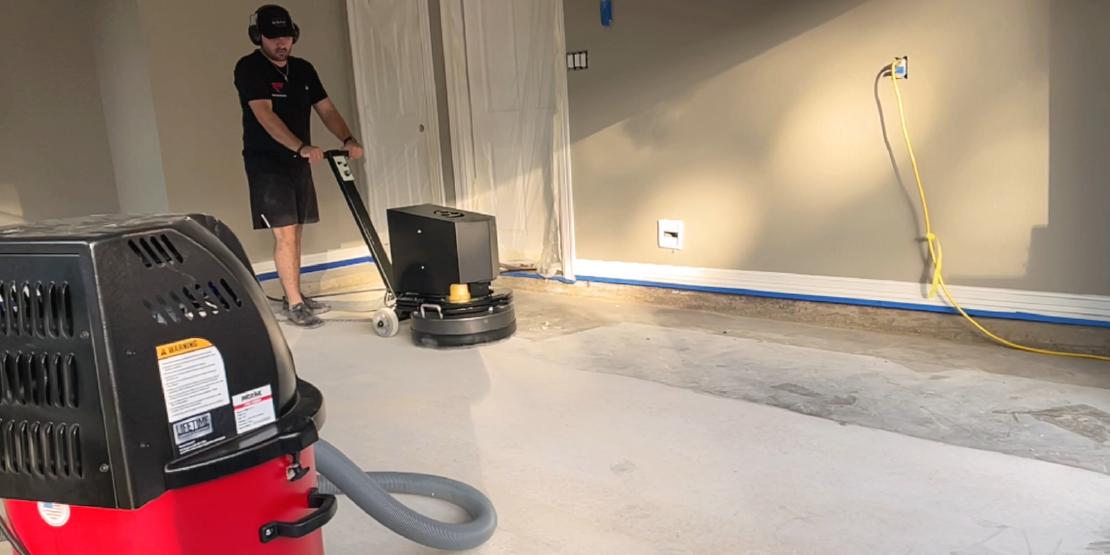
Implementing coatings on concrete floors can dramatically enhance their durability, aesthetic appeal, and functionality. The process is meticulously carried out in several stages, each playing a critical role in delivering a high-quality and long-lasting floor. This typically starts with a thorough surface preparation, which includes cleaning the floor, repairing existing damage, and creating a proper profile for the coating to stick on. This stage often requires professional tools and techniques, such as power washing, acid etching, or diamond grinding, to achieve an ideal surface condition.
A variety of coating materials are available for concrete surfaces, each offering specific benefits and suitable for different purposes. Epoxy and polurethane are among the most common types due to their excellent resistance to heavy traffic, chemicals, and mechanical impacts. Some innovative coatings also come with additional features, like anti-slip or thermal resistance, addressing specific needs of the users. The choice of the coating, its application, and the final sealant are crucial steps that make a successful concrete floor coating project.
Tiles and Stone Floor Coating Project Examples
Pioneering transformations have taken place in the realm of tile and stone floor coatings, contributing to not only elevated aesthetics but also enhanced functionality. Whether it is residential or commercial settings, these coating projects have been embraced by architects, interior designers, and homeowners alike. What makes them particularly attractive is their immense potential to breathe fresh life into dull, worn-out flooring, lending a mesmerizing appeal that captures immediate attention.
Epoxy coatings, for instance, have extensively been favored for tile and stone flooring due to their robust nature and glossy finish. A noteworthy advantage is the resistance these coatings offer against moisture, stains, and wear, thereby prolonging the life of the surface. Another rising trend in stone floor coatings is the use of polyurethane sealers that significantly elevate the look of natural stone by adding a glossy, wet look. The myriad of options in tile and stone floor coating projects not only caters to an array of preferences but also suits diverse budget brackets, making them an appealing choice for many.
Wooden Floor Coating Project Showcases
Showcasing the dynamic and rich outcomes of various wooden floor coating projects emphasizes the inherent versatility of this flooring option. Wood, renowned for its natural beauty and warmth, provides a fantastic canvas for a plethora of coatings that can dramatically enhance its aesthetic and functional attributes. From elegant hardwoods brilliantly polished to exude a classic charm to distressed wood designs given a protective polyurethane coating for a rustic vibe, the showcase is delightfully diverse.
The showcase further extends to innovative fusion themes, where wood flooring is combined with resin coatings to create stunning artworks. These projects underscore the creative liberty afforded by wood and the limitless possibilities brought on by various coating options. From the shimmering glossiness of an epoxy resin coating to the matt finish of a hard-wax oil coat, each project tells a unique story, embodying distinct tastes and aesthetic preferences. These various showcases illustrate the transformative power of wood floor coatings, adding depth, charisma, and elegance to any space. • The first showcase is an elegant hardwood floor, polished to perfection. This flooring option exudes a classic charm that can enhance any room’s aesthetic appeal. Its rich color and intricate grain patterns are further accentuated by a high-gloss polyurethane coating, adding depth and luster to the wood.
• Another project on display features distressed wood designs coated with protective polyurethane for a rustic vibe. The rough-hewn texture of the wood combined with the durable coating creates a rugged yet warm atmosphere in any space.
• A particularly innovative showcase involves combining wooden flooring with resin coatings to create stunning artworks. These fusion themes demonstrate how creative one can be when working with versatile materials such as wood and resin.
• One example of this fusion theme showcases an epoxy resin-coated wooden floor that shimmers under different lighting conditions. This glossy finish adds modernity and sophistication to traditional wooden floors.
• In contrast, another project highlights the understated elegance of a hard-wax oil coat on natural oak planks. The matte finish enhances the natural beauty of the wood without detracting from its inherent warmth and charm.
These various projects illustrate not only the versatility but also the transformative power of wooden floor coatings. They show how these finishes can add depth, charisma, and elegance to any space while preserving or enhancing their functional attributes such as durability or ease-of-maintenance.
Outdoor Floor Coating Project Examples
Versatility and durability are two paramount factors in executing outdoor floor coating projects. Developers and homeowners alike look for materials that can withstand varying weather conditions, from intense heat to heavy rain. Epoxy and polyurethane are often the go-to solutions for outdoor flooring, exhibiting an outstanding degree of resistance against UV radiation, water damage, and physical wear.
In high traffic areas, outdoor coatings also boost safety, enhancing grip and minimizing the occurrence of slips and falls. Swimming pool decks, patios, walkways, and even garage floors are just some examples where outdoor floor coatings can be significantly beneficial. Aesthetic customization is another selling point, as these coatings come in a plethora of colors and designs to suit individual preferences. Providing both style and function, the right choice in coating augments the appeal and longevity of outdoor spaces.
Inspecting the Quality of a Floor Coating Project
Assessing the quality of a floor coating project is paramount to ensure its durability, aesthetics, and safety. This process must be comprehensive, scrutinizing every feature, including the surface preparation, the choice of materials, the implementation methods, and the finished product. Expertise is required to conduct this inspection thoroughly, as minor errors or the use of substandard materials can significantly affect the longevity and appearance of the coating.
Several tools are used to perform these quality inspections, including a coating thickness gauge, which measures the thickness of the coating to ascertain it meets the specified parameters. An adhesion tester is utilized to evaluate the bonding strength between the floor surface and the coating; poor adhesion can lead to premature failure of the coating. Texture or slip-resistance is also examined, especially in commercial or industrial spaces where safety is a significant concern. Consequently, floor coating projects must pass rigorous inspections to guarantee quality and longevity.
How Successful Floor Coating Projects Are Executed
The execution of successful floor coating projects begins with meticulous planning and preparation. The area to be coated must first be thoroughly clean and free from any form of dirt or debris. Intense scrutiny of the floor’s condition follows, with a search for any damaged areas or irregularities. These issues are rectified before the start of the project, ensuring a smooth and leveled surface. To enhance the floor’s adhesion, abrading the surface is a vital step. This process provides a rougher surface for the coating to cling onto, significantly increasing durability.
The second phase of successful floor coating projects encompasses the coating application itself and the subsequent curing process. The appropriate coating material - be it epoxy, polyurethane, or any other substance - is meticulously applied on the floor. Ensuring even distribution is critical for a seamless final look. After application, the coating is left to cure. Specific conditions such as temperature and humidity need to be adequately managed during curing, affecting the sturdiness and longevity of the coating. Evaluating the coating once cured is significant, leading to completion of successful projects.
Finding Inspiration from Finished Floor Coating Projects
A world of incredible designs awaits within the realm of finished floor coating projects. One can start garnering ideas from elaborate coatings seen at grand hotels, high-end residential homes or modern industrial facilities. Industrial spaces, for instance, often utilize bold, solid colors with a high gloss finish to make large spaces seem cleaner and more cohesive. Alternatively, residential properties might feature more unique and intricate designs, such as pebbled or patterned epoxy. Each of these spaces tells a different story and ignites the creative flame for one’s own floor coating project.
Reviewing past projects, whether on industrial, commercial, or residential scale, can also offer a great deal of insight into the possibilities and variability offered by different materials. The sleek shine of lacquered concrete, for example, might inspire a contemporary and minimalist design, while wooden floor coating projects could suggest a more natural and warm aesthetic. Similarly, outdoor floor coating projects might evoke ideas for weather-resistant properties and stylish performance under pressure. By exploring these completed projects, inspiration is found in every corner, propelling innovation in floor coating design.
What are the different types of floor coating projects?
The different types of floor coating projects include epoxy, concrete, tiles and stone, wooden, and outdoor floor coatings. Each has a unique purpose, pros, and cons.
Why is floor coating necessary?
Floor coating is vital as it helps protect the floor from damage, enhances its appearance, increases its longevity, and can provide additional benefits like slip-resistance.
How are commercial spaces benefit from floor coating projects?
Commercial spaces benefit from floor coating projects as they enhance the durability of the floor, make it easier to maintain, and improve the aesthetics of the space.
Can you give some examples of industrial spaces with floor coating projects?
Factories, warehouses, and automotive workshops are examples of industrial spaces where floor coatings are commonly used.
Can floor coating projects be executed in residential spaces?
Yes, floor coating projects can be executed in residential spaces. They can be used in areas like garages, kitchens, basements, and living rooms for added durability and aesthetic appeal.
What are examples of epoxy floor coating projects?
Epoxy floor coating projects are commonly found in garages, industrial warehouses, and hospital floors due to their durability, resistance to chemicals, and easy maintenance.
How can I inspect the quality of a floor coating project?
The quality of a floor coating project can be inspected by looking at factors such as the evenness of the coating, the absence of bubbles and cracks, the finish, and the durability of the coating.
What are the steps to execute a successful floor coating project?
Successful floor coating projects start with thorough preparation of the floor, including cleaning and repairing any damage. The appropriate coating is then selected and applied in a controlled environment. The floor must then be properly maintained to ensure the coating lasts.
How can I find inspiration from finished floor coating projects?
Looking at images or videos of finished projects, visiting sites with coated floors, or consulting with professionals can provide inspiration for your own floor coating projects.