
Working with Polyaspartic Coatings: Fast Application Tips
Understanding Polyaspartic Coatings
Polyaspartic coatings are a type of high-performance coatings that offer rapid curing capabilities, higher durability, and extreme chemical resistance. They belong to the wider family of polyurea coatings and are commonly used in various sectors such as automotive, industrial, and construction. Composed of aliphatic polyisocyanate and a polyaspartic ester, which is a new type of diamine, this unique formulation characterizes these coatings. Their exceptional properties make them significantly advantageous over traditional coatings like epoxy and polyurethane.
In the realm of floor coatings, polyaspartic coatings are seen as a leading solution because of their ability to withstand harsh conditions, including heavy traffic, fluctuating temperatures, and corrosive substances. High film build, excellent color stability, and minimum downtime are other defining characteristics of these coatings. By creating a robust, impermeable barrier on the surface, polyaspartic coatings provide superior protection and extend the life of the substrate. Indeed, a more in-depth understanding of the chemical formulation and application technique is required to fully appreciate the wonders of this advanced coating technology.
The Chemistry Behind Polyaspartic Coatings
Polyaspartic coatings are built upon the chemical foundation of aliphatic polyurea – a creation of step-growth polymerization of an aliphatic di-isocyanate component and a polyaspartic ester, which serves as the amine-functional coreactant. The distinctive trait of this compound can be attributed to its rapid cure times and remarkable durability. Interestingly, the term “polyaspartic” was borne out of a blend of “polyamide” and “aspartic ester functional groups”. This nomenclature hints at the foundational traits that equip polyaspartic coatings with their salient features, such as high-solid solutions, and resistance to ultraviolet light, chemicals, corrosion, and abrasion.
Manipulation of the polyaspartic coating’s pot life and cure speeds can be achieved by altering the functionality, molecular weight, and chemical structure of the polyaspartic ester. Depending on the desired application, controlled reaction time delivers a range between very slow, to almost instant reactivity. The lower the molecular weight, the faster the reaction time, though this increases the vapor pressure and decreases the flash point. This tunability imparts versatility in polyaspartic coatings, thereby allowing them to emerge as a favored choice over conventional coatings such as epoxy and urethane coatings.
Benefits of Using Polyaspartic Coatings
Polyaspartic coatings, a type of polyurea, offer substantial advantages over traditional coating systems. One such benefit is their rapid curing time, which significantly decreases downtime during the application process. This fast-paced reaction reduces the duration of exposure to unfriendly conditions, thus, enhances productivity. This exceptional feature of the polyaspartic coatings makes them an ideal choice for industries where minimal downtime is a priority.
In addition, polyaspartic coatings are celebrated for their superior durability and resistance to a variety of environmental conditions. They have proven to withstand harsh weather conditions, UV radiation, and heavy traffic, making them suitable for both indoor and outdoor applications. Polyaspartic coatings also perform exceptionally well in resisting chemical spills and abrasion, enhancing the lifespan of the coated surface. They contribute to sustainability by reducing the frequency of reapplications and maintenance.
Preparation Steps Before Applying Polyaspartic Coatings
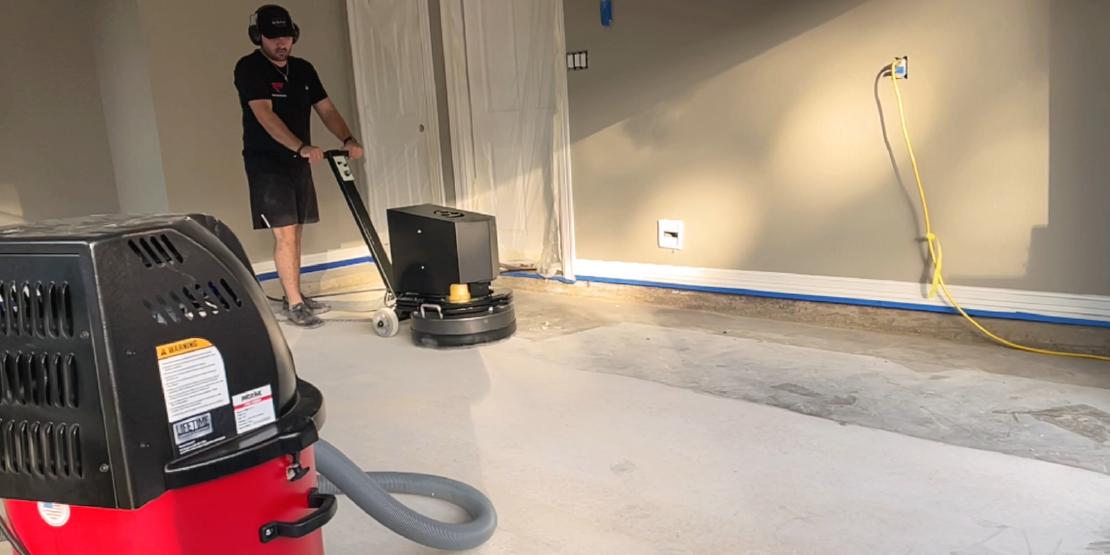
Before embarking on the actual process of applying polyaspartic coatings, certain pre-emptive steps must be carefully executed. First and foremost, it’s essential to prepare the surface on which the coating is to be applied. This involves the removal of any existing dust, debris, or previous coatings that may interfere with the adhesion process. The use of power sanders and chemical strippers can help achieve a clean, unblemished surface ideal for polyaspartic coatings.
Subsequent to the cleaning phase, surface profiling, also known as etching, is critical. It helps creating a rough texture on the surface, thereby allowing the polyaspartic coating to have a tighter grip. This can be achieved through either acid etching, shot blasting, or diamond grinding. Furthermore, filling any cracks or uneven areas with an epoxy or urethane filler ensures a uniform, level surface, ready for the coating application.
Essential Tools for Polyaspartic Coating Application
Having the right tools at your disposal plays a crucial role in ensuring the success of any polyaspartic coating application. The most basic yet critical tool is the spray system, which is used to apply the coating in an even and controlled manner. High-quality spray systems are designed to deliver a fine, uniform layer that guarantees optimal performance of the polyaspartic coating. It is important to consider factors like the size of the project, the environment, and the type of application when choosing the most suitable spray system.
Besides the spray system, other tools such as mixers, rollers, and brushes are equally important. Mixers are used to ensure that the two-component polyaspartic coating is thoroughly blended before application. Rollers and brushes, on the other hand, are essential for manual application where a spray system might not be practical. They are used to spread the polyaspartic coating evenly onto the surface, eliminating any puddles or inconsistencies. Always remember, every tool should be cleaned properly after use to maintain its efficiency for future projects.
Ensuring Safety during Polyaspartic Coating Application
Safety is paramount in every work process, and the application of Polyaspartic coatings is no exception. This sophisticated procedure involves dealing with chemicals that pose certain risks if not handled correctly, thus necessitating deep attention to safety measures. Adequate personal protective equipment (PPE) should be prioritized, consisting of safety goggles, gloves, and full-sleeved clothing to protect the body from any potential chemical splashes.
In addition, proper ventilation must be ensured in the area where the coating process takes place. This counteracts the accumulation of potentially harmful solvent fumes that can stem from Polyaspartic coatings. Moreover, safety data sheets (SDS) for all products used must be readily accessible. These instructions provide vital information concerning the handling, storage and disposal of the chemicals involved. Regular training sessions on safety measures also play a significant role in minimizing risks. • Ensuring safety during Polyaspartic coating application involves a comprehensive approach, focusing on both personal protection and workplace conditions.
• Appropriate PPE is crucial to protect workers from potential chemical hazards. This includes: ◦ Safety goggles: These are necessary to safeguard the eyes against any accidental splashes of chemicals. ◦ Gloves: High-quality gloves can prevent skin contact with harmful substances. ◦ Full-sleeved clothing: It provides additional protection for the body, reducing the risk of direct exposure to chemicals.
• The importance of proper ventilation cannot be understated in this process as it: ◦ Reduces accumulation of solvent fumes that may emanate from Polyaspartic coatings. ◦ Helps maintain an environment conducive to work by regulating air flow and removing unwanted odors or gases.
• Accessibility and understanding of SDS for all products used in the procedure is essential because they: ◦ Provide detailed information about each chemical’s properties, risks, precautions, and disposal methods. ◦ Serve as a guide for employees handling these materials.
• Regular training sessions contribute significantly towards ensuring safety during polyaspartic coating application by: ◦ Educating workers about potential hazards associated with their job duties. ◦ Reinforcing best practices regarding use of PPEs, handling chemicals safely and managing emergency situations effectively.
In conclusion, maintaining safety while applying polyaspartic coatings requires vigilance at every step. From wearing appropriate protective gear to ensuring suitable working conditions - every aspect plays a vital role in mitigating risks associated with this procedure.
Step-by-Step Guide to Applying Polyaspartic Coatings
First, the surface intended for coating must be clean and dry. This process typically requires a thorough cleaning possibly involving scrubbing, washing, and degreasing. Once clean, the surface should be carefully inspected for any signs of imperfections or damage that need rectification, as the presence of cracks, bumps, holes, or other irregularities could negatively affect the final result of the application. The surface may need to be buffed or sanded to achieve a smooth, even consistency, a crucial prerequisite for the proper adherence and aesthetics of the polyaspartic coating.
After the preparation phase, begin the application process by mixing the polyaspartic resin with the hardener. The mixture must then be carefully applied over the prepared surface, ensuring an even, thin layer. This coating process usually consists of multiple layers, each requiring adequate curing time before the subsequent coating. Once the final layer is applied, the surface is left to cure fully. Proper curing is pivotal for the durability and performance of the polyaspartic coating, guaranteeing a long-lasting, protective finish.
Common Mistakes to Avoid While Applying Polyaspartic Coatings
When the task at hand is the application of polyaspartic coatings, oversights often lead to disappointments and reduced efficiency, making it critically important to be aware of the pitfalls. One common error is neglecting surface preparation, a vital initial step for ensuring optimal bonding. The coating may not adhere efficiently to the surface if dust, rust, oil, or any other form of contamination are not adequately removed prior to the application of the coating. In addition, failing to achieve a uniform and appropriate thickness of the coating may result in inconsistencies and eventual coating failure.
Moreover, ignoring the right weather conditions for application is a frequently observed mistake. Polyaspartic coatings need to be applied in relatively moderate temperatures, typically between 50 and 85 degrees Fahrenheit, for optimal adhesion. Applying these coatings in extreme weather conditions may compromise the quality and the life span of the coating. Furthermore, disregarding proper recoating times can result in poor intercoat adhesion and can compromise the coating’s integrity, highlighting the importance of adhering to recommended intervals and curing times. Awareness and avoidance of these common missteps can ensure a successful and long-lasting application of polyaspartic coatings.
Tips to Speed Up Polyaspartic Coating Application
The timing of the polyaspartic coating application process holds significance along with the accuracy of the procedure. Applying these coatings haphazardly can undermine surface integrity as well as the quality of the finish. There are a few practices that can help speed up the application of polyaspartic coatings without compromising on quality.
Firstly, adequate surface preparation is crucial before the application. Professionals should remove all surface contaminants like dust, oil, and old paint. A clean surface not only ensures the coatings stick better but also allows a more even distribution. Meanwhile, employing advanced polyaspartic coating technologies can also reduce application time. Modern sprayers achieve a consistent finish in fewer passes, allowing for faster completion. An experts’ advice, however, should be sought before attempting to adapt any new technology or procedure.
In situations where large areas need to be covered, it’s prudent to break down the task into sections. This not only makes the workflow manageable but also provides the necessary attention to each part, ensuring a uniform layer of coating. Further, maintaining a consistent temperature and humidity level speeds up the drying process, effectively reducing the total time spent on the coating procedure. However, it’s important to remember that every step of the process should be executed with accuracy to ensure the longevity of the polyaspartic coating. Any efforts to expedite the process should not undermine the quality and effectiveness of the coating.
Addressing challenges in Polyaspartic Coating Application
Application of polyaspartic coatings can pose certain challenges that may seem intimidating to inexperienced users. The special characteristics of this type of coating demand detailed awareness about the product. Incorrect application can lead to less-than-desirable results, affecting the durability and the aesthetics of the surface. Such issues can arise from errors such as improper surface preparation, incorrect mix ratio, and non-adherence to manufacturer’s guidelines.
In order to mitigate these issues, one requires a comprehensive understanding of the coating system. Professional training is usually recommended to gain deeper insights into the formulation and tactics of proper application. In addition, patience is key in handling this product, since rushing the process might produce results that are far from optimal. The proper implementation of ventilation systems may also assist in dealing with the odour that is typically associated with the application process of polyaspartic coatings.
Maintaining and Caring for Polyaspartic Coatings
Polyaspartic coatings, renowned for their durability and resilience, can perform optimally for extended periods with minimal maintenance. The inherent resistance to corrosion, surface abrasion, chemical exposure, and UV degradation, contributes to their longevity. Despite this fortitude, routine care is crucial to preserve the coating’s aesthetic appeal and functional integrity.
Regular inspections should form part of the maintenance regimen. These assessments help identify any signs of wear or damage, ensuring early intervention and preventing extensive repairs. Gentle cleaning with non-abrasive, pH-neutral detergents can keep the surface in pristine condition. Importantly, avoiding harsh chemicals or vigorous scrubbing will prevent deterioration of the coating’s protective layer, leading to its prolonged lifespan.
Advancements in Polyaspartic Coating Technology
Recent years have seen vast improvements in the field of polyaspartic coating technology. Innovations focus primarily on enhancing product quality while reducing environmental impact. The most notable advancement pertains to the development of ultra-low-VOC (Volatile Organic Compounds) polyaspartic coatings. These LOV-VOC coatings reduce the emission of harmful chemicals significantly while retaining their effectiveness, making them environment-friendly alternatives.
Simultaneously, research in Nanotechnology has begun to explore the incorporation of nano-reinforced particles into polyaspartic coatings. This nano-based approach increases the mechanical strength and durability of the coating. It also brings improved thermal and chemical resistance to the table. These notable advancements promise a more efficient and eco-friendly future for polyaspartic coating technology.
Case Studies of Successful Polyaspartic Coating Applications
The application of Polyaspartic coatings on the Golden Gate Bridge is an exemplary instance of its effective usage. Previously, the maintenance team had to deal with regular corrosion owing to the bridge’s constant exposure to salt-laden winds. The introduction of Polyaspartic coatings offered a high performing and durable solution. The results were remarkable; it drastically increased the lifespan of the painted surfaces, leading to a reduction in maintenance costs and enhanced aesthetic value.
In the industrial sector, a renowned automobile manufacturing plant adopted Polyaspartic coatings for their production floor. Prior to its application, frequent wear and tear due to heavy machinery were constant issues. However, with the application of Polyaspartic coatings, the floor’s strength and durability improved significantly. The floor became more resistant to damages, contributing to increased productivity and a safer work environment. Thus, Polyaspartic coatings continue to provide compelling benefits in varied practical applications.
What are Polyaspartic Coatings?
Polyaspartic coatings are a type of high performance coating used in a variety of applications where durability and speed of application are important. They are often used for floor and roof coatings, as well as in industrial applications.
Can you explain the chemistry behind Polyaspartic Coatings?
Polyaspartic coatings are derived from the reaction of an aliphatic polyisocyanate and a polyaspartic ester, which is an aliphatic diamine. The result is a coating that has excellent chemical and weather resistance, as well as fast cure times.
What are some benefits of using Polyaspartic Coatings?
Polyaspartic coatings offer superior durability, UV resistance, and fast cure times. They can also be applied in a variety of temperatures, making them versatile for different environments.
What steps should be taken before applying Polyaspartic Coatings?
The surface to be coated should be clean, dry, and free of any contaminants. Any existing coatings or sealants should also be removed. The area should be properly ventilated, and all safety guidelines should be followed.
What are some common mistakes to avoid while applying Polyaspartic Coatings?
Common mistakes can include not properly preparing the surface, not stirring the coating adequately before application, applying the coating too thickly, and not allowing adequate drying time between coats.
Are there any safety precautions to take during Polyaspartic Coating application?
Yes, it’s important to use appropriate protective clothing, including gloves and safety glasses. The area should be properly ventilated, and the manufacturer’s safety guidelines should always be followed.
How can I speed up the application of Polyaspartic Coatings?
Using the right tools and techniques can help speed up application. For example, using a roller can help apply the coating more evenly and quickly than a brush.
How should Polyaspartic Coatings be maintained and cared for?
Regular cleaning and inspection can help maintain the performance and appearance of Polyaspartic Coatings. It’s also important to address any damage promptly to prevent further deterioration.
Can you share some case studies of successful Polyaspartic Coating applications?
While specific case studies are detailed in the article, some broad examples of successful applications include industrial flooring in factories and warehouses, roof coatings in extreme weather environments, and decorative coatings in commercial and residential buildings.
Have there been any recent advancements in Polyaspartic Coating technology?
Yes, recent advancements have focused on improving the performance characteristics of Polyaspartic Coatings, such as increasing their UV resistance and durability, as well as reducing their environmental impact.